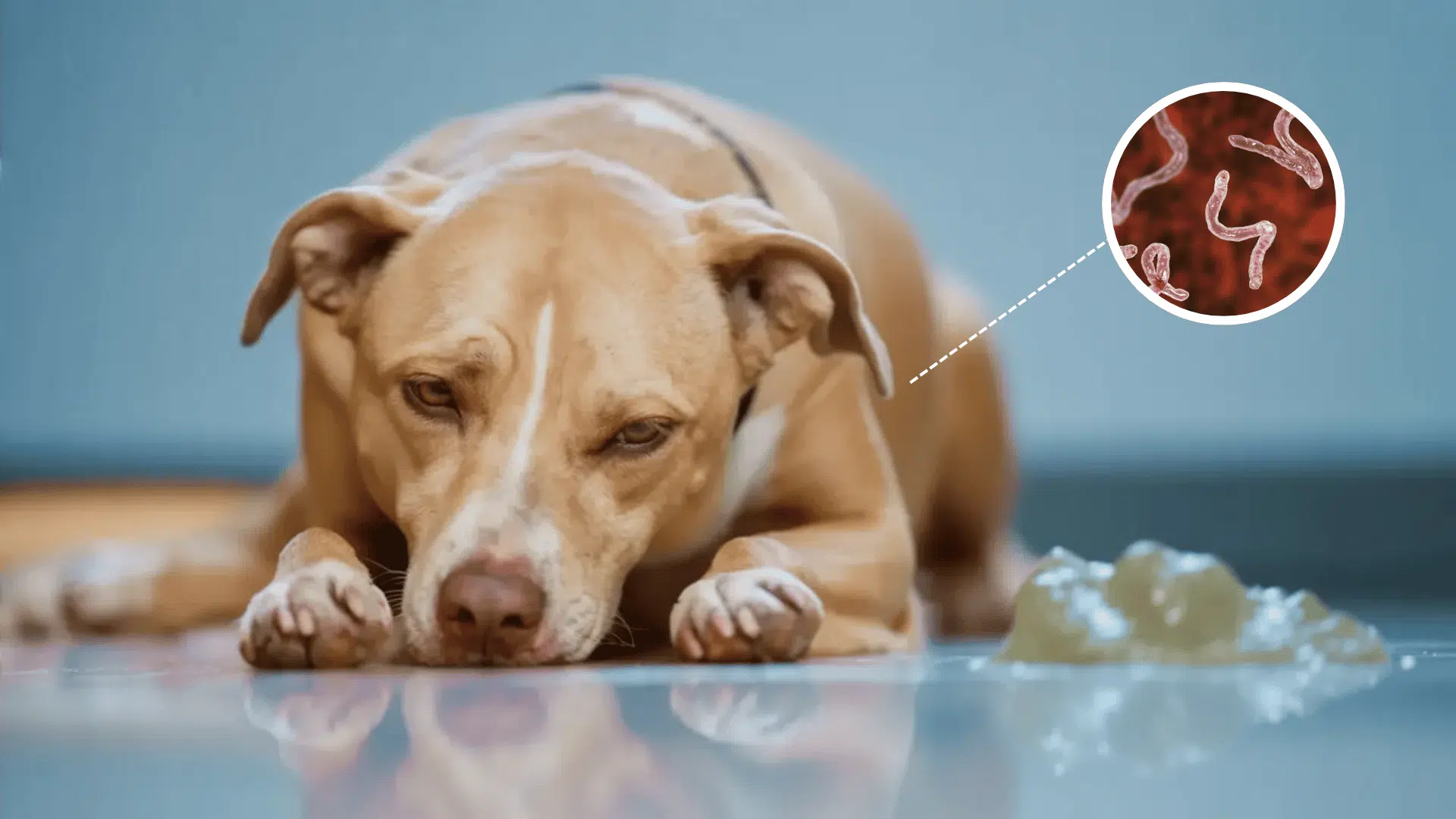
Dog eye infections can affect any breed and often start with small signs that are easy to miss.
A little redness or watery discharge may not seem serious, but without quick care, it can lead to pain or vision problems.
This guide covers the causes, symptoms, and best treatments for dog eye infections and other eye problems in dogs.
Healthy eyes are key to your dog’s comfort and happiness. Just like humans, dogs rely on clear vision for play, safety, and daily life. This article will cover:
- The main causes of dog eye infections
- Early symptoms that need attention
- Simple home care and when to see a vet
By the end, you’ll know how to spot problems early and keep your dog’s eyes healthy and bright.
What Is a Dog Eye Infection?
When I talk about a dog eye infection, I mean a problem where your dog’s eyes get red, swollen, or watery because of germs or irritants.
Sometimes it starts with mild redness or a bit of discharge. But if you ignore it, it can quickly turn painful.
You might see your dog squinting, rubbing its eyes, or avoiding bright light.
Some breeds like Pugs, Bulldogs, Cocker Spaniels, and Shih Tzus are more likely to face eye problems because their eyes are more exposed.
These infections can make it hard for your dog to see clearly and cause a lot of discomfort.
I always remind pet owners that catching the signs early is the key to quick recovery. A little care now can save your dog from serious pain and protect its eyesight for the long run.
Types of Eye Infections Commonly Seen in Dogs
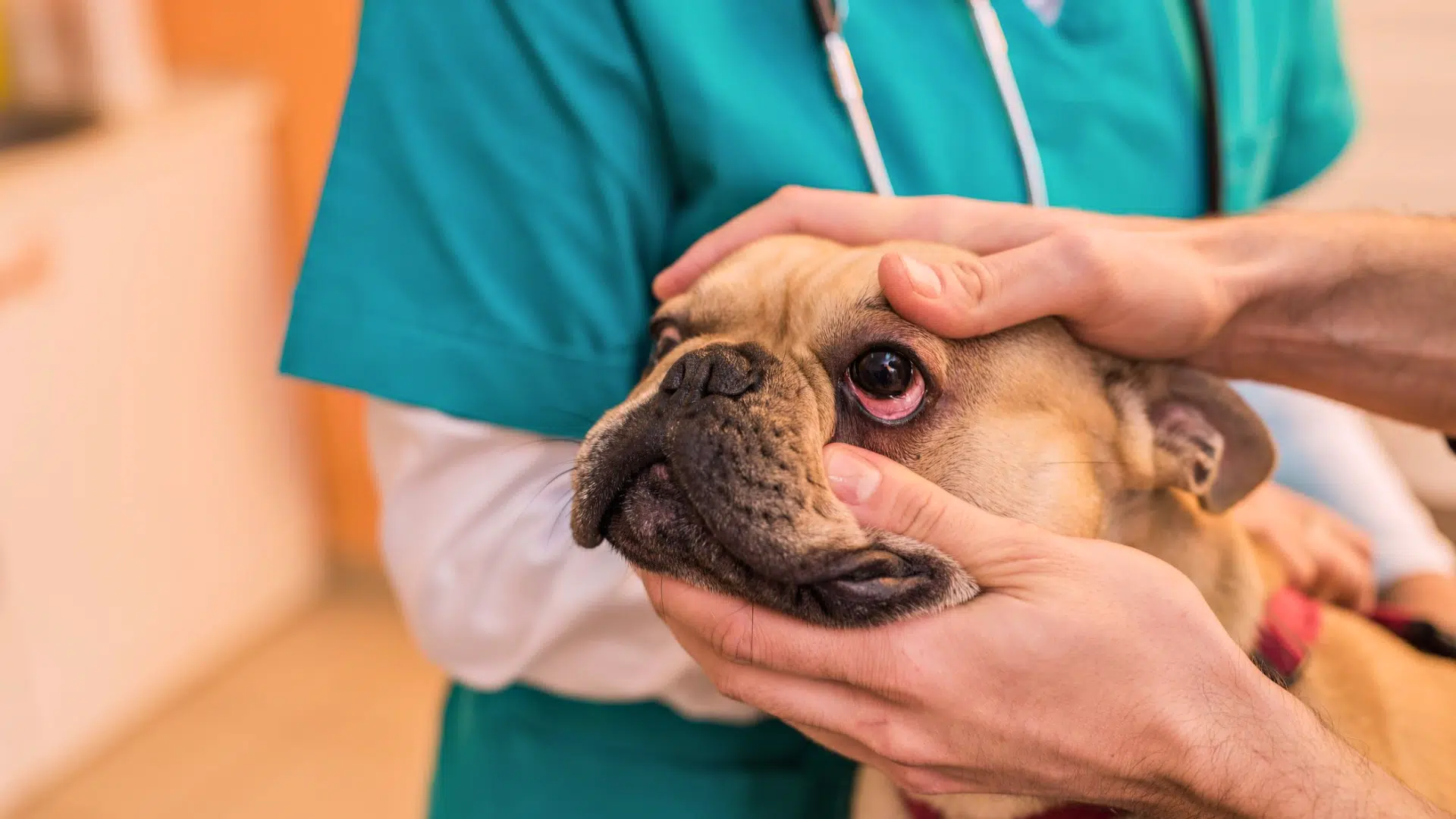
Eye infections in dogs can look similar but come from different causes. Knowing the type helps you choose the right care and treatment for your pet.
- Bacterial Infections: Often caused by dirt or injury, these infections lead to redness, swelling, and thick yellow or green discharge.
- Viral Infections: Spread through contact with other dogs, they can cause watery eyes, redness, and irritation.
- Fungal Infections: Less common but can develop from exposure to mold or contaminated soil, leading to cloudiness or long-lasting irritation.
- Allergic Reactions: Dust, pollen, or certain foods can irritate the eyes, causing itching and mild discharge.
- Foreign Object-Related Infections: Small particles like grass or debris can scratch the eye and lead to infection if not removed quickly.
Symptoms of Eye Infections in Dogs
Eye infections can show up in many ways, and each sign tells you something about your dog’s health. I’ve learned that noticing small changes early can make treatment easier and recovery faster.
1. Redness and Swelling
When I notice redness and swelling in a dog’s eyes, it’s often one of the first signs of infection. The eyelids may puff up, and the eyes might look sore or irritated.
You may also see your dog blinking more than usual or keeping the eyes partly closed.
This happens because the area is inflamed and painful. I always tell pet owners not to wait too long; if redness or swelling lasts more than a day, it’s best to visit the vet.
Early treatment can stop it from turning into something more serious.
2. Watery or Sticky Discharge
If you see watery or sticky discharge coming from your dog’s eyes, it’s a sign that something’s wrong.
Clear discharge often points to irritation, while thick yellow or green fluid usually means infection. You might also notice dried crust forming around the eyes.
I suggest wiping it gently with a clean, damp cloth, but don’t rely on home cleaning alone.
If the discharge returns or worsens, your vet can check for bacteria and recommend the right medication. Acting quickly helps prevent further irritation or vision trouble.
3. Squinting or Excessive Blinking
When your dog starts squinting or blinking constantly, it’s usually a sign of eye pain. Sometimes, it’s caused by dust or debris, but infections can make the eyes extra sensitive.
I’ve seen many dogs shy away from light or rub their faces to get relief.
This can make the problem worse if not handled carefully. If your dog avoids bright areas or keeps one eye closed, take it seriously.
I always tell pet owners that squinting means discomfort, and quick treatment can save the eye from more damage.
4. Rubbing or Pawing at the Eyes
Dogs often rub or paw at their eyes when something is irritating them.
It might seem harmless, but constant rubbing can scratch the surface of the eye and spread infection.
I’ve noticed dogs do this most when their eyes itch or burn. If your dog can’t stop, use a soft cone to prevent injury and call your vet.
They can check for infection, allergies, or small objects trapped under the eyelid. It’s a simple step that can save your dog from unnecessary pain.
5. Changes in Eye Color or Cloudiness
When I see changes in eye color or cloudiness, I know the infection may be more serious.
The eyes might look dull, hazy, or have a white or gray film over them. In some cases, the clear part of the eye turns bluish or milky.
These signs mean the infection could be affecting deeper layers of the eye.
I always urge dog owners to act fast; cloudiness or color changes never appear without reason. Getting help right away can protect your dog’s vision and keep their eyes bright and healthy.
How to Examine Your Dog’s Eyes at Home?
When I check a dog’s eyes at home, I always start in a quiet, well-lit spot where the dog feels calm.
Gently hold your dog’s head and look closely at both eyes. The surface should be clear, bright, and moist, not red, cloudy, or sticky.
Lift the eyelids slightly to see if the whites are clean and the inner tissue looks pink, not inflamed.
If you notice any swelling, discharge, or if your dog pulls away in pain, stop right away. Never try to remove anything stuck in the eye yourself. That’s a job for your vet.
I also look for even pupil size and check how your dog reacts to light.
A healthy eye should look alert and comfortable. Doing this simple check once a week helps you catch problems early and protect your dog’s vision.
Causes of Canine Eye Infections
Eye infections in dogs can start from many causes. Even small irritations can lead to pain if ignored. Knowing the triggers helps you keep your dog’s eyes clean, healthy, and protected.
1. Allergies, Irritants, or Injuries
Dogs often get eye infections from allergies or everyday irritants like dust, smoke, grass, or cleaning sprays. Even a small scratch from play or brushing against plants can let bacteria enter the eye.
I always remind dog owners to keep their pets away from strong scents, rough play, and harsh chemicals.
Regularly wiping around the eyes with a damp, clean cloth helps prevent buildup.
If your dog frequently rubs its eyes or sneezes a lot, it could be reacting to something in the environment. Catching these triggers early keeps infections from forming.
2. Bacteria or Viruses
Bacteria and viruses are leading causes of canine eye infections, especially in dogs that interact with others at parks or boarding centers. Infected water bowls, shared toys, or poor hygiene can easily spread germs.
You might notice redness, sticky discharge, or swelling around the eyes. Some infections pass quickly, but others need antibiotics or antiviral drops from a vet.
I always suggest keeping your dog’s living space clean and avoiding contact with dogs that have visible eye issues.
Preventive care and quick attention can stop a mild infection from becoming serious.
3. Blocked Tear Ducts or Dry Eyes
When a dog’s tear ducts are blocked or the eyes don’t produce enough moisture, irritation quickly follows. Tears help clean out dirt and bacteria, so when the ducts don’t work properly, the risk of infection increases.
I’ve seen this happen in flat-faced breeds like Pugs, Bulldogs, and Shih Tzus.
You may notice constant tearing, crust near the corners, or a dull look in the eyes. Your vet can flush the ducts or prescribe special drops to keep the eyes lubricated.
Cleaning the area daily and trimming fur around the eyes can help prevent future blockages.
4. Underlying Health Issues
Sometimes a dog’s eye infection isn’t the main problem; it’s a symptom of an underlying condition. Issues like diabetes, thyroid problems, or weak immunity can make the eyes more vulnerable to infection.
I’ve worked with dogs where frequent eye problems were linked to allergies or chronic illness.
If your dog gets repeated infections or slow healing, it’s worth a vet visit for deeper testing.
Keeping your dog healthy overall, with good nutrition, regular exercise, and vet checkups, strengthens their immune system and protects their eyes in the long run.
Dog Eye Infection Treatment
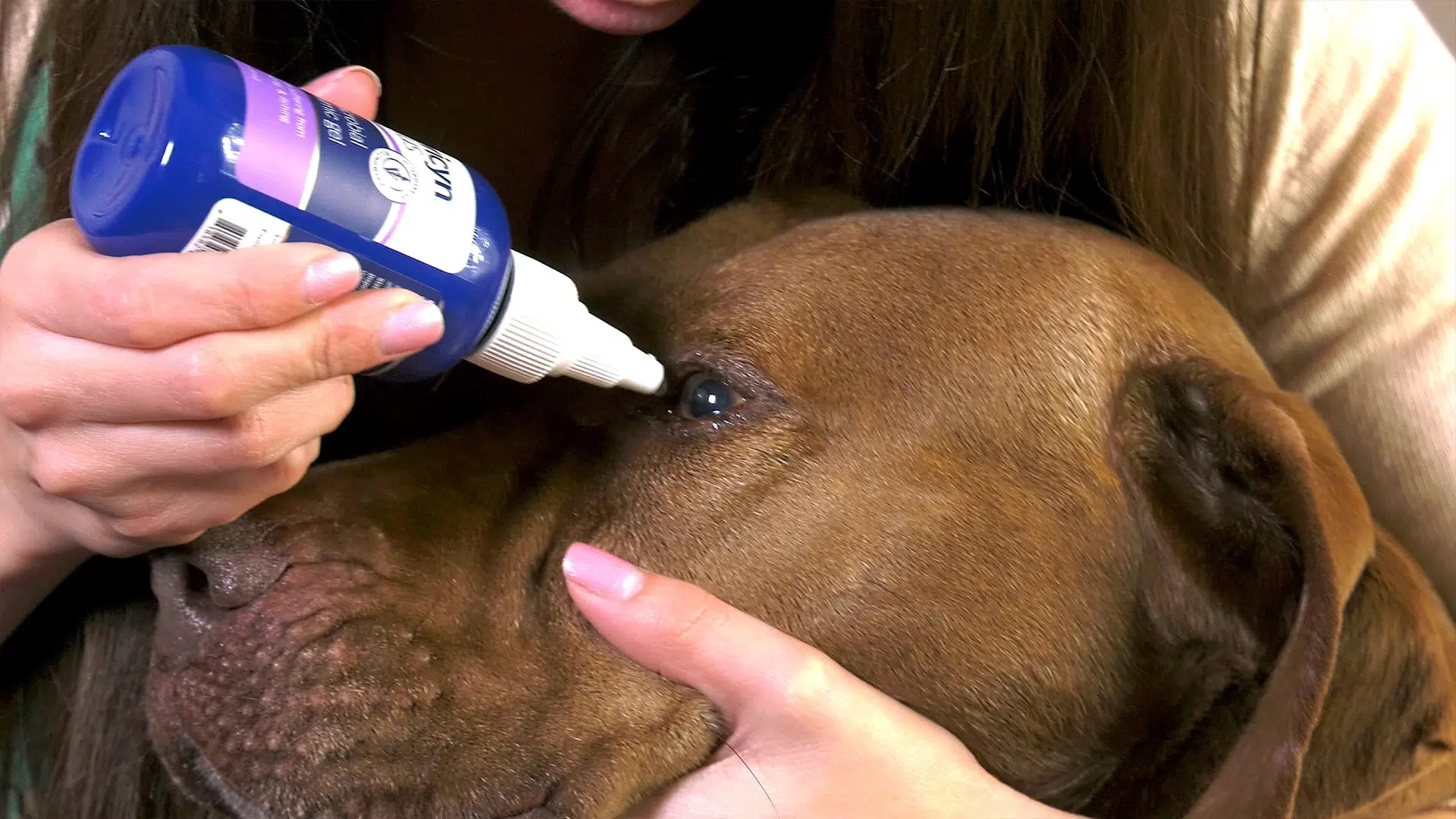
When treating a dog eye infection, the first step is always a proper veterinary diagnosis. The vet will examine the eyes closely and may take a small sample to identify the cause.
Based on the results, eye drops or ointments are prescribed to fight bacteria, reduce swelling, and relieve pain.
It’s important to follow the instructions carefully and complete the full course of treatment. Avoid using over-the-counter or human eye drops without professional guidance, as they can worsen the condition.
At home, gently clean the area around the eyes with a soft, damp cloth and prevent the dog from rubbing or scratching.
If symptoms don’t improve within a few days, another vet visit may be needed to adjust the treatment. Consistent care and early attention help ensure proper healing and long-term eye health.
Home Care Tips for Your Dog’s Eyes
Caring for your dog’s eyes at home helps with healing and keeps future infections away. These simple daily steps make eye care easier and more effective for both you and your pet.
- Keep the Eyes Clean: Gently wipe away dirt or discharge using vet-approved wipes or a clean, damp cloth. Always clean from the inside corner outward.
- Prevent Scratching or Irritation: Trim fur around the eyes and keep nails short to stop accidental scratching.
- Use an E-Collar if Needed: A soft e-collar prevents rubbing or pawing, especially when the eyes are sore or treated with drops.
- Watch for Changes: Check your dog’s eyes daily for redness, swelling, or cloudiness. Quick action helps avoid serious infections.
- Avoid Dust and Chemicals: Keep your dog away from smoke, perfumes, and harsh cleaners that can irritate the eyes.
- Provide a Balanced Diet: Good nutrition supports eye health. Include foods or supplements with vitamin A and omega-3s if approved by your vet.
- Follow Vet Instructions: Always apply prescribed drops or ointments as directed and complete the full treatment. Skipping doses can slow healing.
- Use Clean Bedding: Wash your dog’s bedding often to remove dust, pollen, and bacteria that can cause irritation or infection.
How to Prevent Future Eye Infections?
Preventing future eye infections in dogs starts with simple, consistent habits.
Regular cleaning and grooming are key; wipe around the eyes gently each day to remove dirt, tear stains, or debris that could cause irritation.
Keep the hair around the eyes trimmed so it doesn’t rub or trap moisture.
When your dog plays outside, protect the eyes from dust, sand, and wind by keeping activities in safe, clean areas.
Avoid letting your dog stick its head out of the car window, as flying debris can scratch the eyes. Schedule routine vet check-ups to catch small issues early and get professional cleaning if needed.
A balanced diet with nutrients that support eye health also helps maintain strong immunity.
By staying consistent with care and observation, you can keep your dog’s eyes bright, healthy, and infection-free for years to come.
Conclusion
Keeping your dog’s eyes healthy doesn’t have to be difficult; it just takes regular attention and care. Early detection is the best way to stop small problems before they become serious infections.
If you notice any redness, discharge, or cloudiness, don’t wait to see if it goes away on its own.
A quick visit to the vet can make all the difference. Regular cleaning, gentle grooming, and routine check-ups help protect your dog’s vision and comfort.
I always remind dog owners that eyes are sensitive and need care just like any other part of the body.
With a little time and observation each day, you can prevent painful infections and keep your dog’s eyes bright, clear, and healthy for many happy years.