Most dogs poop every day. So when your dog stops going or starts struggling outside, it can feel really worrying.
As a licensed veterinarian with years of clinical practice, I have seen this concern bring countless pet owners into my office.
The first step that always helps is learning what to look for.
Dog constipation symptoms are not always easy to spot. Sometimes a dog might strain for several minutes and come back inside with nothing to show for it.
Other times, the stool comes out small, dry, and hard. Constipation in dogs happens more often than most people think.
It can affect puppies, adult dogs, and senior pets alike. The causes range from simple things like low fiber to more serious health problems.
In this post, you will find out what constipation looks like, what causes it, and how to treat it safely at home. I have also covered when to call the vet. Keep reading to help your dog feel better fast.
What is Dog Constipation?
Dog constipation happens when a dog has trouble passing stool or stops having bowel movements altogether.
A healthy dog typically poops once or twice a day. Going more than two days without a bowel movement usually signals a problem.
The colon absorbs water from digested food as it moves through the body. When stool sits in the colon too long, it becomes dry, hard, and difficult to pass.
According to VCA Animal Hospitals, chronic constipation can also lead to megacolon, a permanent enlargement and weakening of the colon that may ultimately require surgery. This is why catching the signs of constipation in dogs early is so important.
Mild cases often clear up with small changes at home. But if the problem lasts more than a couple of days, a vet visit may be needed.
What Causes Constipation in Dogs?
Many things can slow down a dog’s digestion and lead to constipation. Understanding the cause helps determine the right treatment.
- A low-fiber diet is one of the most common causes, as fiber helps stool move smoothly through the intestines.
- Dehydration can also lead to hard, dry stool that is difficult to pass. Dogs that do not drink enough water often struggle with regular bowel movements.
- A lack of exercise may slow the movement of stool through the colon. Regular activity helps keep the digestive system working normally.
- Physical issues can also contribute. Matted fur around the rear end, common in long-haired breeds, may block stool from passing easily. In older male dogs, an enlarged prostate can press against the rectum and cause difficulty during bowel movements.
- Ingested foreign objects such as bones, toys, or plant material are another common cause and can sometimes indicate a bowel obstruction, which is a medical emergency requiring immediate veterinary care.
- Certain medications, including opiates, antihistamines, diuretics, and some antacids, are also known to slow gut motility and contribute to constipation. If your dog has recently started a new medication and developed constipation, let your vet know.
In my experience, post-surgery constipation is one of the most overlooked causes.
Dogs recovering from spay or neuter procedures or orthopedic operations often go 2 to 3 days without a bowel movement due to the lingering effects of anesthesia on gut motility.
I always warn owners about this before discharge, so they are not caught off guard.
Anxiety, fear, and behavioral changes can also disrupt normal bowel habits. A dog that is stressed by a new environment, a household change, or a disrupted routine may hold back from defecating, allowing stool to dry and harden in the colon.
Dog Constipation Symptoms to Watch For
Knowing the signs of constipation in dogs helps catch the problem before it gets worse. Some symptoms are obvious, while others are easy to miss.
- Straining without results: Prolonged squatting or straining without passing stool
- Vocal discomfort: Crying or whimpering while attempting to defecate
- Unusual movement patterns: Circling or scooting before or after trying to go
- Reduced appetite: Loss of interest in food and water
- Mucus discharge: Passing mucus instead of normal stool
- Tense or painful abdomen: Sensitivity or pain when gently pressing the lower back or stomach, often due to stool buildup causing pressure and discomfort
Dog constipation symptoms can resemble diarrhea, and straining may indicate possible urinary issues. Monitor closely; check effort direction. For loose stools, there is a way to stop dog diarrhea at home, once you know what the real signs are and how to track them.
How to Help a Constipated Dog at Home?
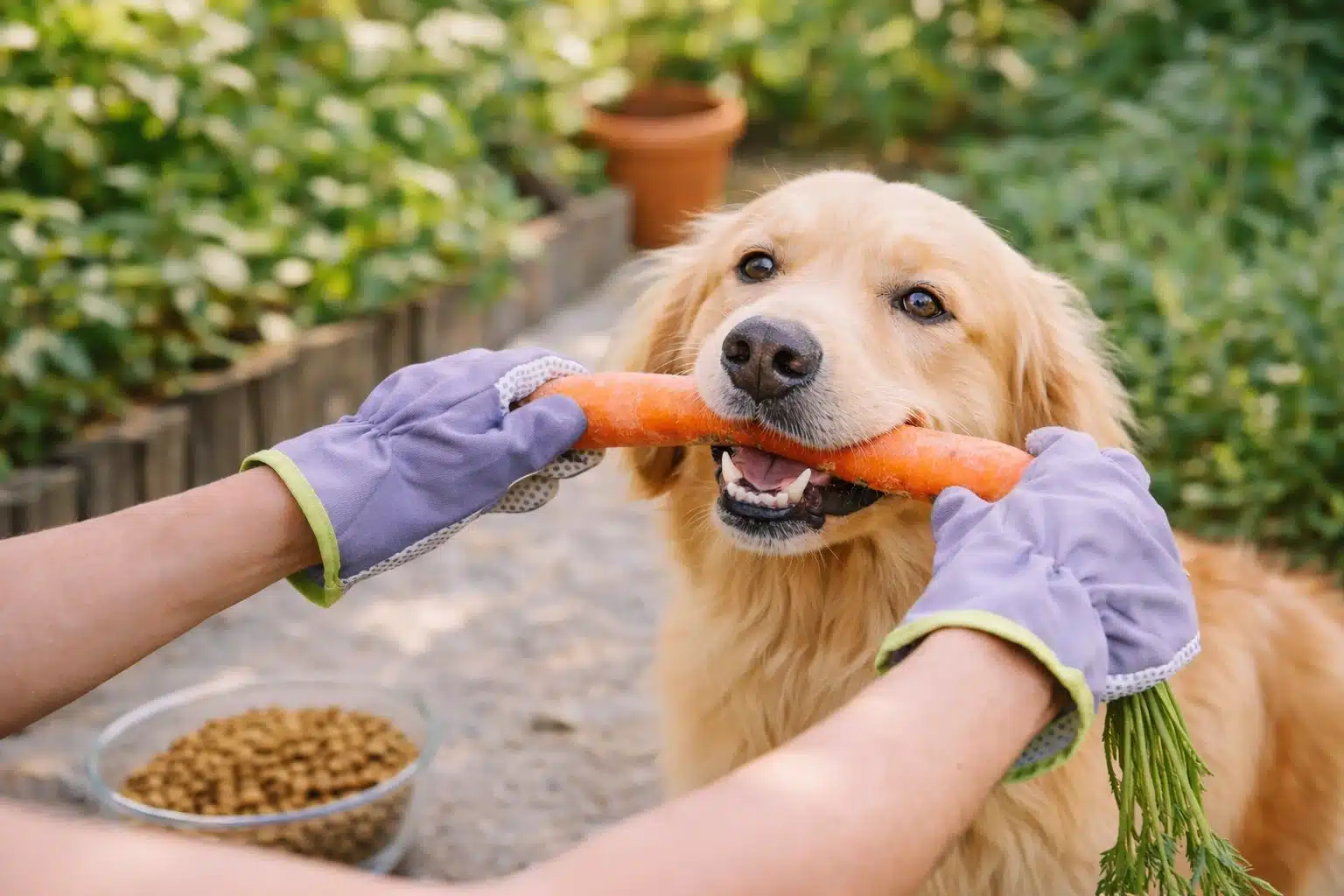
Mild constipation in dogs can often be managed at home if addressed quickly. These remedies work best when applied within the first day or two of symptoms.
If your dog has not had a bowel movement in over 48 hours, shows signs of pain, or is vomiting, skip home remedies and contact your vet directly.
1. Canned Pumpkin
Pure canned pumpkin (not pumpkin pie filling) is one of the most effective and well-tolerated home remedies for mild dog constipation. It adds both fiber and moisture to the digestive tract.
Offer one teaspoon for small dogs and one tablespoon for large breeds, mixed into their regular food.
You can also explore fiber-rich snack options that support healthy digestion as part of your dog’s daily routine.
2. Increase Water Intake
Dehydration is one of the most common drivers of constipation. Ensure your dog has constant access to fresh, clean water.
You can also try placing multiple water bowls around the home, offering ice cubes, or switching to a pet water fountain to encourage drinking.
3. Add a Small Amount of Olive Oil
A teaspoon of olive oil mixed into food can help lubricate the digestive tract.
Use this sparingly for 1 to 2 days, as too much oil can cause diarrhea or pancreatitis in sensitive dogs.
4. Switch to Wet Food Temporarily
Wet dog food has a much higher moisture content than dry kibble, which can help soften stool and stimulate bowel movements.
Even mixing a small amount of wet food into your dog’s regular meals can make a difference.
5. Increase Exercise
A gentle walk can stimulate peristalsis, the natural muscular contractions that move stool through the intestines.
Even a short 15 to 20-minute walk can help get things moving. Light playtime or regular daily activity also supports digestion and helps prevent sluggish bowel movements in dogs.
6. Probiotics
Veterinary-approved probiotics can help restore healthy gut bacteria and support normal bowel function.
These are particularly useful after a course of antibiotics or following a dietary change. Always consult your vet before introducing a new supplement.
In my clinic, I typically advise owners to give these remedies a 24-hour window. If there is no improvement within that time, or if the dog seems uncomfortable or lethargic, I want to see that dog in person.
Why Older Dogs Get Constipated More Often?
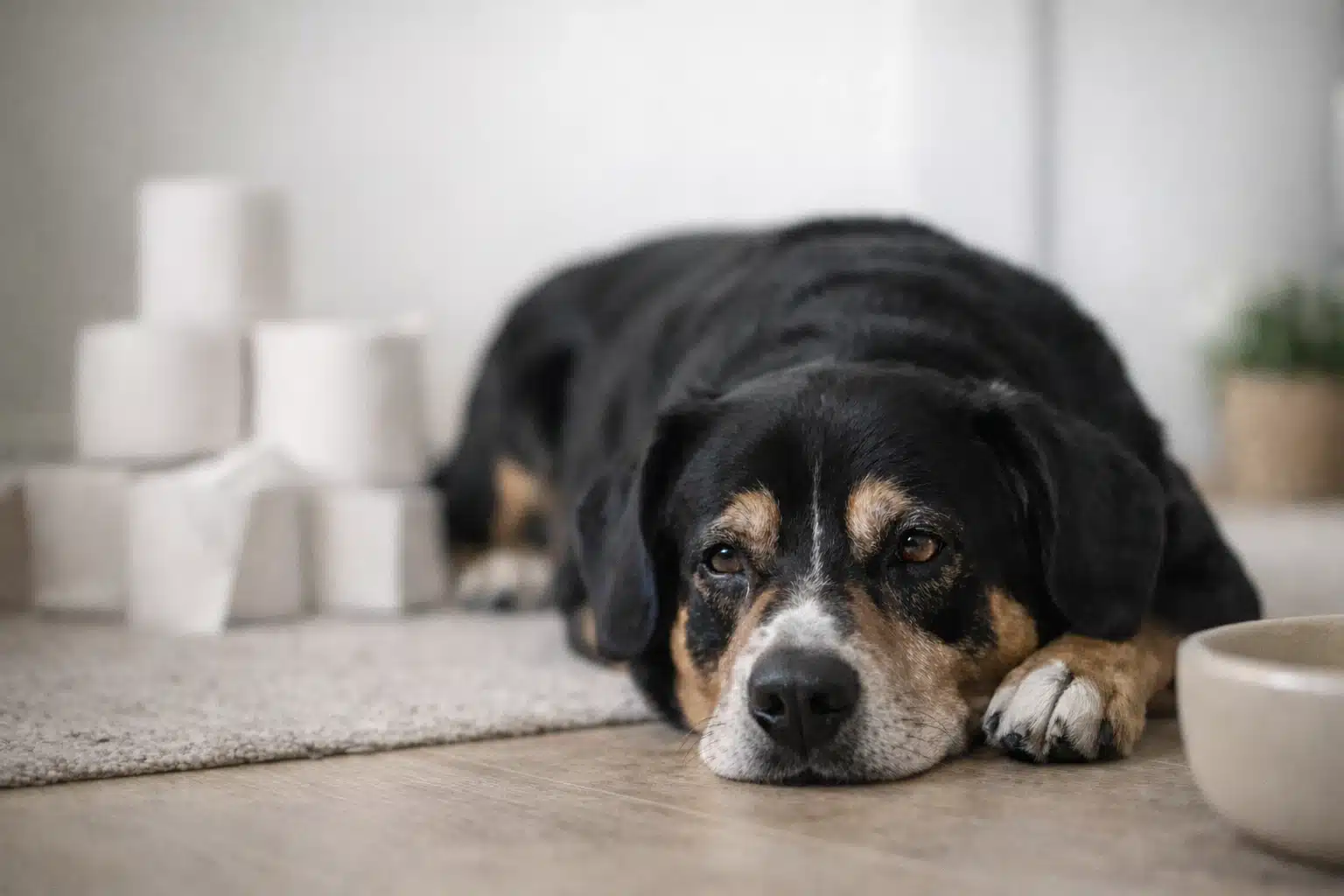
Senior dogs face a higher risk of constipation for several reasons. As dogs age, their muscles, including the muscles in the colon, weaken. This makes it harder to push stool out naturally.
Arthritis and joint pain also play a role. A dog that struggles to squat will avoid going to the bathroom. Reduced activity and a slower metabolism add to the problem.
Older dogs are also more likely to take daily medications. Some of these slow down the digestive system.
Kidney disease and other age-related conditions can cause dehydration, which can lead to constipation symptoms over time.
Neurological conditions that affect older dogs can also impair the nerve signals that control bowel movements, making it harder for the colon to contract and move stool along normally.
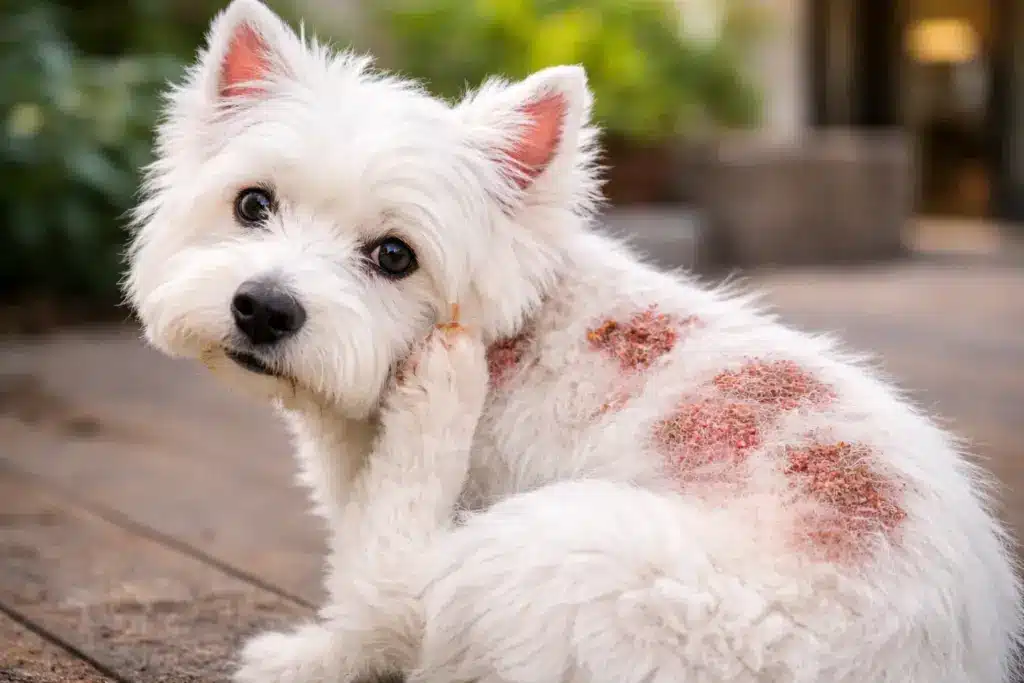
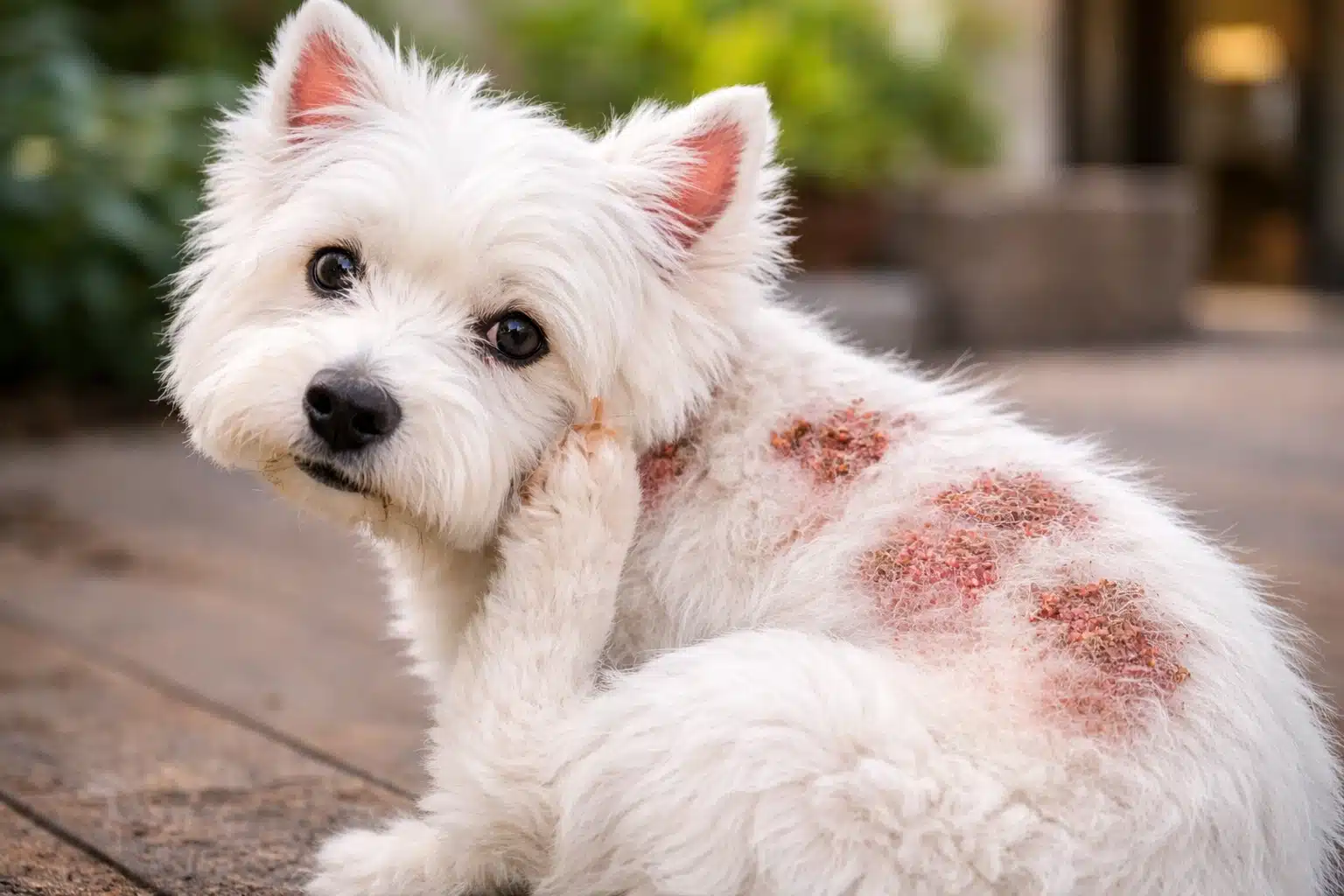
Aging dogs are also more prone to common skin conditions, so regular vet checkups help catch multiple issues early.
Certain breeds, including German Shepherds, may also be predisposed to conditions like perianal fistulas that complicate normal defecation.
If your senior dog is straining and you also notice any lesions or inflammation around the rear end, have your vet assess for this condition specifically.
When to Take a Constipated Dog to the Vet?
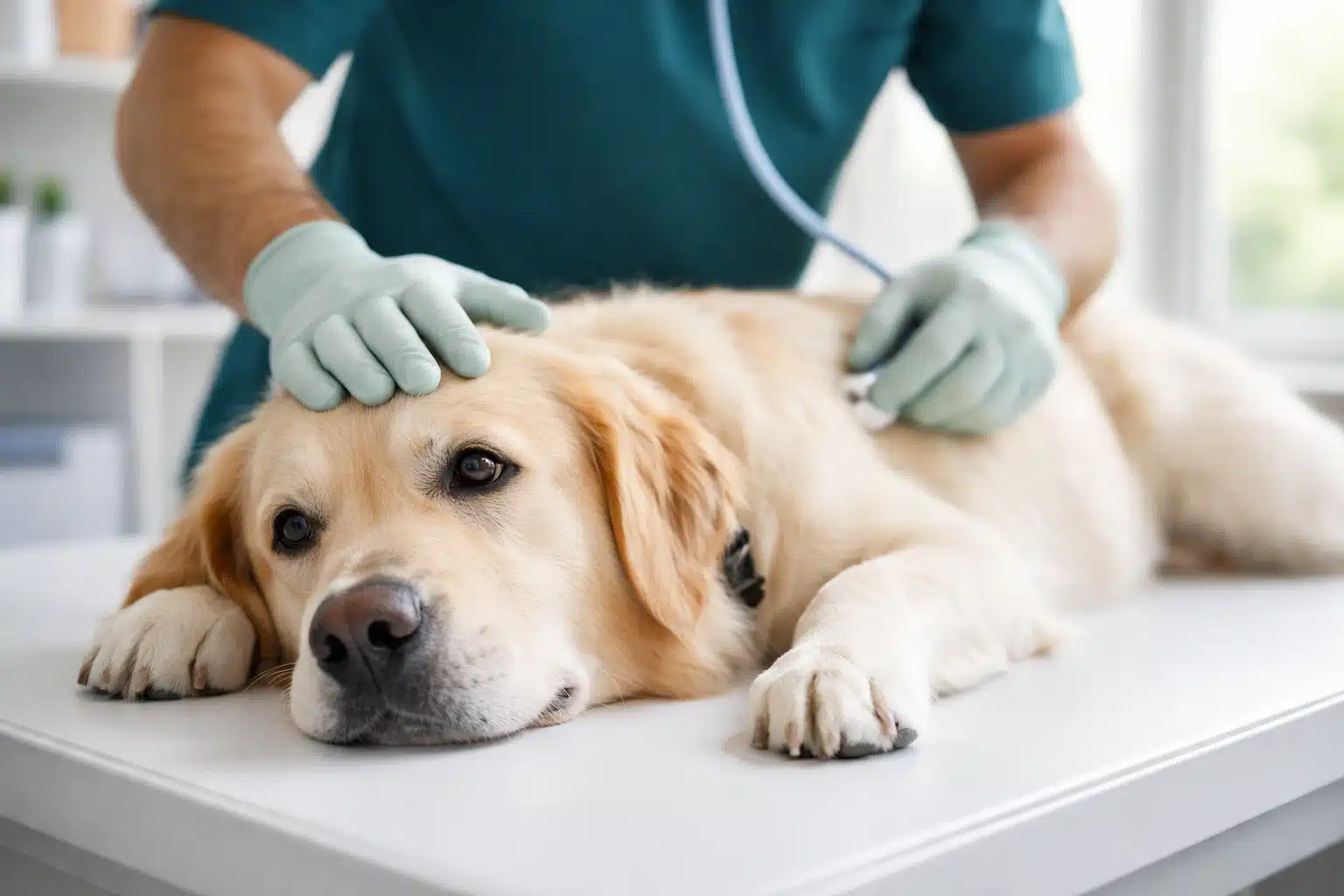
Knowing when to stop home treatment and call a vet can prevent bigger problems. Mild dog constipation symptoms that respond to pumpkin or extra water within a day are usually nothing to panic about.
But certain warning signs call for immediate help:
- No bowel movement for more than 48 hours despite home care
- Vomiting along with constipation
- Blood or mucus in the stool
- Bloated or visibly distended abdomen
- Sudden lethargy or loss of energy alongside straining
- Any suspicion that your dog has swallowed a foreign object
When visiting the vet, provide details about your dog’s most recent bowel movement, current diet, any recent medication changes, and the duration of symptoms. This helps the vet diagnose and treat your pet more quickly.
How Vets Diagnose and Treat Dog Constipation?
A vet will start with a physical exam, feeling the abdomen for hard stool buildup. When a constipated dog comes into my office, the first thing I do is palpate the belly.
In most cases, I can feel the firm, compacted stool through the abdominal wall before any tests are needed. Depending on the severity of dog constipation symptoms, additional tests may be needed.
| Diagnostic Method | What It Checks |
|---|---|
| Abdominal X-ray | Shows stool buildup and blockages inside the colon |
| Blood work | Checks for dehydration, infection, or organ problems |
| Rectal exam | Identifies masses, strictures, or an enlarged prostate |
| Ultrasound | Provides a closer look at internal organs and tissue |
| Colonoscopy or biopsy | Used in advanced cases to assess rectal masses or strictures more precisely |
Treatment depends on what the exam reveals. Common vet-administered options include enemas, manual removal of impacted stool, and prescription laxatives such as polyethylene glycol(PEG) 3350 or dioctyl sodium sulfosuccinate (DSS).
In cases where the digestive tract needs stimulation, medications like cisapride may be prescribed, but only after a bowel obstruction has been ruled out.
Some dogs require hospitalization for fluid replacement and multiple enema treatments. In the most severe cases, a partial colectomy, surgical removal of the affected colon segment, may be necessary.
What Not to Give a Constipated Dog?
Not all home treatments are safe. Some common online suggestions can actually harm a dog and worsen constipation symptoms.
Never give human laxatives or enemas without a vet’s approval. Products made for people often contain ingredients toxic to dogs.
The Merck Veterinary Manual warns that certain enema solutions can cause serious, even fatal, complications in pets.
Avoid giving milk as a laxative. While it may cause loose stools, it often leads to painful gas and cramping.
Stay away from mineral oil given by mouth, too, as dogs can accidentally inhale it into their lungs and develop pneumonia.
Tips to Prevent Constipation in Dogs
Preventing constipation is easier than treating it. A few daily habits can keep a dog’s digestive system running smoothly and reduce the chance of recurring dog constipation symptoms.
- Balanced, high-fiber diet: Feed meals with quality ingredients and enough fiber to support healthy digestion and regular bowel movements.
- Constant access to fresh water: Keep clean water available at all times to help prevent dehydration and keep stool soft.
- Daily exercise: Regular walks, playtime, or trips to the dog park help stimulate the digestive system and support normal bowel movements.
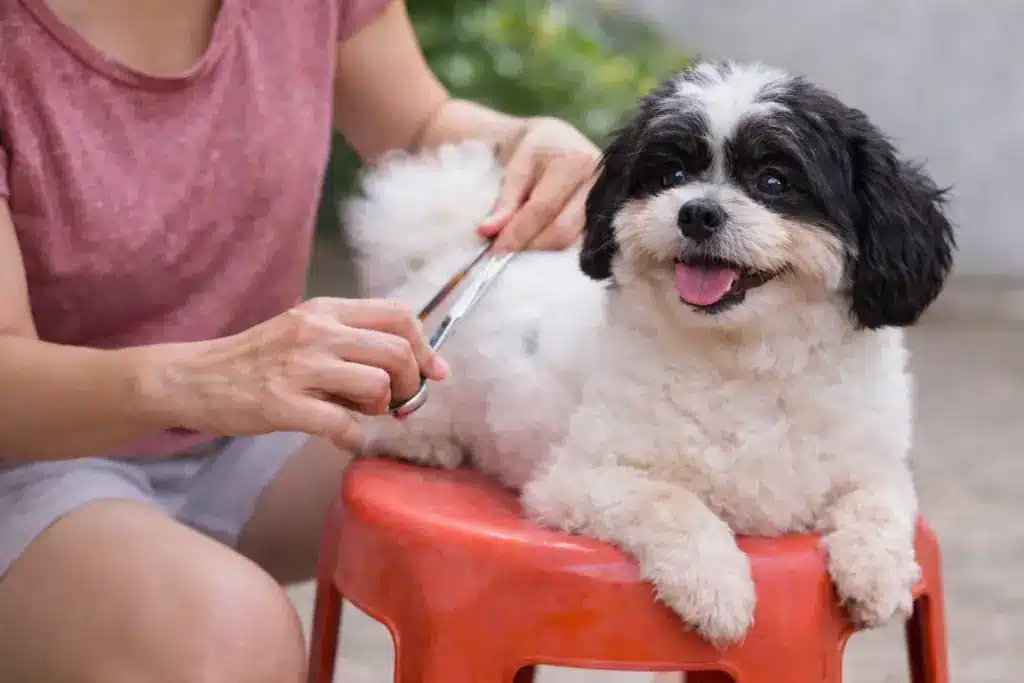
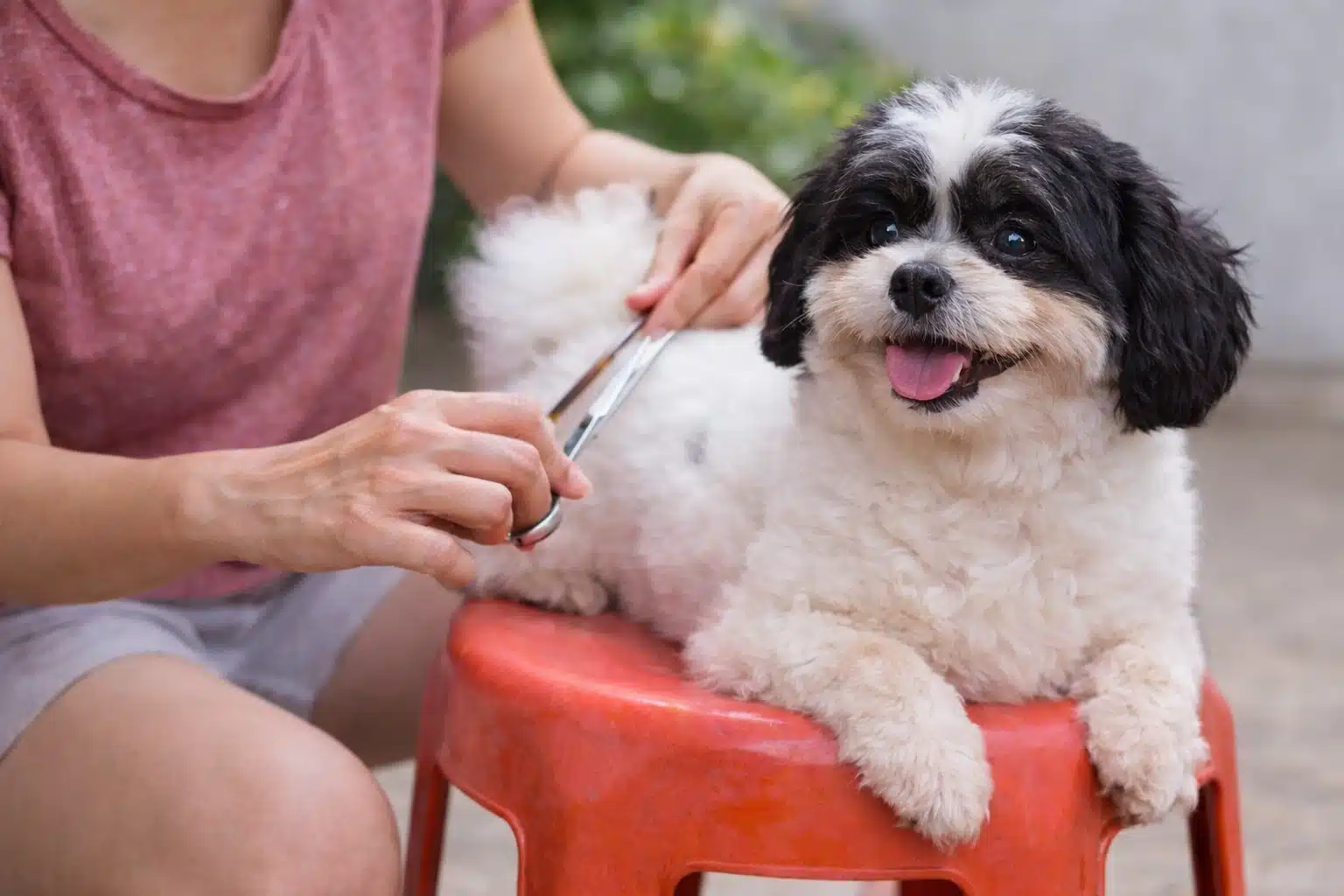
- Regular grooming: Brush and trim fur around the rear end, especially for long-haired breeds, to prevent blockages. Keeping your dog’s bedding clean also reduces the buildup of hair and debris that can contribute to grooming-related ingestion.
- Monitoring for foreign objects: Keep small items, bones, and trash out of reach to avoid digestive blockages.
- Routine vet checkups: Regular visits help detect underlying health issues before they lead to constipation
Conclusion
Spotting symptoms of dog constipation early makes a big difference in how quickly your pet recovers.
I hope this post gave you a clear idea of what to watch for, what might be causing the issue, and how to help at home safely.
Most mild cases respond well to simple changes, such as adding pumpkin, increasing water intake, and getting more daily movement.
But if things do not improve within a day or two, a vet visit is always the right call.
Your dog depends on you to notice when something feels off. Paying attention to bathroom habits, diet, and activity level can prevent constipation from becoming a bigger health problem down the road.
If you found this helpful, share it with other dog owners who might need it. Drop a comment below with any questions about your pet’s health.
Frequently Asked Questions
How Long Can a Dog Go without Pooping?
Most dogs should poop at least once a day. Going more than 48 hours without a bowel movement typically points to constipation and needs attention right away.
Can Dog Constipation Go Away on Its Own?
Very mild cases may clear up with extra water and movement. But if the dog’s constipation symptoms last beyond 2 days, veterinary care is the safest next step.
What Happens if Constipation Is Left Untreated?
Untreated constipation can lead to megacolon, a condition that may require surgery. According to VCA Animal Hospitals, chronic constipation can lead to a permanently enlarged and non-functional colon.
Is It Safe to Give My Dog Pumpkin Every Day?
Pure canned pumpkin in small amounts is generally safe for daily use as a fiber supplement. However, it should be used to address a specific issue rather than given indefinitely without a vet’s guidance.