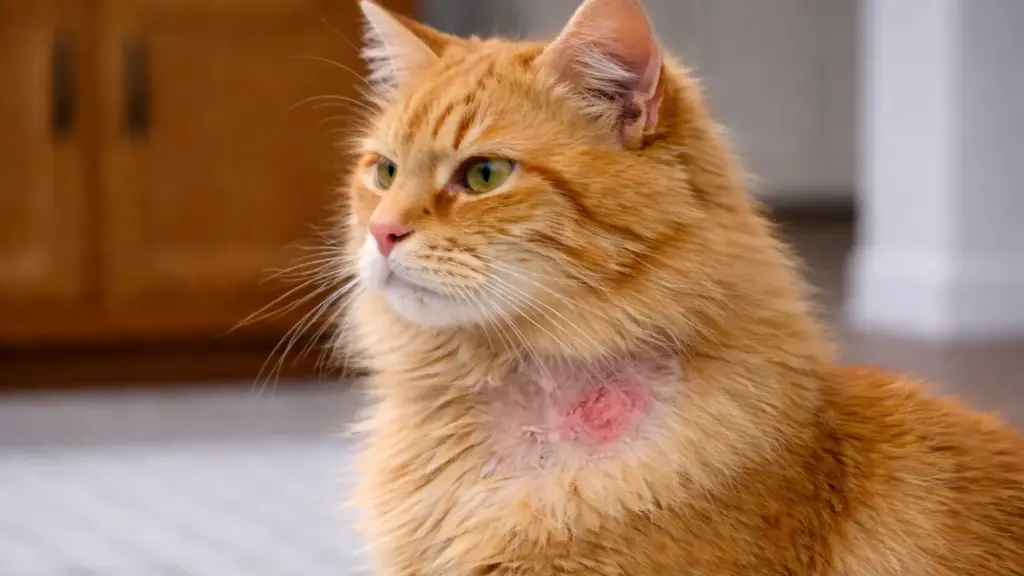
Your cat scratches and licks without stopping, and those bald patches keep spreading. Red, irritated skin shows up in the same spots week after week.
Watching your once-relaxed feline become restless, hide away, and lose that playful spark is heartbreaking.
The worry only deepens when small sores turn into painful infections that need urgent care.
The cycle feels endless, and the helpless feeling of not knowing how to ease their suffering weighs heavily on every cat parent.
In this blog, I cover everything you need to know about dealing with your cat’s allergy phase. You will find the common symptoms and the main causes of cat skin allergies.
You will also learn how veterinarians reach a clear diagnosis, what proven treatment options are available, and simple home steps that can bring real relief.
What Are Cat Skin Allergies?
Cat skin allergies are a condition where a cat’s skin becomes irritated and inflamed after reacting to certain substances in the environment, food, or parasites.
These triggers, such as flea saliva, food ingredients, pollen, dust mites, or contact substances, prompt the release of chemicals that inflame the skin and cause intense itching.
The ongoing irritation also weakens the skin’s natural barrier, leaving it vulnerable to further problems.
This issue can affect any cat, regardless of age, breed, or sex. And unlike some conditions, cat skin allergies are not contagious to humans or other animals.
Early contacts often go unnoticed, but the immune system learns to respond more vigorously each time, eventually triggering major discomfort even from small amounts.
Cornell Feline Health Center provides an in-depth explanation of skin diseases in cats.
What Causes Skin Allergies in Cats?
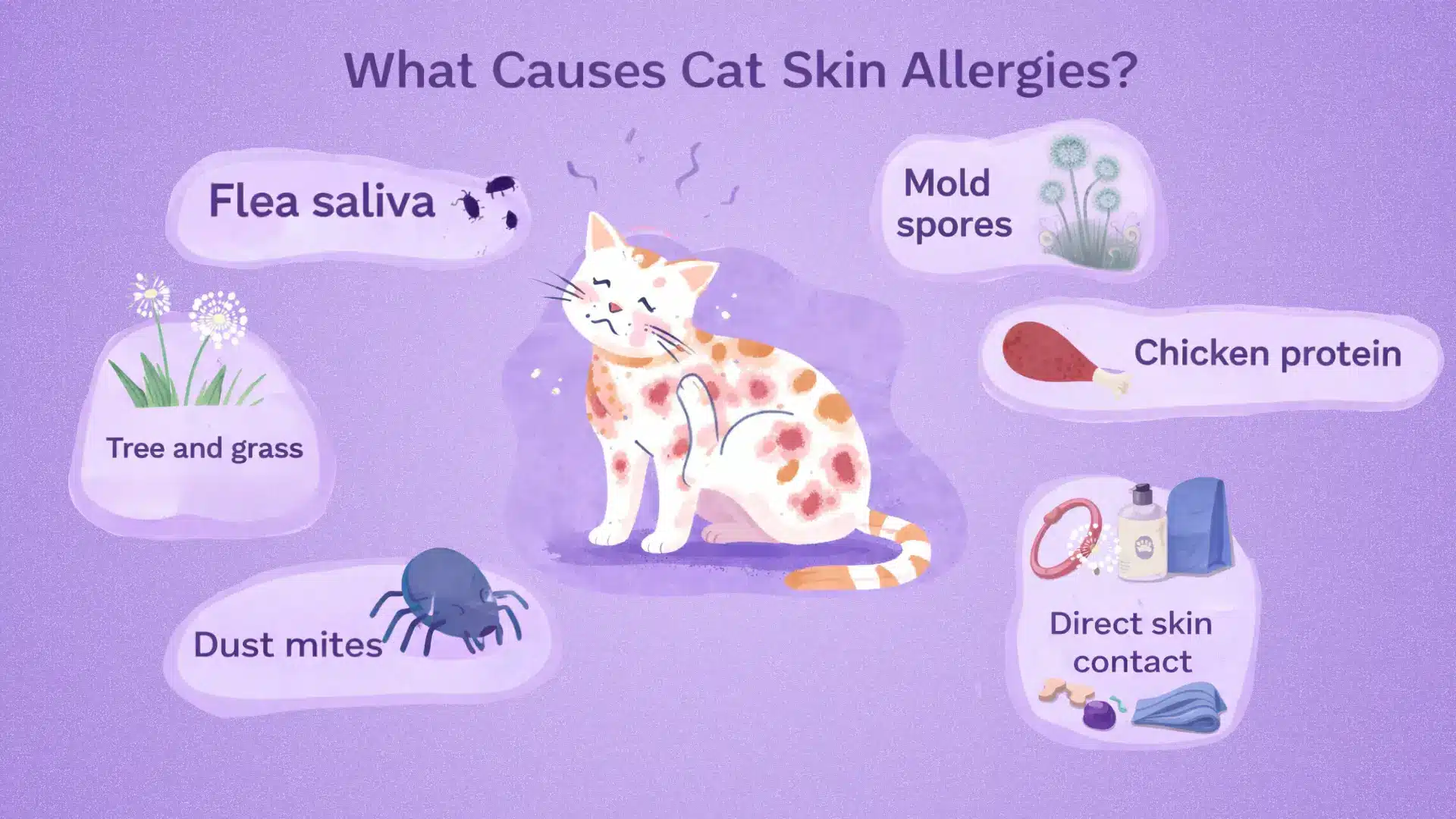
Cat skin allergies occur when your cat’s immune system overreacts to everyday substances that are normally harmless. These triggers cause inflammation, intense itching, and skin damage.
- Flea saliva (even a single bite can start a severe reaction)
- Chicken protein in commercial cat food
- Beef protein is found in many diets
- Fish or dairy proteins
- Tree and grass pollen in the air
Identifying the exact cause usually requires your vet’s help, but knowing the common ones is the first step toward real relief for your cat.
Symptoms of Cat Skin Allergies
Spotting allergy symptoms in your cat early can help prevent ongoing discomfort and secondary infections. Proper treatment begins only after the specific allergy is identified.
1. Visible Physical Changes
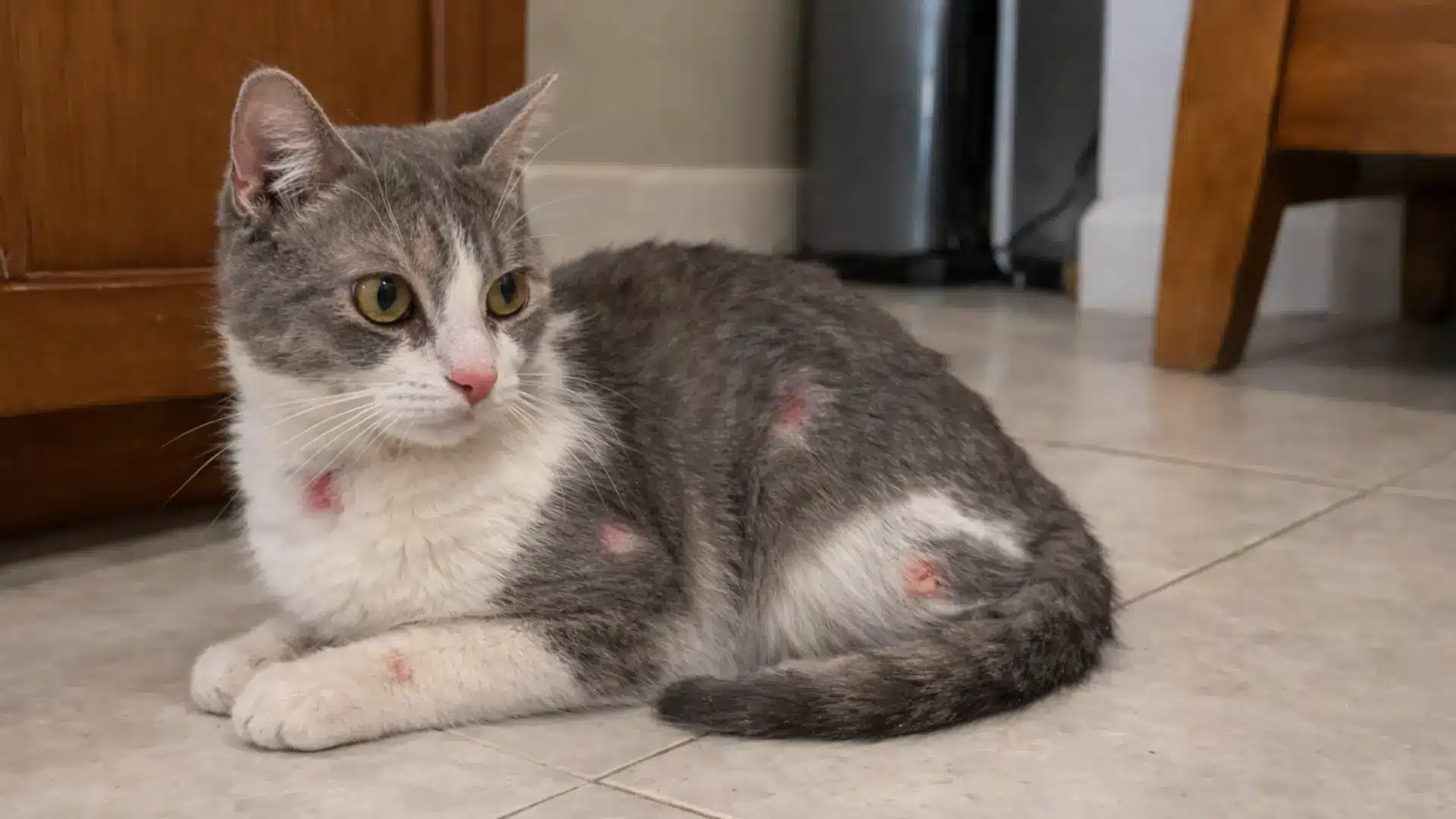
Skin allergies are most clearly seen through physical irritation and coat damage, which are often the first visible warning signs.
Common symptoms include constant scratching, biting, or licking as the cat tries to relieve the irritation.
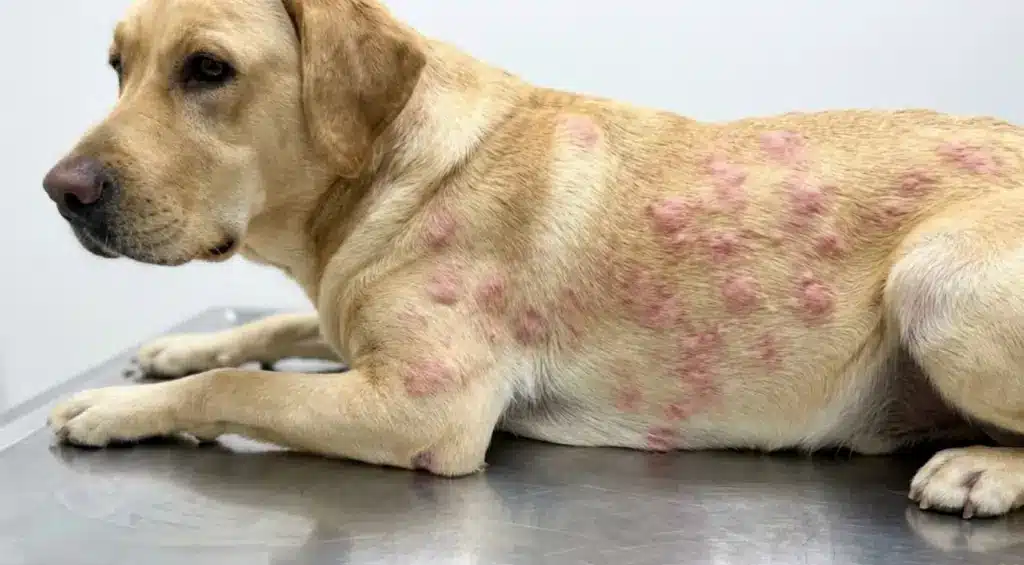
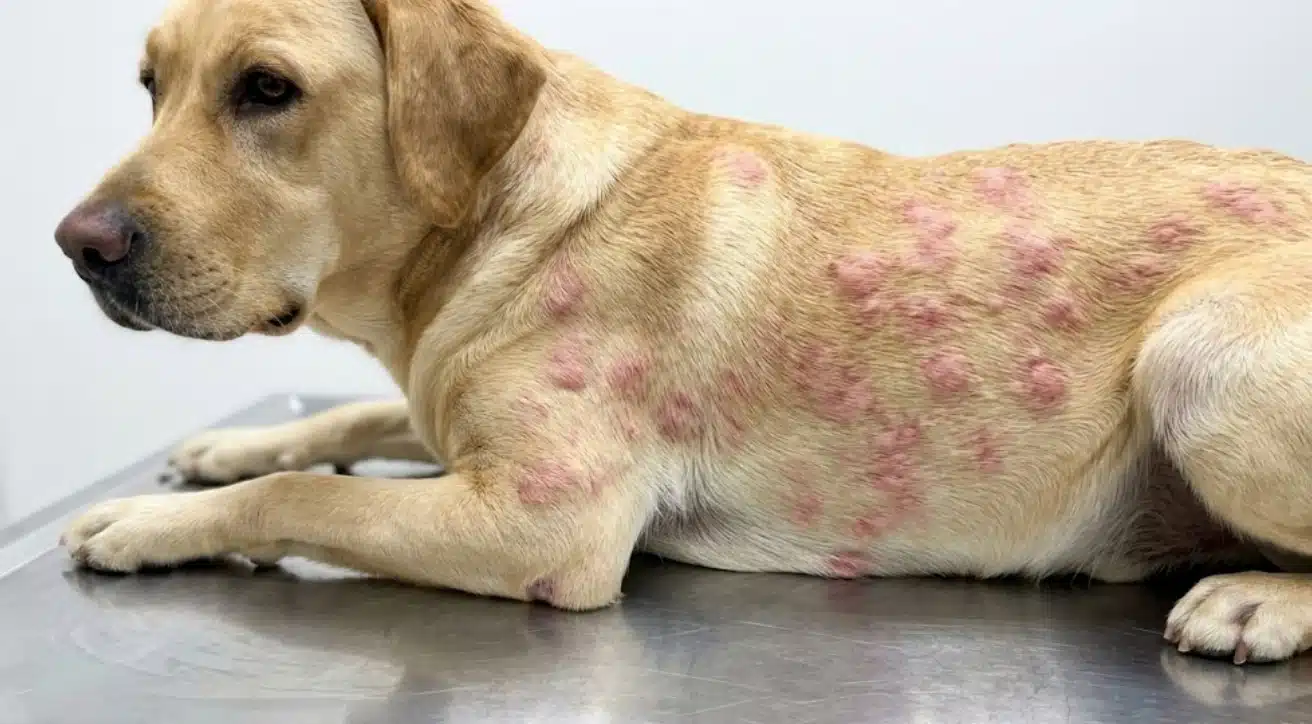
The skin may appear red, inflamed, flaky, or scaly. Small crusty bumps, often called miliary dermatitis, can also develop across the skin.
In more severe cases, scabs, open sores, or raw areas may appear due to repeated scratching or biting.
If the condition continues for a long time, the skin may become thickened or darker in affected areas. Some cats also develop recurring ear infections and frequently shake their heads.
Secondary bacterial or yeast infections can also occur, often causing an unpleasant odor from the skin.
2. Behavioral Changes
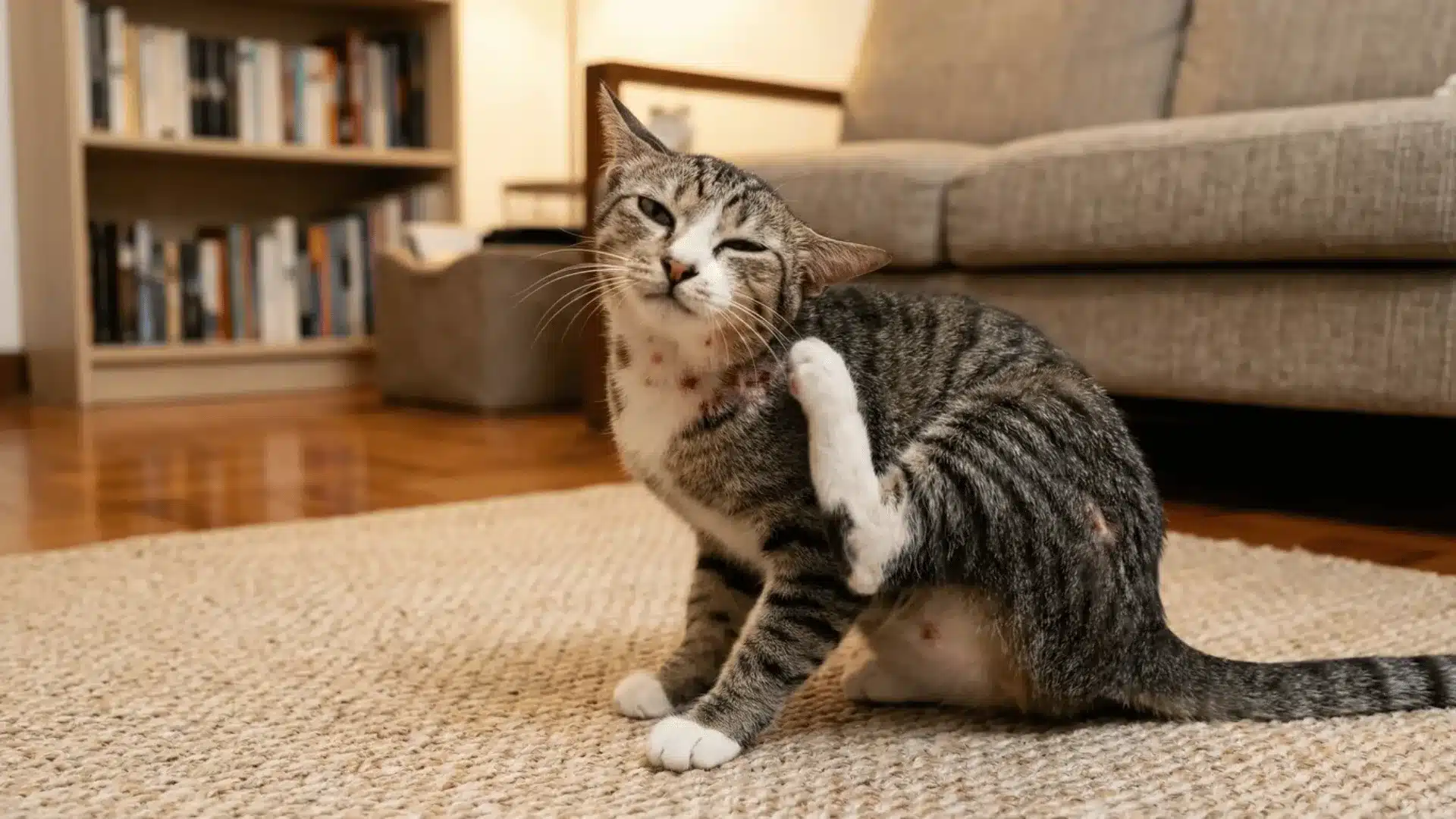
Allergies affect more than the skin. Ongoing discomfort can noticeably change your cat’s daily behavior.
You may notice pacing, sudden irritability, or sensitivity to touch, especially along the back or belly. Some cats show increased hiding and a sudden drop in their interest in play.
Sleep may become restless due to constant itching. A cat that once enjoyed grooming sessions may react sharply when brushed.
In more uncomfortable cases, appetite may drop, or litter box habits may change because movement or grooming feels painful.
These behavior shifts often signal ongoing discomfort even before severe skin damage appears.
3. Early Warning Signs Most Owners Miss

Early allergy symptoms can be easy to miss because they start mildly.
Your cat may groom slightly more than usual, especially focusing on one area such as the belly, neck, or base of the tail.
You might notice mild fur thinning without complete bald patches. Occasional ear scratching or a small increase in hairballs can also be early clues.
If your cat repeatedly targets the same spot for grooming over several days, it is worth monitoring closely. Acting at this stage can prevent months of worsening irritation and secondary infections.
When to See a Vet for Cat Skin Allergies
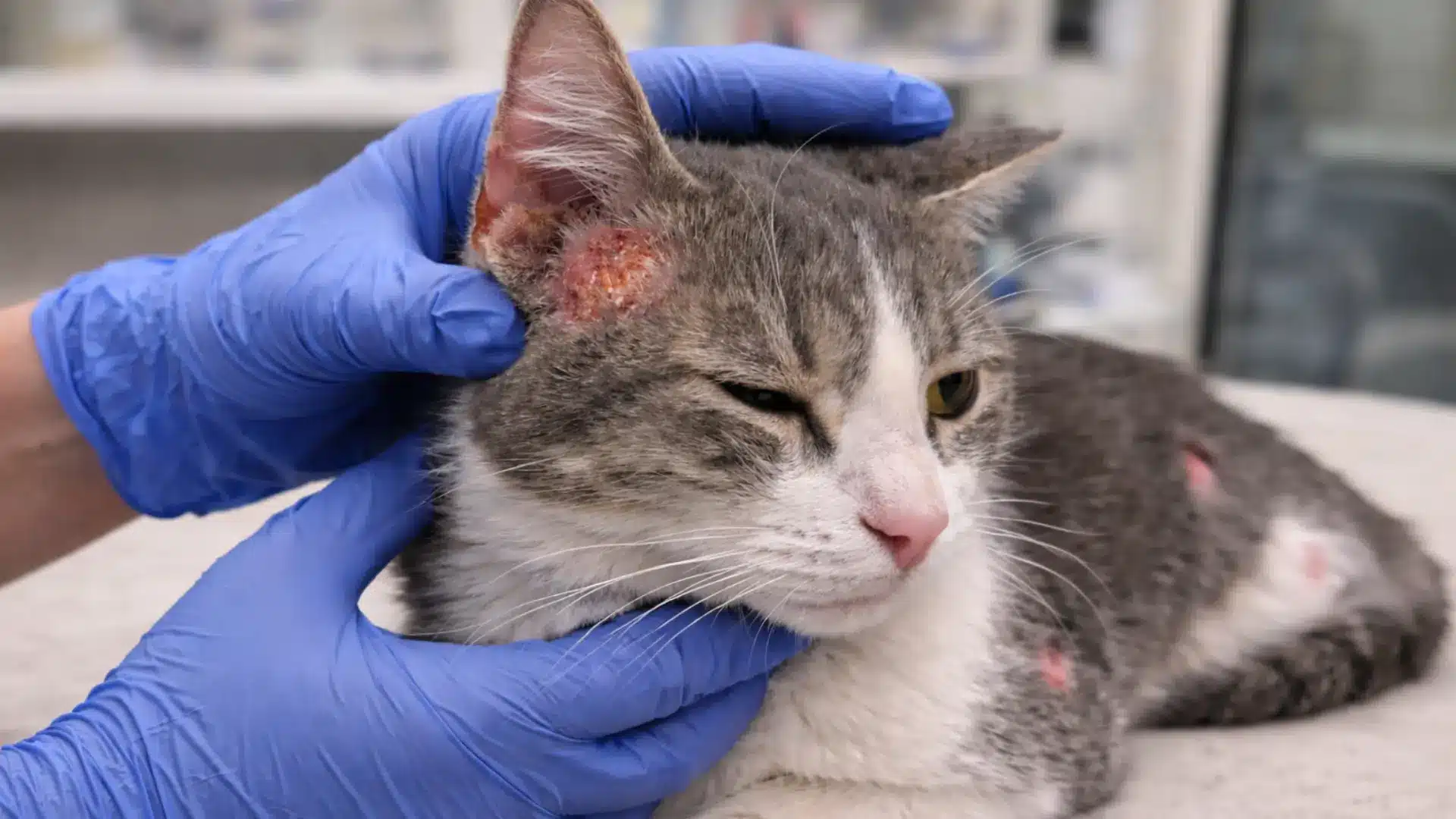
A little scratching is normal, but constant itching is definitely not. If your cat’s discomfort goes beyond mild grooming, it is time to call the vet.
Watch closely for warning signs like open sores that ooze, sudden facial swelling, or extreme tiredness. No improvement even after using strict flea prevention indicates caution.
Secondary infections are very common with cat allergies because constant scratching damages the skin, allowing bacteria or yeast to grow.
Bacteria can worsen the irritation and lead to painful, swollen areas that worsen quickly without antibiotics or antifungal treatment.
Early veterinary care prevents unnecessary suffering and prevents minor issues from becoming chronic problems.
How Vets Diagnose Cat Skin Allergies
Diagnosis begins with a full physical exam. Your vet will check for fleas, mites, ringworm, or infections using flea combing, skin scrapings, and microscopic testing.
If parasites are ruled out, a food elimination trial may follow. This usually lasts 8 to 12 weeks and involves a strict diet with hydrolyzed or novel proteins.
To make the visit more helpful, bring:
- Clear photos showing how the skin has changed over time
- A complete diet list, including treats and supplements
- A timeline of when symptoms started or worsened
You can also review the AVMA’s pet owner skin health resources before your appointment for additional background information.
Treatment Options for Cat Skin Allergies
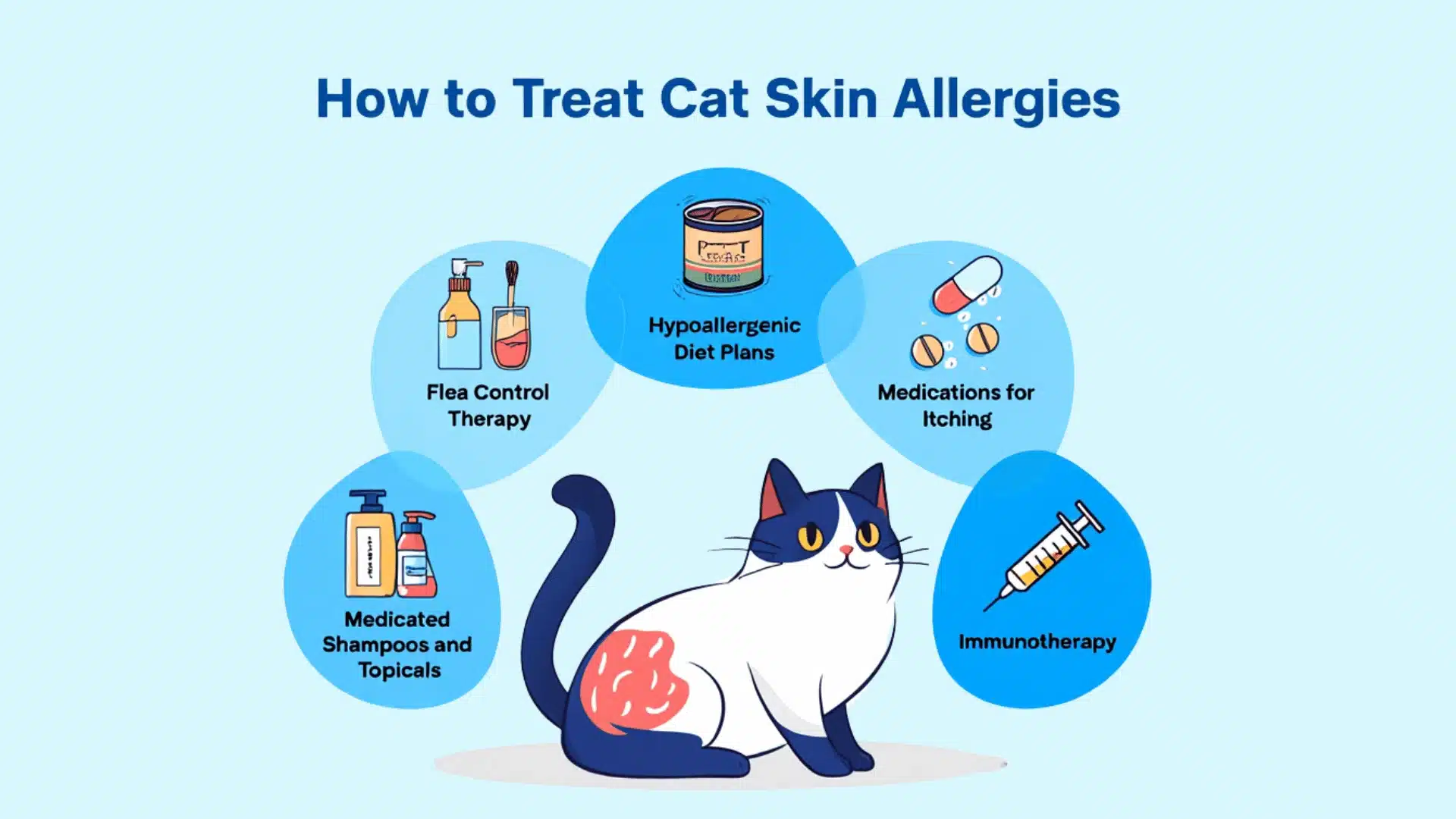
Effective treatments focus on removing the allergen, controlling symptoms, and preventing flare-ups, always under veterinary supervision to ensure safety.
1. Flea Control Therapy
Flea allergy is the most common trigger for cat skin allergies, so stopping fleas is often the first step.
Your vet will recommend prescription products such as selamectin (Revolution) or fipronil (Frontline Plus), which are applied monthly to kill fleas on contact and prevent bites.
These are safer and more effective than over-the-counter options. At home, wash bedding in hot water weekly, vacuum carpets and furniture daily, and use vet-approved sprays or foggers.
Ensuring a bacteria-free space for your cat is the key to avoiding skin allergies. Consistent treatment of all pets in the household breaks the flea cycle, bringing quick relief from itching.
Monitor for reinfestation, especially in warmer months, to keep your cat comfortable long-term.
2. Hypoallergenic Diet Plans
If food is causing your cat’s skin allergies, switching to a hypoallergenic diet can make a big difference.
Novel protein diets use uncommon ingredients like rabbit, venison, or duck that your cat has not encountered before, reducing the chance of reaction.
Hydrolyzed protein diets break proteins into tiny pieces that the immune system ignores, such as in prescription foods from Hill’s or Royal Canin.
It is advisable to start with an 8 to 12-week strict trial. Feed only the new diet, no treats, scraps, or flavored medications.
Track the symptoms daily, and if itching decreases, you have found the culprit. Work closely with your vet to transition slowly and avoid nutritional gaps.
3. Medications for Itching
Medications provide fast symptom relief for cat skin allergies while addressing the root cause.
Antihistamines like chlorpheniramine can ease mild itching but are most effective when combined with other treatments.
Corticosteroids such as prednisolone quickly reduce inflammation and itch, though used short-term to avoid side effects like increased thirst or weight gain.
Cyclosporine (Atopica) suppresses the immune response for long-term control with fewer risks, ideal for chronic cases.
Always follow the dosing your vet provided to monitor for side effects and taper off safely. These help your cat rest and heal without constant discomfort.
4. Medicated Shampoos and Topicals
Topical treatments soothe irritated skin and fight secondary infections common in cat skin allergies.
Soothing oatmeal baths, like those with colloidal oatmeal shampoos, calm itching and hydrate the skin barrier. Bathe your cat weekly in lukewarm water for 5-10 minutes, then rinse thoroughly.
Antibacterial solutions containing chlorhexidine or benzoyl peroxide target bacteria and yeast overgrowth, applied as sprays, wipes, or foams to affected areas.
These are gentle for regular use and help prevent sores from worsening. Introduce bathing gradually with treats to reduce stress, and dry your cat thoroughly to avoid chills.
5. Immunotherapy
For environmental cat skin allergies, immunotherapy offers a lasting solution by desensitizing the immune system.
Allergy shots involve injecting small, increasing doses of identified allergens (from testing) under the skin, typically every few weeks at first, then monthly.
This can reduce symptoms by 60 to 80% over time, with many cats needing less medication after 6 to 12 months. Long-term management includes monitoring progress and adjusting doses.
It is safe for most cats and avoids steroid side effects. Patience is key because results will only build gradually, but it helps your cat live itch-free without daily pills.
Tips to Prevent Cat Skin Allergies
Year-round protection from common triggers and routine care can greatly lower the chance of cat skin allergies developing or flaring up.
- Strictly Hypoallergenic Diet: Avoid treats and flavored medications.
- Routine Vet Visits: Regular check-ups catch early signs before they worsen.
- Frequent Home Cleaning: Vacuum often and wash bedding weekly to lower allergens.
- Gentle Grooming Routine: Brush weekly to remove loose fur and irritants.
- Reduce Stress: Provide enrichment and quiet spaces to support overall skin health.
- Limit Pollen Exposure: Keep windows closed during high-pollen days and reduce outdoor exposure.
Conclusion
Your cat’s comfort depends on understanding that allergies are manageable, not inevitable. While cat skin allergies can feel overwhelming, they are manageable with the right approach.
You now have a clear roadmap, from identifying triggers to implementing veterinarian-approved treatments that actually work.
Be it maintaining year-round flea prevention, following a strict elimination diet, or committing to immunotherapy, relief builds gradually but meaningfully.
Every cat responds differently, so working closely with your vet to adjust the approach ensures your feline gets personalized care that addresses their unique sensitivities.
Always remember that those bald patches and sleepless nights don’t have to be your cat’s norm.
With the right combination of prevention, treatment, and home care, you can restore their comfort and bring back that playful, relaxed companion you know and love.
Has your cat shown signs of skin allergies? Share your experience in the comments below, and let’s help each other out!