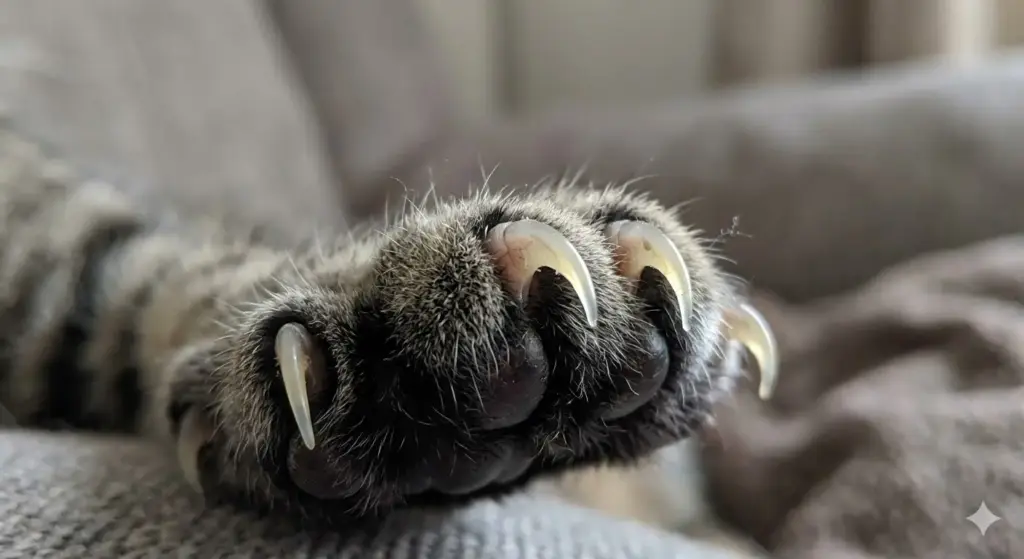
Scratched couches, torn curtains, and marked door frames can quickly turn frustration into one pressing question: can you declaw a cat?
Many cat owners consider this procedure after repeated damage to furniture or concerns about accidental scratches, especially in homes with children or elderly family members.
The idea may seem like a simple fix. However, declawing is far more complex than trimming nails, and the decision carries lasting consequences for a cat’s health and behavior.
Before making any decision, it is important to understand what declawing entails, how it affects a cat physically and emotionally, and if it is legal in certain areas.
This blog covers the procedure, pros and cons, expert recommendations, and practical alternatives to declawing a cat that vets suggest owners consider first.
Can You Declaw a Cat?
Yes, you can declaw a cat in some parts of the United States, but the practice is becoming significantly less common and more legally restricted each year.
While certain veterinary clinics still perform the procedure, many no longer offer it due to medical and ethical concerns.
In February 2020, Mars Veterinary Health, the largest owner of veterinary clinics in the US and Canada, announced that Banfield, VCA, and BluePearl would no longer offer elective declawing across their 2,000-plus clinics.
Declawing is not the same as trimming a cat’s nails. It is a surgical operation that removes the last bone of each toe.
Because of this, several states and cities have passed laws that ban or limit declawing unless it is medically necessary. Regulations vary by location, so check local laws before considering it.
It is a surgical operation known medically as an onychectomy, which involves the amputation of the last bone of each toe, including the nail bed.
Because the claw grows from that bone, removing the claw requires removing the bone segment entirely.
Several states have passed statewide bans, including New York (2019), Maryland (2022), Virginia (2024), Massachusetts (2025), Rhode Island (2025), and California (2025). Washington D.C. and cities such as Denver, Austin, Pittsburgh, Madison, and St. Louis also prohibit the practice.
Regulations vary significantly by location, so checking current local laws before considering the procedure is essential.
Anyone asking, “can I declaw my cat?” should understand that this is a permanent procedure.
If your cat is an outdoor cat, most veterinarians strongly advise against declawing regardless of other considerations, as claws are a primary tool for climbing, defense, and escape.
Good cat grooming and nail care routines can address most scratching concerns before the question of surgery ever arises.
What Does Declawing a Cat Involve?
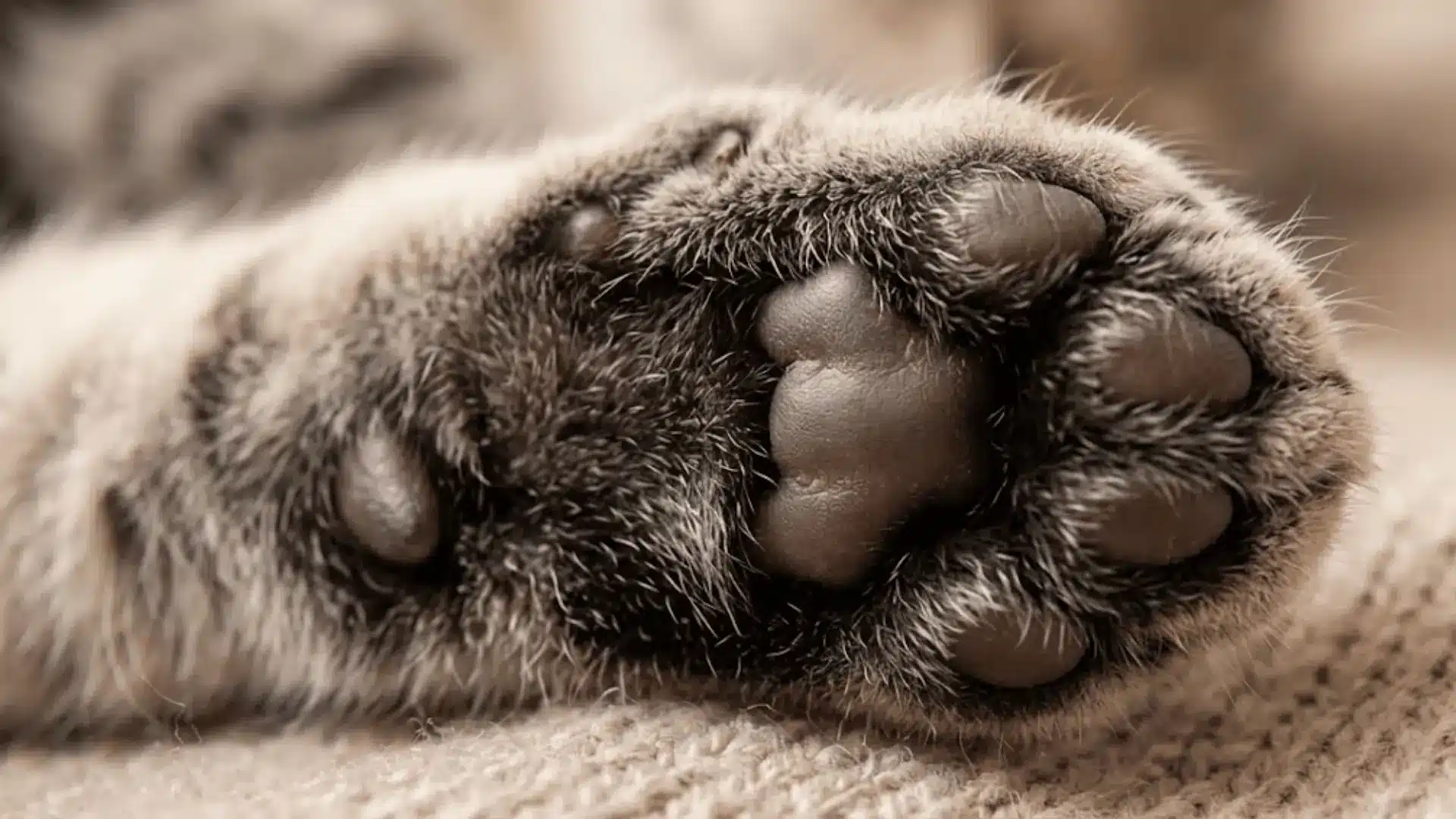
Declawing a cat is a surgical procedure performed by a licensed veterinarian. It is not simply the removal of a cat’s claws.
Instead, the operation removes the last bone of each toe, which is the part where the claw grows.
This is why veterinary experts and organizations more accurately describe the procedure as a partial digital amputation rather than a nail removal.
Because the claw is attached to the bone, removing the claw requires removing that small bone segment as well.
Veterinarians typically use one of three methods: a scalpel blade, a surgical clipper device, or a laser.
The cat is placed under general anesthesia during the procedure. Surgery usually takes less than an hour, but recovery can take several weeks.
Most cats stay at the clinic for one to two nights post-surgery.
During recovery, paper pellet litter is typically recommended to reduce the risk of particles entering the surgical sites, and the cat must be confined to prevent jumping for approximately 10 days.
In my clinical experience, post-operative pain management is one of the most critical and often underestimated parts of this procedure.
Cats are skilled at masking discomfort, which means pain may go unrecognized even when the cat appears to be behaving normally at home.
I always advise owners to administer prescribed pain medication for the full recommended duration, regardless of how the cat appears.
Can I Declaw My Cat at Any Age?

Declawing can technically be performed at different ages, but age plays an important role in risk and recovery.
Some veterinarians are more likely to perform the procedure on young kittens, often under six months of age, because their bones are softer and healing may occur more quickly.
The surgery is sometimes combined with a spay or neuter procedure to reduce the number of anesthetic events.
Some veterinarians are more likely to perform the procedure on young kittens because their bones are softer and healing may occur more quickly.
Even so, this does not mean the surgery is minor or without consequences.
Many veterinarians discourage declawing adult cats. As cats grow, bones become stronger and fully formed, which can make the procedure more invasive and recovery more uncomfortable.
Adult cats may also take longer to adjust after surgery and can develop behavior changes such as increased biting.
Older cats face greater surgical risks due to anesthesia and slower healing.
The belief that kittens simply “bounce back” without lasting effects is also misleading. Pain, mobility changes, and behavioral shifts can occur at any age.
Pros and Cons of Declawing a Cat
Declawing involves permanent physical changes. While some owners consider it for household safety or property protection, the health and behavioral consequences can be significant and long-lasting.
| Pros | Cons |
|---|---|
| May reduce furniture damage from scratching | Long-term pain or paw sensitivity |
| May lower risk of scratches in some homes | Risk of infection or surgical complications |
| Sometimes considered for rare medical reasons | Behavior changes, such as increased biting |
| May help protect individuals with serious health risks | Possible litter box avoidance due to paw discomfort |
| In rare cases, recommended by a veterinarian | Can affect natural movement and balance |
What Animal Welfare Organizations Say About Declawing?
The ASPCA, the American Veterinary Medical Association (AVMA), and the American Association of Feline Practitioners (AAFP) all discourage elective declawing.
Their guidance encourages pet owners to try behavioral training, nail trimming, and environmental adjustments before considering surgery.
Many animal welfare organizations oppose declawing because it removes part of the cat’s toe and can lead to pain, mobility changes, and behavioral issues.
They stress that scratching is normal feline behavior and should be managed, not eliminated through surgery.
Most professional guidelines allow declawing only when medically necessary, such as in cases of severe injury, infection, or tumors affecting the claw or nail bed.
Declawing is already considered an act of cruelty and is banned in at least 38 countries, including the United Kingdom, most of Europe, Australia, New Zealand, Japan, Brazil, and Israel.
How Declawing Affects a Cat’s Health and Behavior?
Declawing permanently changes the structure of a cat’s paws. Because the last bone of each toe is removed, weight distribution can shift when the cat walks or jumps.
Over time, this altered posture may place added strain on joints, especially in the legs and spine. Some cats develop ongoing paw sensitivity, which can affect normal activity levels.
Scratching is a natural instinct. Cats scratch to stretch muscles, mark territory, and maintain claw health. When this behavior is no longer possible, frustration can build.
Some cats respond by biting more often, avoiding the litter box due to paw discomfort, or showing signs of stress.
Research has found that declawed cats are more likely to house-soil outside the litter box, show increased biting behavior, and display signs of chronic stress compared to cats with intact claws.
In my practice, I have seen cats who were declawed years earlier still showing signs of paw sensitivity and reluctance to jump or use stairs.
The behavioral changes that owners sometimes attribute to personality are often rooted in unresolved physical discomfort.
When Might Declawing Be Considered?
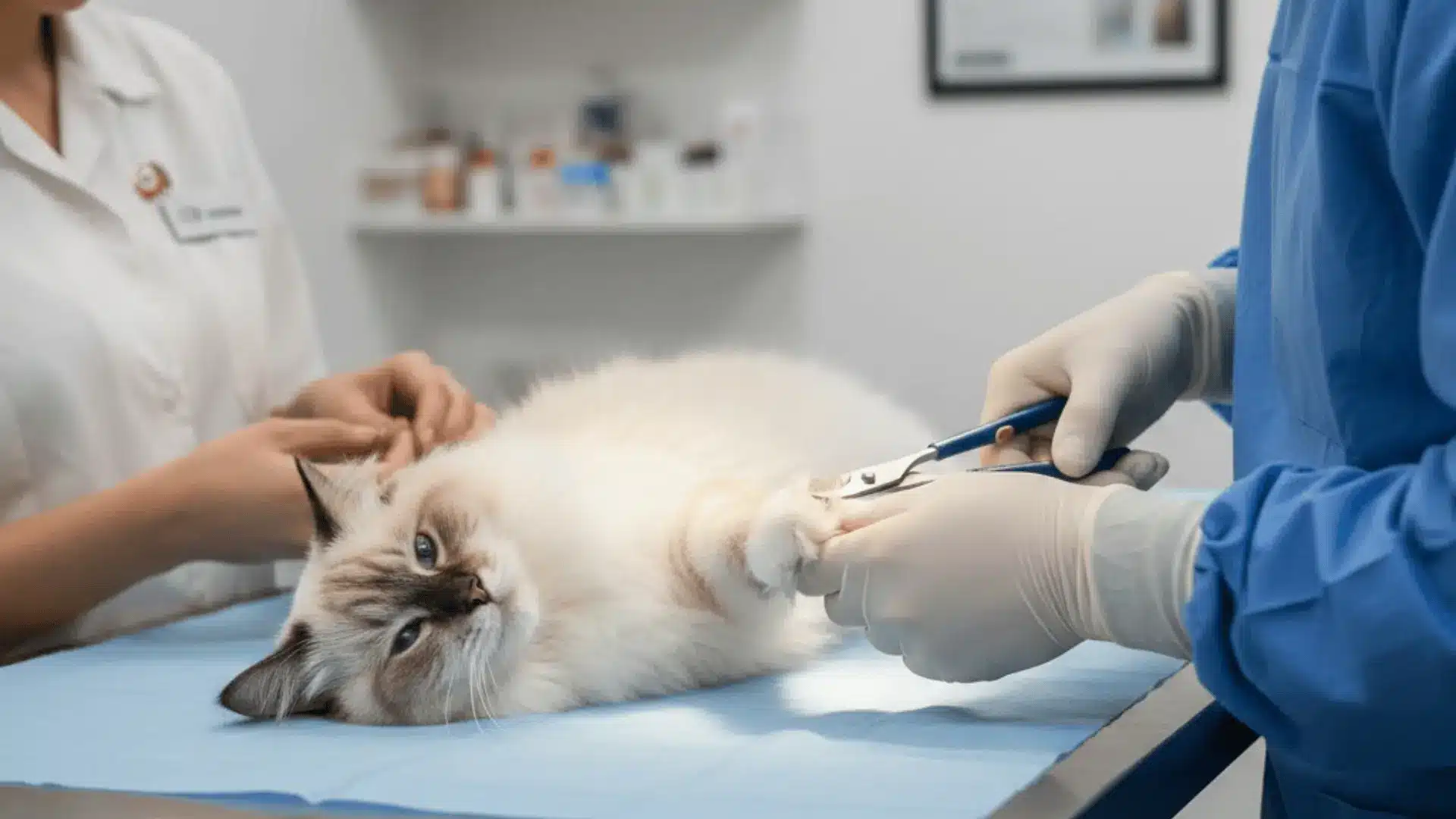
Declawing may be considered in rare medical situations, such as severe claw injuries, chronic infections resistant to treatment, tumors on the nail bed, or painful deformities.
In these cases, the procedure is performed to protect the cat’s health rather than to prevent damage from scratching.
In some households where a family member has a condition such as HIV, is undergoing chemotherapy, or has another severe immunocompromising illness, the risk of even minor scratches can be serious.
Even in these situations, most medical professionals and veterinarians advise trying regular nail trimming, nail caps, and behavioral management before considering surgery.
The risk to the cat must always be weighed carefully against the benefit to the owner.
Declawing is a permanent surgical procedure and should never be considered routine or a first-choice solution for scratching behavior.
Best Alternatives to Declawing a Cat
Before considering surgery, several practical options can help manage scratching behavior effectively.
In the vast majority of cases I have seen in clinic, consistent use of two or three of these strategies together eliminates the problem entirely without any need for surgical intervention.
1. Regular Nail Trimming
Trimming a cat’s nails every two to three weeks reduces sharpness and limits damage to furniture and skin. Many cats adjust well when trimming begins at a young age.
Having the right tools for your cat makes this process significantly easier and less stressful for both pet and owner.
2. Soft Nail Caps
Soft vinyl nail caps are placed over trimmed claws to blunt the scratching impact. They are temporary, painless when applied correctly, and typically replaced every four to six weeks.
Brands such as Soft Paws are widely available and can be applied at home after a brief learning curve.
3. Scratching Posts and Pads
Providing sturdy scratching posts, cardboard pads, or both vertical and horizontal surfaces encourages healthy scratching habits.
Posts covered in sisal rope tend to be more effective than carpet-covered options.
Placing posts near areas the cat already scratches and using catnip to attract them can speed up redirection.
4. Environmental Enrichment
Boredom and stress are common drivers of destructive scratching. Climbing trees, interactive toys, and window perches support natural behavior and reduce anxiety.
Enrichment activities that reduce boredom can make a measurable difference in how often and where a cat scratches.
5. Training and Redirection Techniques
Redirect scratching to approved surfaces using positive reinforcement. Reward the cat with treats or praise each time it uses a scratching post.
Consistency matters more than frequency when building new habits.
6. Furniture Protection Strategies
Use protective covers, pet-safe double-sided tape, or reposition furniture temporarily to discourage repeated scratching on specific surfaces.
Deterrent sprays formulated for cats can also be effective when applied to furniture edges.
Conclusion
A scratched sofa can be replaced. A cat’s paws cannot. That simple truth puts the question, can you declaw a cat, into proper perspective.
While the procedure is still performed in some areas, it involves removing part of each toe and can affect long-term comfort, movement, and behavior.
The growing legislative trend across the US and the withdrawal of major clinic networks from the practice reflect a professional and ethical shift that is unlikely to reverse.
Many veterinary and animal welfare groups discourage elective declawing and recommend safer options first.
Nail trimming, scratching posts, training, and protective strategies often solve the problem without surgery. Understanding both the risks and the available alternatives allows cat owners to make responsible, informed choices.
In rare medical cases, a licensed veterinarian may advise the procedure, but it should never be the first step. Thoughtful consideration matters.
What are your thoughts on declawing? Share your experience or questions in the comments below.