



Fresh vegetables are a big part of a healthy rabbit diet, but not every leafy green is as harmless as it looks.
Many rabbit owners standing in the produce aisle find themselves asking one simple question: can rabbits eat cabbage?
It seems like an easy, affordable option, yet rabbits have delicate digestive systems that react differently to certain vegetables.
Feeding the wrong amount or introducing it too quickly can lead to discomfort. Understanding how cabbage affects a rabbit’s body helps prevent common feeding mistakes.
This Blog post explains whether cabbage is safe, how much to offer, which varieties are gentler on the stomach, and what signs to watch for after feeding it.
What Makes Cabbage a Common Choice for Rabbits?
Cabbage is a popular veggie for rabbits because it is healthy and easy to find.
Many owners choose it because it is rich in essential nutrients. It is full of vitamin K and vitamin C, which help keep your bunny’s immune system strong.
This leafy green is also great for digestion. It has a lot of fiber, which keeps a rabbit’s tummy working the right way.
The crunchy texture is another big plus. Since rabbit teeth never stop growing, chewing on crisp cabbage leaves helps wear them down naturally.
Cabbage also has a high water content, which helps keep your pet hydrated. Because it is low in sugar, it is a better snack option than fruit.
Can Rabbits Eat Cabbage?
Yes Rabbits can eat cabbage, but it should only be offered in small amounts and not as a daily food. Cabbage contains helpful nutrients like vitamin K and vitamin C, which support overall health.
However, it also belongs to the Brassica family, which can produce gas during digestion.
Because rabbits cannot easily release gas, eating too much cabbage may lead to bloating or stomach discomfort.
Introduce cabbage slowly and serve a small portion at first. After feeding, watch for changes such as soft stools, reduced appetite, or unusual behavior.
If digestive problems appear, remove cabbage from the diet. Offer it occasionally while keeping hay as the main food source.
Types of Cabbage That are Safe for Rabbits
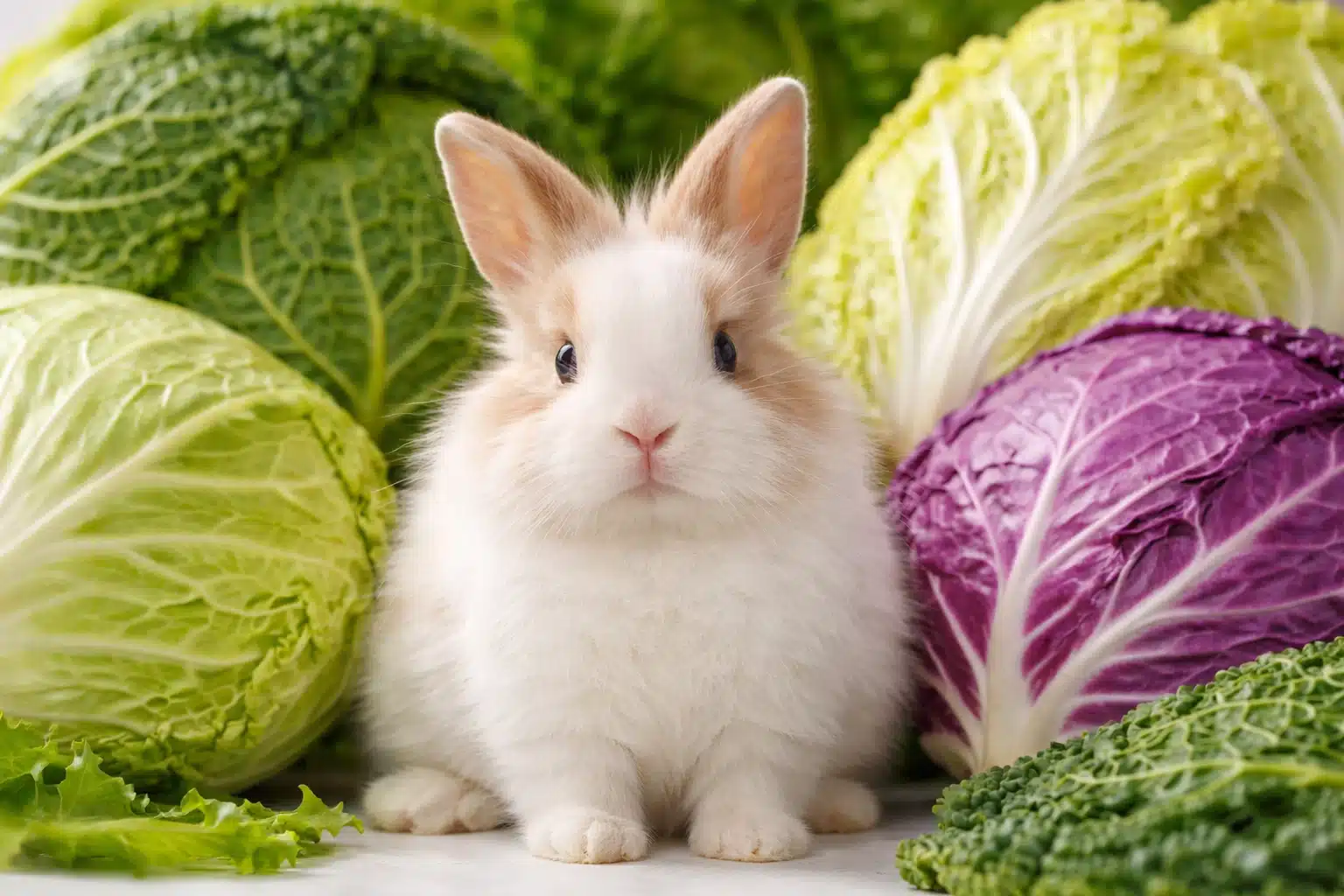
Not all cabbage varieties carry the same level of risk. Here is a breakdown of the most common types available in grocery stores and how each one works for rabbits.
- Green Cabbage: The most commonly purchased variety in American households; safe for rabbits in small portions, but higher sulfur compounds necessitate portion control for digestive health.
- Red (Purple) Cabbage: Offers higher antioxidant levels due to anthocyanins; safe for rabbits but slightly harder to digest, making it a better option for occasional feeding rather than a staple.
- Savoy Cabbage: Features softer, crinkly leaves that are easier on rabbits’ stomachs; ideal for introducing cabbage to rabbits for the first time.
- Napa (Chinese) Cabbage: Lighter and milder in flavor; safe for rabbits with a lower risk of gas production, making it a gentle introduction to the Brassica family.
Cabbage Forms That are Unsafe for Rabbits
Cooking cabbage significantly reduces its fiber content, which can lead to gastrointestinal issues in rabbits, including stasis, bloating, and diarrhea.
Pickled cabbage and sauerkraut are particularly unsuitable due to their high salt levels, vinegar, and preservatives, which can cause health problems for rabbits.
To maintain their digestive health, it’s crucial to offer only fresh, raw cabbage. This preserves essential nutrients and fiber, promoting healthy digestion and overall well-being.
Providing untreated cabbage helps ensure their digestive systems function properly, avoiding the risks associated with cooked or processed cabbage.
How Much Cabbage Should You Feed a Rabbit?
When introducing cabbage to your rabbit’s diet for the first time, it’s essential to start with tiny portions.
A good guideline is to offer 1–2 small leaves per feeding, and do this only a few times a week.
Gradually introduce cabbage over several days to monitor your rabbit’s reaction; if there are no signs of discomfort, you can occasionally continue to include it.
Cabbage should not be the central part of your rabbit’s diet. Always pair it with hay and a variety of leafy greens for balanced nutrition.
If you notice any digestive issues, reduce the amount of cabbage or stop feeding it altogether to maintain your rabbit’s health.
Benefits of Rabbit Eating Cabbage
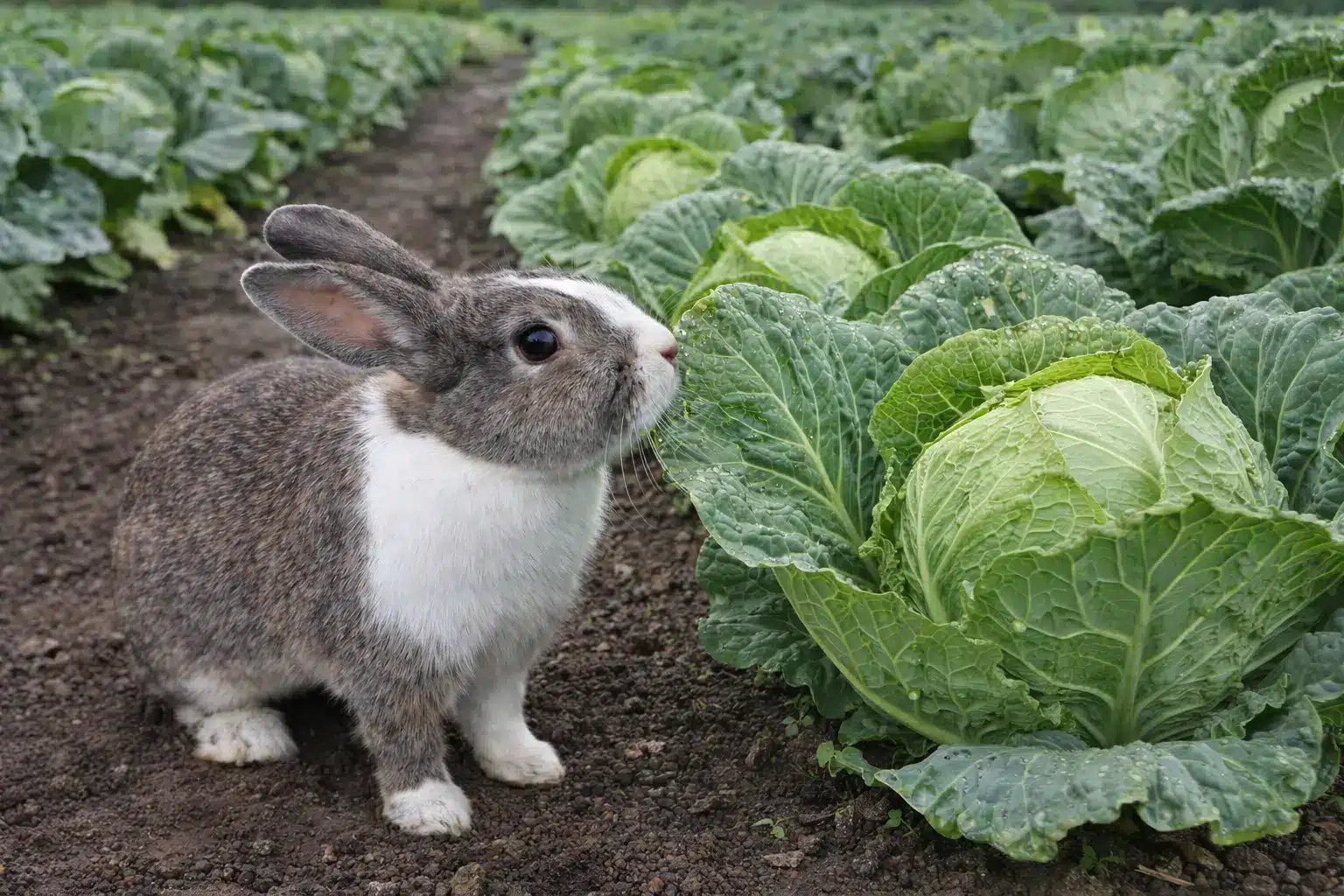
Cabbage can provide several nutritional benefits for rabbits when included in their diet in moderation. Here are some key points highlighting its advantages:
1. Fiber Support
Cabbage is highly beneficial for rabbits, providing essential fiber that supports digestive movement and maintains healthy gut function.
The high fiber content in cabbage promotes regular bowel movements and helps prevent gastrointestinal issues such as bloating and constipation.
Also, it helps nourish the gut microbiome, which is vital to rabbits’ overall health.
Cabbage is not only a tasty addition to a rabbit’s diet but also enhances hydration and provides essential vitamins, ensuring they thrive through balanced nutrition.
2. Nutrient Rich
Cabbage is a nutrient-dense addition to a rabbit’s diet, providing essential vitamins and minerals that support their overall health.
It complements a balanced rotation of leafy greens by providing fiber that aids digestion and helps prevent gastrointestinal issues.
The vitamins found in cabbage, such as vitamin C and K, help boost the immune system and promote healthy bone development.
Additionally, the crunchy texture can keep rabbits engaged and satisfied, helping them enjoy their meals while getting the nutrients they need for optimal well-being.
3. Hydration
Cabbage is not only a delicious treat for rabbits but also offers significant hydration benefits due to its high water content.
When rabbits consume cabbage, they receive essential moisture that helps maintain their overall health and well-being.
Staying hydrated is crucial for promoting healthy digestion and supporting bodily functions.
Cabbage’s crunchy texture promotes chewing, benefiting rabbits’ dental health. Adding cabbage to their diet helps keep them hydrated and satisfied.
4. Dental Support
Cabbage leaves have a firm, crisp texture that encourages natural chewing.
Rabbits’ teeth grow continuously throughout their lives, so regular chewing helps prevent overgrowth and dental problems.
While hay remains the most important food for wearing down teeth, crunchy vegetables like cabbage can provide extra chewing activity.
This supports proper tooth alignment and reduces the risk of sharp points forming on the molars. Offering cabbage in small portions alongside a hay-based diet helps promote both digestive and dental health.
Risks to Consider Before Giving Cabbage to Rabbits
When considering cabbage as part of a rabbit’s diet, it’s important to be aware of potential risks. Here are the key points to keep in mind:
- Moderation is Key: Feeding cabbage in moderation is essential to minimize health risks for pets.
- Avoiding Discomfort: Overindulging in cabbage can lead to gas and bloating, which can cause discomfort for the rabbit.
- Gradual Introduction: A sudden introduction of cabbage into a rabbit’s diet may result in soft stools or diarrhea.
- Gut Health Impact: Brassica vegetables, including cabbage, contain fermentable sugars that may stress a rabbit’s sensitive digestive system.
- Observational Evidence: Many pet owners have observed their rabbits becoming uncomfortable after consuming cabbage.
- Dietary Balance: To promote a healthy diet, balance cabbage with other greens and introduce new foods gradually to avoid digestive distress.
Signs Your Rabbit is Not Tolerating Cabbage
After feeding your rabbit cabbage, be vigilant for signs of digestive upset.
May include gas or bloating, unusual behavior such as lethargy or discomfort, runny or soft stools, and a reducedappetite.
Rabbits are known to hide their discomfort, so even subtle changes in their behavior can be significant.
If your pet shows symptoms after eating cabbage, remove it from their diet temporarily and monitor for improvement.
Should the issues persist, it’s advisable to consult your veterinarian to rule out any underlying health problems unrelated to their diet.
Paying attention to these indicators is crucial for your rabbit’s overall health and well-being.
Feeding Cabbage to Your Rabbit: Safe Practices
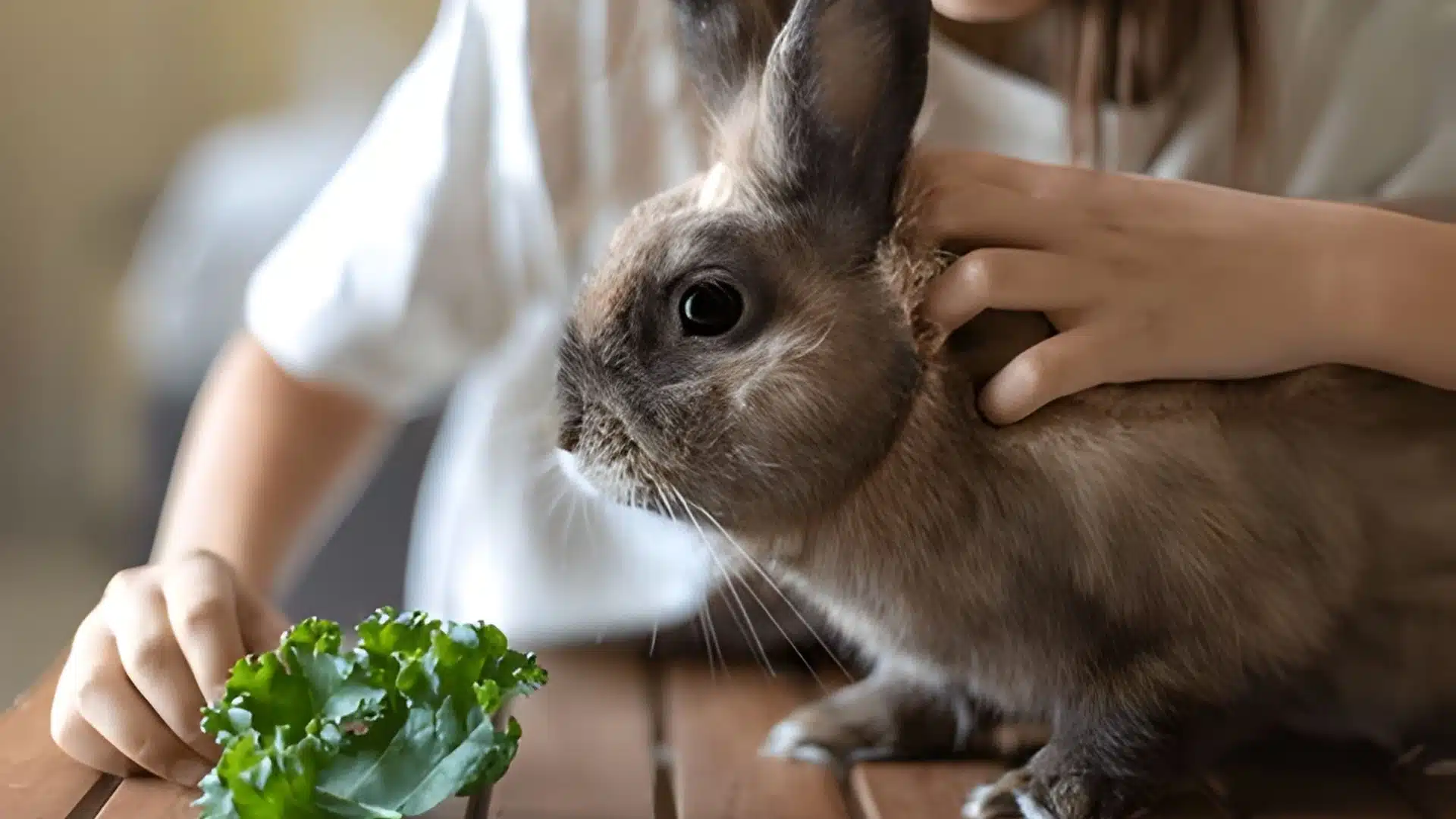
Feeding cabbage to your rabbit can be a healthy addition to their diet. Follow these guidelines to ensure it’s safe and beneficial for your furry friend.
- Wash Thoroughly: Clean cabbage well to eliminate pesticides and ensure it’s safe for your rabbit.
- Introduce Slowly: Start feeding cabbage in small amounts to help your rabbit adjust without digestive upset.
- Observe Reactions: Monitor your rabbit’s behavior and health after introducing cabbage to ensure they tolerate it well.
- Serve Fresh: Offer cabbage in its raw, fresh state, avoiding any wilted or moldy pieces that may pose health risks.
- Pair with Leafy Greens: Combine cabbage with greens like romaine lettuce or cilantro to help minimize potential digestive problems.
Healthy Alternatives to Cabbage for Rabbits
If cabbage seems too risky or your rabbit doesn’t enjoy it, consider rotating other vegetables such as romainelettuce, kale in limited amounts, cilantro, dill, and basil.
These leafy greens provide essential fiber and nutrients while typically causing less gas than cabbage.
It’s beneficial to change up the veggies regularly to prevent boredom and ensure balanced nutrition for your rabbit.
Always introduce new vegetables slowly, one at a time, and carefully monitor your rabbit for any digestive changes.
This gradual approach allows you to assess if a specific vegetable is suitable and well-tolerated, helping maintain your rabbit’s health and happiness.
A varied diet can significantly enhance their well-being.
Conclusion
Cabbage can be included in a rabbit’s diet when it is offered carefully and in small portions. The key is understanding how your rabbit responds after trying it.
Some rabbits tolerate it well, while others may show signs of gas or soft stools.
Paying attention to portion size, introducing it slowly, and keeping hay as the foundation of the diet helps reduce digestive problems.
If you ever feel unsure, a quick discussion with a veterinarian can provide extra reassurance. Every rabbit has slightly different sensitivities, so observation matters.
Now that you understand whether rabbits can safely eat cabbage, take a thoughtful approach before adding it to the bowl.
If you have tried feeding cabbage to your rabbit, share your experience in the comment section below.
Frequently Asked Questions
Can Baby Rabbits Eat Cabbage?
Young rabbits should not eat cabbage until they have fully transitioned to an adult diet that includes a diverse variety of leafy greens for optimal health.
Is Red Cabbage Different from Green?
Both red and green cabbage offer health benefits, but red cabbage stands out for its higher antioxidant content.
Can Rabbits Eat Cabbage Cores?
It’s important to prioritize feeding the leafy parts first, cutting them into smaller pieces to help your pet consume them more easily and efficiently.