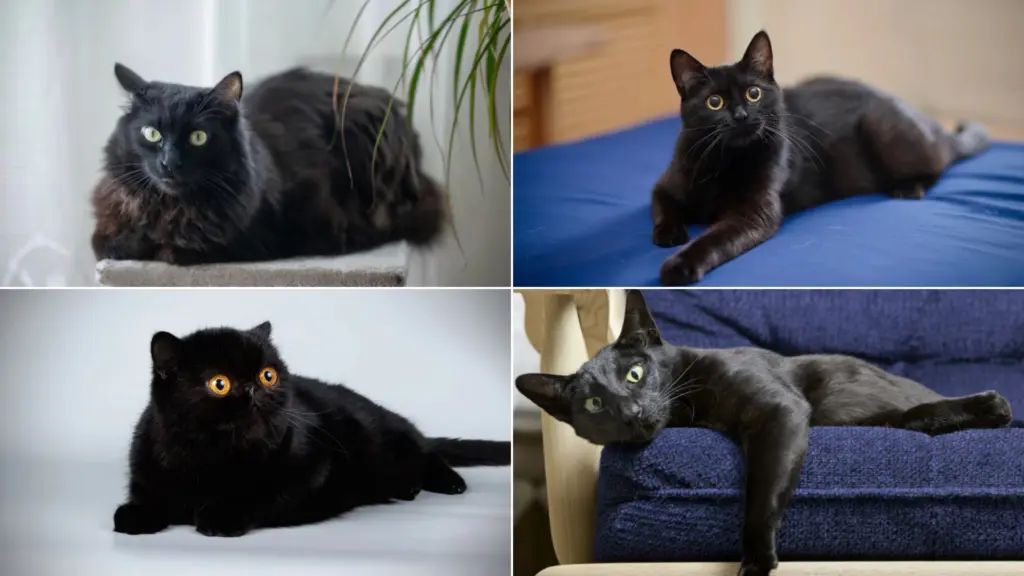
Black cats have always held a certain presence that is hard to ignore, whether they are resting in a quiet home or moving through dense forest under low light.
Their dark coats and sharp eyes create a look that feels intense yet elegant at the same time.
This deep color is not random, as it often comes from a genetic trait known as melanism, which increases the amount of dark pigment in the fur.
When you hear the phrase big black cat, you might imagine a powerful wild feline, but the same genetic story can appear in domestic breeds as well.
In this blog, you will learn how melanism works, why it appears in certain cats, and get to know about different black cat breeds that showcase this striking coat color.
What Do You Mean by Melanism in Cats?
Melanism is a genetic trait that causes a cat to produce more dark pigment than usual, which gives the fur a deep black color.
This happens because the body creates extra melanin, the same pigment that affects skin and hair color in many animals.
When melanin levels rise beyond the normal range, the coat appears fully black instead of showing lighter shades or patterns.
A normal dark coat may look very deep in color, but it still follows standard pigmentation levels, while melanism changes the genetic coding that controls pigment production.
This trait is passed from parents to kittens through specific genes, and both must carry the variation for it to appear strongly.
Melanism shows up in wild cats and domestic breeds because the same genetic mechanisms exist across feline species, allowing this dark coat to develop in different environments.
Big Black Cat Breeds That Stand Out
From fluffy giants to sleek short-haired companions, each big black cat breed on this list carries a bold look shaped by deep, rich coat color.
1. Bombay
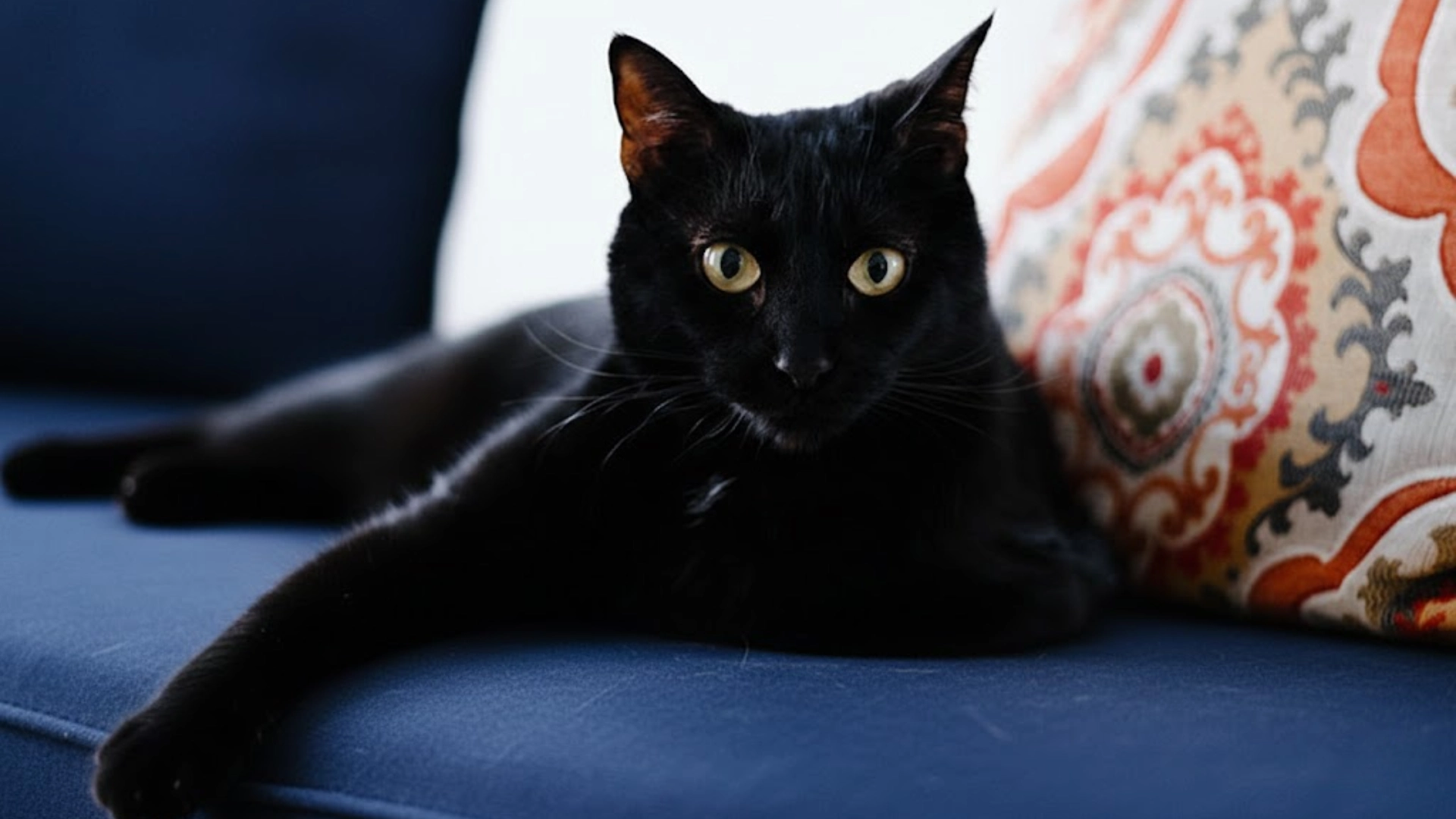
The Bombay is the most recognized all-black cat breed and was developed in the 1950s by crossing a Burmese with an American Shorthair.
The goal was to create a domestic cat that looked like a small black panther, and the result matched that vision closely.
The coat is short, smooth, and jet black from root to tip, with no visible markings. Their copper or golden eyes stand out sharply against the dark fur.
2. Siberian
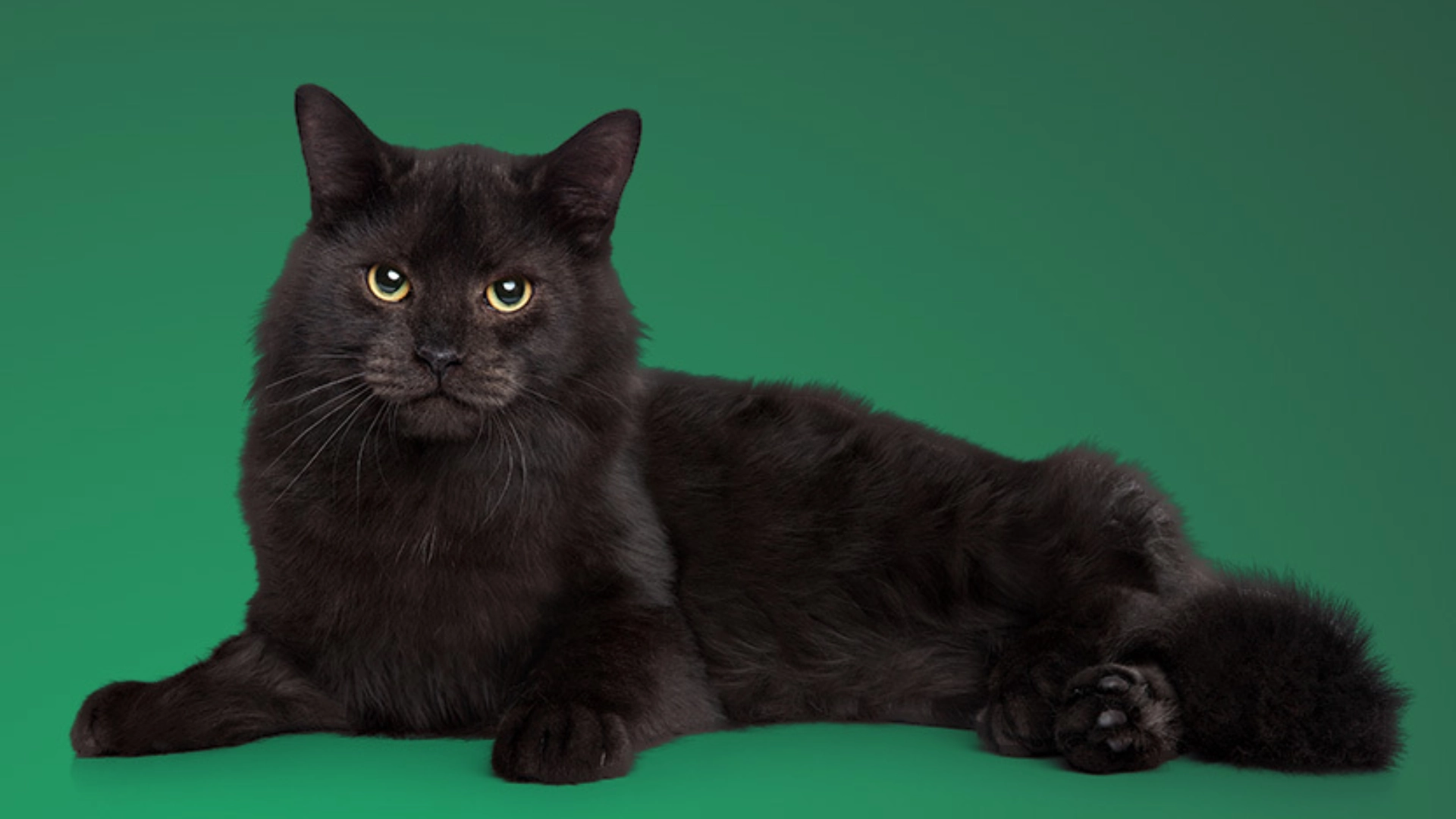
The Siberian is a large and powerful breed that comes from Russia, where it developed a thick triple-layer coat to survive harsh winters.
A black Siberian looks striking because the heavy coat adds depth and texture to the dark color. While black is not the most common shade in this breed, it is fully recognized and admired.
The fur feels dense yet soft, and it requires regular brushing to prevent tangles. Siberians are active and intelligent, often enjoying climbing and interactive play.
3. Maine Coon
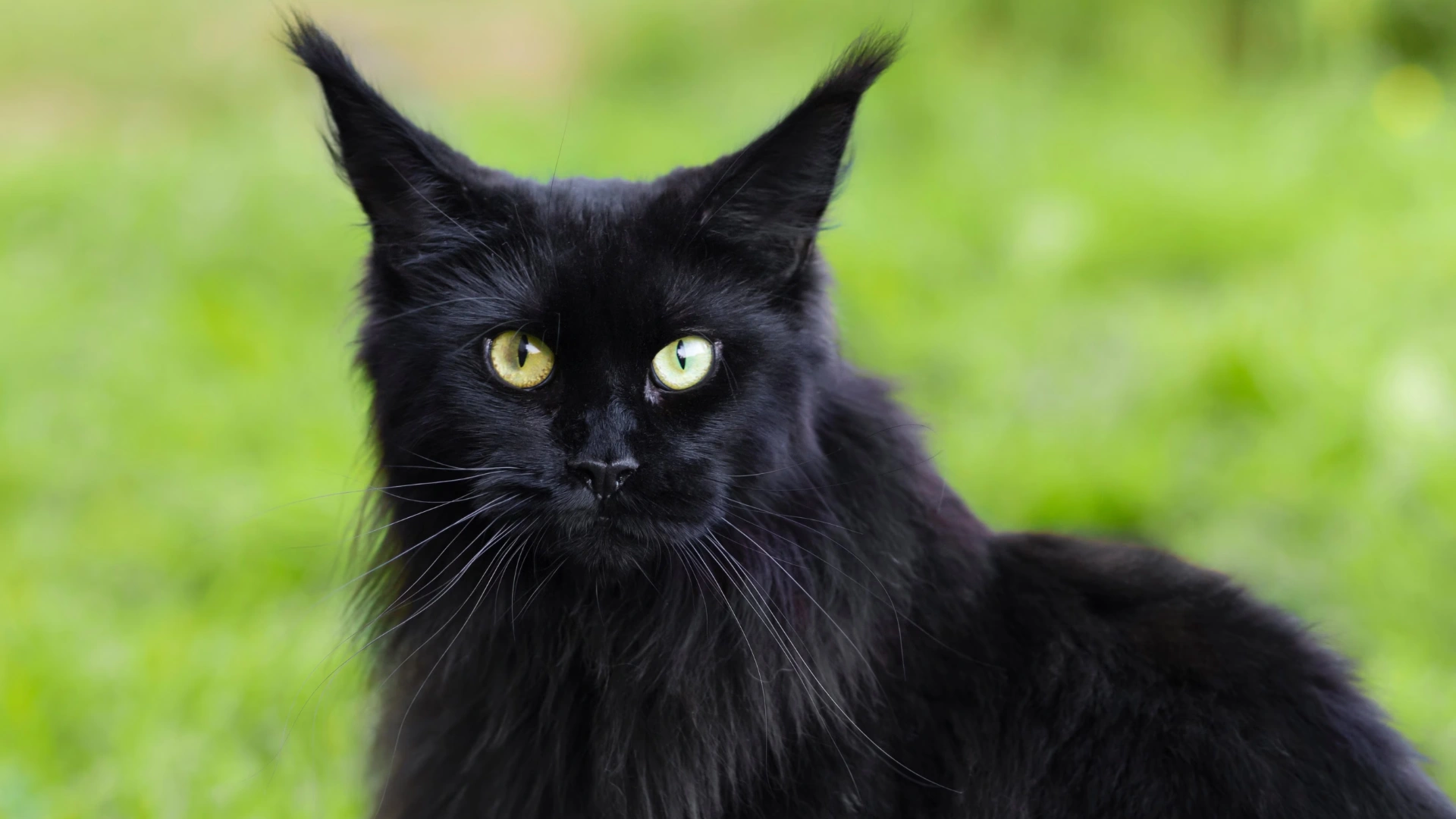
The Maine Coon is one of the largest domestic cat breeds and is known for its impressive size and long, flowing coat.
In black, the breed looks bold and elegant, especially with its bushy tail and tufted ears. The dark coat can appear slightly lighter in bright sunlight, sometimes showing a faint sheen.
Maine Coons have large paws and a sturdy frame, which adds to their commanding presence. Despite their size, they are gentle and social.
4. Persian
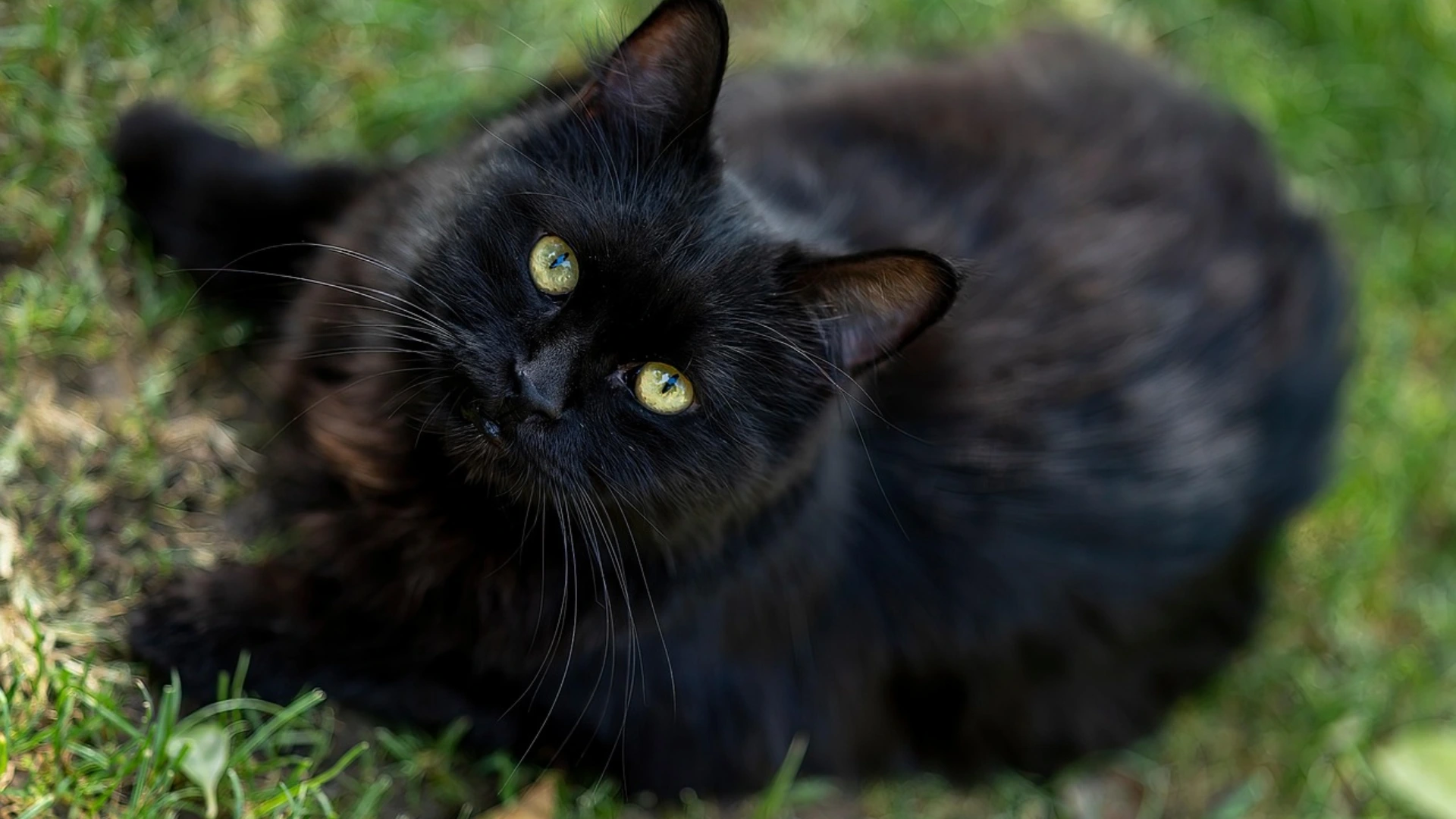
The Persian is famous for its long coat and distinct flat face. When the coat is solid black, it creates a dramatic and refined look, especially when paired with copper or green eyes.
The fur is thick and requires daily grooming to keep it smooth and free from knots. Persians are calm and prefer a peaceful indoor setting.
Black has always been one of the classic colors in the Persian breed, and it remains popular among those who like a bold yet elegant appearance.
5. British Shorthair
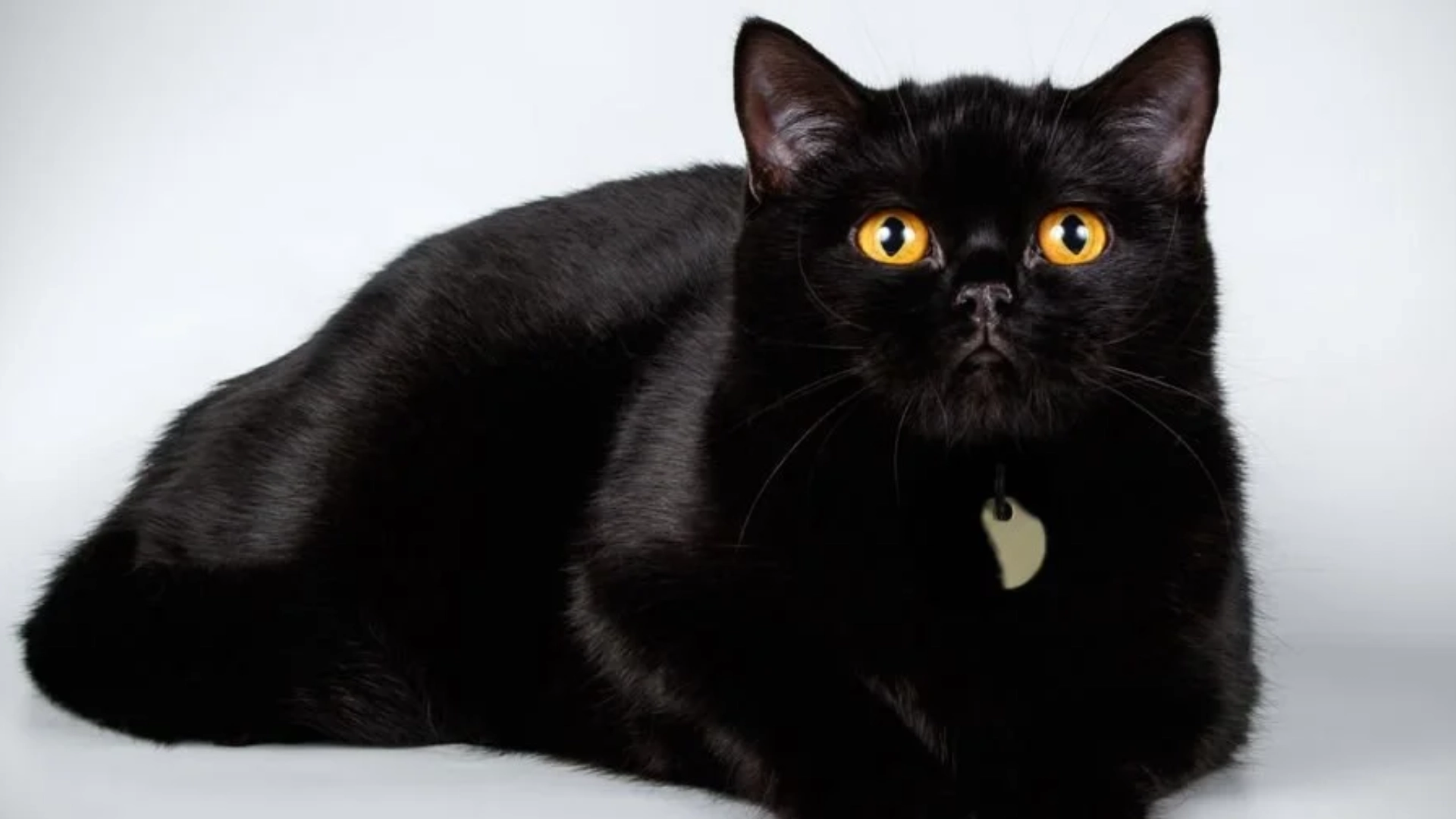
The British Shorthair is a solid and well-built cat with a round face and dense coat. In black, the fur appears even and rich, giving the cat a plush and polished look.
The coat feels soft but thick, and it requires less grooming than that of long-haired breeds. British Shorthairs are calm and steady in temperament.
They enjoy companionship but do not constantly seek attention. This breed adapts well to apartment living and quiet households.
6. American Shorthair
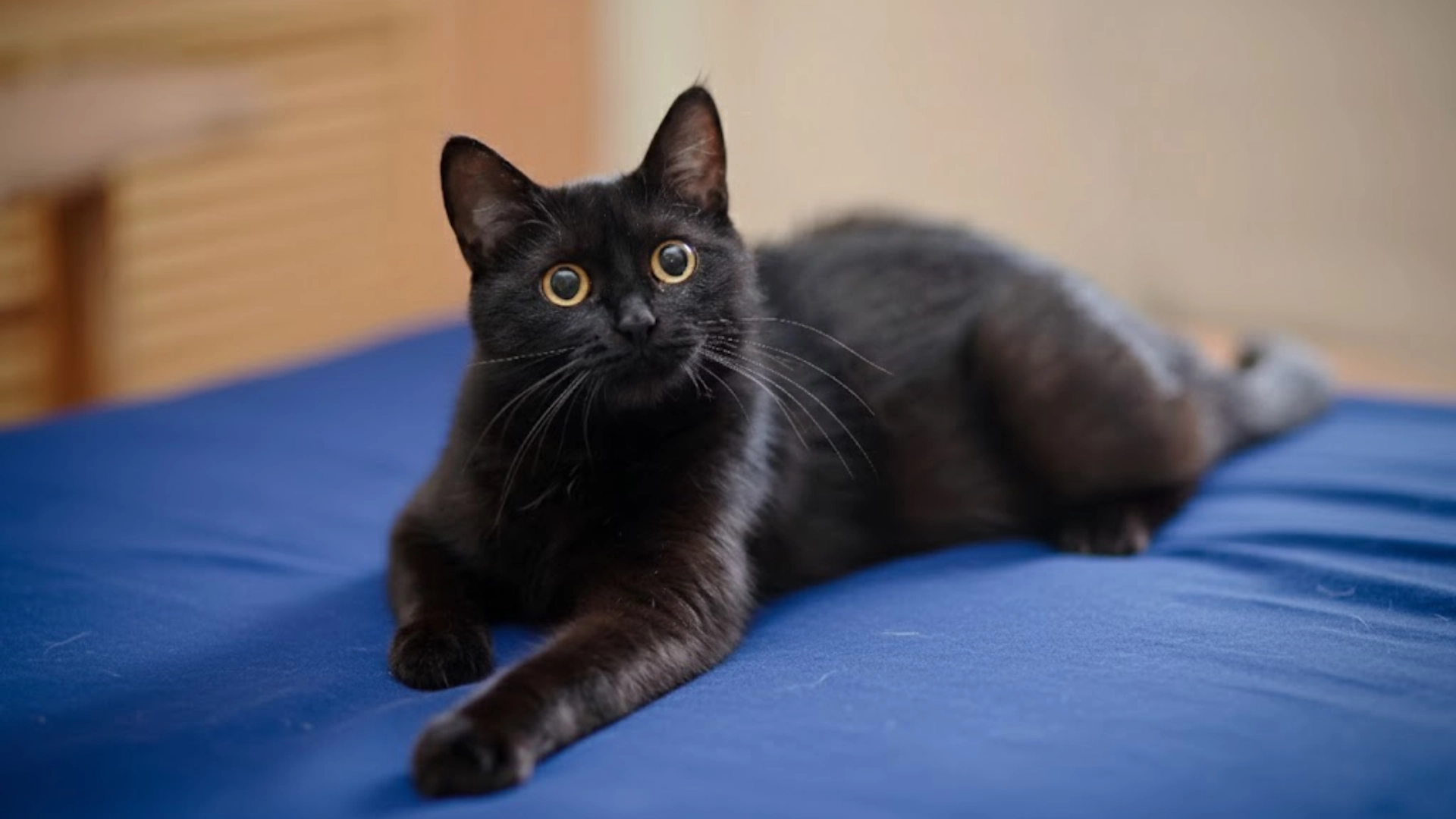
The American Shorthair is valued for its balanced body, good health, and adaptable nature.
A black American Shorthair has a sleek and glossy coat that reflects light slightly, giving it a clean and smooth appearance. The breed has a medium build and a relaxed personality.
It tends to get along well with children and other pets when socialized early. While they enjoy human company, they are also independent enough to spend time alone.
7. Scottish Fold
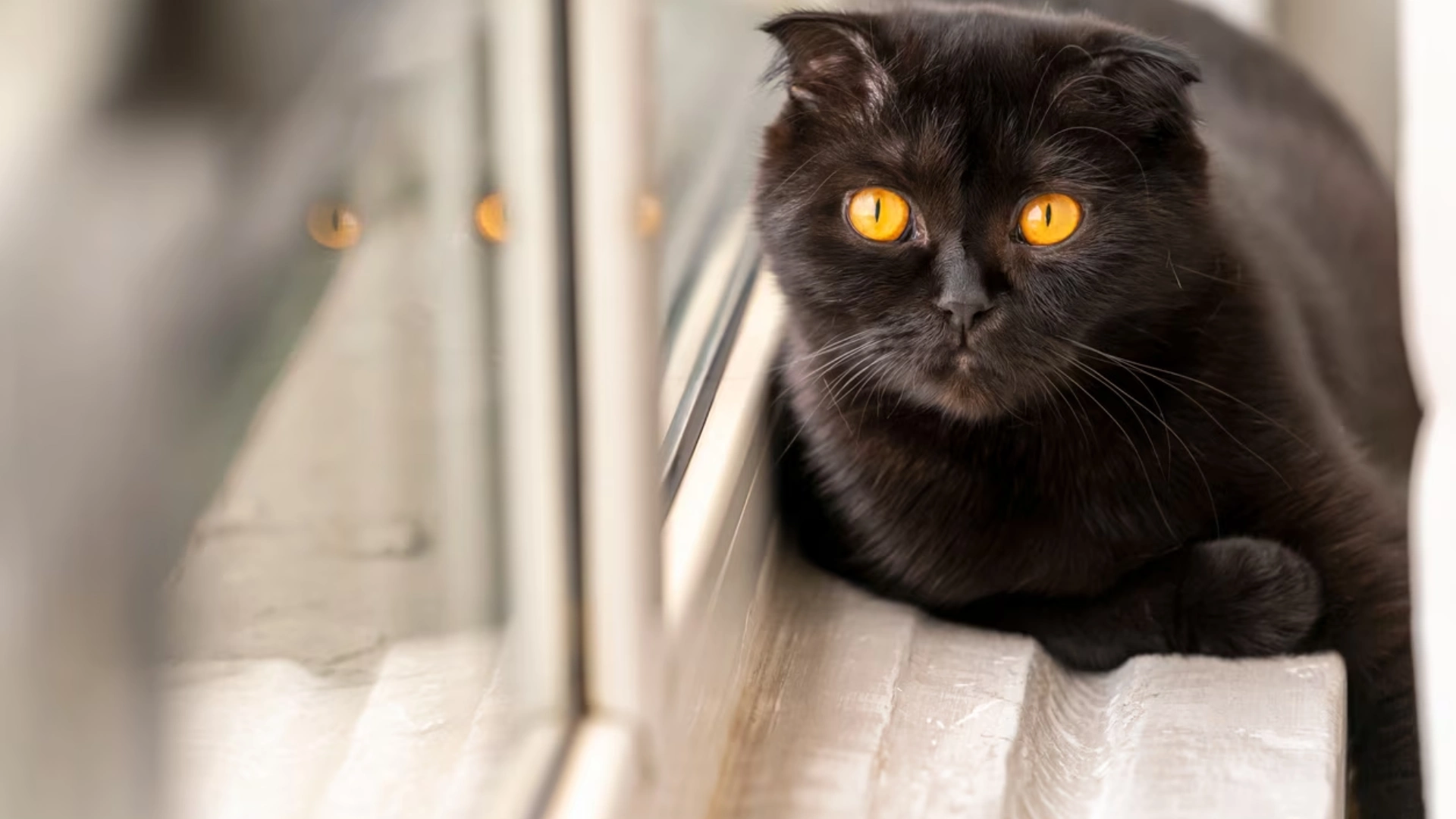
The Scottish Fold is known for its unique folded ears, which give the head a rounded and distinctive shape. When combined with a solid black coat, the overall look becomes even more striking.
The dark fur makes the large, round eyes stand out clearly. Black is not the most common color in this breed, which can make it more sought after.
Scottish Folds are gentle and easygoing by nature. They adapt well to different living spaces and are often described as sweet and quiet companions.
8. Ragamuffin
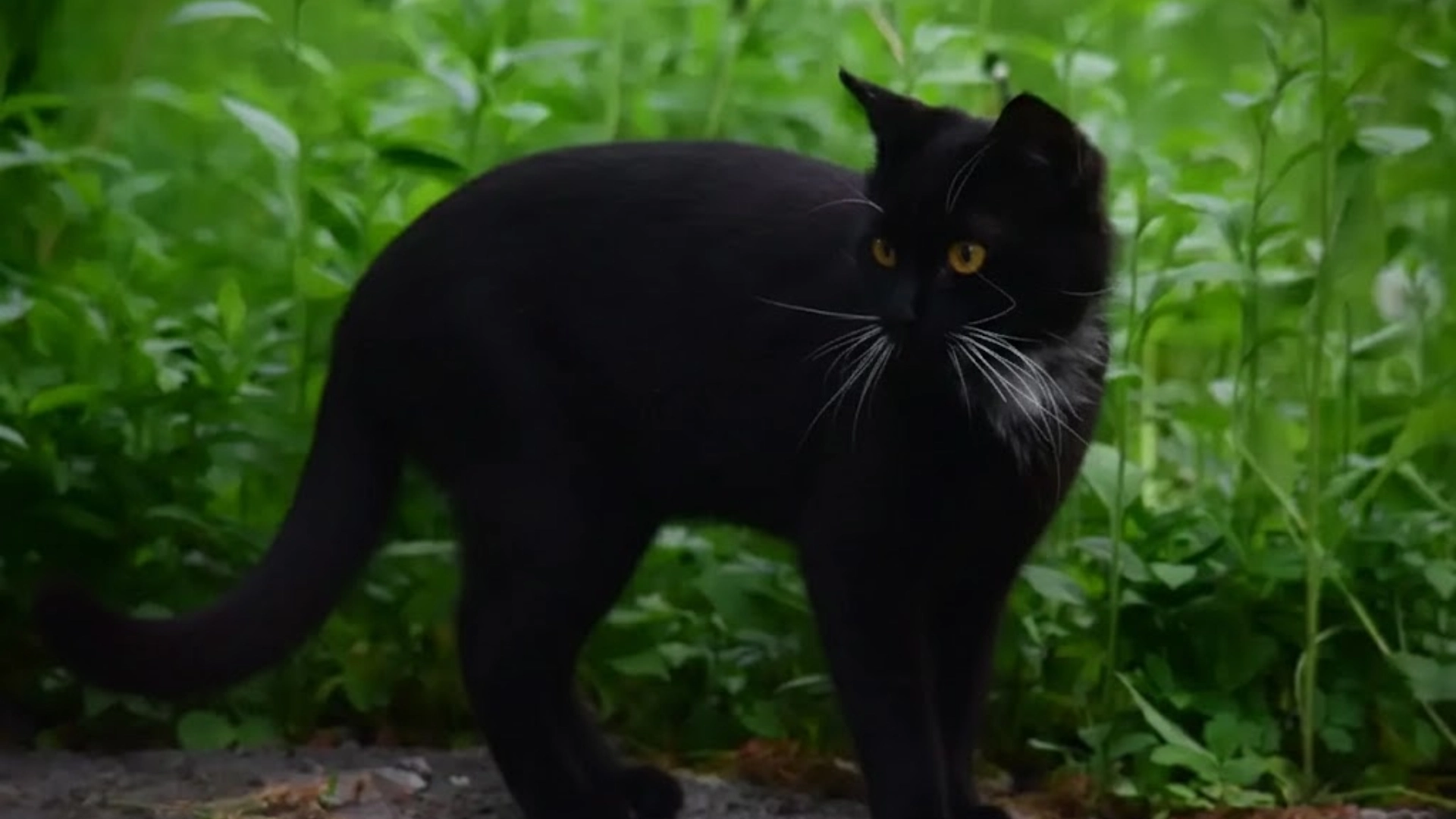
The Ragamuffin is a large and fluffy breed known for its calm and affectionate nature. It shares close roots with the Ragdoll and has a similar relaxed personality.
A black Ragamuffin has a thick and soft coat that feels smooth and plush to the touch. The dark color gives this gentle giant a bold appearance while keeping its sweet expression.
These cats enjoy being held and often relax completely in your arms. They usually get along well with children and other pets.
9. Norwegian Forest Cat
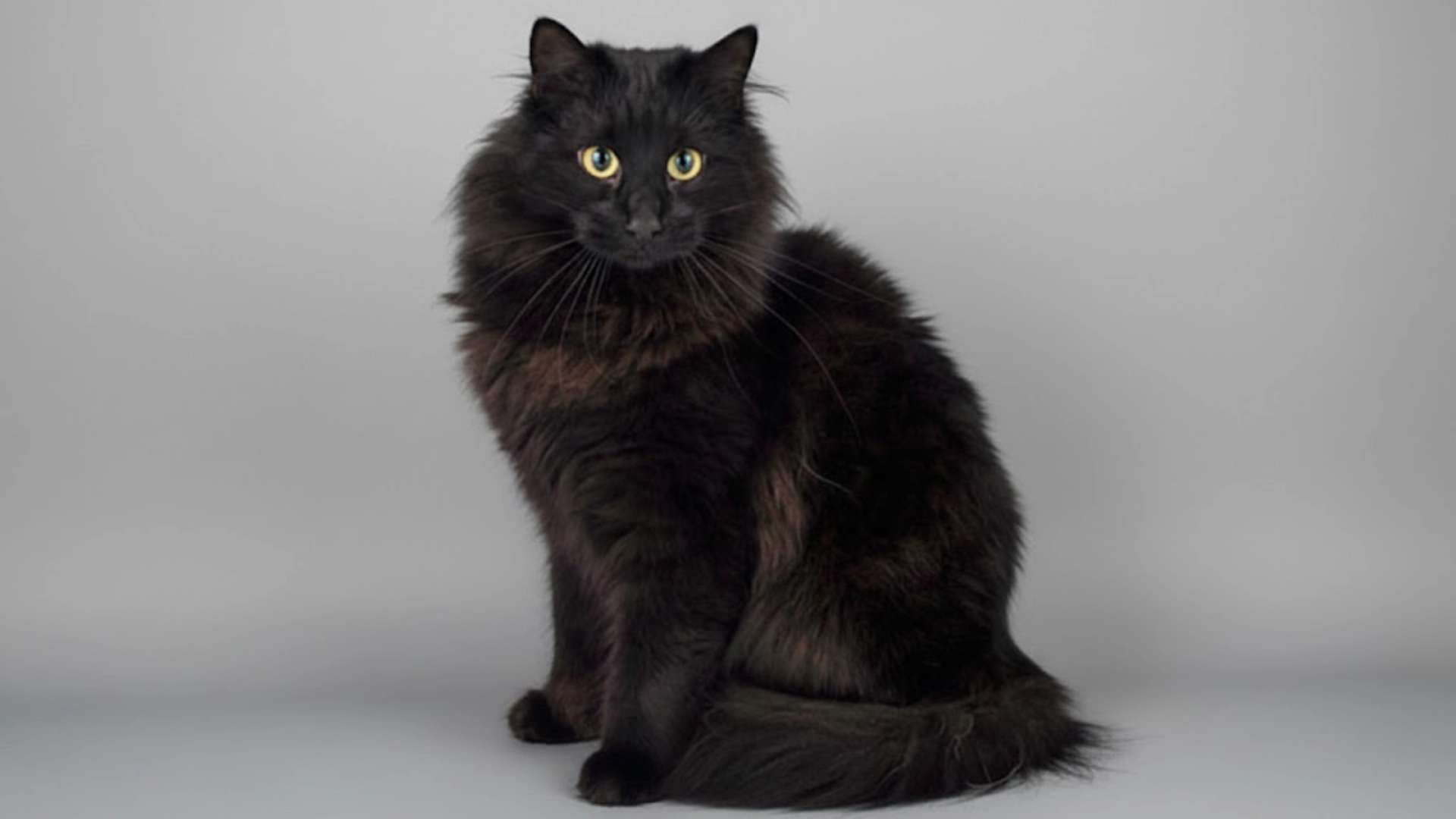
The Norwegian Forest Cat developed in the cold forests of Norway and has a strong body built for harsh weather.
Its long double coat is water-resistant and dense, helping it handle low temperatures. In solid black, the breed looks powerful and slightly wild.
The fur is thick and layered, giving the dark color a rich and full look. These cats are independent yet social enough to enjoy time with their families.
10. Oriental Shorthair
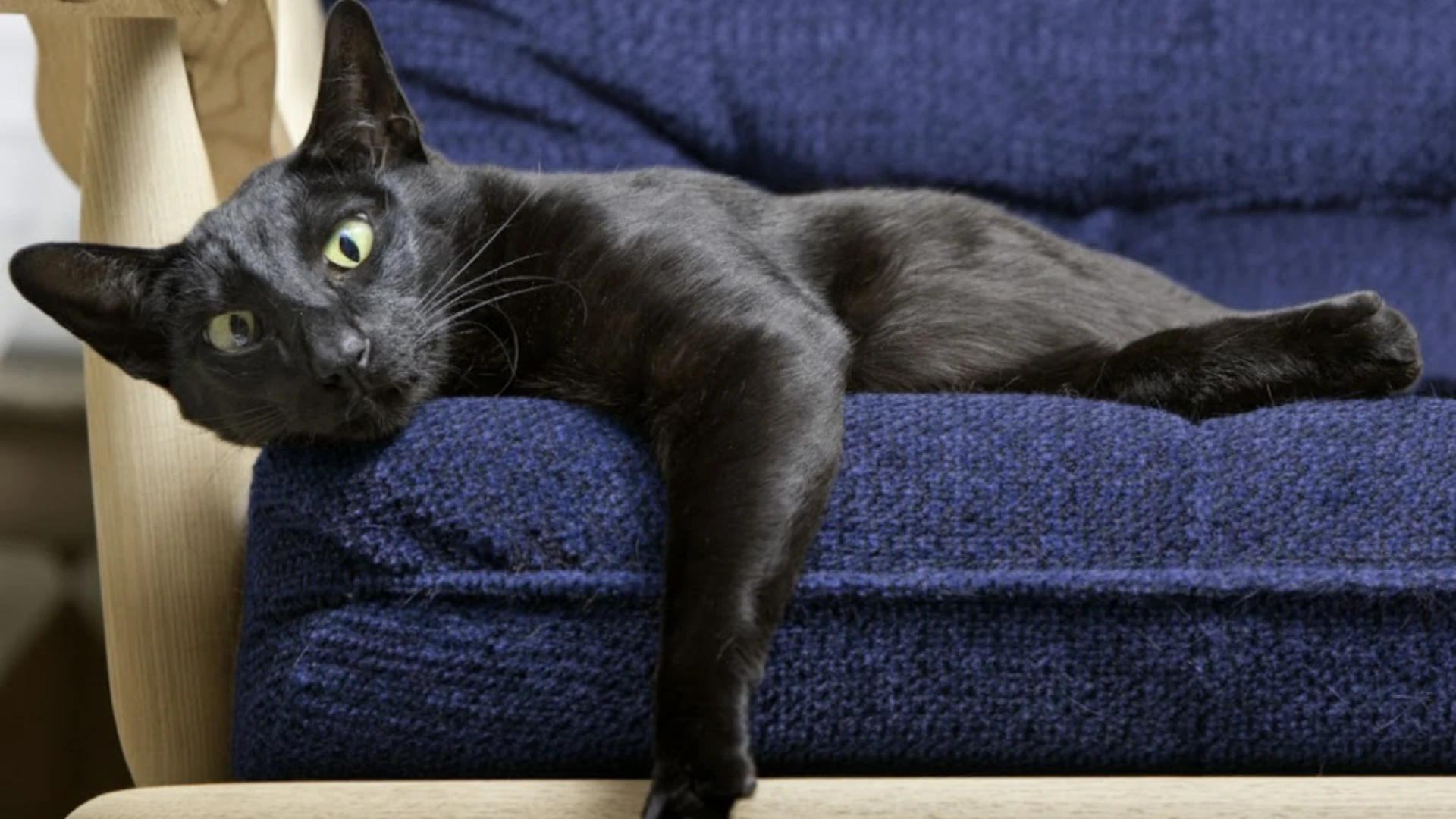
The Oriental Shorthair is sleek and refined, with a long body, large ears, and sharp features. It is closely related to the Siamese but comes in many more colors and patterns.
In solid black, the short coat looks smooth and glossy, reflecting light softly. This breed is known for being vocal and expressive.
It forms strong bonds with its owners and prefers not to stay alone for long periods. Oriental Shorthairs are curious and active, often exploring their surroundings with energy.
11. Turkish Angora
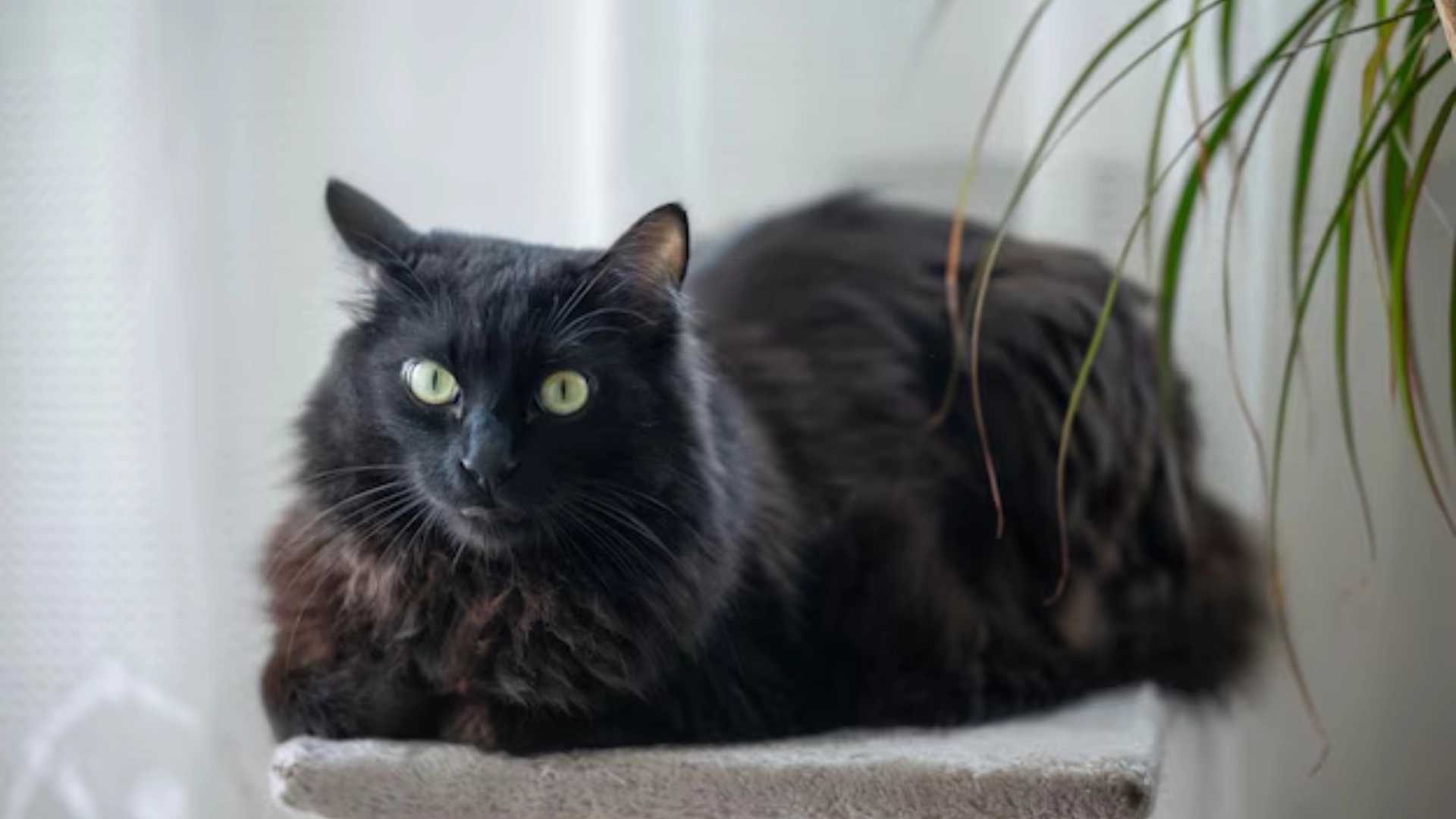
The Turkish Angora is an old breed that traces back to Turkey and is admired for its graceful build and silky coat.
While white is the most recognized color, black Turkish Angoras do exist and are less common. The long fur flows lightly and gives the dark shade a soft shine.
These cats are playful and intelligent, often showing a lively and confident personality. They enjoy attention and can be quite interactive with their families.
12. Devon Rex
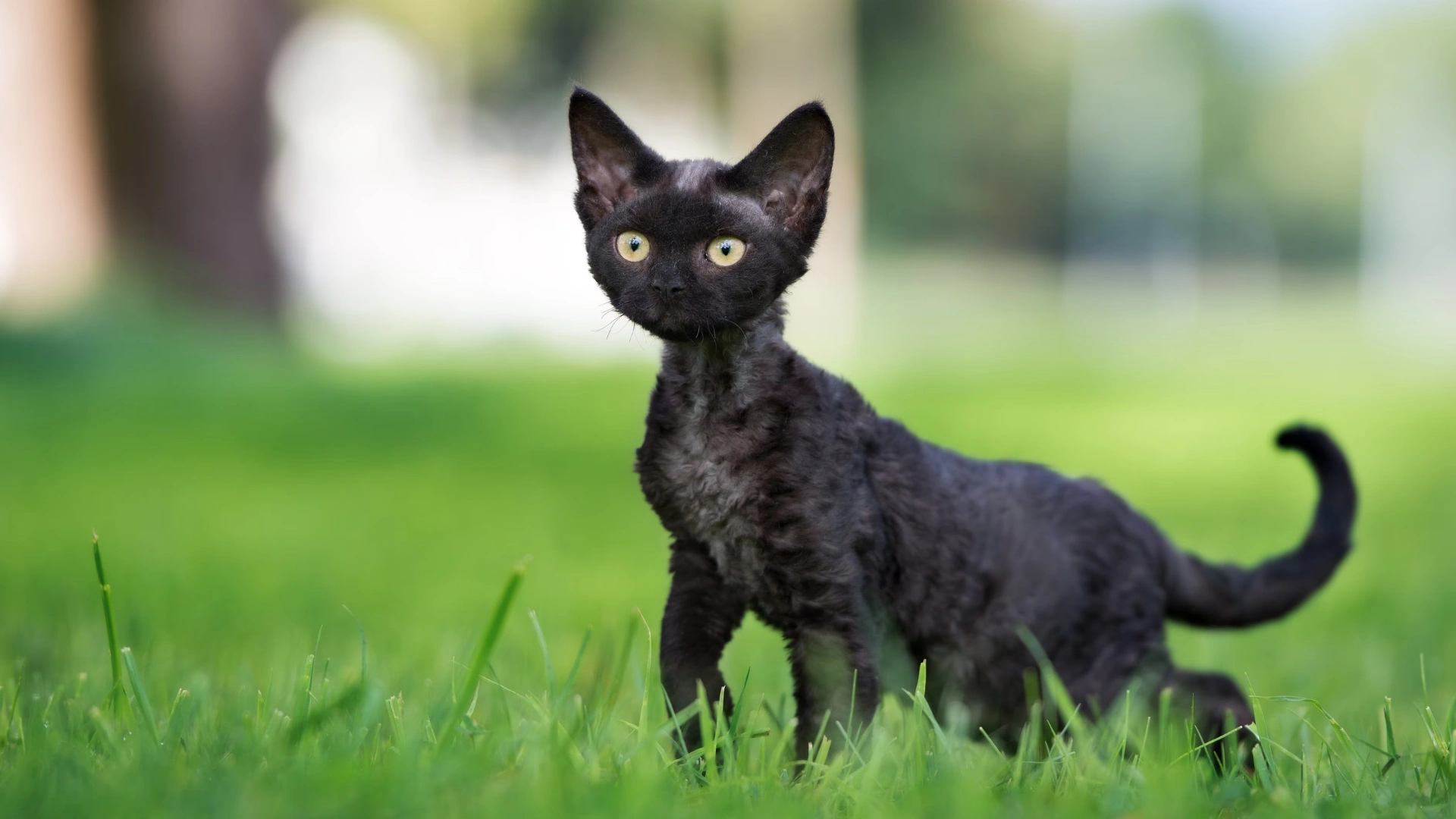
The Devon Rex has a small frame, large ears, and a short curly coat that gives it a distinct look. Its soft waves feel fine and light to the touch.
In black, the coat appears deep and even, highlighting the unusual texture. This breed is highly social and enjoys staying close to people throughout the day.
Devon Rex cats are playful and often behave in ways that seem almost dog-like, following their owners from room to room.
13. Cornish Rex
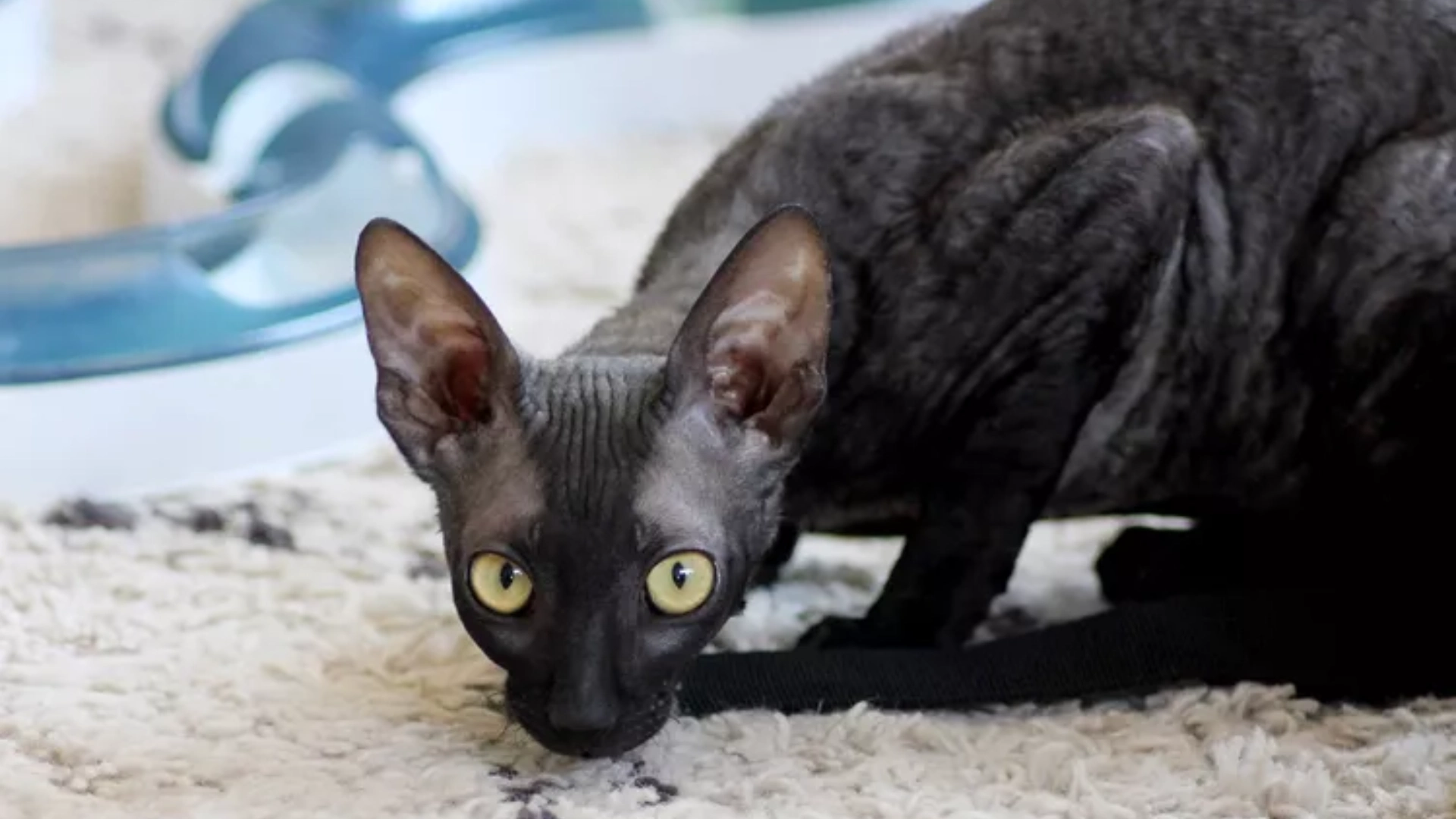
The Cornish Rex is slender and athletic, with a short coat made of tight curls that lie close to the body. In solid black, the rippled fur creates a smooth and polished look.
This breed is energetic and loves interactive play. Cornish Rex cats are drawn to warmth and often seek out cozy places around the home.
Their fine coat sheds very little, which makes maintenance easy. The black shade gives this already unique breed a bold and clean appearance.
14. European Shorthair
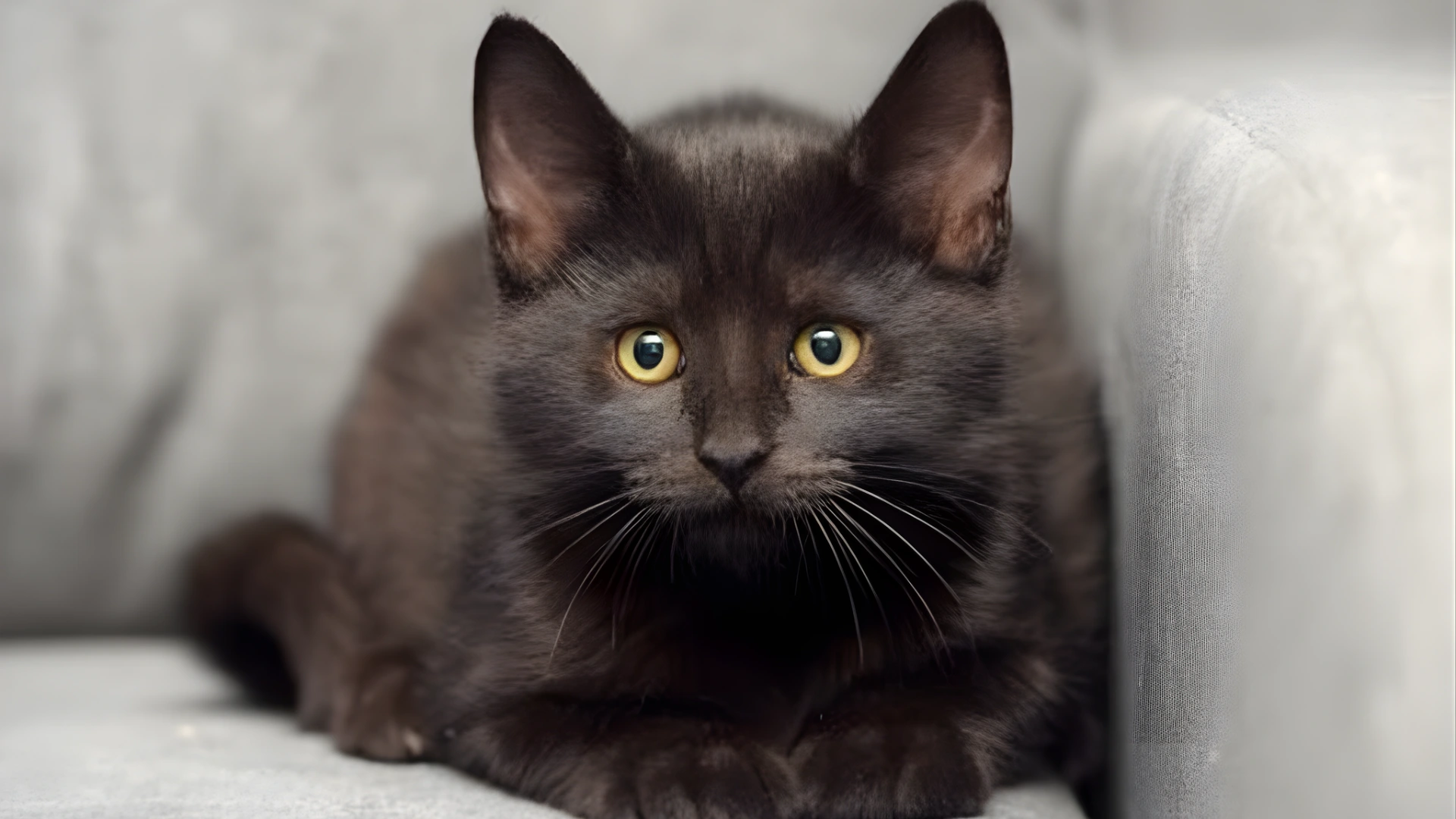
The European Shorthair developed naturally across Europe and is known for its balanced structure and good health.
It has a short and dense coat that feels firm yet smooth. In black, the color is even and rich, without visible striping when fully solid.
These cats have steady temperaments and adapt well to many living situations. They are friendly without being overly demanding and can enjoy both active play and quiet rest.
15. Kurilian Bobtail
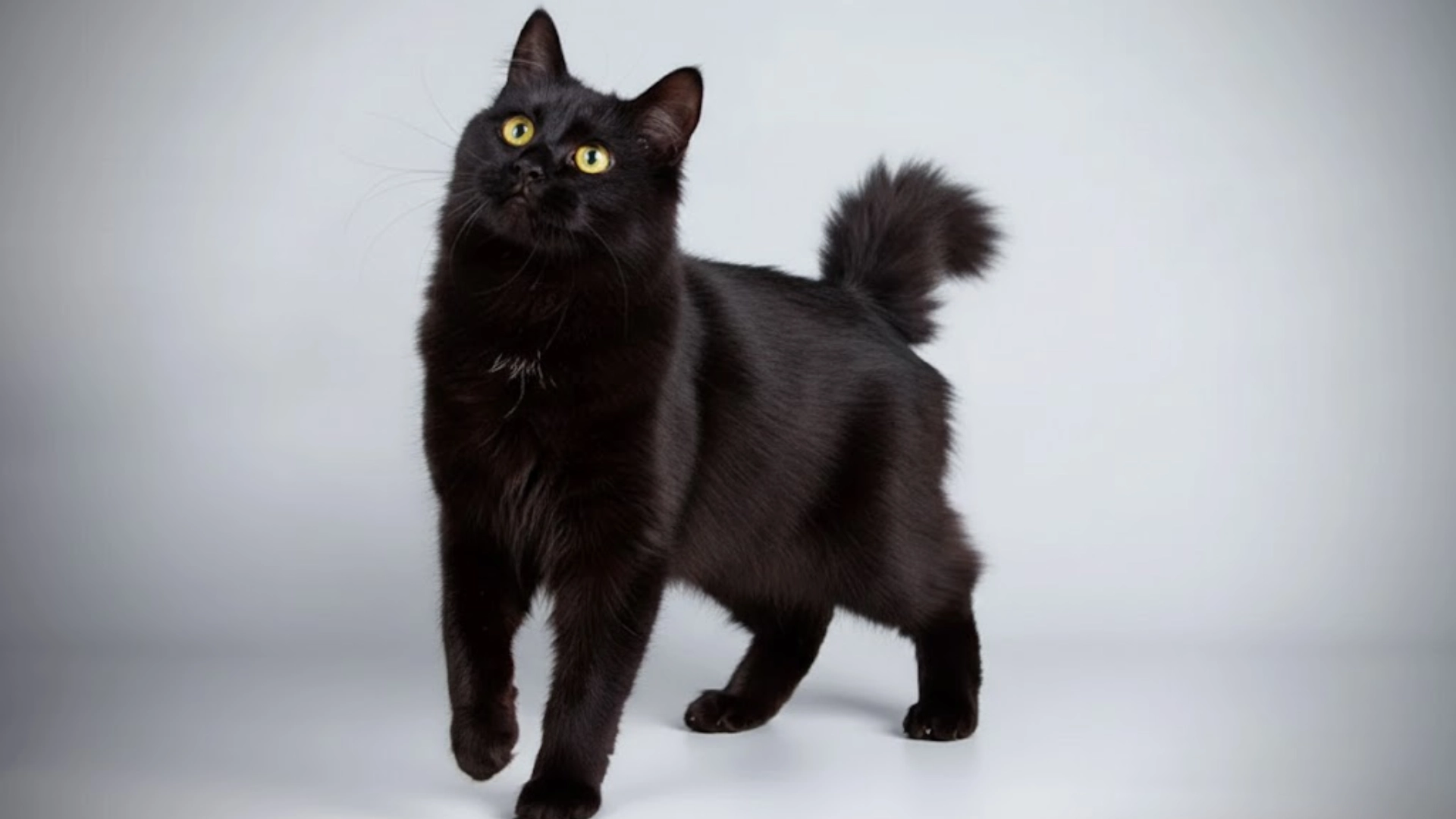
The Kurilian Bobtail is a natural breed that developed in the Kuril Islands between Russia and Japan. It is best known for its short tail that looks like a soft pom pom.
A black Kurilian Bobtail has a thick, semi-long coat with a deep and even color. The dark fur highlights its strong body and alert expression.
These cats are agile and have a natural hunting instinct, yet they behave gently inside the home. They are social and usually adjust well to families with children or other pets.
16. Manx
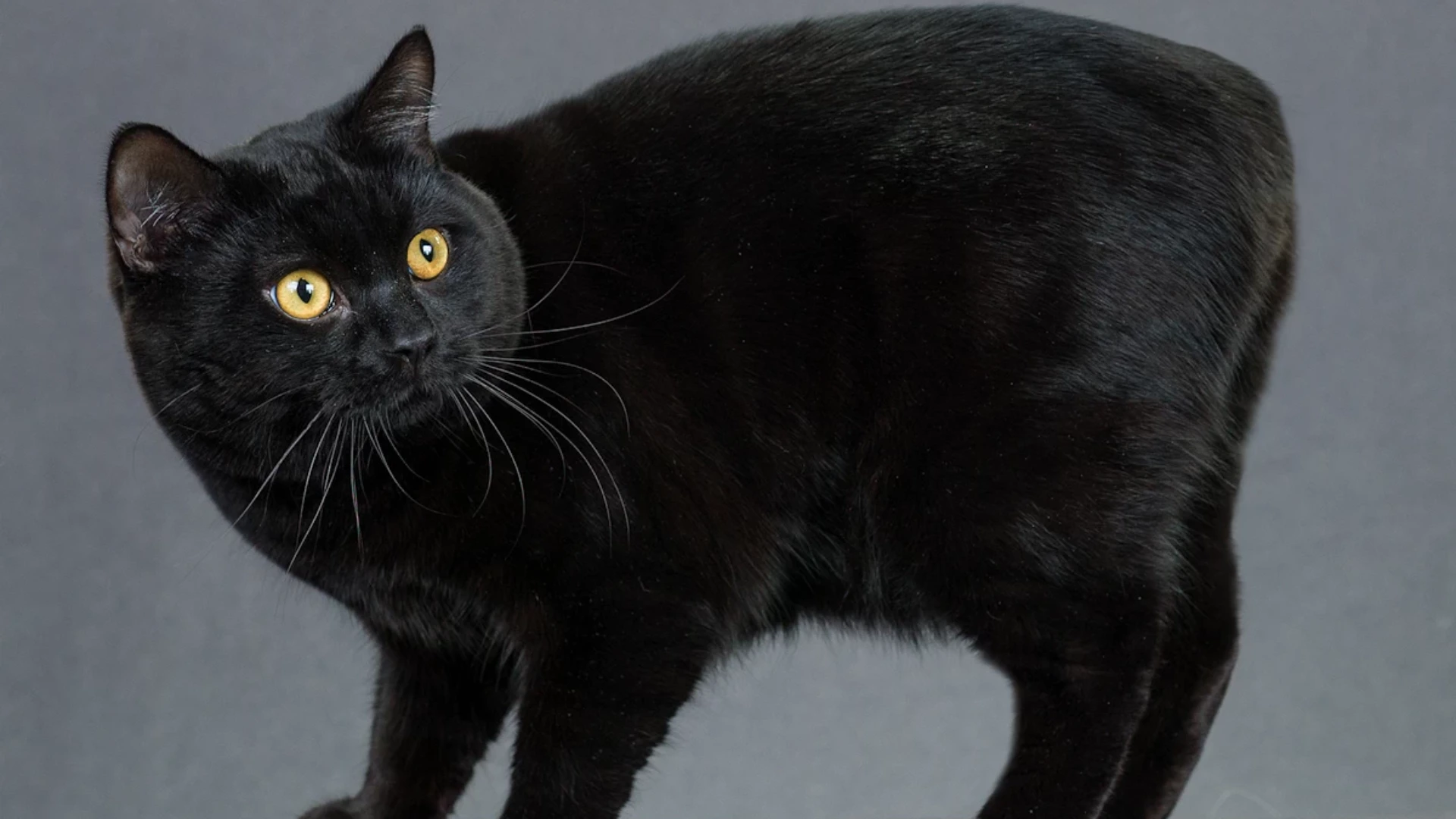
The Manx comes from the Isle of Man and is famous for having little to no tail. Its rounded body and sturdy legs give it a distinct shape.
In black, the short double coat looks dense and smooth with a clean and solid tone. Manx cats are playful and intelligent, often forming close bonds with their families.
Many owners describe them as loyal and responsive. They can learn simple tricks and may even enjoy games like fetch.
17. Japanese Bobtail
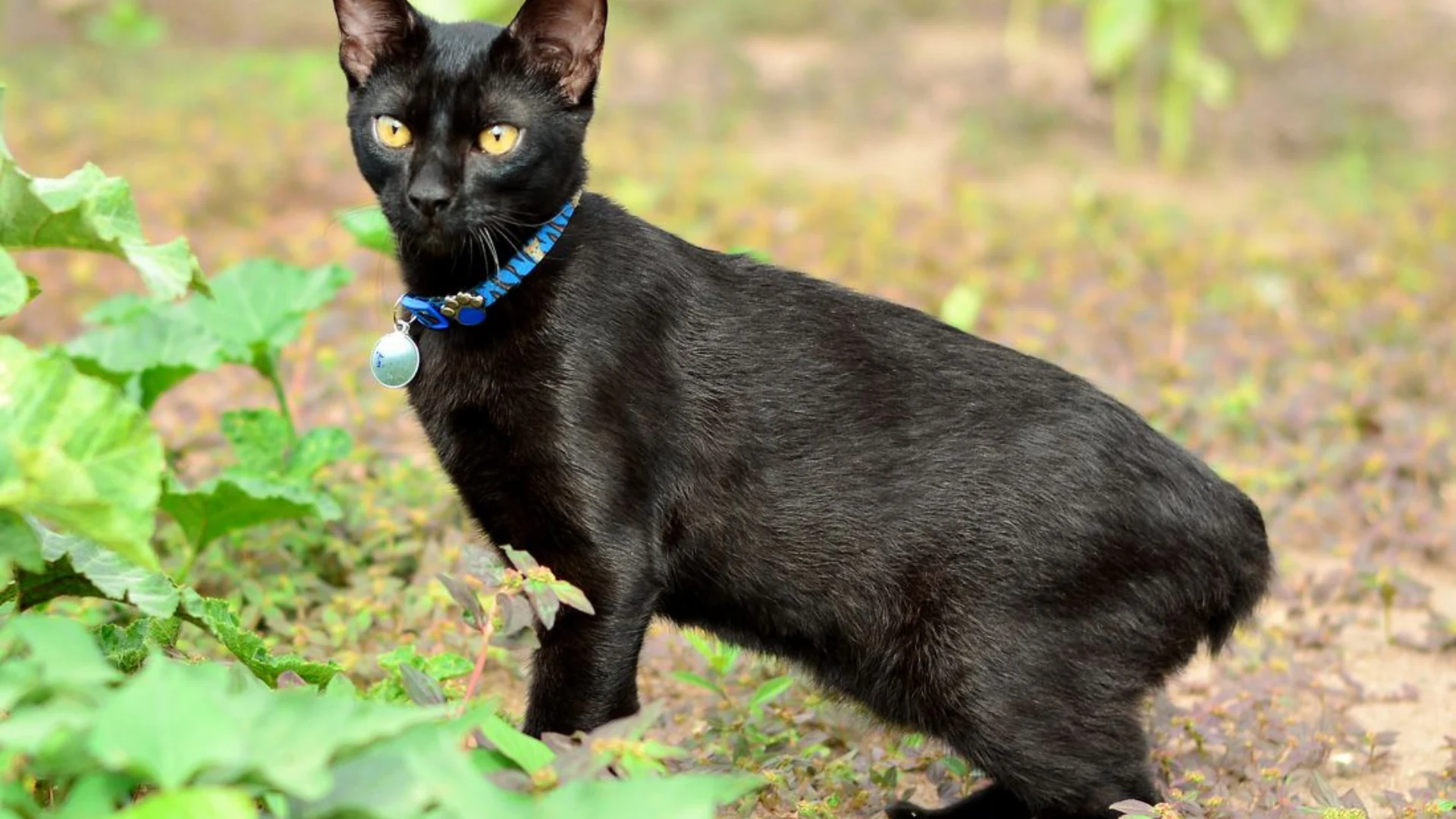
The Japanese Bobtail is an ancient breed that has been part of Japanese history for centuries. It has a short tail that resembles a small puff.
A black Japanese Bobtail stands out because the dark coat draws attention to its lean body and expressive eyes. The fur is soft and lies close to the body, giving it a smooth finish.
These cats are active and enjoy interaction throughout the day. They are known for soft chirping sounds and a friendly nature.
18. LaPerm
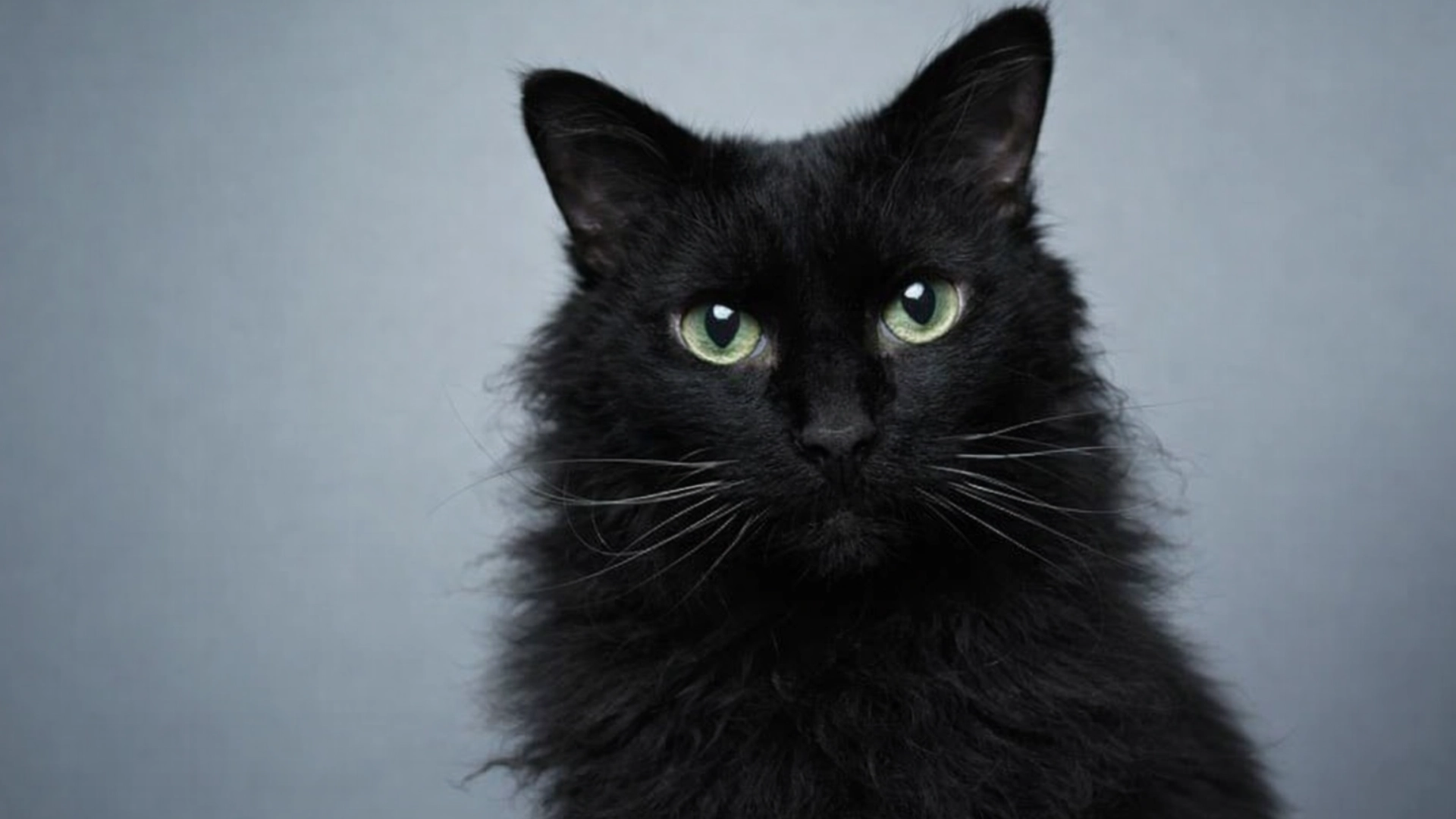
The LaPerm developed in the United States as a natural genetic mutation that created its curly coat. The curls are loose and springy, covering the body in soft waves.
In black, the textured coat looks full and rich, with depth that changes slightly under light. LaPerm cats are affectionate and gentle, often seeking out company rather than hiding away.
They enjoy play but are not overly demanding. Their coat tends to shed less than many other breeds, which makes grooming manageable.
19. Selkirk Rex
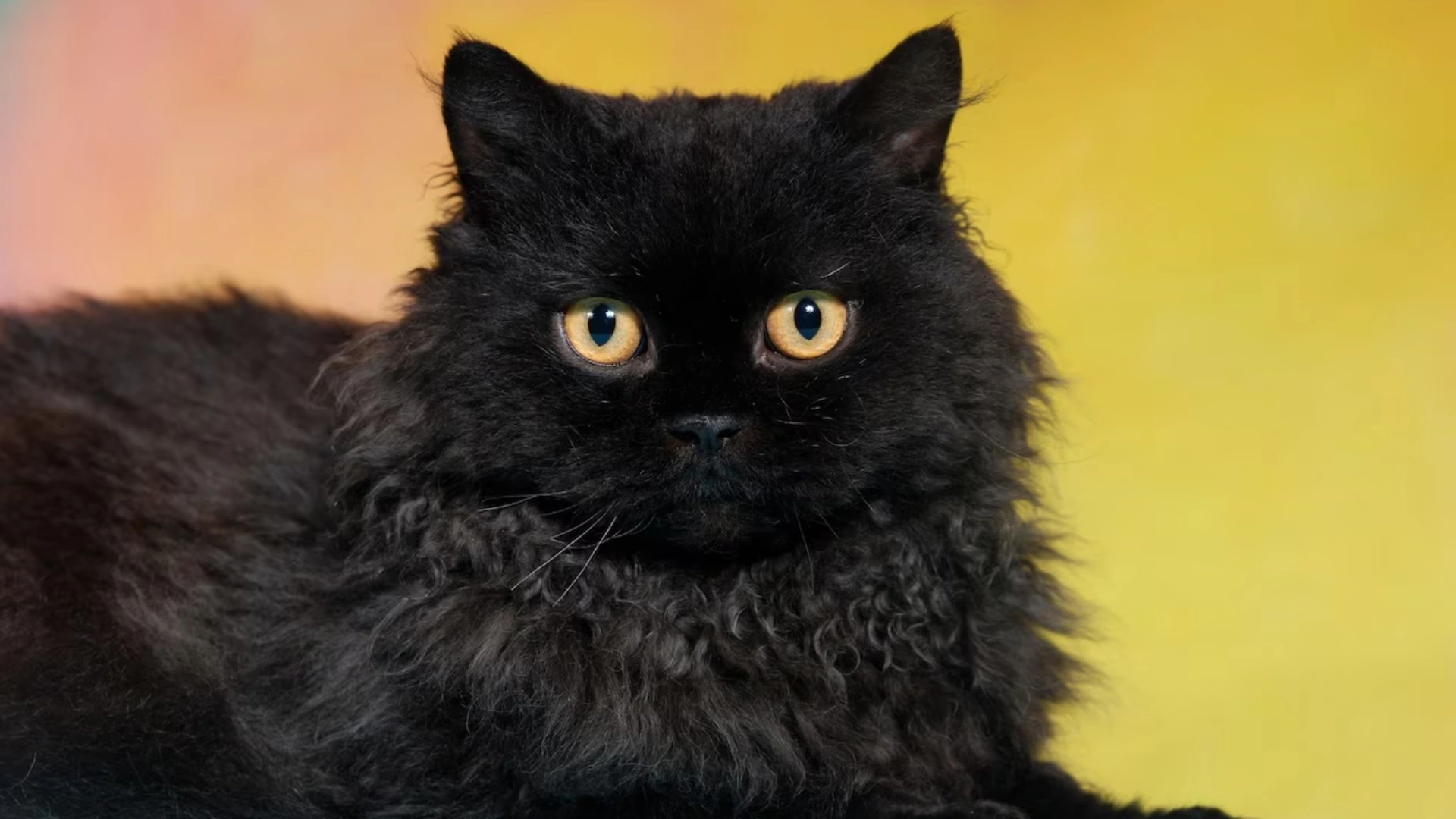
The Selkirk Rex has a thick and plush curly coat that sets it apart from other Rex breeds. Unlike the tighter waves of the Cornish or Devon, the curls here are fuller and more rounded.
A black Selkirk Rex appears soft and dense, with the dark color enhancing the shape of the curls. These cats are calm and patient, making them easy to live with.
They enjoy attention but are not overly active. The black coat looks especially rich because the volume of fur adds depth and shadow throughout the body.
20. American Bobtail
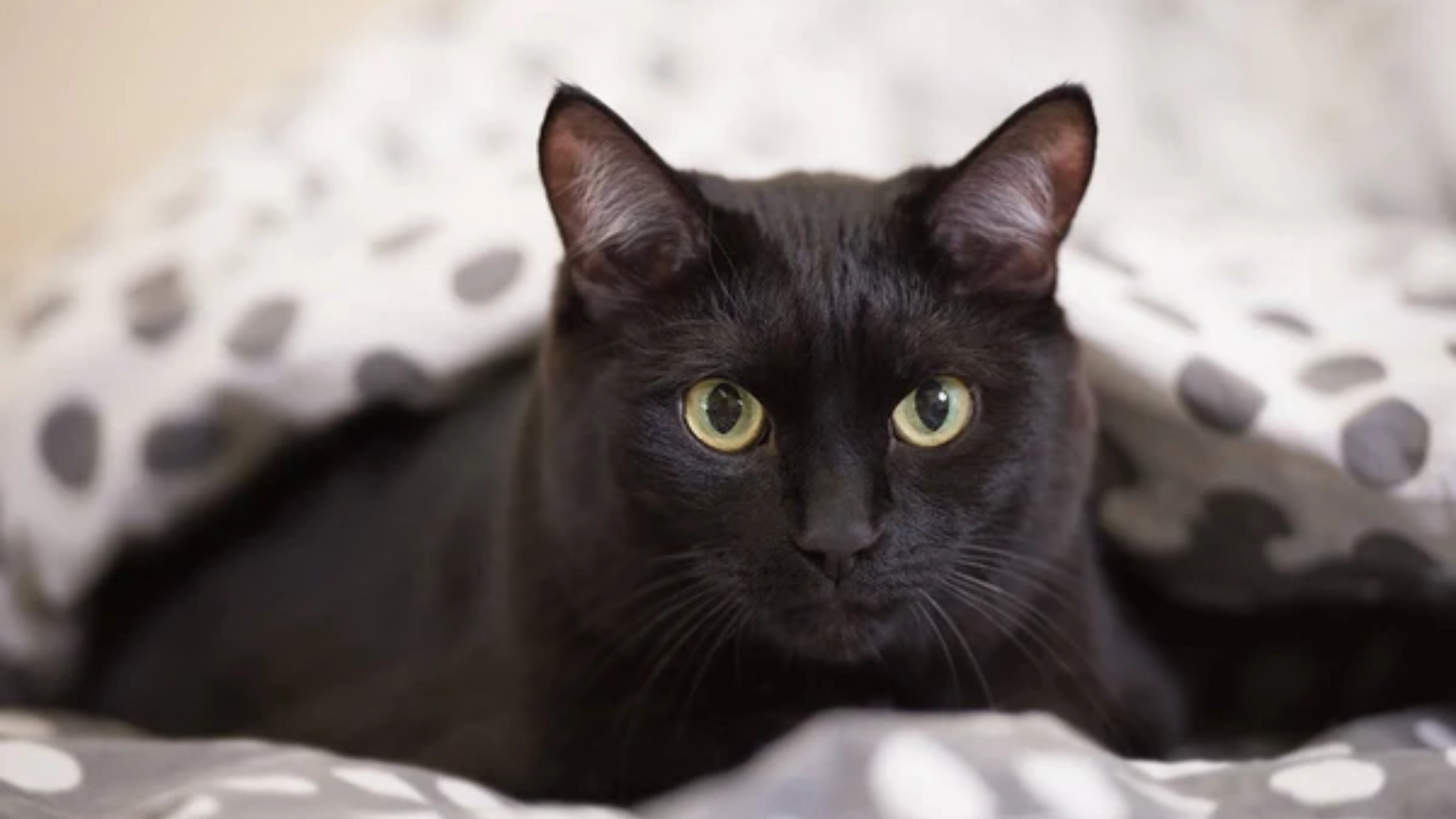
The American Bobtail is a medium to large breed with a naturally short tail and a strong build. It often has a slightly wild look, though its personality is gentle and balanced.
In black, the shaggy coat appears thick and even, giving the cat a bold outline. This breed is intelligent and adapts well to new situations.
Many owners note that they handle travel better than most cats. They bond closely with family members and enjoy interactive play.
21. Exotic Shorthair
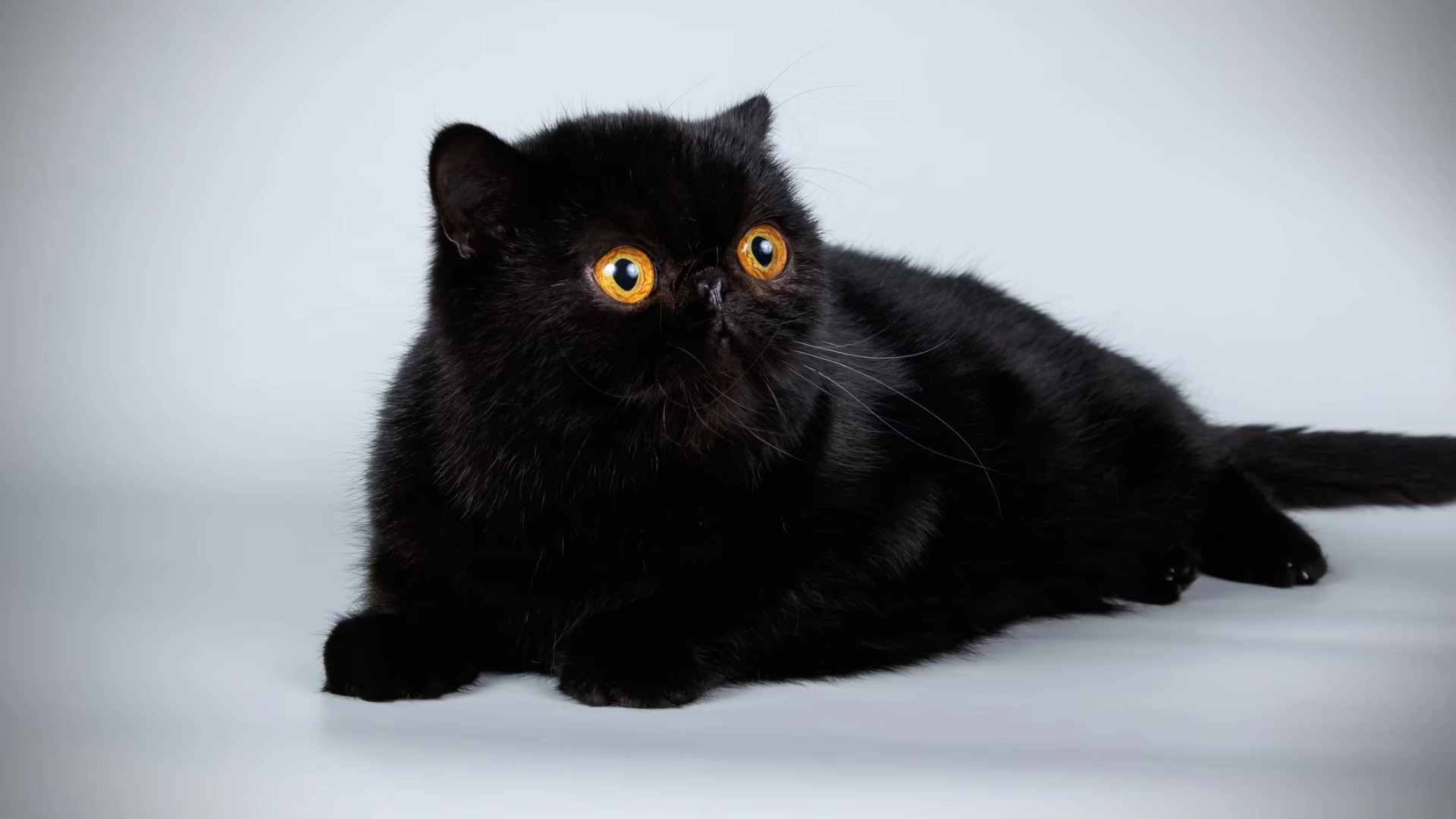
The Exotic Shorthair shares the same round face and flat features as the Persian but has a shorter and denser coat.
In solid black, the plush fur looks smooth and even across the body. The dark shade pairs well with copper or golden eyes, creating a strong contrast.
These cats are calm and affectionate, preferring quiet time with their families. They are not very active and are well-suited for apartment living.
Reasons Why Black Cats Continue to Fascinate Cat Lovers
Black cats continue to attract attention because their deep coat color, history, and personality create a lasting impression on people everywhere.
- Striking Appearance: Their solid black coat creates a bold and elegant look that instantly stands out in any setting, whether indoors or outdoors.
- Bright Eye Contrast: Golden, copper, or green eyes shine sharply against dark fur, giving them an intense and unforgettable expression.
- Cultural Influence: Folklore, films, and media have shaped how people see black cats, often adding mystery and symbolism to their image.
- Genetic Uniqueness: The melanism trait behind their coat color makes them biologically interesting, not just visually appealing.
- Calm and Loyal Nature: Many black-coated breeds are known for steady temperaments and strong bonds with their families.
Big Black Cat in the Wild
The image of a big black cat often brings to mind a silent predator moving through dense forests at night.
While many people admire black-coated domestic breeds, the same dark coloring appears in wild felines through melanism.
Leopards in Africa and Asia, and jaguars in Central and South America, are the most well-known examples.
When these species carry the melanistic gene, their golden coats turn deep black, though faint rosette patterns remain visible in strong light.
These animals are often called black panthers, but they are still leopards or jaguars. Melanism does not create a new species; it simply changes pigment.
This trait proves that large wild cats and household breeds share the same genetic foundation behind their striking black coats.
Conclusion
Big black cat breeds may look mysterious, but their dark coat comes down to simple genetics rather than myths or superstition.
Throughout this blog, we looked at how melanism increases pigment and creates that deep black color in both domestic and wild cats.
You saw how this trait appears in popular breeds like the Bombay and Maine Coon, as well as rarer ones like the Kurilian Bobtail and LaPerm.
We also connected house cats to melanistic leopards and jaguars in the wild, showing that the same genetic process shapes them all.
Which of these black cat breeds caught your attention the most? Drop your thoughts in the comments, and let’s talk about it.