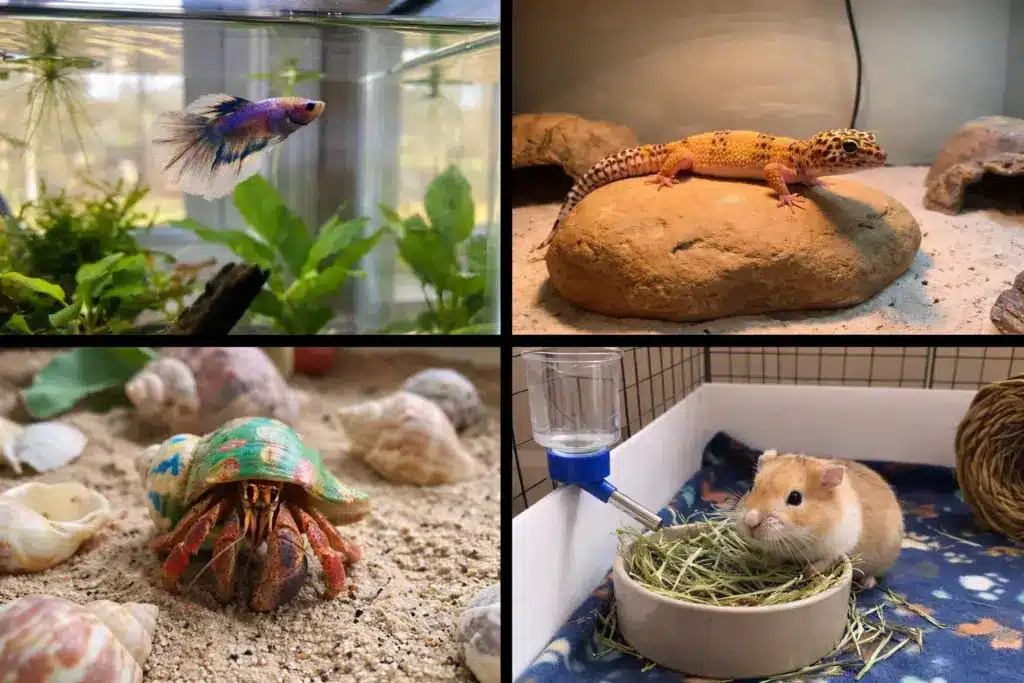
Not everyone has hours to spend on pet care, and that’s completely fine.
If you have a packed schedule but still want a companion at home, low-maintenance pets might be exactly what you need.
I’ve always believed that owning a pet shouldn’t feel like a second job.
Some animals are perfectly happy with a simple setup, basic food, and a few minutes of attention each day. No daily walks. No expensive grooming. No constant supervision.
The trick is knowing which ones actually fit that description.
Many pets are labeled “easy” when they really aren’t. So I went through the most common options and picked those that genuinely ask for very little.
Some are perfect for tiny apartments. Others work well for families or complete beginners. All of them respect your time and still make great companions.
What Makes a Pet Low Maintenance?
The term “low maintenance” can mean different things the different people. For some, it’s about cost. For others, it’s about time. And for many, it’s both.
A low-maintenance pet typically doesn’t need daily walks, frequent grooming, or constant attention. Most do well in small spaces with basic food and a clean living area.
The best low-maintenance pets tend to be quiet, have minimal odor, and go longer between feedings. They suit apartment living, tight budgets, and first-time owners.
Before picking one, think about daily routines, available space, and what “low effort” actually looks like in your household. That one step makes a big difference.
Best Low-Maintenance Pets for Busy Lifestyles
From fish and reptiles to small mammals and birds, every pet on this list is simple to care for and fits well into a busy routine. Each one has been chosen for its low-maintenance needs and beginner-friendly setup.
1. Betta Fish
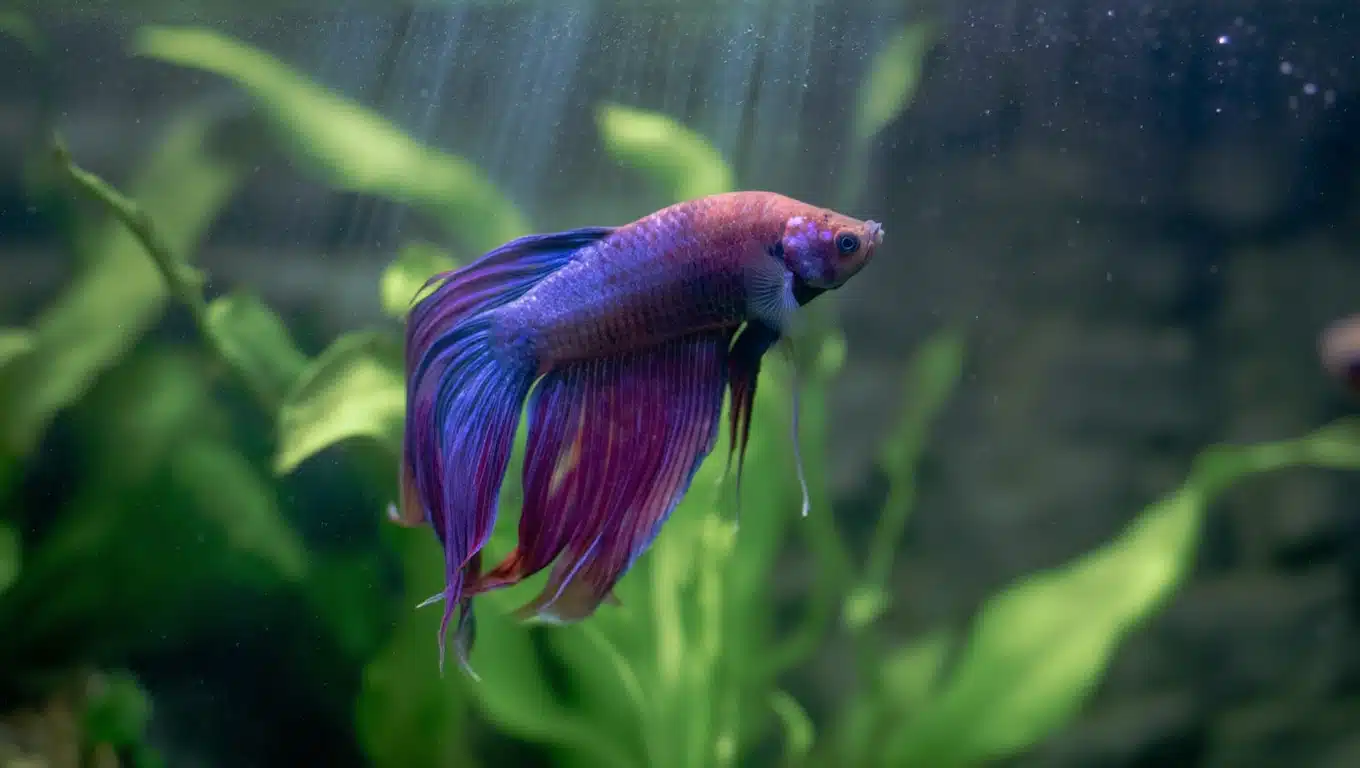
Betta fish are colorful, calm, and among the best low-maintenance pets for beginners.
They live comfortably in a 5-gallon tank with a small filter and a heater. Feed them betta pellets 1-2 times a day, and do a partial water change weekly.
Bettas prefer living alone, so no need for tank mates or complex setups. They come in dozens of color varieties. Tank upkeep takes about 10 minutes a week. Electricity costs for the heater and filter stay low.
The startup cost is around $30-$60 for the full setup, and their lifespan is around 3-5 years.
2. Leopard Gecko
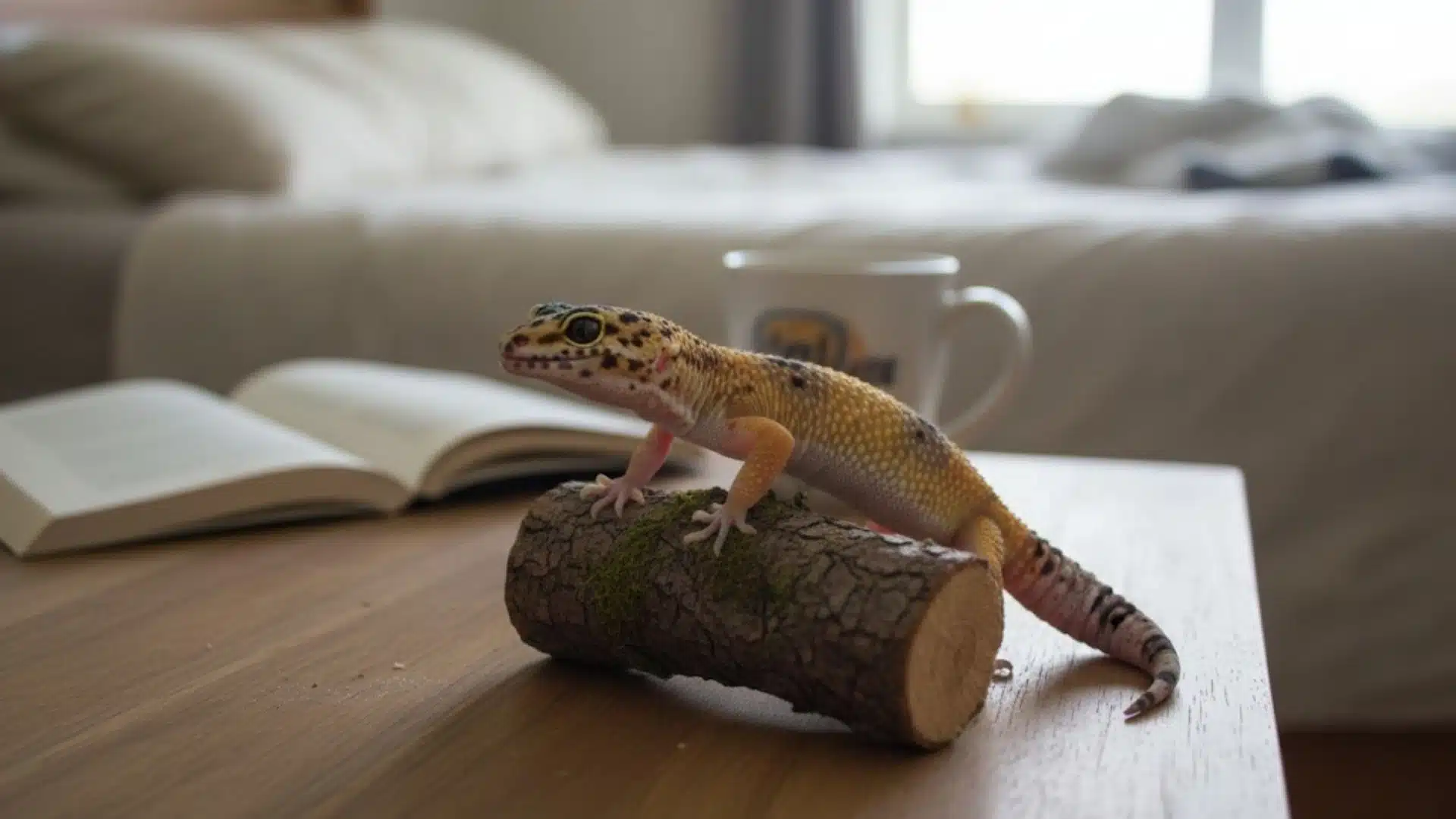
Leopard geckos are quiet, gentle, and ideal for first-time reptile owners.
A 20-gallon tank with a heat mat, hiding spot, and shallow water dish is sufficient. Feed them crickets or mealworms 2-3 times a week.
They don’t require UV lighting, rarely bite, and handle well. Clean the tank regularly and perform a deep clean monthly.
With a lifespan of up to 20 years, they make long-term companions. However, check local laws and lease agreements, as some states, like Hawaii, prohibit reptile ownership.
3. Cherry Shrimp
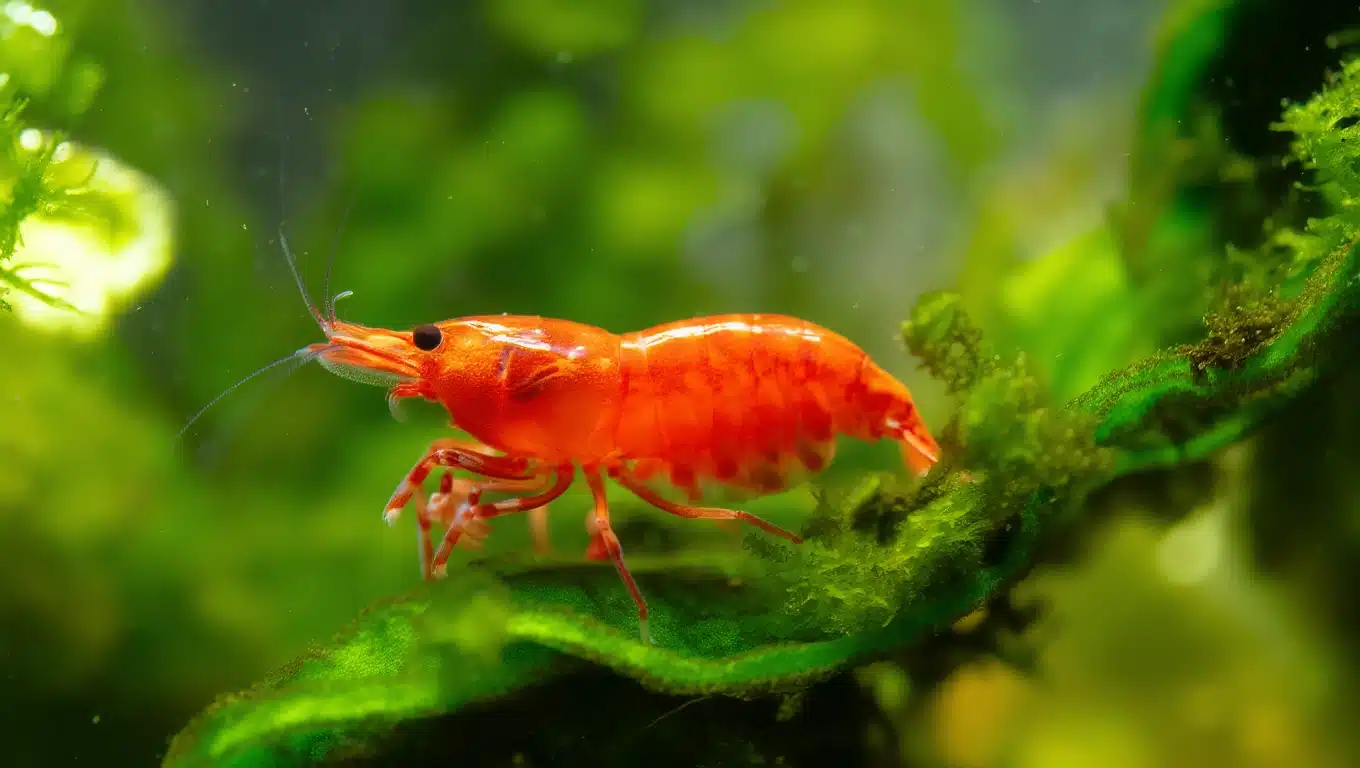
Cherry shrimp are tiny, bright red, and practically take care of themselves.
They eat algae, biofilm, and leftover fish food. A 5-gallon tank with a sponge filter and a few live plants is the ideal setup. They need no feeding on most days if the tank has natural algae growth.
Water changes every 2 weeks are enough. Cherry shrimp live 1 to 2 years and breed easily in the right conditions.
As low-maintenance pets, they’re among the quietest and cleanest options on this list. Perfect for desks, shelves, or small counters.
4. Hamster

Hamsters are small, active, and one of the cheapest pets to keep.
The entire setup consists of a wire cage with bedding, a running wheel, a water bottle, and a food dish. Feed them pellets, fresh veggies, and occasional seeds or treats.
They are nocturnal, so they stay busy at night and sleep during the day. That means no daytime attention is needed.
Clean the cage once a week, and the hamster stays healthy. Hamsters live 2 to 3 years.
As one of the best low-maintenance pets, they work well in small apartments and for owners who want a hands-off routine.
5. Domestic Shorthair Cat
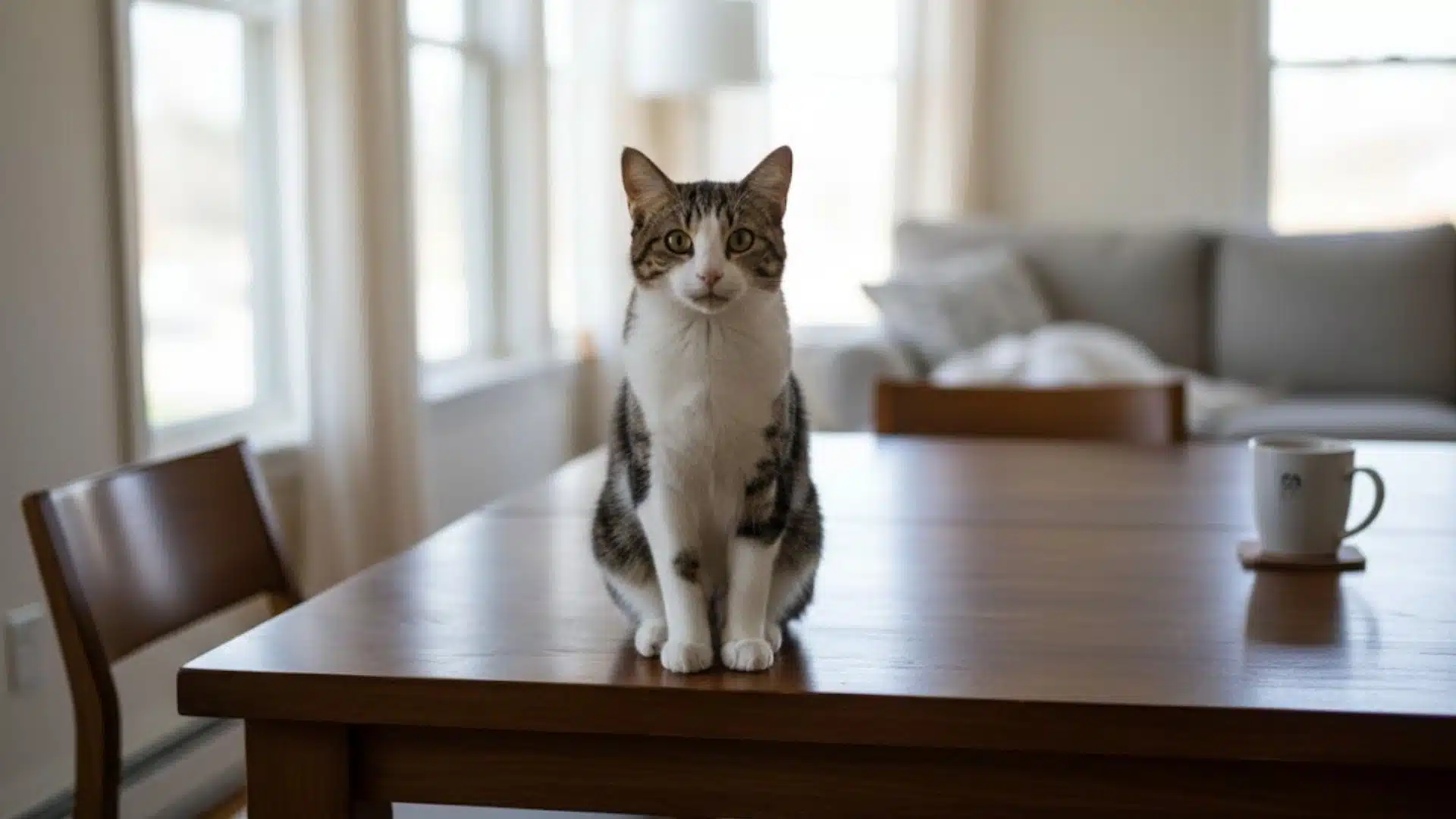
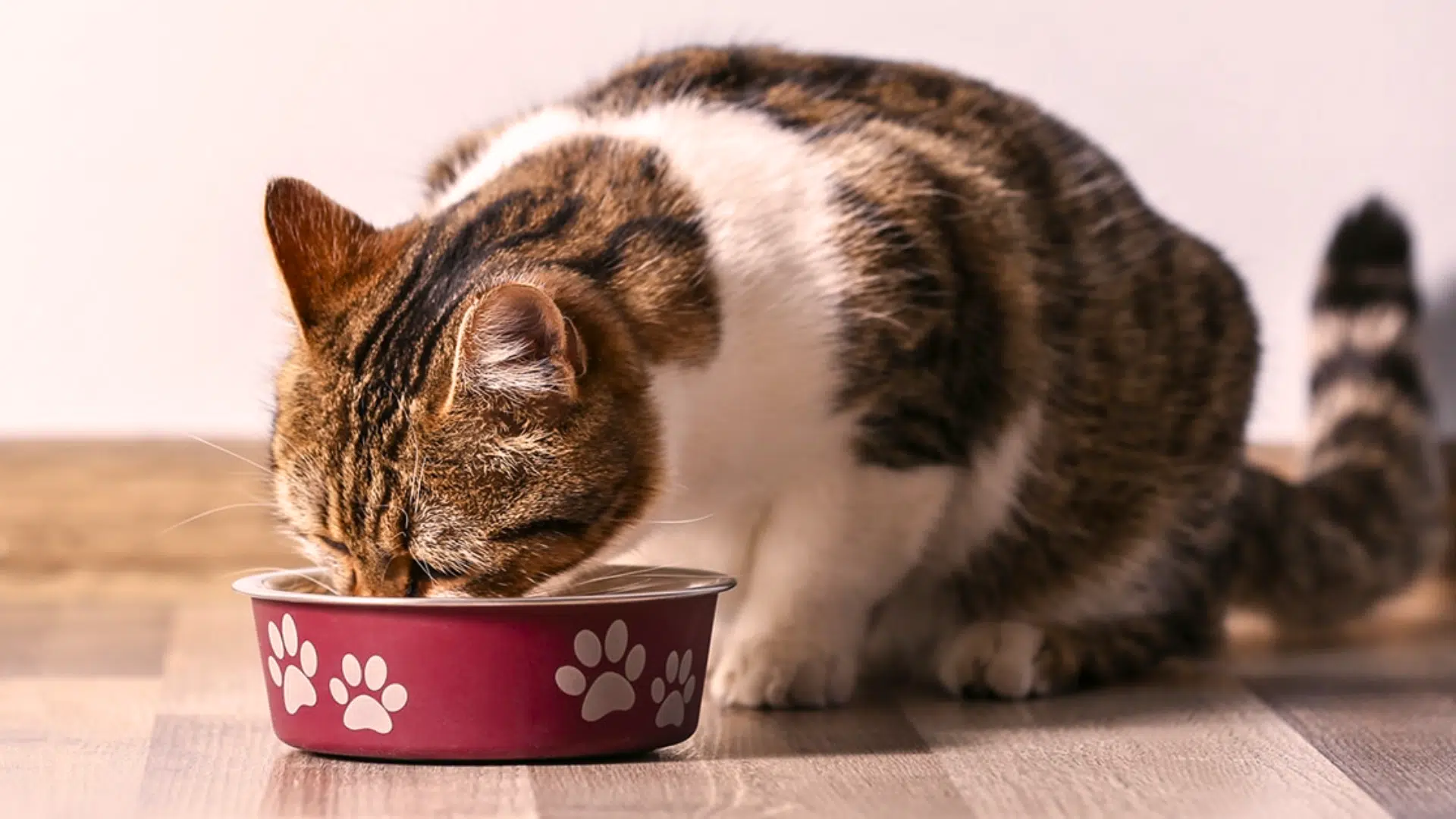
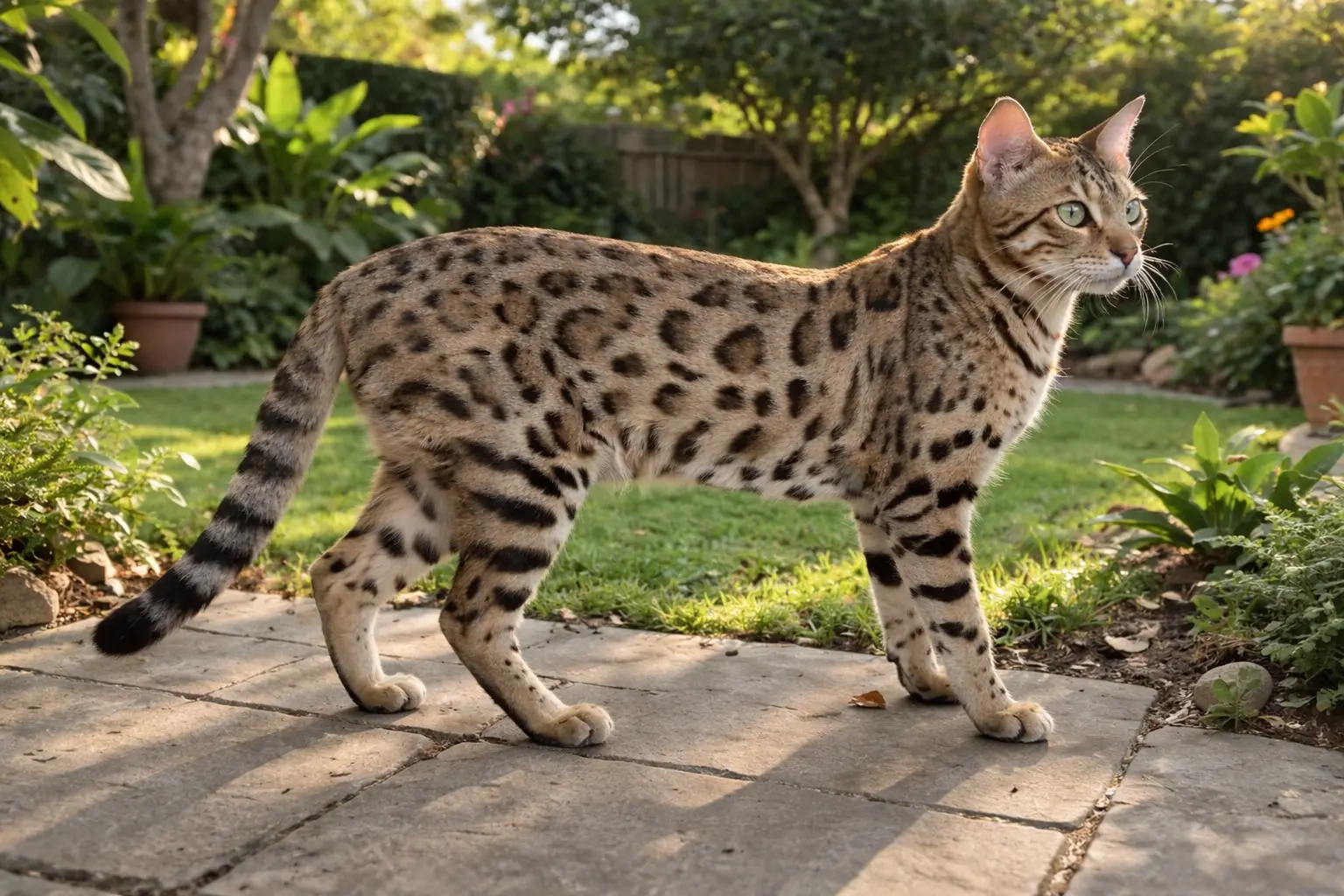
Domestic shorthair cats are independent, clean, and more hands-off than most people expect.
They groom themselves thoroughly, so there’s no need for baths or brushing sessions. A litter box, quality dry food, fresh water, and a scratching post cover the basics.
Indoor cats don’t need walks. Most are happy lounging by a window or batting at a simple toy. Scoop the litter box every 1-2 days and refill food and water. That’s the daily routine.
Low-maintenance pets like domestic shorthairs are ideal for apartments. They live 12 to 18 years and need annual vet checkups and basic flea prevention for good health.
6. Turtle
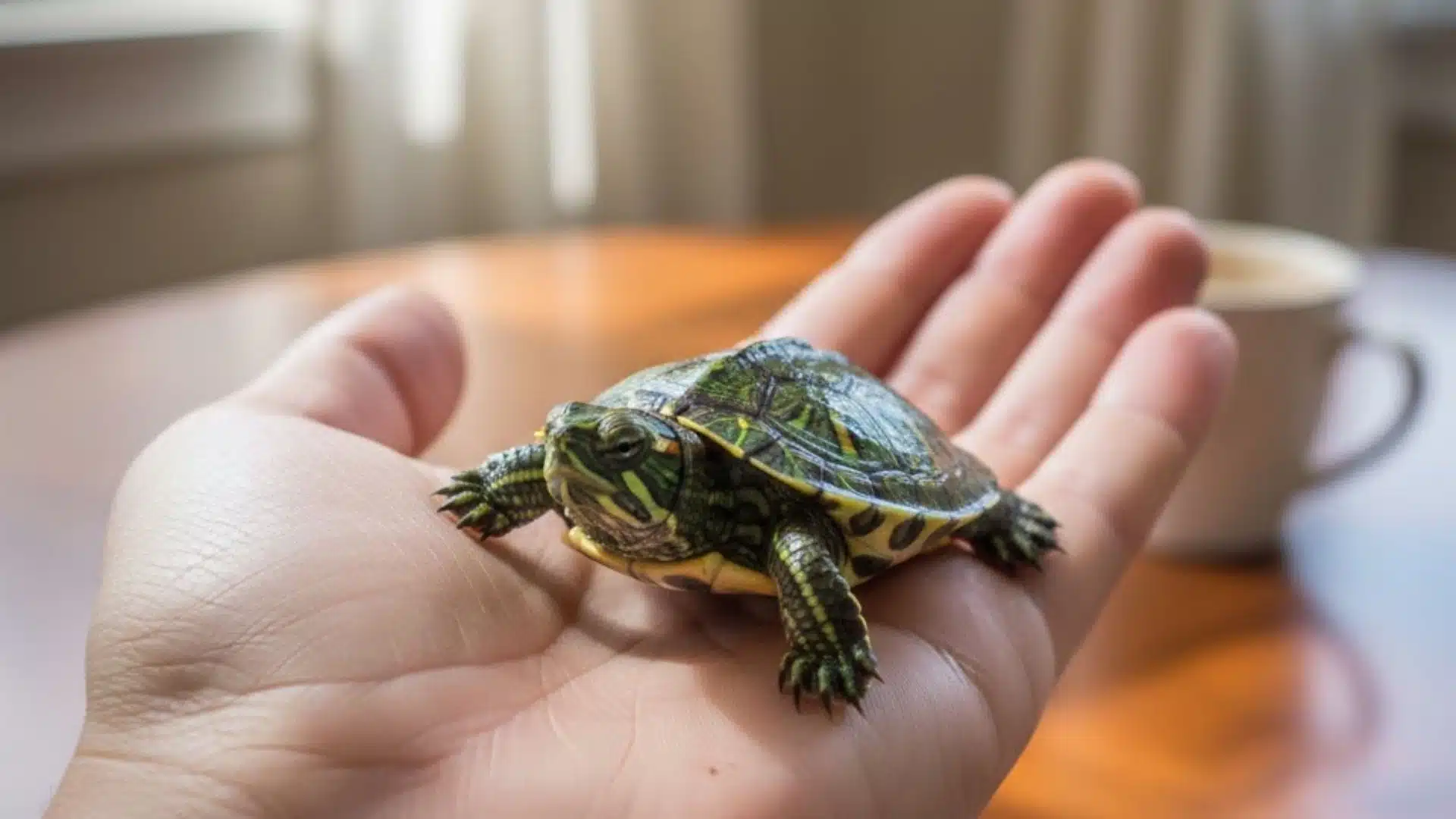
Turtles are slow-moving and calm, making them a good fit for people who prefer watching over handling.
A tank with clean water, a dry basking area, a UVB light, and a water filter makes a proper home. Feed them turtle pellets, leafy greens, and occasional protein, such as shrimp, 2 to 3 times a week.
The initial setup takes some effort, but once it’s running, daily care is minimal. Top off the water as needed and do a partial water change every two weeks.
Low-maintenance pets like turtles don’t need attention or interaction to stay content. Some species live 20 to 40 years, so they’re a long-term but low-effort commitment.
7. Hermit Crabs
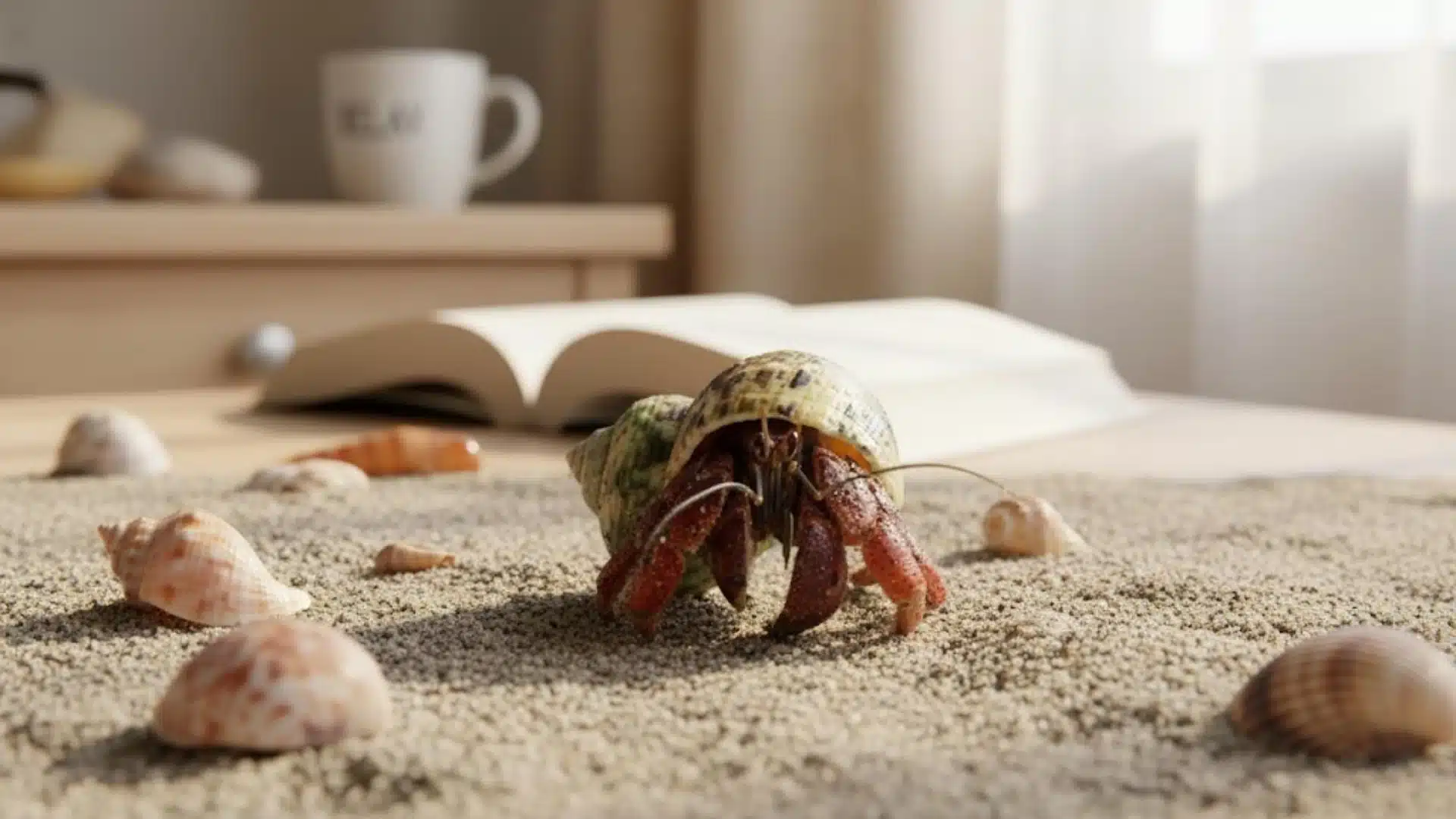
Hermit crabs are small, curious, and oddly entertaining to watch.
They need a glass tank with sand, 2 water dishes (1 fresh and 1 salt), and extra shells to switch into as they grow. Mist the tank daily to maintain humidity around 70 to 80 percent.
Feed them fruits, vegetables, and commercial crab food. They do well in pairs and can live up to 10 years with the right setup.
Low-maintenance pets like hermit crabs rarely need handling. Tank upkeep is minimal, spot cleaning and misting. They stay quiet and produce almost no odor.
8. Crested Gecko
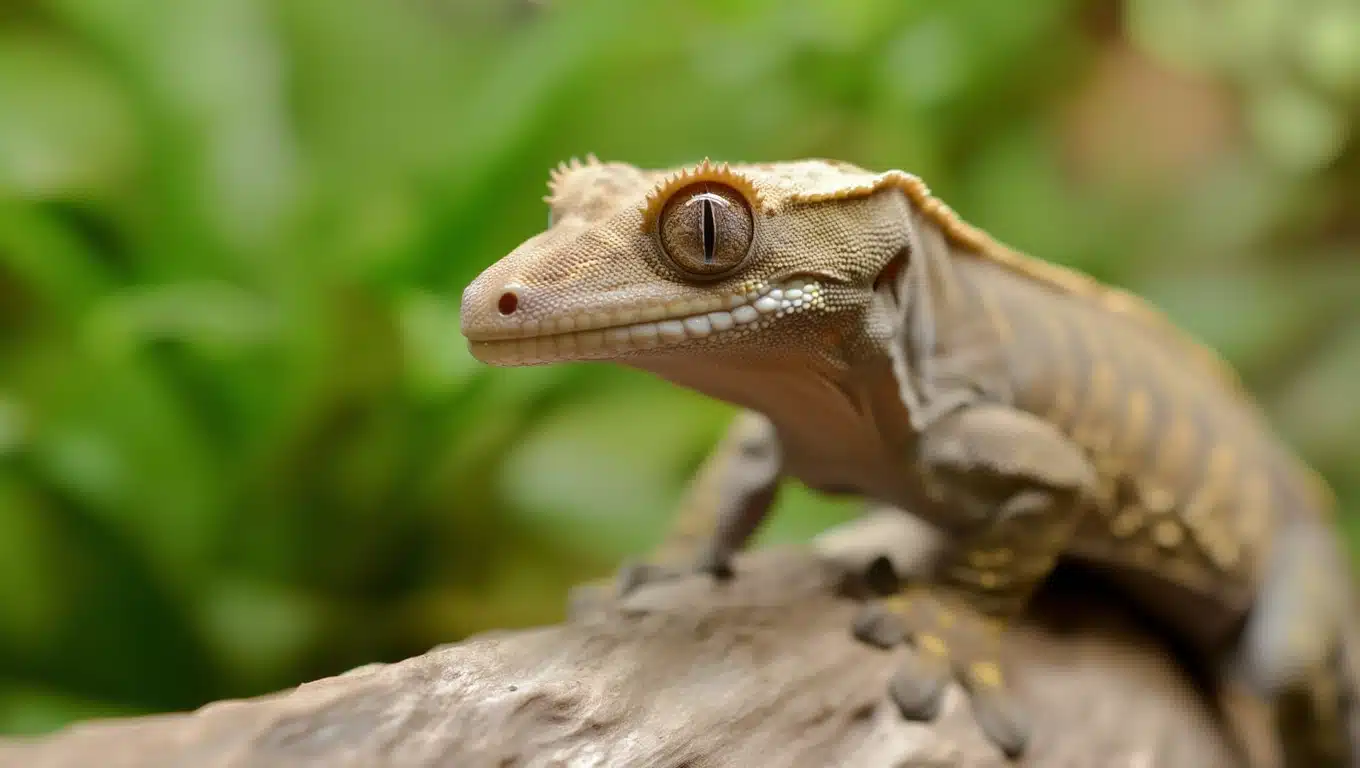
Crested geckos are easy to care for and don’t require heat lamps or UV light, reducing setup costs.
A tall 20-gallon tank with fake plants, a water dish, and a misting bottle is sufficient. Feed them a powdered crested gecko diet mixed with water 3 to 4 times a week, with fruit as a treat.
They are nocturnal, quiet, and easy to handle. With low maintenance, they can live 15 to 20 years. Just mist the tank, change the food, and spot-clean.
They are legal in most U.S. states, except Hawaii, but check local regulations and your lease before getting one.
9. Goldfish
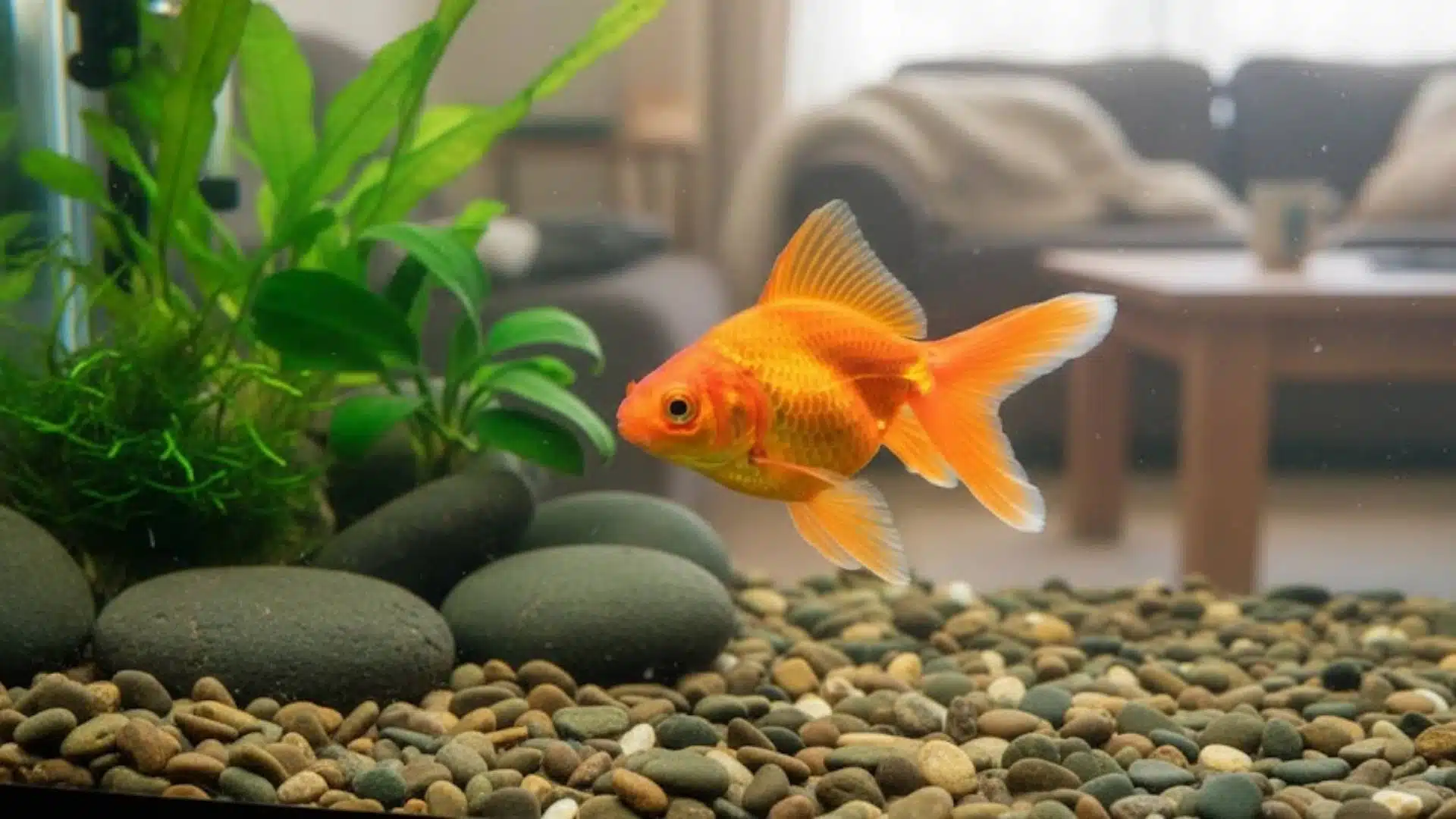
Goldfish are a classic, quiet, and calming pet option. They need a tank with a filter, clean water, and daily feeding of flakes or pellets. Avoid small bowls.
A 20-gallon tank gives them room to swim and live longer.
Common goldfish can live over 10 years when properly cared for. Do a partial water change every one to two weeks.
Among the best low-maintenance pets, goldfish produce no noise, need no handling, and fit into any room. Startup costs are low, usually under $50 for a basic tank, filter, and food supply.
10. Budgerigar (Budgie)
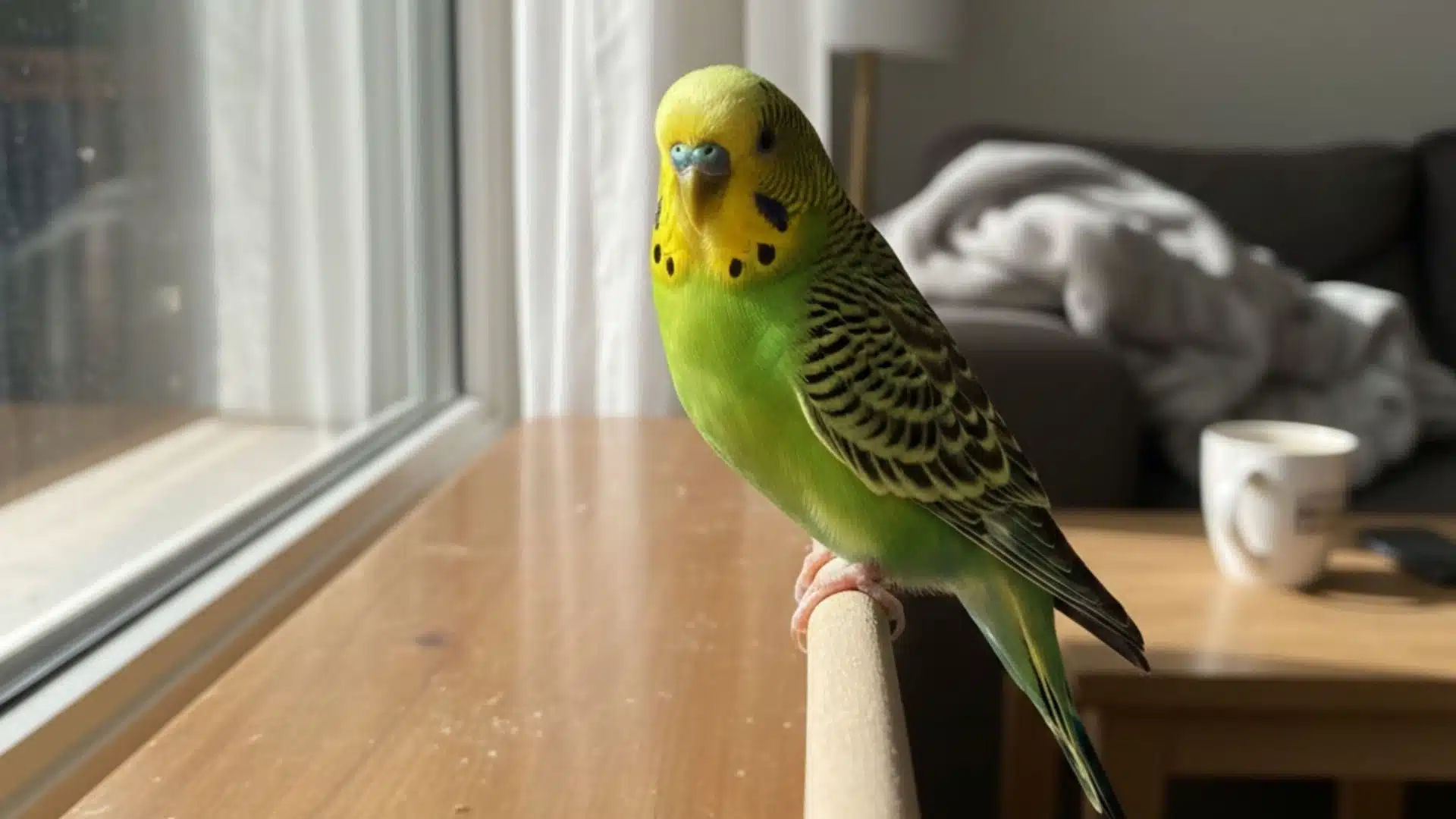
Budgies are small, social birds that bring color and sound to any room. They eat seeds, fresh fruits, and leafy greens.
A medium-sized cage with perches, a cuttlebone, and a few toys is enough.
They enjoy interaction but can also entertain themselves for hours. Clean the cage once a week and replace the food and water daily.
That takes five minutes at most. Budgies live 5 to 8 years and bond easily with their owners. As low-maintenance pets, they’re affordable, cheerful, and don’t take up much space.
11. African Dwarf Frog
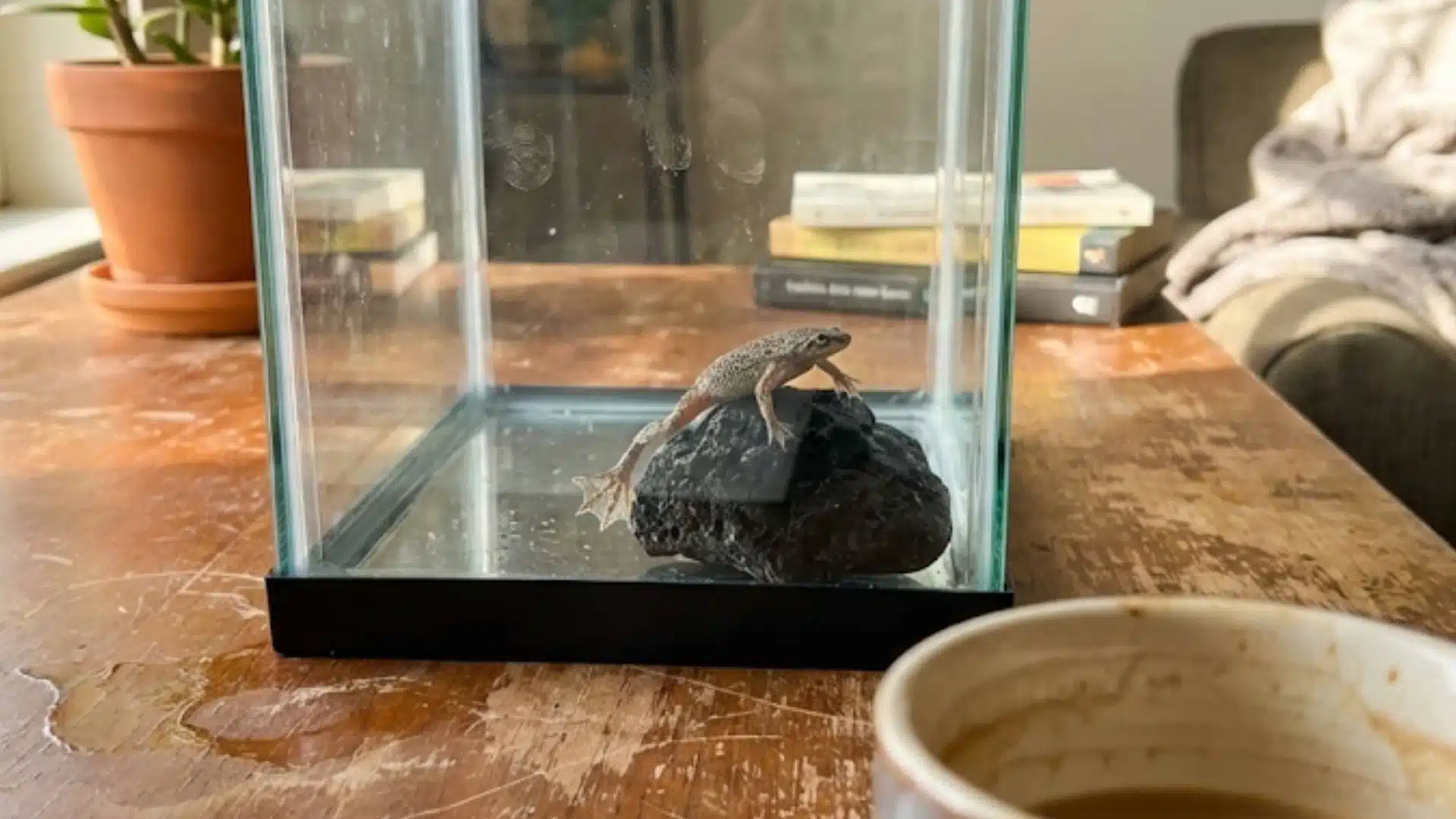
African dwarf frogs are small, fully aquatic pets that thrive in 5-gallon freshwater tanks. They eat freeze-dried bloodworms or brine shrimp a few times a week and grow to about 1 to 2 inches.
These peaceful frogs can be kept with calm fish like guppies and produce minimal waste, requiring water changes every two weeks. They typically live for about 5 years.
While they are legal in most states, it’s important to check local regulations and landlord pet policies before getting one.
12. Guppies
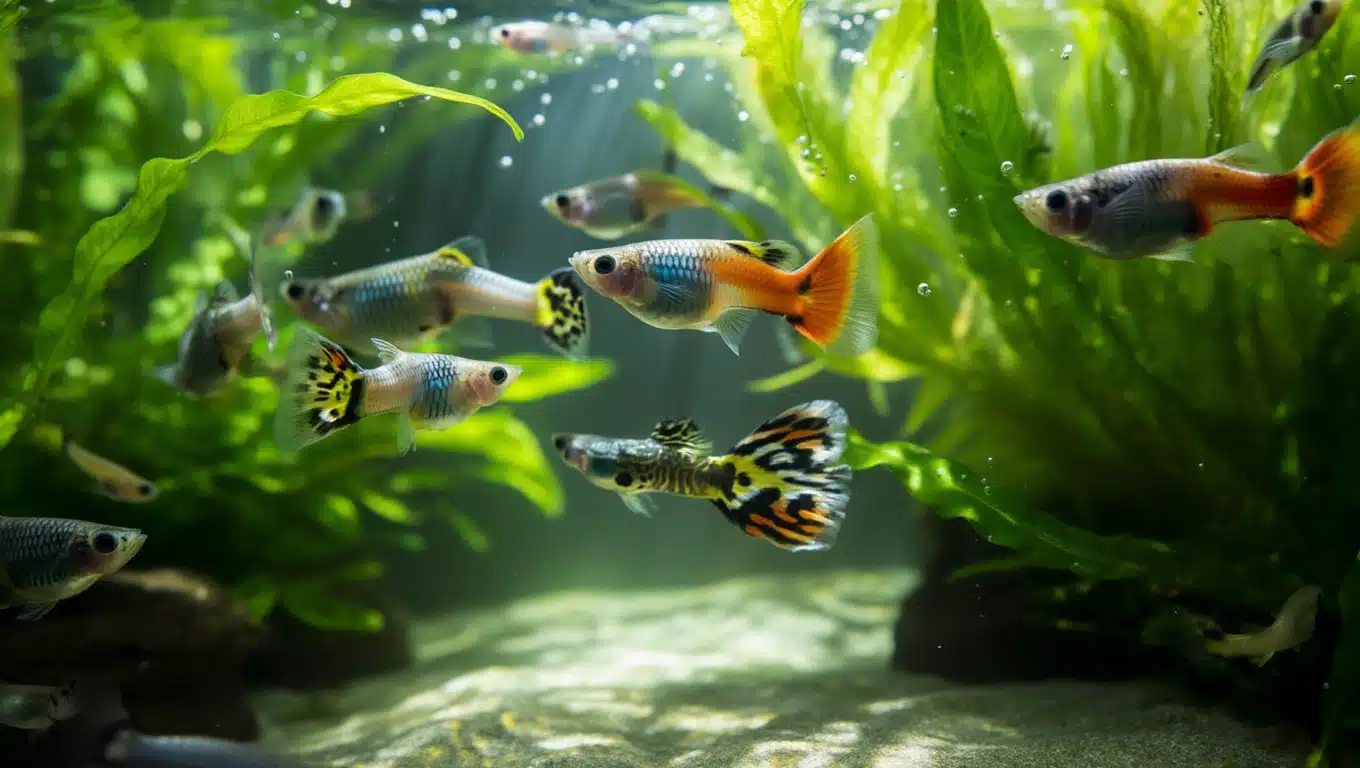
Guppies are hardy, colorful, and one of the best low-maintenance pets for beginner fish keepers. They adapt well to a range of water conditions and eat basic flake food once or twice a day.
A 10-gallon tank with a filter and a heater set to 74-82°F is plenty. Guppies are social and do well in small groups.
They breed quickly, so stick to one gender if you don’t want extras. Partial water changes every 2 weeks keep the tank healthy.
Guppies live 2 to 3 years and add constant movement and color to any space.
13. Snail (Giant African Land Snail or Garden Snail)
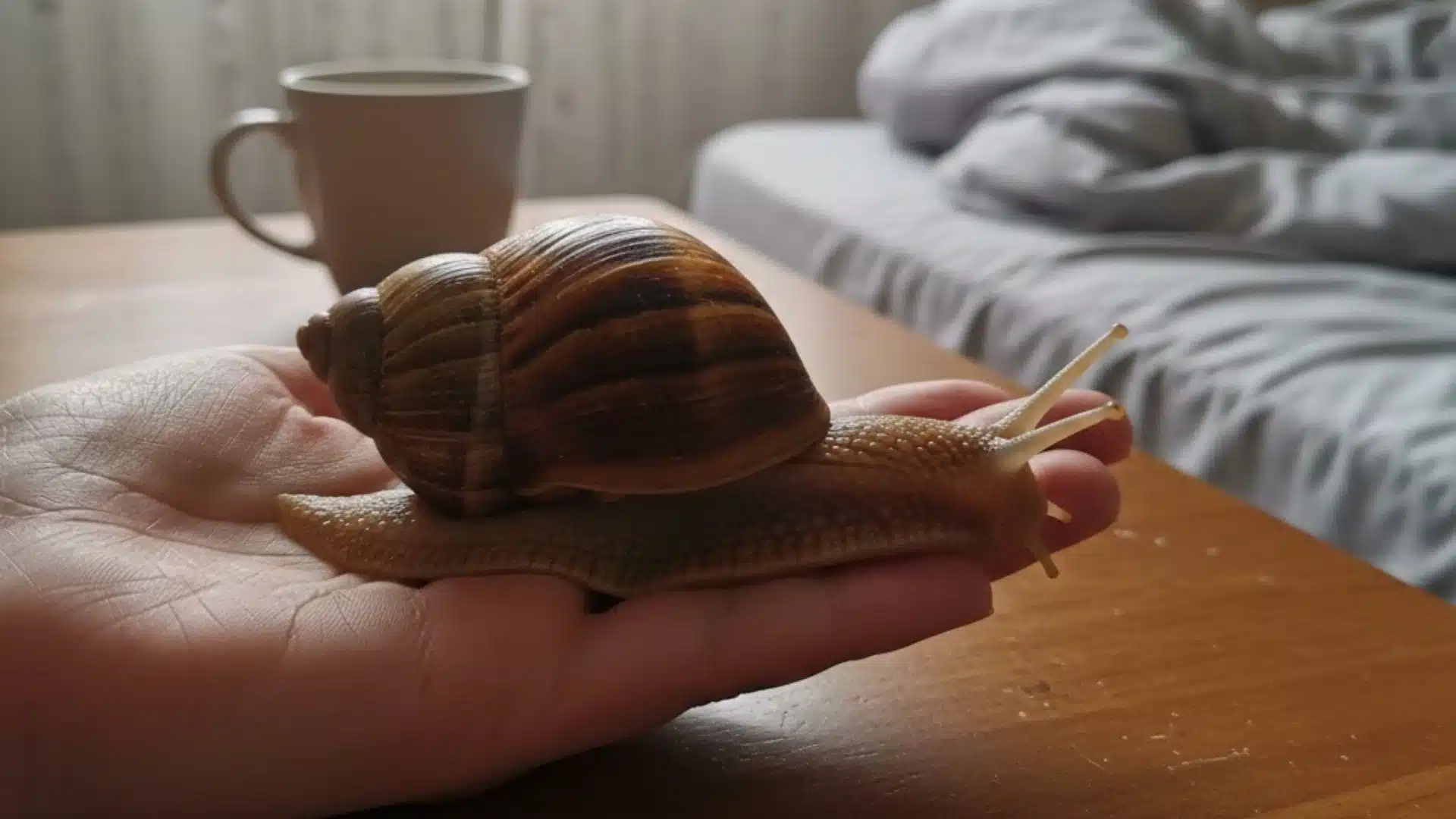
Snails are easy pets that eat leftover fruits, vegetables, and calcium-rich foods like cuttlebone.
They require a small glass tank with damp soil, a water dish, and a ventilated lid. Keep the tank misted for humidity, and clean it weekly.
Snails are silent, slow, and need minimal interaction, living up to 10 years, depending on the species.
While Giant African Land Snails are illegal in the U.S. due to agricultural risks, garden snails and milk snails are legal in most states.
Always check your state’s regulations on exotic invertebrates before purchasing.
14. Tarantula (Chilean Rose Hair)
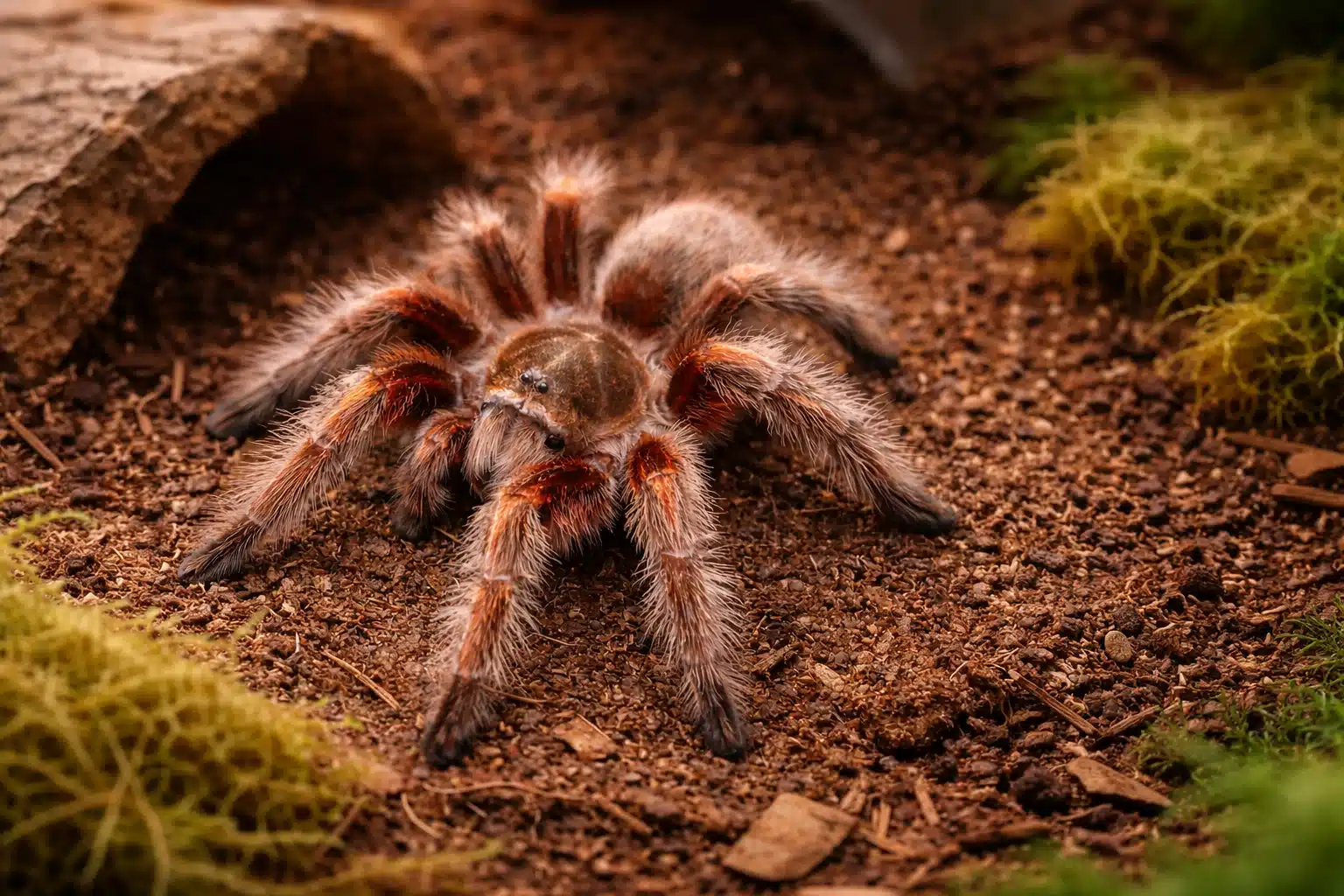
Tarantulas might seem intimidating, but Chilean rose hairs are calm, easy to care for, and low-maintenance.
They require a small tank with coconut fiber bedding, a water dish, and a hiding spot. Feed them one to two crickets weekly, with no need for light or heat lamps in most homes.
Clean the tank monthly. They live 15 to 20 years and are quiet and odorless.
Chilean rose hairs are legal in most U.S. states, but check local laws and lease agreements regarding exotic pet ownership.
15. Sea Monkeys (Brine Shrimp)
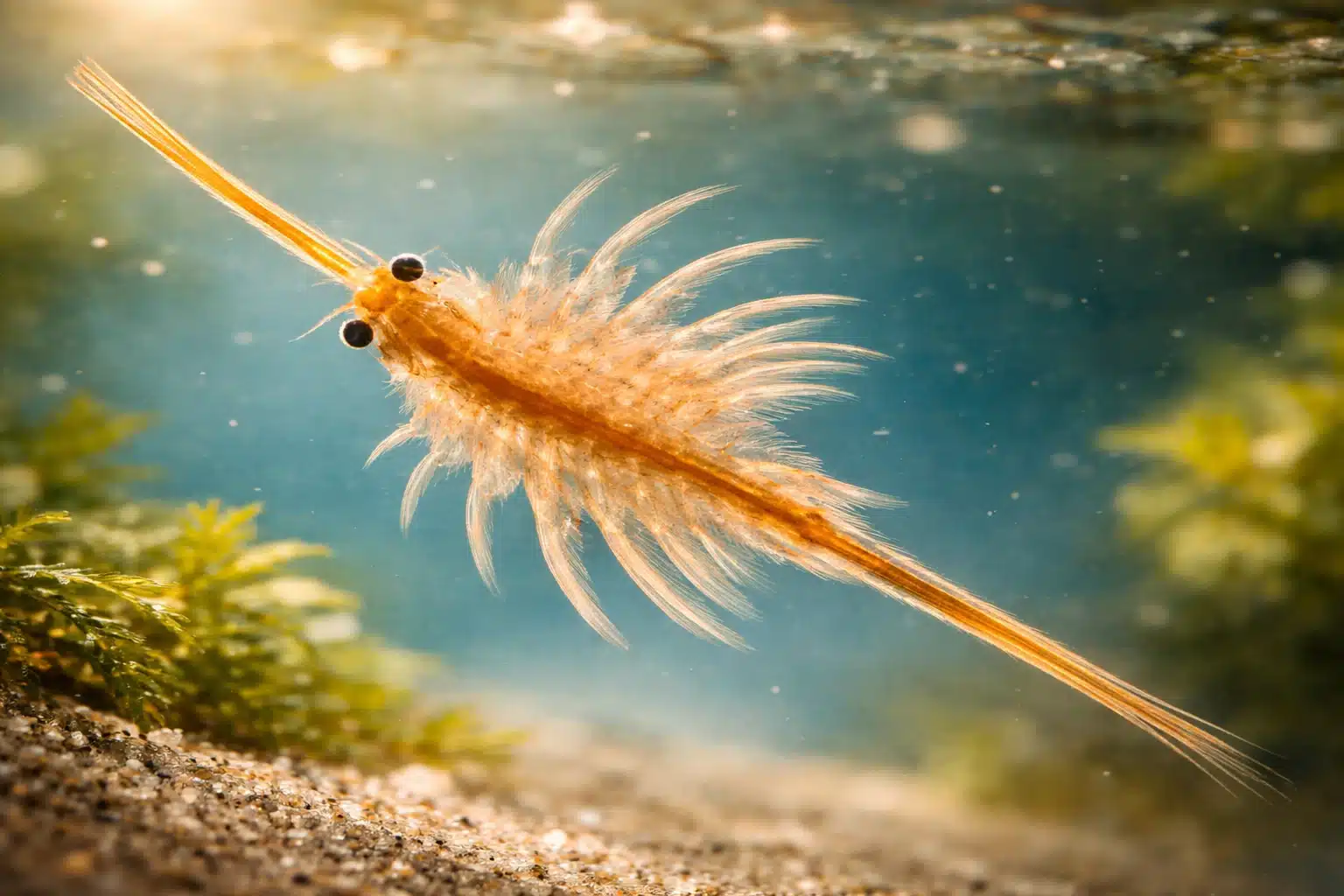
Sea monkeys are about as simple as pet ownership gets. They come in kits with pre-mixed water solutions and food packets.
Add water, wait a few days, and tiny brine shrimp begin swimming around the container.
Feed them once every five to seven days. Keep the tank in a spot with indirect light at room temperature. They live for 1 to 2 years and need almost no attention beyond feeding and the occasional water top-off.
For kids or anyone looking for the lowest-effort pet possible, sea monkeys are a fun, mess-free choice.
16. Stick Insects
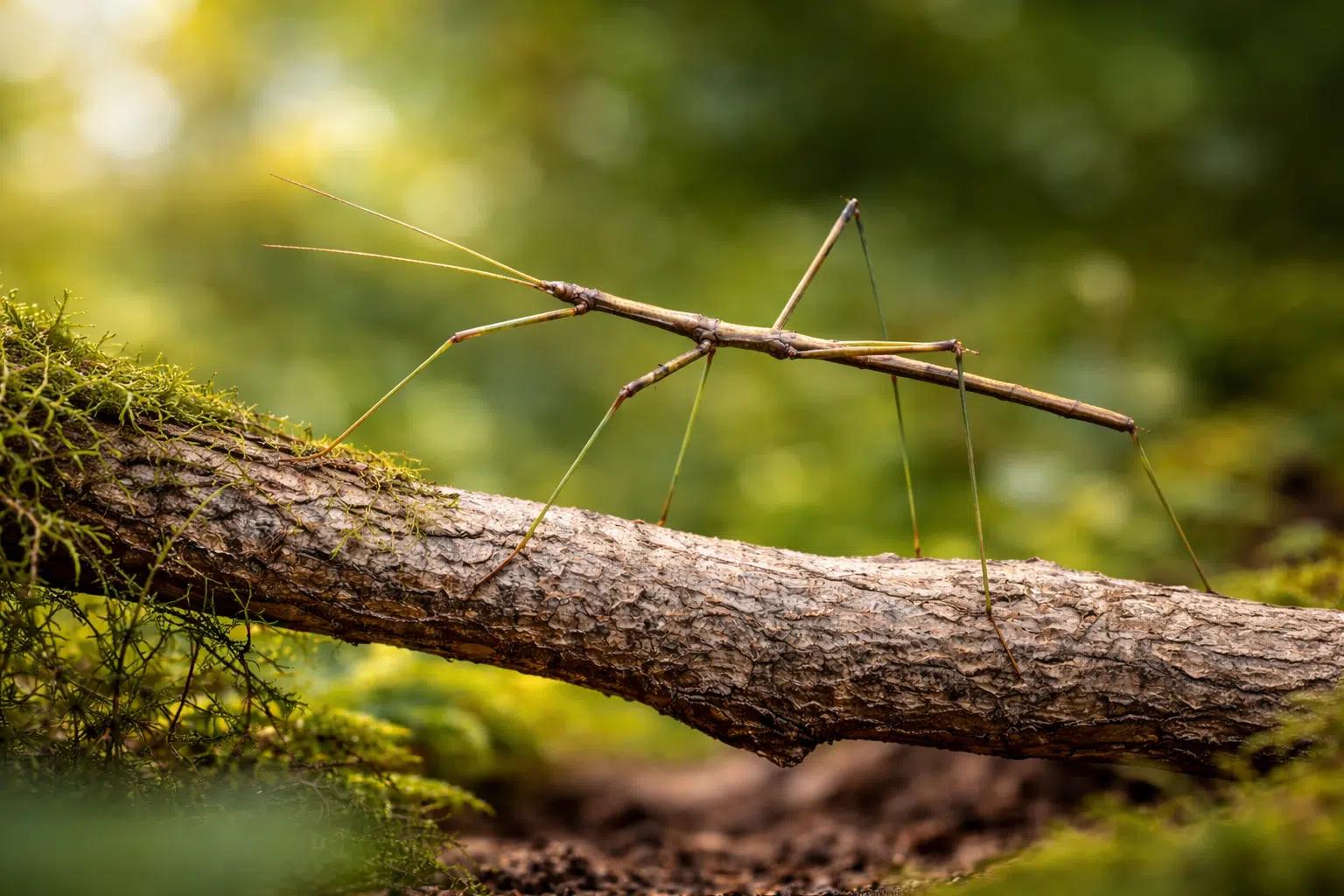
Stick insects are low-maintenance pets that eat fresh leaves from bramble, ivy, or privet.
They require a tall, mesh- or glass-enclosed structure with branches and daily misting. Old leaves should be replaced every few days.
They live for 1 to 2 years, produce minimal waste, and don’t need handling.
Ideal for those wanting a low-effort pet, but check state regulations, as some species may require permits, particularly in states like California.
17. Madagascar Hissing Cockroach
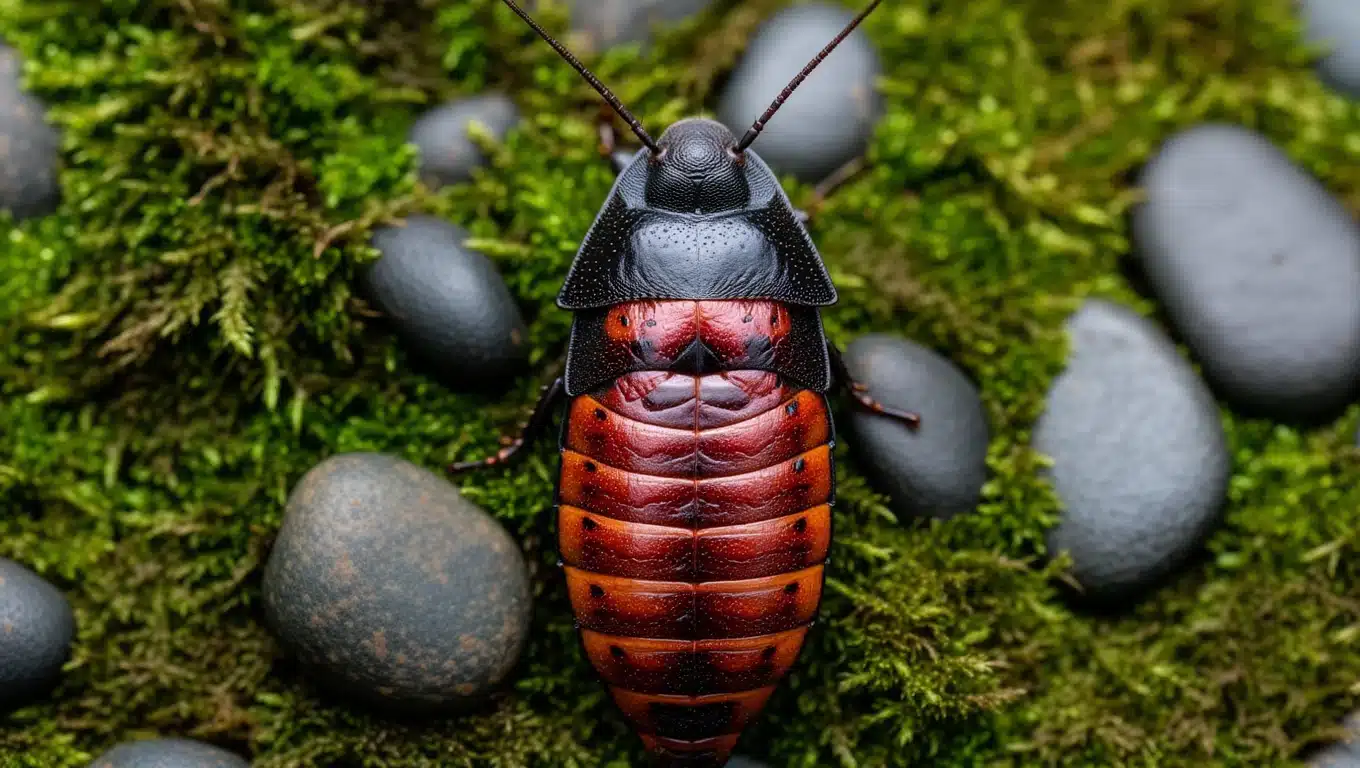
Madagascar hissing cockroaches are clean, quiet, and easy to care for.
They eat fruits, vegetables, and dry dog food. A small tank with coconut fiber bedding, a water dish, and a hiding spot is ideal.
They don’t bite, fly, or smell, living 3 to 5 years in small groups. Clean their tank every two to three weeks.
These low-maintenance pets cost little to feed and require minimal space, making them a unique choice.
Note that they are banned in Florida and restricted in other states, so check local regulations before getting one.
18. Fire-Bellied Toad
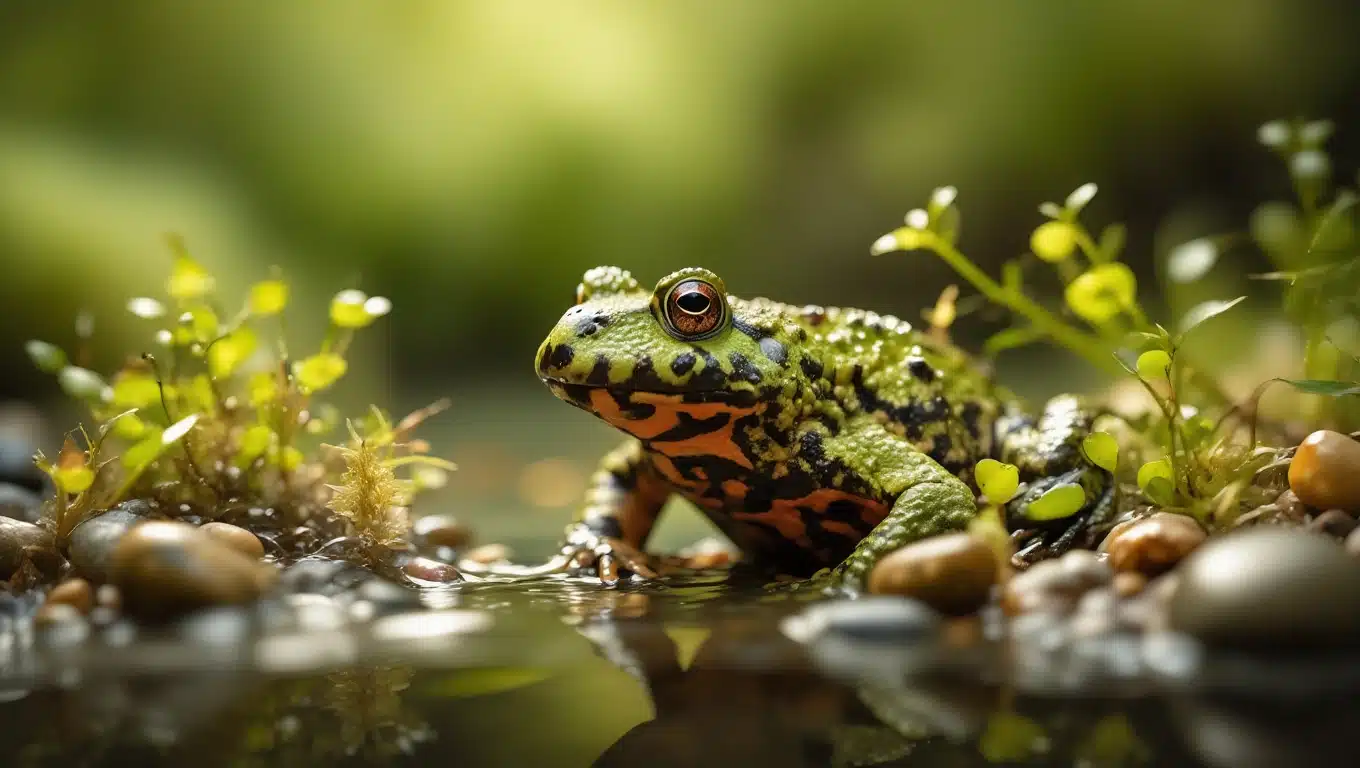
Fire-bellied toads are small, colorful amphibians that thrive in a semi-aquatic tank with both land and shallow water.
Feed them small crickets or bloodworms two to three times a week.
Keep the tank at room temperature, use basic filtration, and mist the land area occasionally. They live 10 to 15 years and are low-maintenance, requiring minimal handling and basic upkeep.
While legal in most states, check local wildlife laws and lease agreements for restrictions, especially in areas like Hawaii that ban most amphibians.
19. Canary
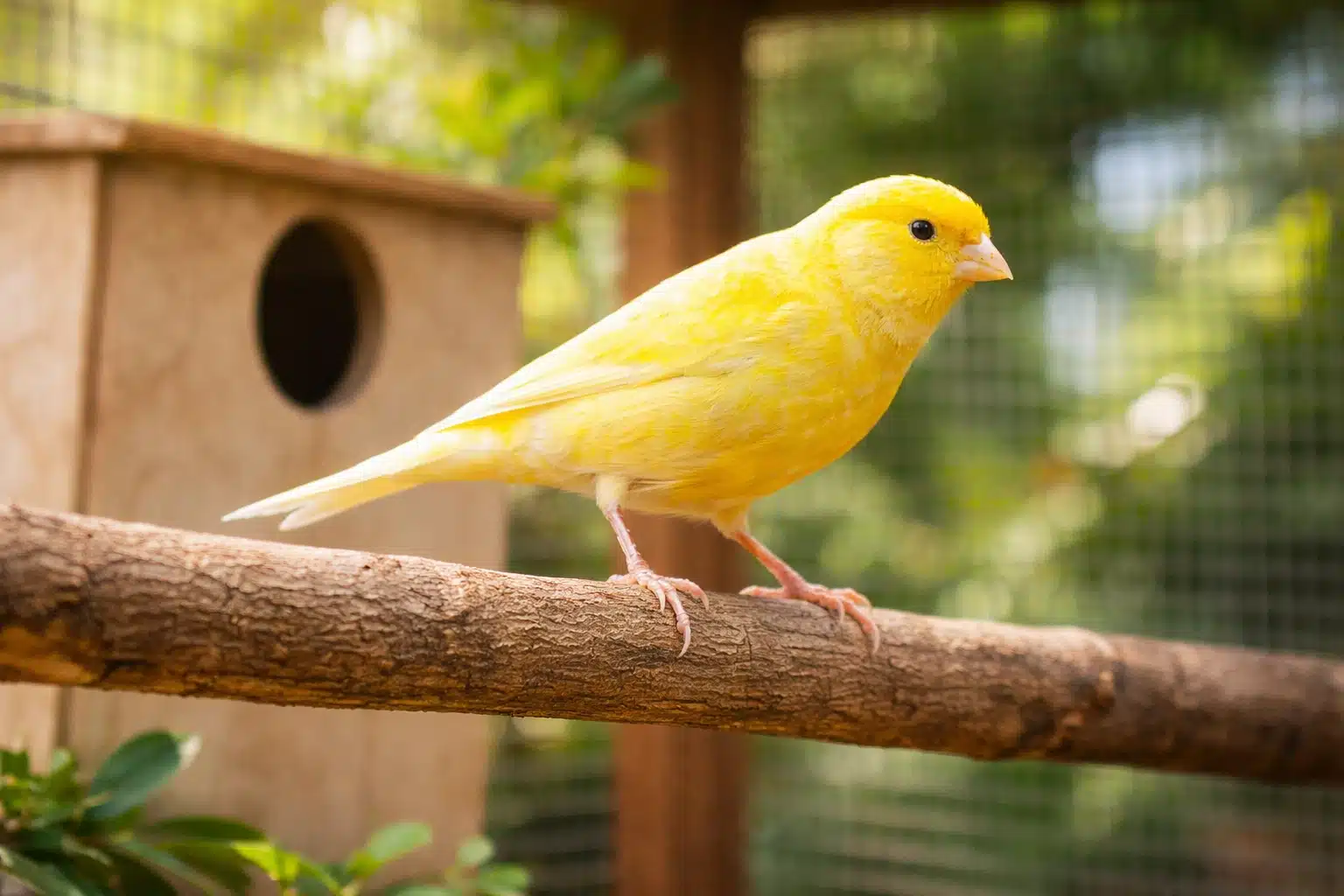
Canaries are bright, melodic, and much more independent than parrots or budgies.
They don’t need to be handled or let out of the cage to stay happy. A roomy cage with perches, a cuttlebone, and a water dish covers their needs.
Feed them canary seed mix and fresh greens a few times a week. Clean the cage weekly. The best low-maintenance pets among birds, canaries, can entertain themselves by singing and hopping between perches.
They live 10 to 15 years and don’t require much social interaction, making them ideal for owners who prefer to watch rather than handle their pets.
How to Pick the Right Low-Maintenance Pet?
Not every low-maintenance pet will suit every home, so thinking about the setup first saves a lot of trouble later.
Small apartments work well for fish, geckos, and hamsters. Larger spaces can handle cats or guinea pigs without any issues.
Budget matters too. Some pets have low upfront costs but require regular supplies such as food and bedding.
Noise levels are another factor, especially in shared spaces. Fish and reptiles are silent, while birds and guinea pigs can be vocal.
Matching a pet to the actual daily routine keeps both the owner and the animal comfortable and stress-free over the long run.
A quick self-check on time, space, and budget goes a long way.
Common Mistakes When Choosing a Pet
Even easy-to-care-for pets can become stressed with the wrong choice. Picking based on looks alone often leads to mismatched expectations.
A cute hamster may cause sleepless nights, while a quiet turtle might bore someone who wants a playful companion.
Buying cheap supplies is another common issue. Low-quality cages, tanks, or food can harm the pet’s health and end up costing more down the line.
Not planning for lifespan is also a mistake. Some low-maintenance pets live over 20 years, so being ready for that kind of commitment matters.
Taking a few hours to read up on a specific pet before buying can prevent most of these problems entirely.
Tips for First-Time Pet Owners
Starting with a pet can feel like a big step, and small habits make a huge difference early on.
- Pet’s Space: Prepare the pet’s living environment with food, a clean habitat, and necessary supplies before bringing them home to help them settle in quickly.
- Feeding Schedule: Establish a consistent feeding routine, as most low-maintenance pets thrive on regular schedules.
- Avoid Overfeeding: Be cautious not to overfeed your pet, as this can lead to health issues in fish, reptiles, and small mammals.
- Keep the Living Area Clean: Maintain cleanliness in the pet’s living space to prevent unpleasant odors and the buildup of diseases over time.
- Handling: Allow your pet time to adjust to their new environment before handling them, ensuring a smoother transition when picking them up or moving them.
Conclusion
A busy life doesn’t mean you can’t have a pet. It just means picking the right one.
I hope this list gave you a clearer picture of which low-maintenance pets actually live up to the name.
Every animal on this list keeps things simple. Small setups, basic diets, and short daily routines. Some even need just a few minutes a week.
If one of these caught your eye, take a few minutes to read more about that specific pet before committing. A little research upfront saves a lot of surprises later.
Got a favorite from this list? Drop it in the comments. I’d love to know which one fits your life best.