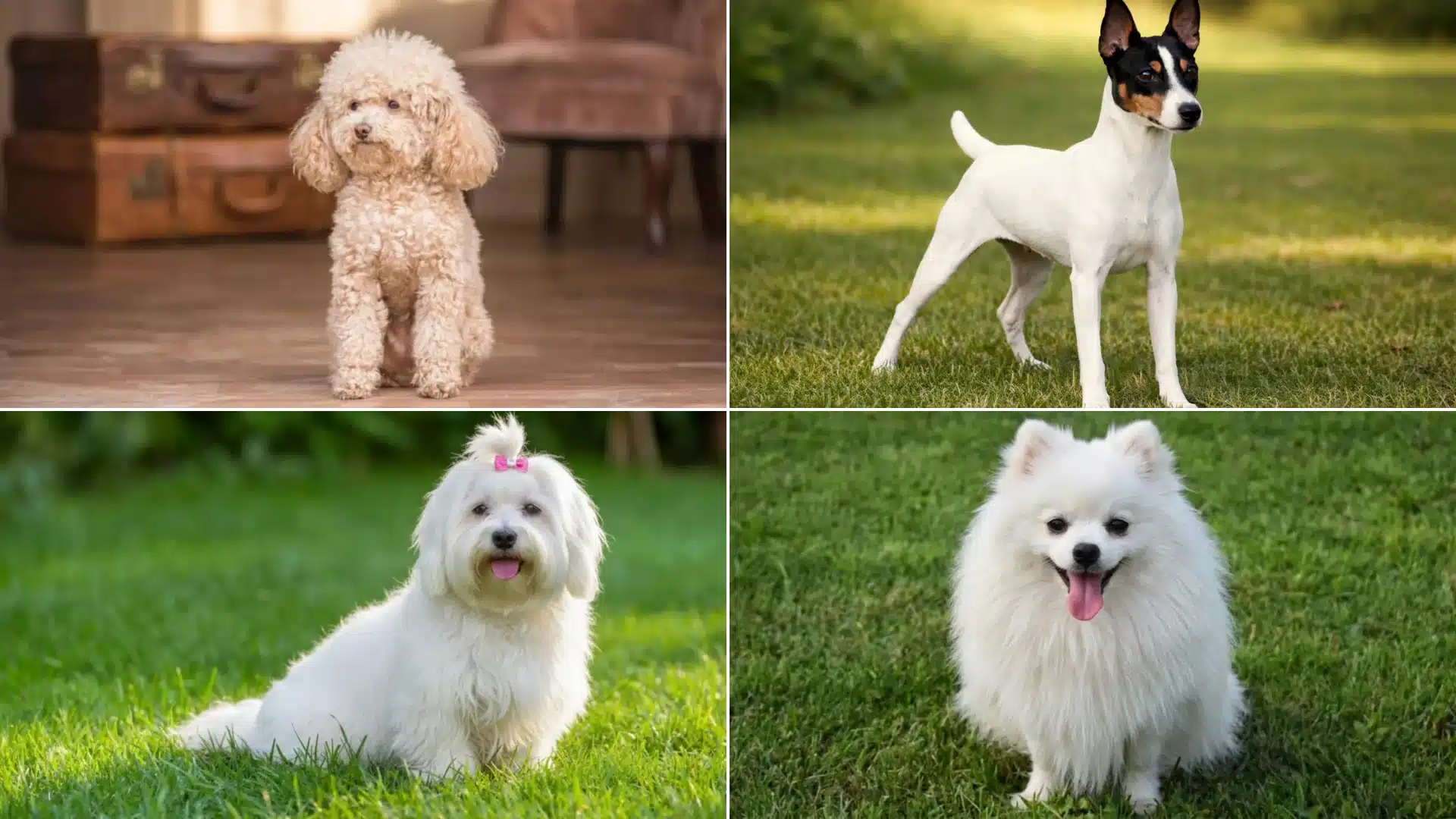
My neighbor spent three years scrolling through dog photos every night, wishing she could bring one home.
Every time she visited a friend’s house, her eyes would water, and her nose would run within minutes, and she thought allergies had closed the door on the possibility of owning a dog.
The truth is, millions of people face the same situation. If you’re searching for hypoallergenic dog breeds, you’re probably hoping to avoid allergic reactions while still enjoying life with a pup.
Here’s what you need to know: no dog is 100% allergen-free, but certain breeds produce significantly less dander and shed very little, making them much easier on sensitive noses.
In this blog, you’ll get a clear look at what actually makes a dog easier on allergies. I’ll list the best hypoallergenic dog breeds, sort them by size, and bust some common myths.
You’ll also find real-owner stories and simple care tips so you can finally find a four-legged friend who fits your home and your health.
What Are Hypoallergenic Dog Breeds?
This term simply means these breeds produce fewer allergens than others, making them a better choice for people with allergic sensitivities.
The sneezes and itchy eyes aren’t caused by fur itself. It comes from proteins found in dander (dead skin cells), saliva, and urine.
Hypoallergenic breeds typically have low-shedding coats that trap dander near their bodies rather than releasing it into the air. Many have curly or wiry hair that doesn’t fall out as easily.
The American Kennel Club explains that individual dogs and people react differently. That’s why spending time with a breed before adopting is the smartest move.
While no breed guarantees zero reactions, these dogs give allergy sufferers a much better shot at comfortable cohabitation.
What Makes Certain Dogs Better for Allergy Sufferers?
Some dogs are simply kinder to allergies because of the way their coats grow. Dogs with single-layer fur and minimal undercoat produce less dander overall.
Allergy-friendly breeds often have just one layer. Their hair grows in tight curls or wiry strands that hold onto skin flakes instead of letting them fly everywhere.
Curly or wiry hair types work especially well because they trap loose skin cells and allergens close to the body instead of letting them float around your living room.
Breeds like Poodles and Portuguese Water Dogs have tightly curled coats that catch dander before it becomes airborne.
Wire-haired breeds such as Schnauzers have a coarse texture that sheds less frequently. These coat types need regular grooming to remove trapped allergens, but that’s actually a good thing.
Best Hypoallergenic Dogs
Sorting hypoallergenic dog breeds by size makes it simple to choose one that fits your home and daily routine.
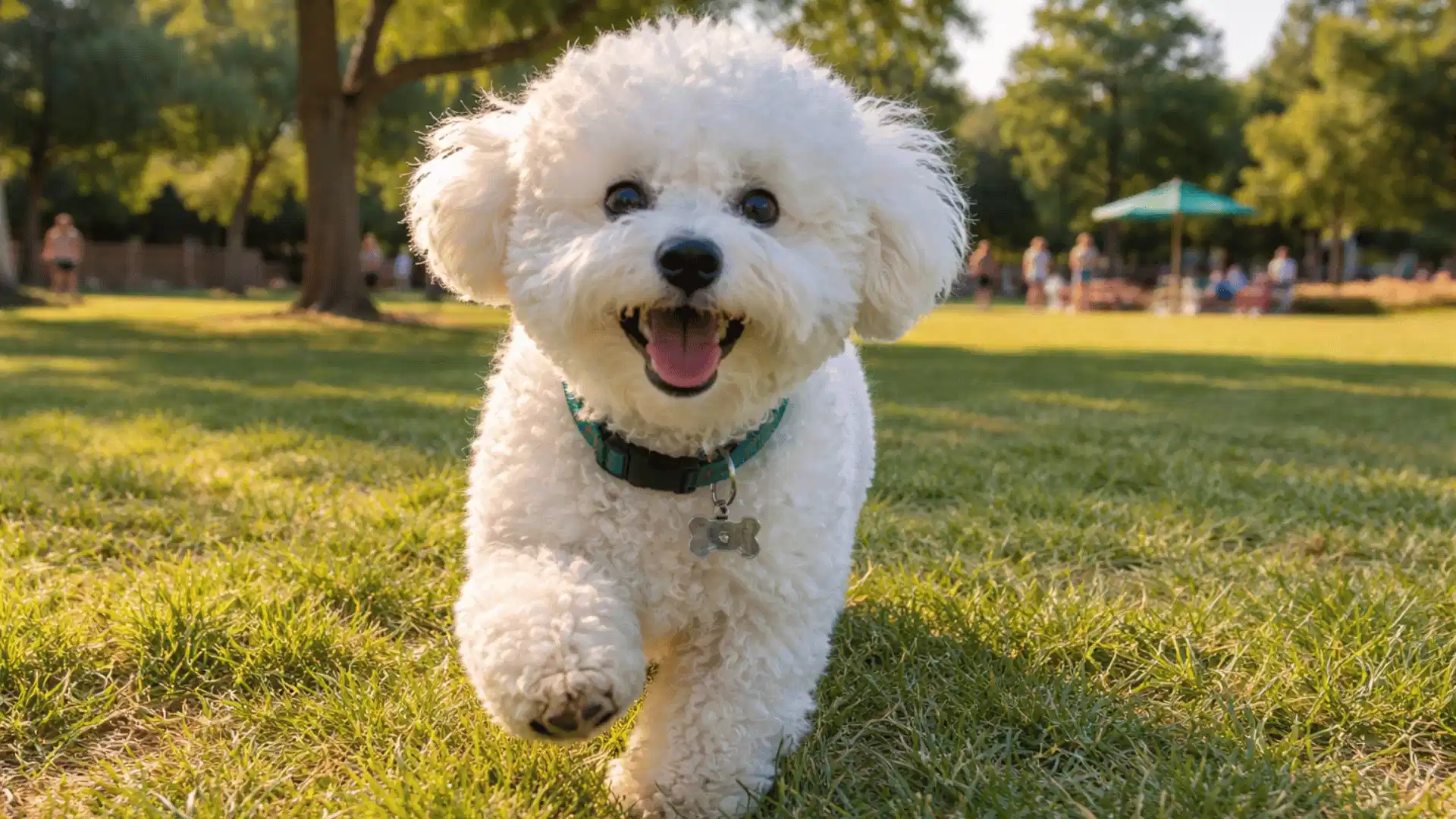
1. Bichon Frise
The Bichon Frise is a cheerful little snowball of a dog. These pups stay happy and playful even as they grow older.
Their soft, curly coat sheds little because loose hairs stay trapped inside rather than floating around your house. That is why so many people with allergies do well with them.
You will need to brush the coat daily and visit a groomer every four to six weeks to prevent mats from forming. Bichons love short walks, games, and lots of cuddles.
They fit nicely in apartments and get along great with kids and other pets.
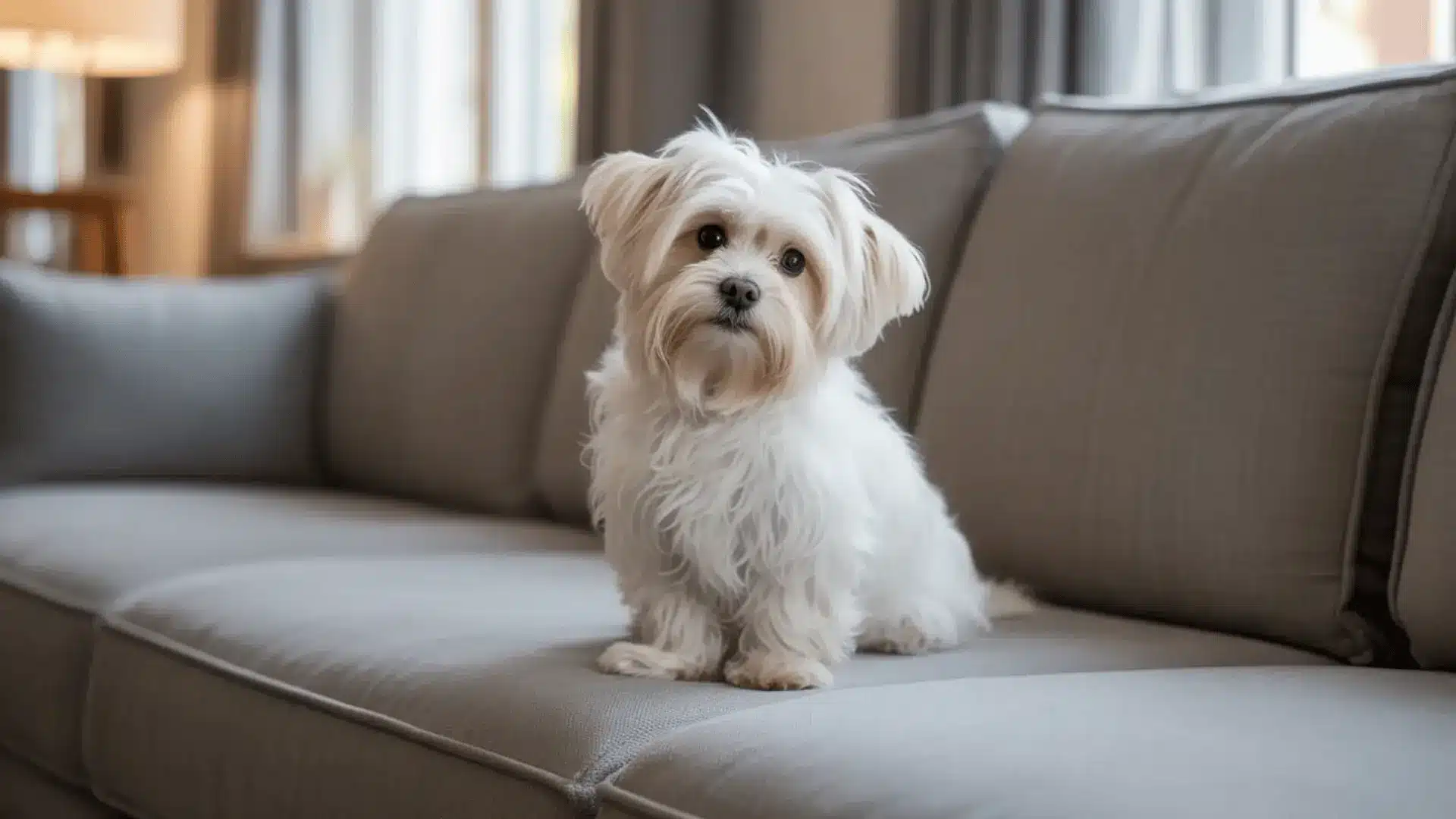
2. Maltese
Maltese dogs look like tiny white clouds with bright, dark eyes. They are brave, playful, and full of energy despite their small size.
Their long, silky hair does not shed much, so less dander spreads through the air. This makes the Maltese a solid choice for allergy sufferers.
Brush the coat daily to keep it tangle-free, and plan regular trips to the groomer. These dogs enjoy lap time, gentle play, and following you from room to room.
They adapt easily to apartment life and make loyal companions for singles and families alike.
3. Shih Tzu
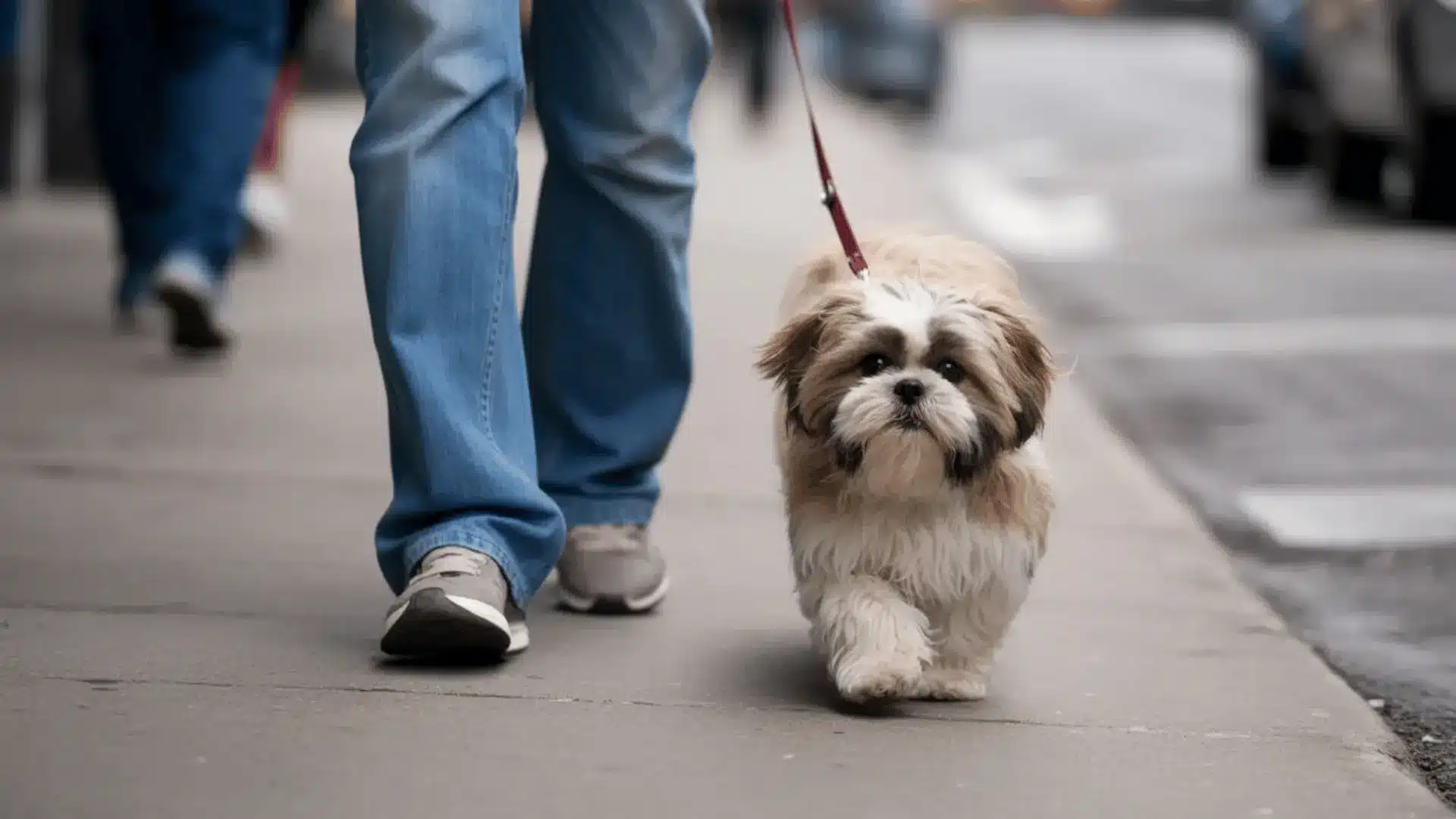
Shih Tzus carry themselves like little kings and queens. They are affectionate, outgoing, and love to sit on your lap or play short games.
Their long double coat sheds very little, trapping dander close to the skin. Many families with allergies find them comfortable to live with.
Daily brushing and grooming every four to six weeks keep their beautiful coat looking its best.
Shih Tzus stay happy in small homes and do well with older children who treat them gently. They bring calm, loving energy to any household.
4. Havanese
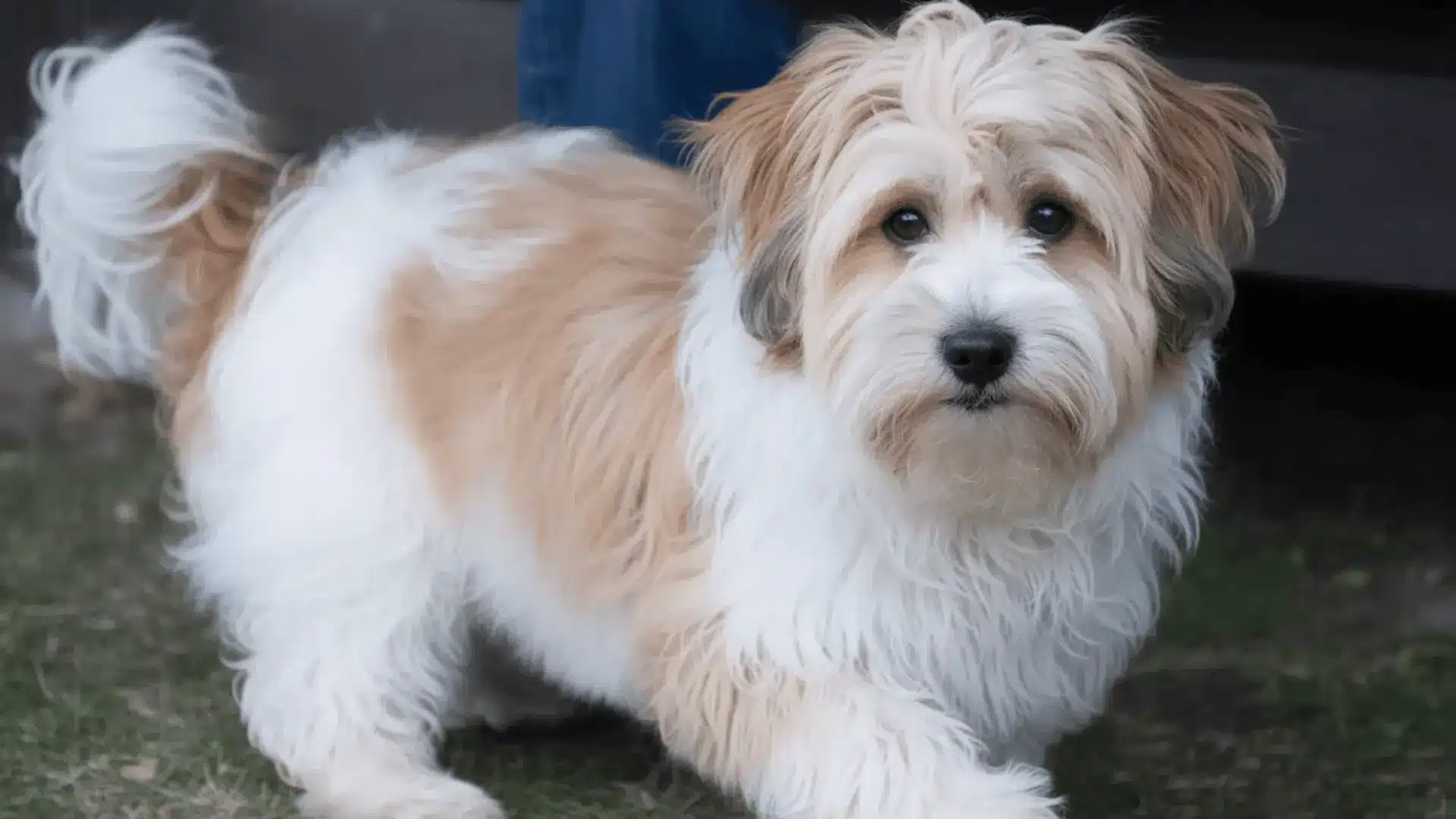
Havanese dogs are friendly and smart little clowns from Cuba. They enjoy learning tricks and staying close to their people.
Their silky coat is low-shedding, which helps keep allergens down. The hair grows long and soft, so it holds dander instead of letting it float free.
Brush a few times a week and schedule grooming every month or two. These dogs stay small and do fine in apartments, yet they also love a backyard for short romps.
They are gentle with kids and make wonderful family pets.
5. Miniature Poodle
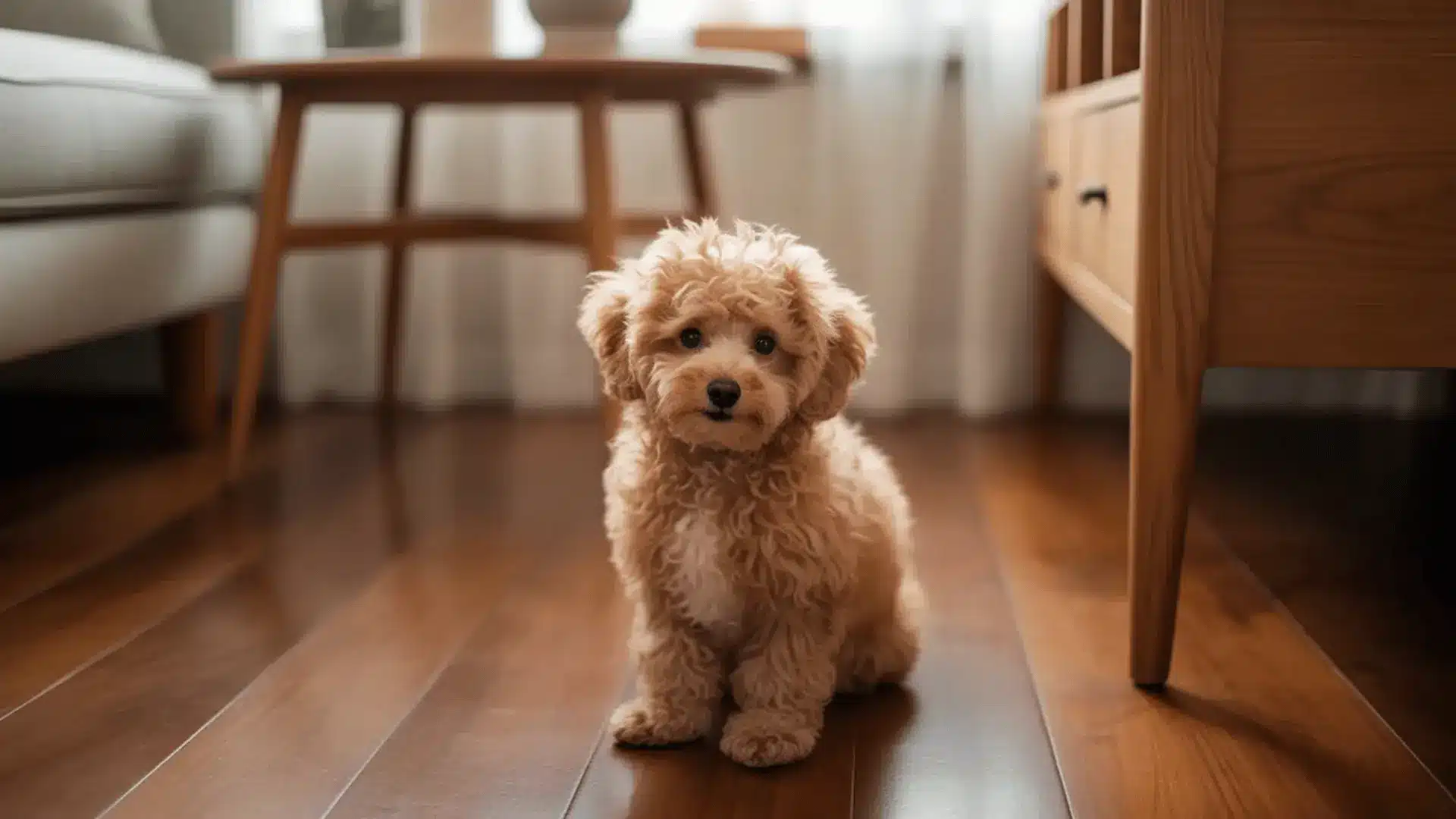
Miniature Poodles are clever, active, and always ready to learn. Their tight curly coat is one of the most allergy-friendly because it sheds almost nothing and traps dander inside the curls.
Many people who react to other dogs breathe easily around them. You will need regular brushing at home and professional grooming every four to six weeks to keep the coat neat.
These dogs weigh about 10 to 15 pounds and fit well in apartments or houses. They enjoy daily walks and mental games like puzzle toys.
6. Portuguese Water Dog
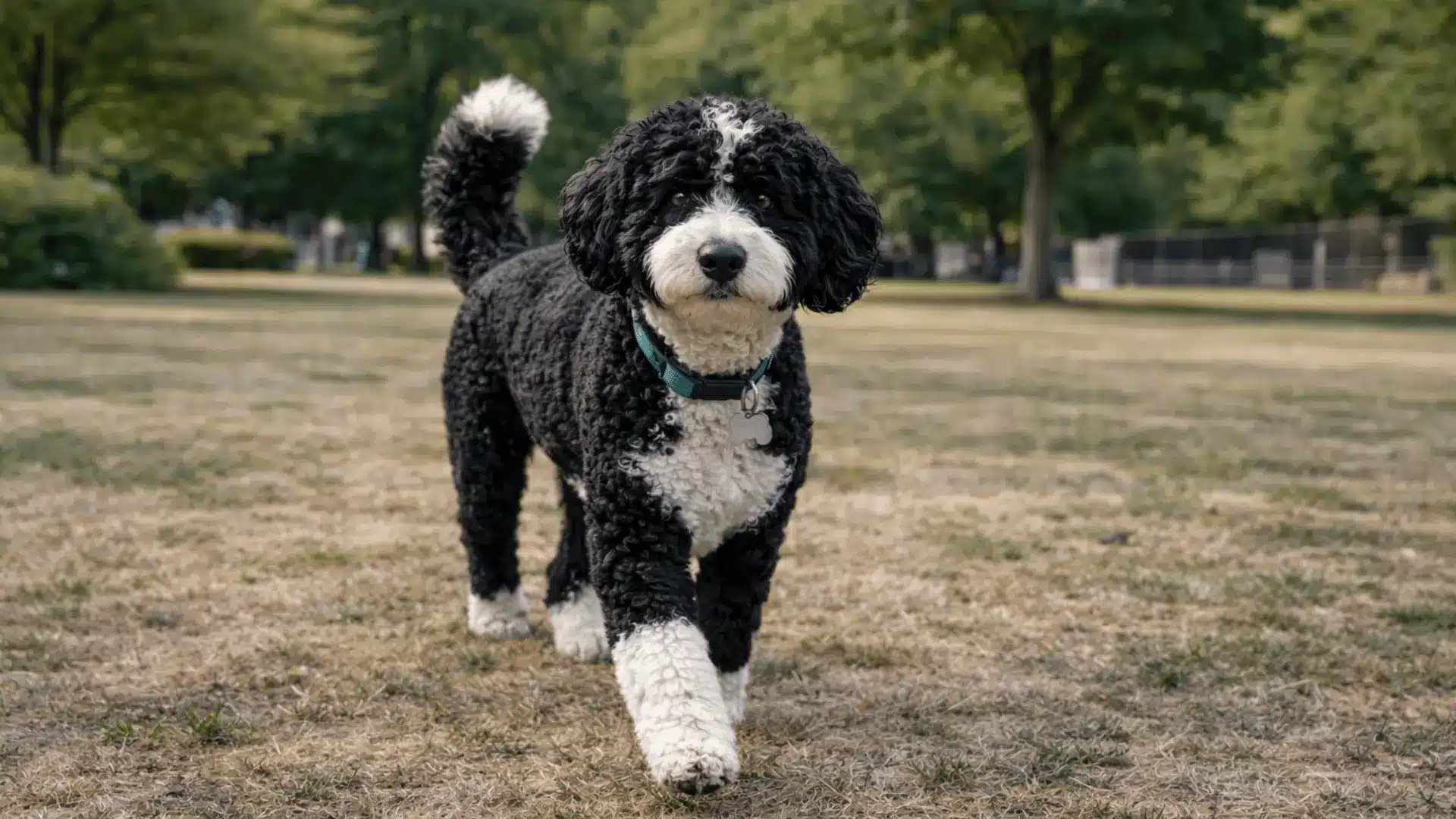
Portuguese Water Dogs are strong, smart, and full of life. They were bred to help fishermen, so they love water and activity.
Their wavy or curly coat sheds very little and holds dander tightly, making them a favorite for allergy sufferers.
Brush the coat regularly and groom every six to eight weeks. These dogs need daily exercise and do best with active families who have time to play.
7. Standard Poodle
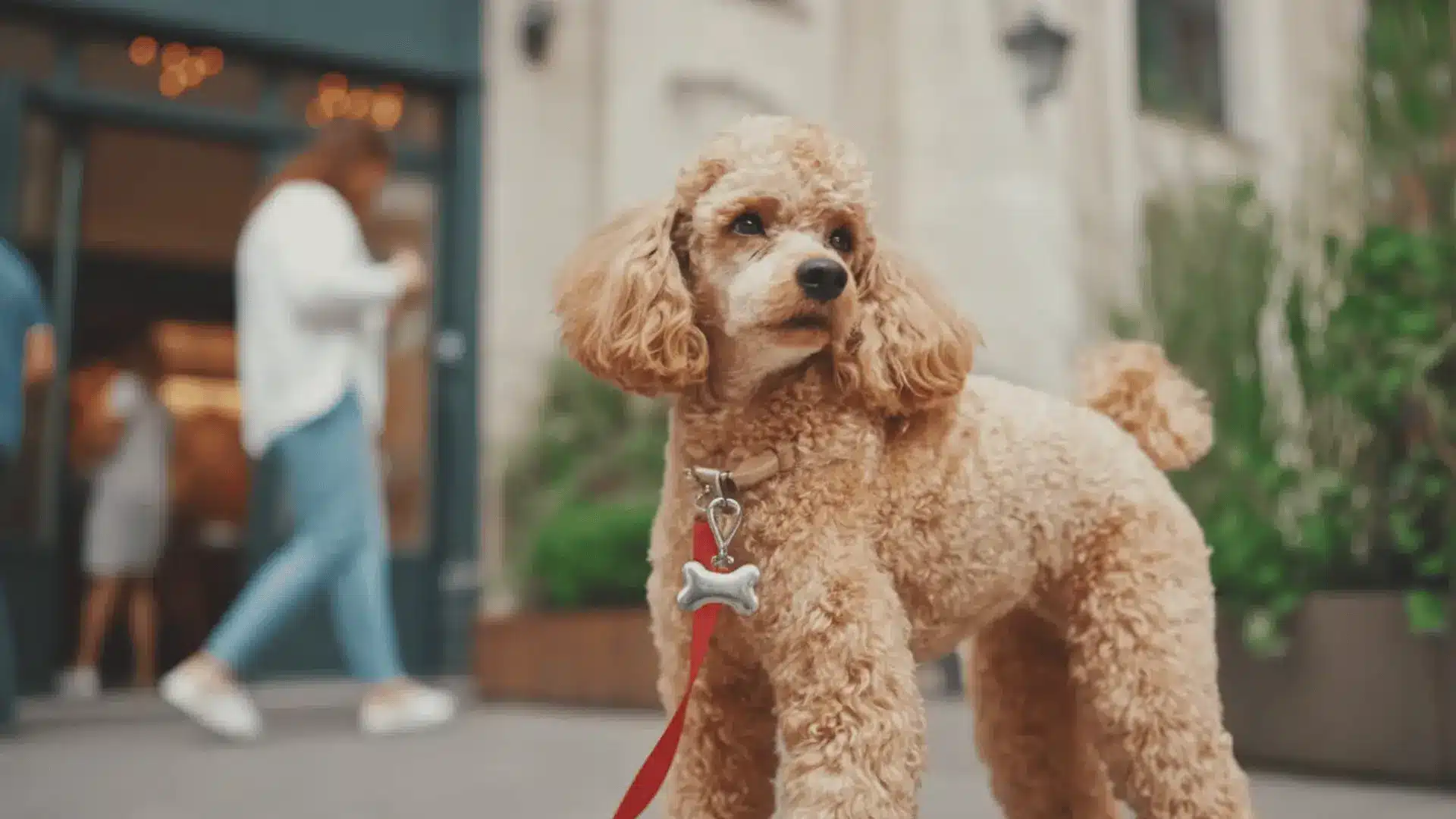
Standard Poodles are elegant, intelligent dogs that stand tall and move with grace. Their dense curly coat is famous for being low-shedding and great for people with allergies.
Loose hairs and dander stay caught in the tight curls instead of spreading around the home. Brush several times a week and book professional grooming every four to six weeks.
These dogs weigh 40 to 70 pounds and need daily walks plus mental challenges. They are loyal, gentle with kids, and quick to learn new commands.
Are Doodle Mixes Good Hypoallergenic Dogs?
Many families fall in love with Labradoodles, Goldendoodles, and other poodle mixes because they hope for a friendly dog that is easy on allergies.
When a Doodle puppy gets the Poodle’s tight, curly coat, it often works really well. The curls trap dander close to the body, so less hair and allergens float around the house.
That is exactly why so many people with allergies swear by their Doodles and say their pup finally let them enjoy dog cuddles without sneezing.
But the truth is that doodles are mixes, so their coats can be a surprise. Some puppies grow curly hair like a poodle, while others end up with straighter or wavy fur that sheds more.
When that happens, dander spreads more easily, and allergies can still flare up.
The American Kennel Club reminds us that no dog is 100 percent hypoallergenic. The best way to know for sure is to spend real time with the exact dog you are thinking about adopting.
Community Insights from Hypoallergenic Dog Owners
On Reddit, many allergy-sensitive dog owners emphasize that no dog is truly hypoallergenic.
Individual reactions vary and depend on the person and the dog’s specific traits rather than the breed label itself.
Users suggest low-shedding breeds such as poodles, Bichon Frises, Shih Tzus, Portuguese Water Dogs, and terriers.
These dogs with wiry coats often trigger fewer symptoms, like sneezing or itchy eyes, compared with heavy shedders like German Shepherds or Huskies.
Some owners said they tolerated mini schnauzers or toy poodles well, while others still reacted to poodles, underscoring the personal nature of allergies.
Many recommend meeting specific dogs first and testing time with them before committing.
Overall, Redditors suggest focusing on coat type and grooming habits as much as on breed when choosing a pet that is likely to be easier on allergies.
Grooming & Care Tips for Hypoallergenic Dog Breeds
Owning a hypoallergenic breed requires some upkeep to keep allergens at bay. Regular grooming removes trapped dander and keeps your dog’s coat in top shape.
- Weekly Brushing Sessions: Remove loose hair and dander before it spreads much
- Professional Grooming Every Month: Book appointments every four to six weeks for deep cleaning and coat maintenance.
- Use Hypoallergenic Shampoo: Choose gentle, irritation-free formulas that reduce dander
- Run Air Purifier Daily: HEPA filters capture airborne allergens, improving overall air quality.
- Wash Dog Bedding Weekly: Hot water kills allergens that accumulate in dog bedding.
- Bathe Your Dog Regularly: Monthly baths help control dander buildup
- Vacuum Furniture Often: Use a vacuum with HEPA filtration to clean couches and carpets thoroughly.
Conclusion
The right hypoallergenic dog breed can open the door to years of happy companionship for anyone who once believed allergies ruled out owning a dog.
Every breed we covered shares the same key advantage: coats that trap dander and shed very little.
Still, the real secret is straightforward. Spend relaxed time with dogs of multiple breeds to figure out which one works the best for you. You might just find your perfect match waiting
Once you adopt the right dog, follow proper grooming and cleaning routines to keep allergens under control.
When those simple steps come together, allergies quietly fade into the background, and the best part of dog life takes center stage.
Which hypoallergenic dog breed caught your attention most?
Drop a comment below and share your own story. I’d love to hear your experiences!
Frequently Asked Questions
Should I See an Allergist Before Adopting a Hypoallergenic Dog?
Yes. An allergist can test your sensitivity and recommend medications or shots to make life with a dog much easier.
Can I Own a Hypoallergenic Dog if I Have Severe Asthma?
Yes, many people with asthma do well, but see your doctor first and combine the dog with air purifiers and medication.
Are Hypoallergenic Breeds Good for Families with Young Children?
Most hypoallergenic breeds are gentle and patient, but it’s always important to match the dog’s energy level to your kids’ ages and activity levels.