Bringing home a new puppy is exciting, but figuring out what to feed them can feel overwhelming.
Shelves are packed with options, bold claims, and confusing labels. Every brand promises to be the best dog food for puppies.
So how do you really choose the best when your little companion depends on you for healthy growth?
Many pet parents search for the best dog food after noticing tummy troubles, low energy, or picky eating habits. Others want expert advice before making a mistake.
From wet recipes to the best dry puppy food, each choice plays a role in your puppy’s development. Small and large breeds also have different needs, making the decision important.
Read through the blog to learn food options for dogs, how to choose the best puppy food, and mistakes to avoid while feeding your dog.
Why Puppy Nutrition Matters?
Puppy nutrition matters because growing dogs need more than adult maintenance formulas.
The best dog food for puppies is specially made to support rapid growth, strong bones, and brain development.
Puppies require higher calories for energy, increased protein for muscle growth, DHA for healthy brain and vision development, and carefully balanced calcium and phosphorus.
Adult dog food does not provide these levels in the right proportions.
According to AAFCO guidance, selecting food based on a dog’s specific life stage is essential because nutrient requirements change significantly as puppies grow and develop into adulthood.
Small breeds need calorie-dense food for faster metabolism, while large breeds require controlled growth formulas to prevent joint and bone issues.
How Vets Recommend Choosing Puppy Food?
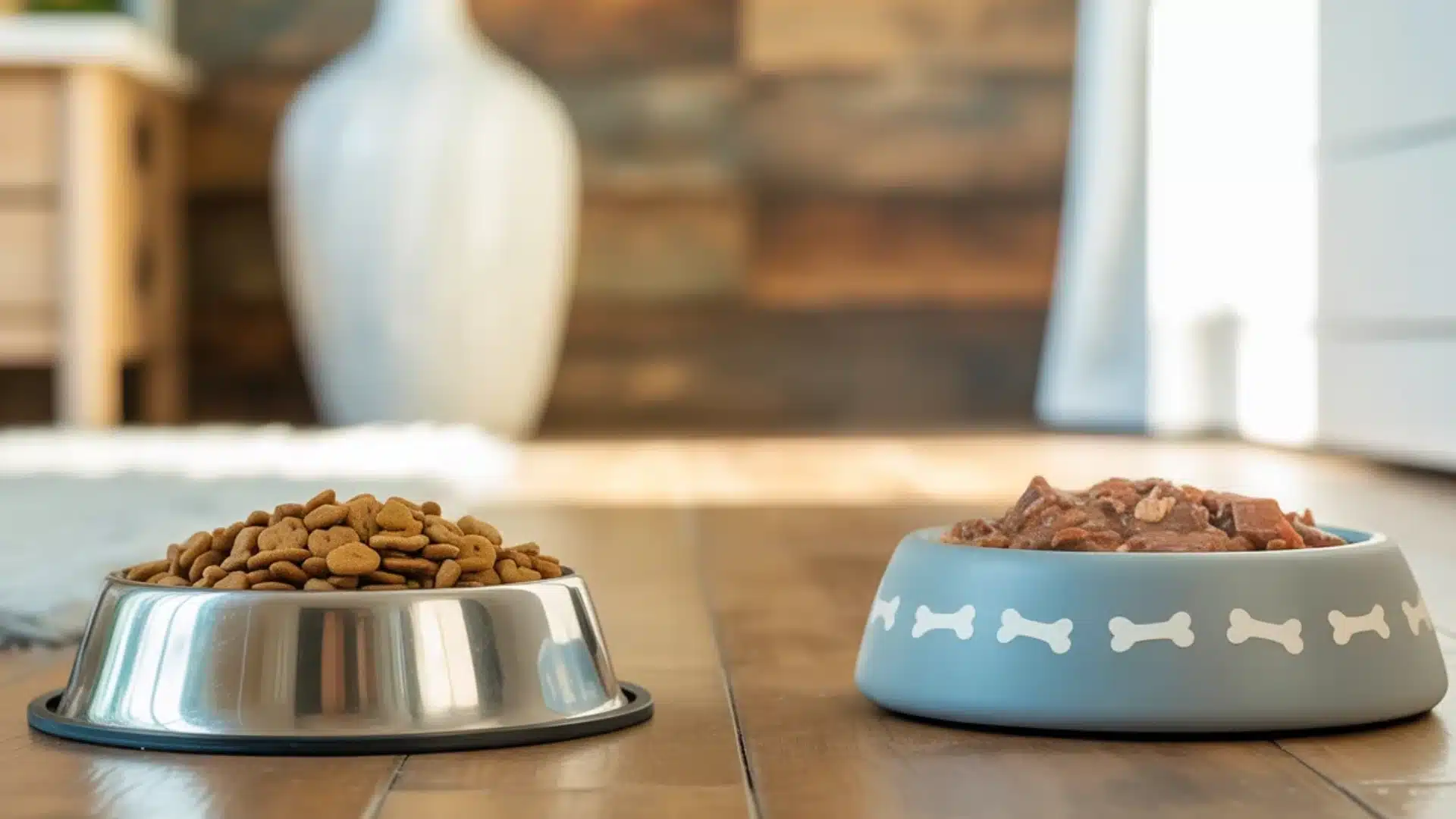
Choosing puppy food based on clear nutritional standards and your dog’s specific needs.
The best dog food for puppies should be labeled complete and balanced, meaning it meets AAFCO nutrient profiles for growth.
Vets look for formulas designed for breed size, and digestive health is another priority, so many vets suggest options with probiotics or easily digestible ingredients.
It is also important to avoid harmful additives, artificial colors, and vague ingredient descriptions.
Trusted veterinary organizations like AAHA stress the importance of proper nutrition and consulting a professional when selecting food.
When reading labels, check protein percentage, DHA for brain development, balanced calcium and phosphorus levels, and avoid misleading marketing claims that lack nutritional proof.
Best Dog Food for Puppies
Choosing the right food during the first year of life makes a big difference in growth, digestion, and overall health. Puppies need balanced nutrition that supports bones, muscles, and the brain.
1. Royal Canin Puppy Formula
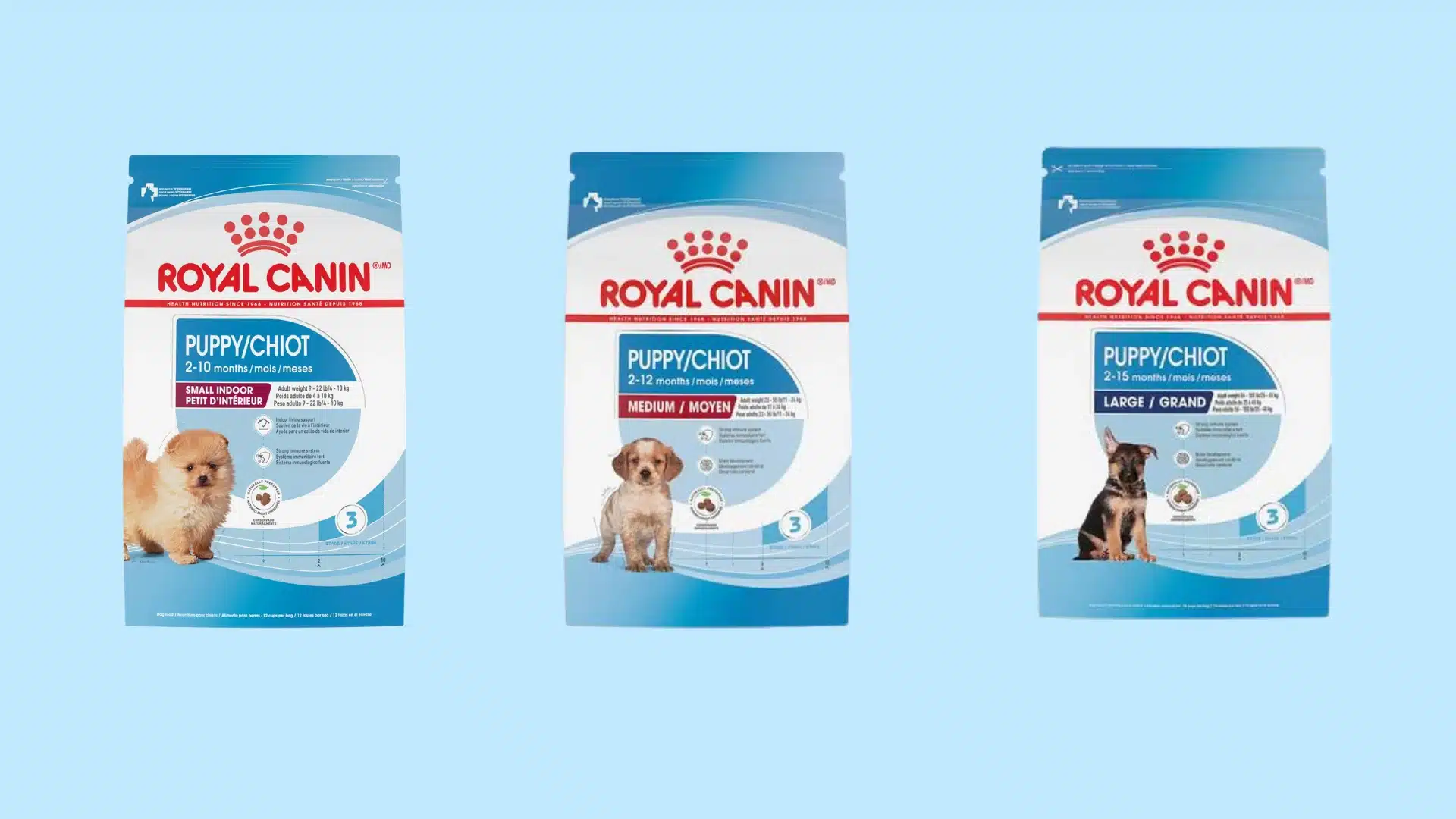
It works well for both small breeds and large breeds, and the kibble size is adjusted to fit tiny mouths or larger jaws, which makes chewing easier.
It is often considered among the best puppy food options for owners who prefer structured nutrition and portion control.
For small breeds weighing 2 to 10 pounds, feeding usually ranges from ½ to 1 cup daily.
Large breeds between 20 and 50 pounds may need 2 to 4 cups daily. Always adjust portions based on activity level and follow package guidelines.
2. Hill’s Science Diet Puppy
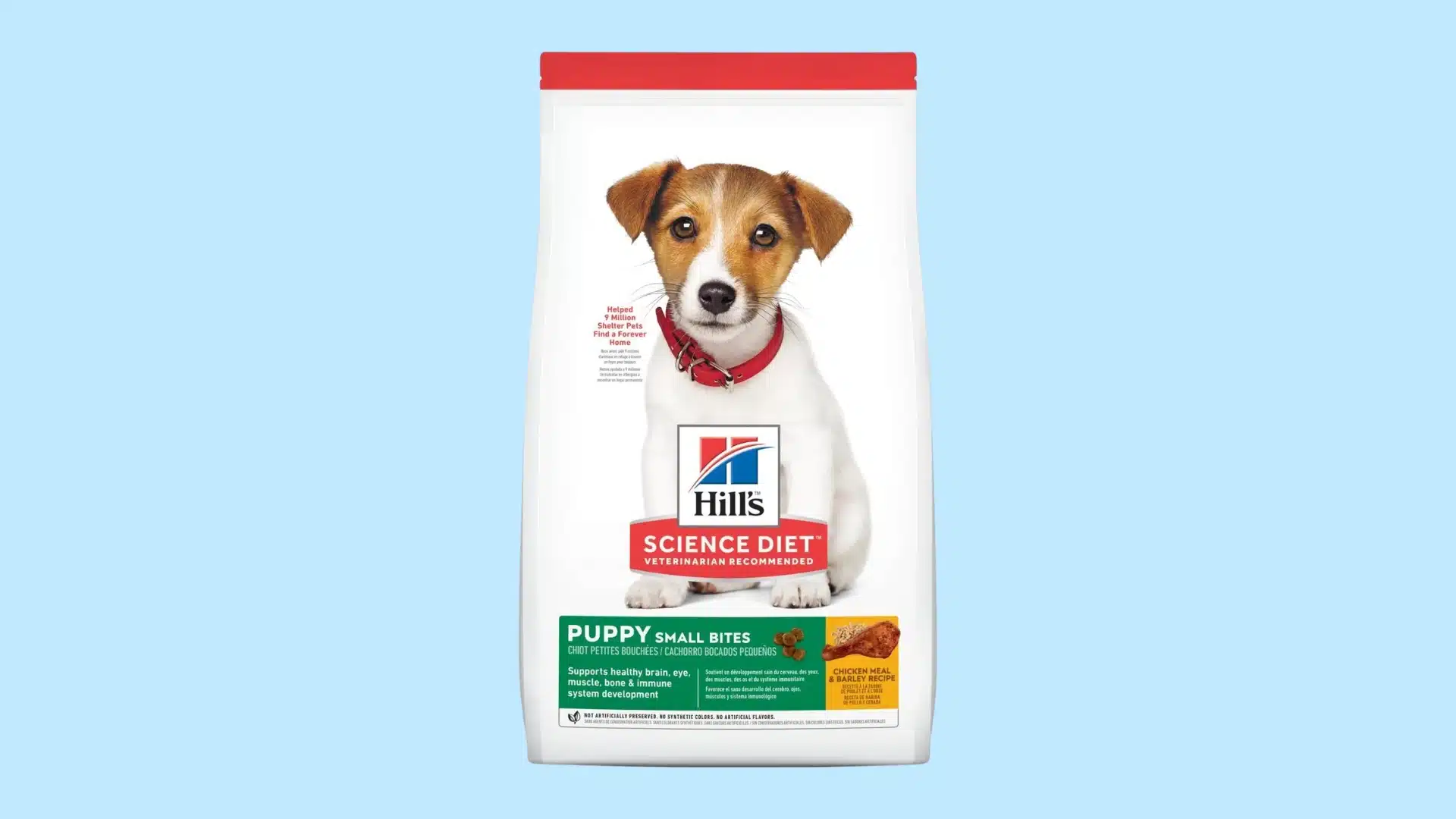
It is suitable for small breeds that need energy-dense nutrition and large breeds that require controlled calcium levels.
This dry recipe contains DHA for brain development and high-quality protein for muscle growth.
Many owners consider it one of the best dry puppy food choices because it supports steady development without excessive weight gain.
Small breed puppies typically need about ½ to 1½ cups per day, depending on weight. Large breed puppies may require 2 to 4 cups daily.
3. Purina Pro Plan Puppy
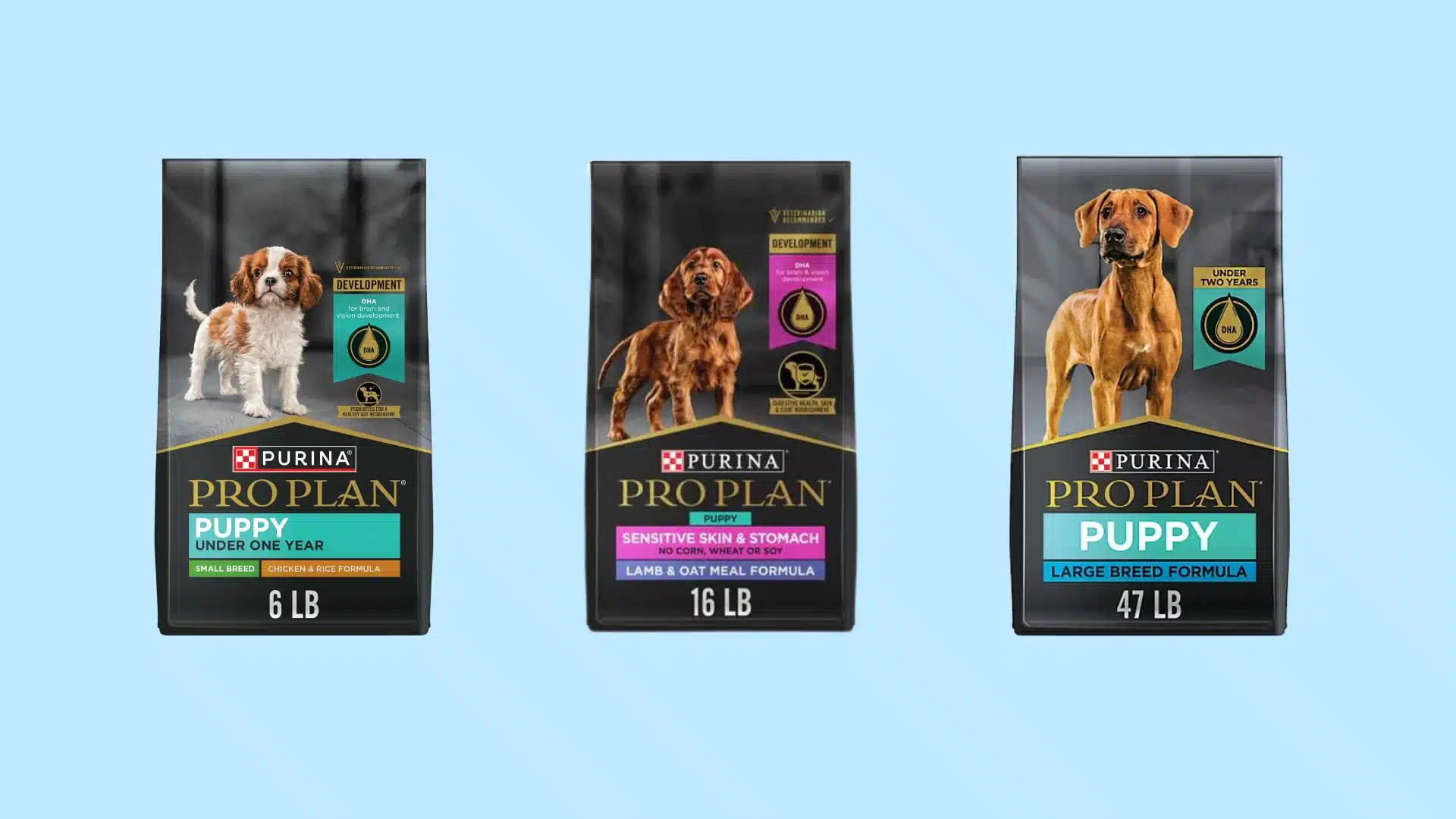
Purina Pro Plan provides advanced dog food formulas tailored for both small breeds and large breeds. The dry version includes probiotics for digestive health and DHA for cognitive support.
Small breed puppies benefit from calorie-rich formulas, while large breed puppies receive growth-specific blends that help protect developing joints.
Often listed as a best puppy food option, this product balances affordability with strong nutritional standards.
A small breed puppy may need around ½ to 1 cup per day in multiple meals. Larger breed puppies can require 2 to 4 cups daily, depending on weight and activity.
4. Blue Buffalo Homestyle Puppy
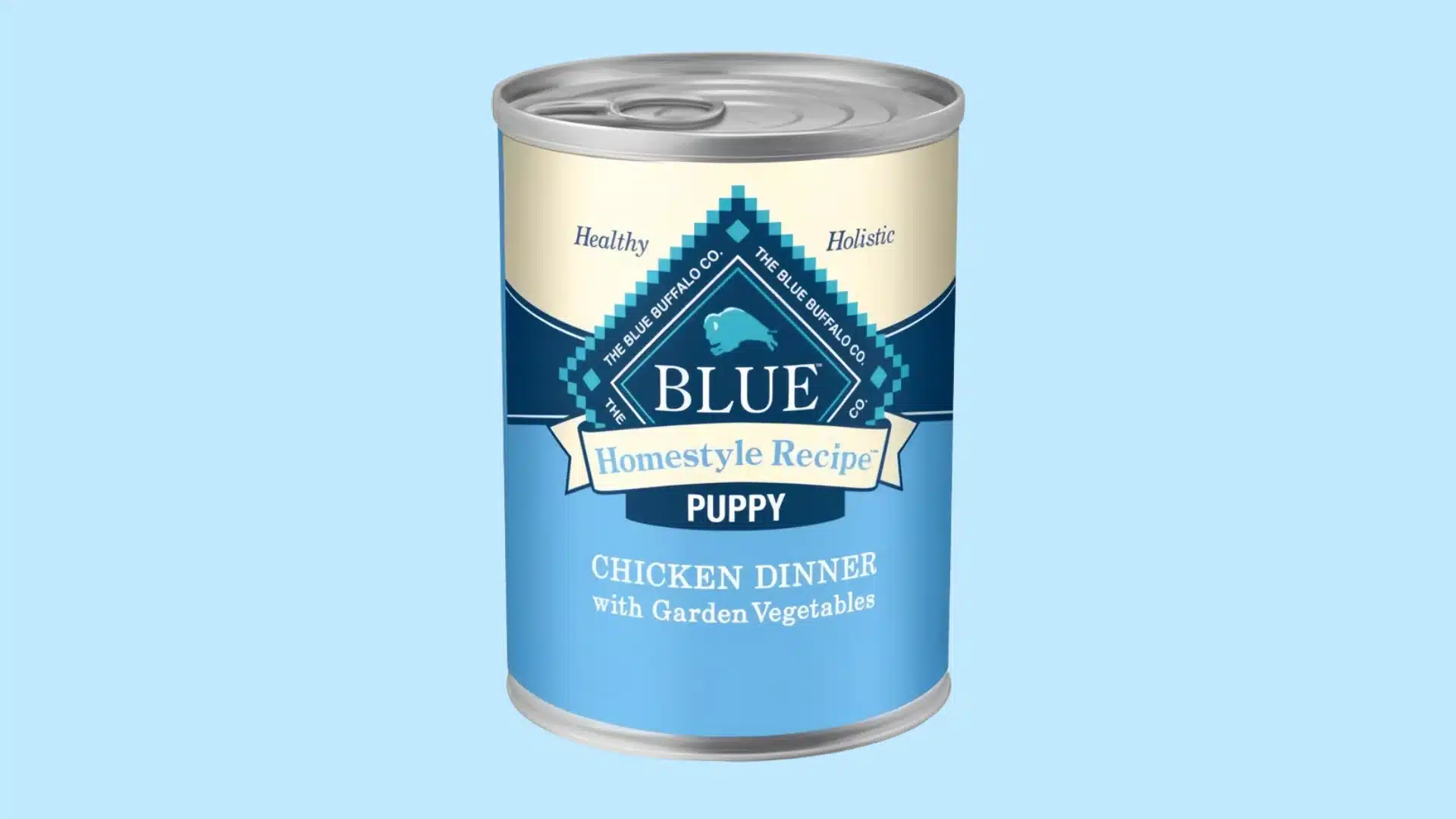
It is suitable for small breeds that may prefer softer textures and large breeds that need added hydration.
This wet recipe contains real meat as the first ingredient and includes vitamins and minerals to support healthy growth.
Wet food can be helpful for picky eaters or puppies adjusting to solid meals, making it a flexible, best dog food for puppies for different feeding styles.
Small breed puppies may eat about ½ to 1 can per day, while large breed puppies may need 1 to 2 cans daily, depending on weight.
5. Wellness Complete Health Puppy

Wellness Complete Health offers both dry and wet options for small and large breed puppies.
The dry formula supports bone and muscle growth, while the wet version adds moisture and flavor.
Small breeds benefit from concentrated energy formulas, while large breeds receive controlled minerals to support joint health.
Small breed puppies may need ½ to 1½ cups of dry food daily, split into several meals. Large breed puppies may require 2 to 4 cups depending on size and age.
Feeding Schedules & Portion Sizes
According to the American Kennel Club, guidance, divide daily food into evenly spaced meals, and use body condition rather than dish fullness to adjust portions over time.
| Age Range | Meals Per Day | Portion/Guidance | Notes |
|---|---|---|---|
| 6–12 weeks | 4 | Small measured servings of puppy food | Puppies should eat puppy food; adult food lacks key nutrients. |
| 3–6 months | 3 | Increased portion size based on breed/weight | Growth rate slows; monitor body condition closely. |
| 6–12 months | 2 | Adjust portions as activity changes | Many puppies transition to fewer meals; maintain balanced nutrition. |
| 12+ months | 2 | Adult maintenance portions | Many dogs fully transition to adult food; consult a vet. |
Choosing Between Dry and Wet Puppy Food
Choosing between dry and wet puppy food depends on your puppy’s needs, your budget, and feeding preferences.
Dry food is popular because it is easy to store, simple to measure, and often more affordable for long term use.
Many owners are looking for the best dog food for puppies, like that kibble, which can also support dental health by reducing plaque buildup.
It works well for both small and large breeds when the formula matches their growth needs.
Wet food, on the other hand, contains more moisture, which helps with hydration and can be easier for young puppies to chew.
It is often a good choice for picky eaters or puppies transitioning to solid food.
Some owners even mix both types to balance texture, taste, and nutrition. The key is choosing a complete and balanced formula suitable for your puppy’s size and age.
Real Puppy Parent Reviews on Best Puppy Food
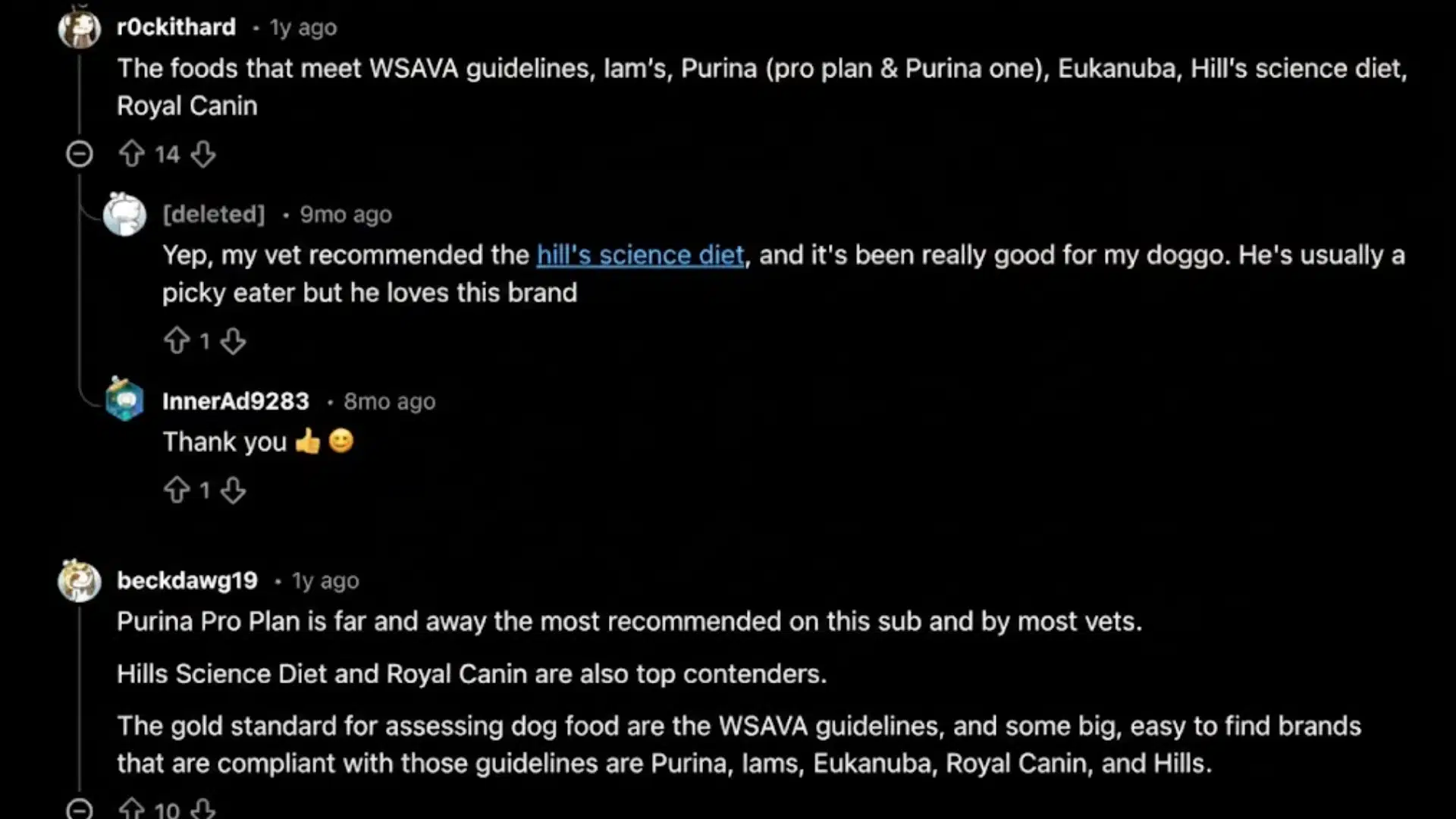
Reddit users largely agree that choosing the best puppy food can feel confusing at first, especially for new owners.
Many members believed in sticking with brands that meet WSAVA guidelines.
Purina Pro Plan stands out as the most frequently suggested option, with several owners and vets backing it for quality and digestion support.
Hill’s Science Diet and Royal Canin are also repeatedly mentioned as trusted choices, particularly for picky eaters or puppies with sensitive stomachs.
Some users prefer budget-friendly options like Purina One or Costco’s Kirkland brand, noting good results and vet approval.
While a few owners continue with Diamond if it works well, others switch due to availability or past recalls.
Overall, Reddit advice leans toward vet-recommended, research-backed brands and choosing the best dog food for puppies and what suits the puppy’s size, health, and tolerance best.
Common Mistakes to Avoid in Food for Puppies
Many new owners unintentionally make feeding mistakes that can affect development. Even when searching for the best dog food for puppies, it is easy to get confused by marketing claims.
- Feeding Adult Dog Food: Adult formulas do not provide the higher protein, calories, and balanced minerals required for proper puppy growth.
- Ignoring Breed Size Needs: Large breeds need controlled calcium and phosphorus levels, while small breeds require options to support faster metabolism.
- Switching Food Too Quickly: Sudden changes can upset digestion; gradual transitions over 7 to 10 days are safer.
- Overfeeding Portions: Excess food can lead to rapid weight gain and joint stress, especially in large-breed puppies.
- Falling for Marketing Claims: Labels like natural or premium do not guarantee balanced nutrition, so always check for growth standards.
Conclusion
Finding the right puppy food takes more than picking a popular brand. Vet best practices combined with real owner experiences create a balanced and confident choice.
Puppies grow very fast, and their food must match their nutritional needs, breed size, and digestive health.
Paying attention to ingredients, portion sizes, and how your puppy responds makes a real difference. Even the best dog food for puppies should be adjusted to your dog’s unique needs.
Before making a final decision, always consult a veterinarian for personalized guidance based on your puppy’s age, weight, and health history.
Have you found a food that works great for your pup? Share your experience in the comments and help other puppy parents make informed choices.