
Anemia in dogs is something many pet owners hear about but do not fully understand.
When a dog seems tired all the time or its gums look pale, it can point to a deeper issue. Blood plays a big role in keeping the body active and healthy.
When there are not enough healthy red blood cells, the body does not get the oxygen it needs. This condition can range from mild to very serious, depending on the cause.
Some cases happen suddenly while others develop slowly over time. Knowing the early signs can help prevent bigger problems later.
In this blog, you will learn what this condition really means, what causes it, the common symptoms to watch for, how it affects the body, and how vets treat it.
What Is Anemia in Dogs?
Anemia in dogs is a condition where the body does not have enough healthy red blood cells.
These cells carry oxygen from the lungs to the rest of the body.
Oxygen is needed for energy, organ function, and normal daily activity. Red blood cells contain hemoglobin, a protein that binds oxygen and moves it through the bloodstream.
When the number of these cells drops, the body cannot deliver enough oxygen to tissues. This leads to weakness, low stamina, and pale gums.
In more serious cases, the heart has to work harder to move the limited oxygen supply. This condition can develop in different ways.
It may happen due to blood loss from injury or parasites. It can also occur if the body destroys its own red blood cells or fails to produce enough of them in the bone marrow.
Common Causes of Anemia in Dogs
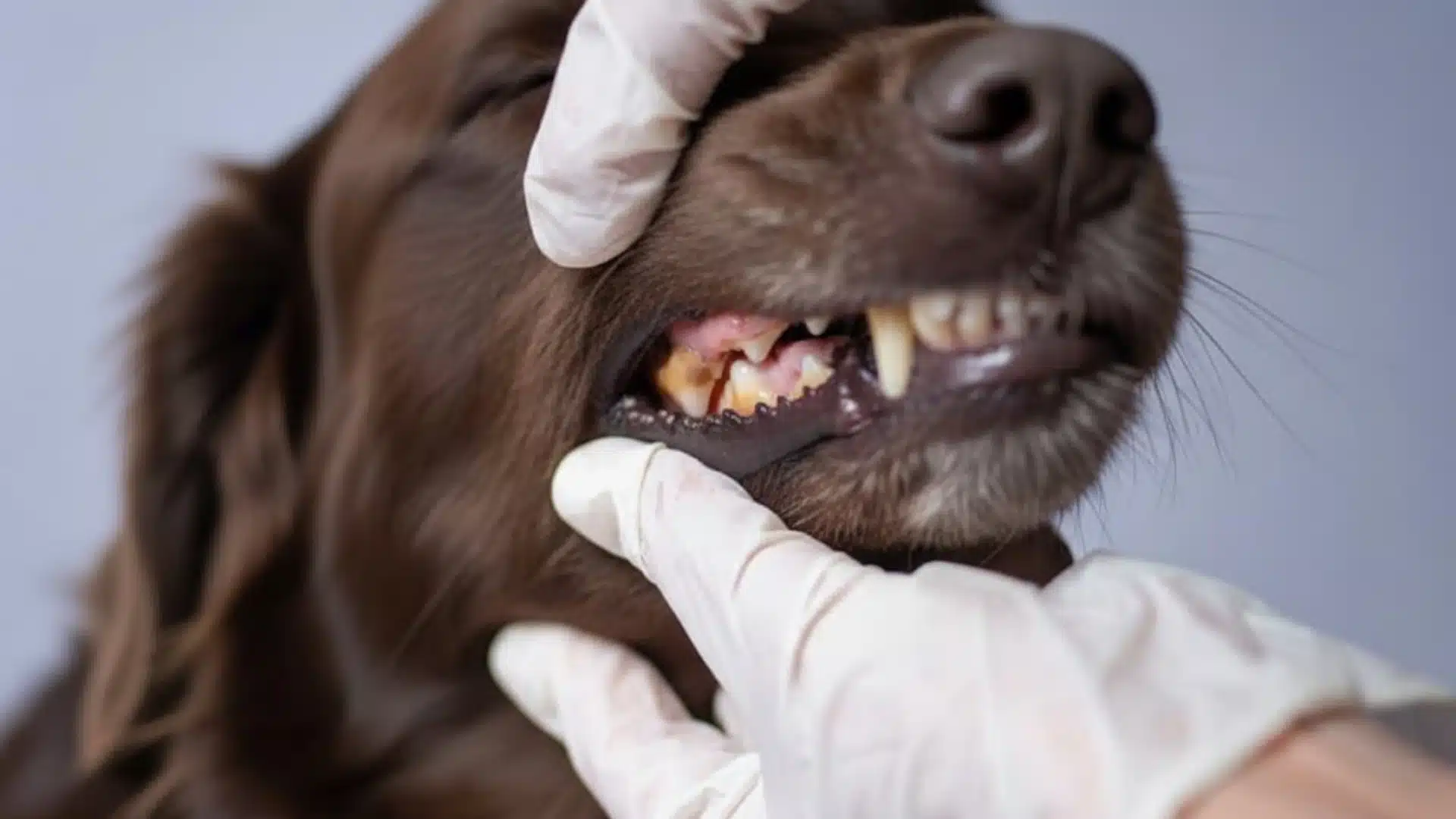
There are several reasons why anemia in dogs can develop. One common cause is blood loss, which may occur after an injury, surgery, or accident.
Parasites like fleas and ticks can also lead to steady blood loss over time. Internal bleeding from stomach ulcers or tumors is another possible reason.
Another cause is the destruction of red blood cells. In some dogs, the immune system attacks its own cells by mistake. This is known as an immune-related condition.
Certain toxins, medications, or infections can also damage and break down these cells faster than the body can replace them.
The third major cause is low production of red blood cells. This can happen due to chronic diseases, kidney problems, bone marrow disorders, or poor nutrition that lacks key vitamins and minerals.
How Does It Affect a Dog’s Body?

When red blood cell levels drop, the whole body feels the impact. Oxygen flow changes, and multiple systems begin to struggle.
1. Reduced Oxygen Supply
Red blood cells carry oxygen from the lungs to tissues across the body. When their numbers fall, less oxygen reaches muscles, the brain, and other organs.
Cells cannot produce enough energy without steady oxygen. This leads to weakness, slow movement, and poor stamina.
Even simple actions like walking or climbing stairs may seem harder. Over time, low oxygen levels can affect how well the body performs normal daily functions.
2. Strain on the Heart
When oxygen levels drop, the heart tries to make up for it. It pumps faster and harder to move the limited red blood cells through the body.
This extra effort puts stress on the heart muscle. A dog may develop a rapid heartbeat or breathing changes.
If the condition continues, the heart can become overworked. In severe cases, this strain may lead to heart-related complications.
3. Low Energy Levels
Energy depends on oxygen reaching the muscles and tissues. Without enough red blood cells, dogs feel tired more often.
They may sleep more than usual or lose interest in play. Walks may become shorter because they tire quickly.
Some dogs may seem dull or less alert. This drop in activity level is often one of the first noticeable signs that something is wrong internally.
4. Slow Recovery from Normal Activity
Healthy dogs usually bounce back quickly after exercise or excitement. With anemia in dogs, recovery takes longer.
After mild play or a short walk, they may breathe heavily or need extended rest. Muscles do not receive enough oxygen to repair and recharge fast.
This makes normal routines feel exhausting. Over time, even basic physical effort can feel overwhelming for the dog.
5. Impact on Organs in Serious Cases
If oxygen remains low for a long period, vital organs begin to suffer. The brain, kidneys, and liver rely on a steady oxygen supply to function properly.
Long-term deficiency can reduce their efficiency. In severe cases, organ damage may occur.
Symptoms can become more intense, including collapse or confusion. Without treatment, prolonged oxygen shortage can become life-threatening for the dog.
Signs and Symptoms of Anemia in Dogs
The symptoms of anemia in dogs can vary by severity, but early signs often appear in simple, noticeable ways.
- Pale gums: Gums may turn light pink or white instead of healthy pink due to low red blood cells and reduced oxygen in circulation.
- Weakness or tiredness: Dogs may seem less playful, sleep more often, and struggle with normal walks because their bodies are not getting enough oxygen.
- Fast breathing: Breathing may become quicker even at rest as the body tries to bring in more oxygen to make up for the shortage.
- Loss of appetite: A dog may eat less than usual or ignore meals completely due to fatigue, discomfort, or overall weakness.
- Dark or bloody stool: Stool may appear black, tar-like, or contain visible blood, which can signal internal bleeding and needs urgent vet care.
How Vets Diagnose Anemia in Dogs

When anemia in dogs is suspected, a vet begins with a detailed physical exam. They check the color of the gums, listen to the heart, and look for signs like weakness or rapid breathing.
This first step helps them understand how serious the condition might be. Blood tests are the main tool for diagnosis.
A complete blood count measures red blood cells, hemoglobin levels, and overall blood health. This confirms whether the dog has a low red blood cell count.
Vets also focus on checking the exact red blood cell levels to determine the severity. After confirming the condition, the next step is finding the underlying cause.
Additional tests, such as imaging, parasite screening, or organ function tests, may be done to identify what triggered the problem.
How to Prevent Anemia in Dogs?
While not every case can be avoided, simple care steps can lower the risk and support better overall blood health in dogs.
- Parasite control: Regular flea, tick, and worm prevention helps reduce the risk of blood loss caused by parasites that feed on your dog’s blood.
- Safe environment: Keeping sharp objects, harmful chemicals, and toxic foods away lowers the chance of injuries or poisoning that may trigger internal bleeding.
- Regular vet visits: Routine checkups and blood screenings help detect early health problems before they develop into serious conditions affecting red blood cells.
- Balanced diet: Feeding high-quality food with proper vitamins and minerals supports healthy red blood cell production and overall immune function.
- Quick response to illness: Seeking early treatment for infections or unusual symptoms prevents minor issues from turning into conditions that affect blood health.
Conclusion
Anemia in dogs can range from mild to life-threatening, depending on the cause and the speed of treatment. It happens when the body does not have enough healthy red blood cells to carry oxygen properly.
This can lead to weakness, pale gums, fast breathing, and other warning signs. The condition may develop from blood loss, immune problems, disease, or poor nutrition.
Diagnosis usually involves a physical exam and blood tests, while treatment focuses on fixing the root cause, medication, diet support, or, in severe cases, transfusion.
The good news is that many cases can be managed well with early care and regular vet visits.
Paying attention to small changes in behavior can make a big difference.
Have you noticed any of these signs in your dog recently? Share your thoughts or questions in the comments below.