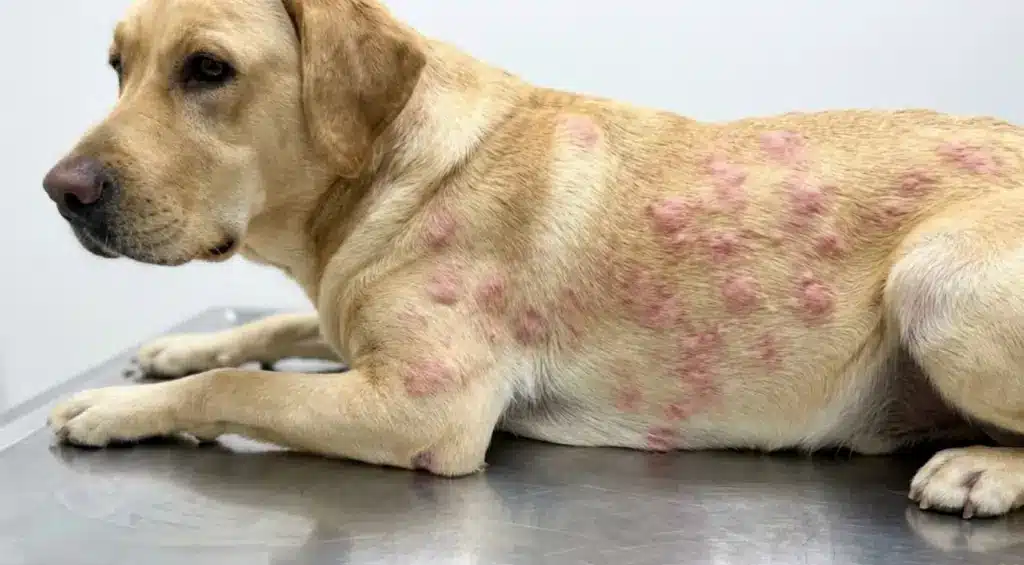
One minute, your dog seems perfectly fine, and the next, there is sudden scratching, swelling, or visible discomfort. Moments like this can be alarming for any pet owner.
An allergic reaction in dogs can appear quickly, sometimes within minutes after contact with a trigger, and the sudden change often leaves people wondering what went wrong.
Small signs such as itching, redness, or swelling around the face may seem harmless at first, but they can worsen quickly if left unchecked.
Recognizing those clues and knowing what steps to take next can make a real difference in your dog’s safety.
This blog explains the key warning signs, what triggers them, and the practical steps that help protect your dog’s health.
Note: This article is for informational purposes only and does not replace professional veterinary advice. If your dog shows signs of a severe allergic reaction, contact a veterinarian immediately.
What is an Allergic Reaction in Dogs?
An allergic reaction in dogs occurs when the immune system overreacts to a normally harmless substance.
This substance, known as an allergen, can come from food, insect stings, medications, or products that come into contact with the skin. Instead of ignoring it, the body treats it as a threat.
Chemicals such as histamine are released into the bloodstream, leading to inflammation, itching, swelling, or digestive upset.
Mild sensitivity often presents as itching, ear irritation, watery eyes, or small patches of red skin. These signs may develop gradually and remain manageable with proper care.
A more serious allergic reaction in dogs can develop quickly and affect breathing, blood pressure, and overall stability. In the most severe cases, this is referred to as anaphylaxis, a rapid whole-body response that can be life-threatening.
Rapid facial swelling, vomiting, weakness, or collapse are signs of an emergency. The key difference lies in speed, intensity, and the systems involved.
It is worth noting that dogs can develop new allergies at any age. A dog that has tolerated a food or product for years may suddenly begin reacting to it, which is why recurring or unexpected symptoms always deserve attention.
Common Causes of Allergic Reactions in Dogs
Several everyday exposures can trigger an allergic reaction in dogs. Identifying the source often requires paying close attention to recent changes in diet, environment, or routine.
- Food Ingredients: such as chicken, beef, dairy, soy, or certain grains can lead to itching, digestive upset, or chronic ear issues. Reactions may develop over time rather than after a single meal.
- Insect Bites and Stings: Bees, wasps, ants, or fleas can cause sudden swelling, redness, or intense scratching. Some dogs react within minutes.
- Flea Allergy Dermatitis: This is one of the most common allergic conditions in dogs. Even a single flea bite can trigger intense itching, scabbing, and hair loss, particularly around the base of the tail. Dogs with this condition need consistent year-round flea prevention.
- Environmental triggers: Pollen, grass, dust mites, or mold often cause seasonal itching, watery eyes, or paw licking. This type of sensitivity, known as atopic dermatitis, is one of the most frequently diagnosed allergic conditions in dogs
- Medications or Vaccines: may occasionally prompt swelling, hives, or lethargy shortly after administration.
- New Shampoos, Treats, or Household Products: They can irritate sensitive skin or trigger inflammation when introduced abruptly.
Early Signs of a Dog’s Allergic Reaction
The first signs of an allergic reaction in dogs are often subtle. Catching them early can prevent symptoms from worsening or becoming more uncomfortable.
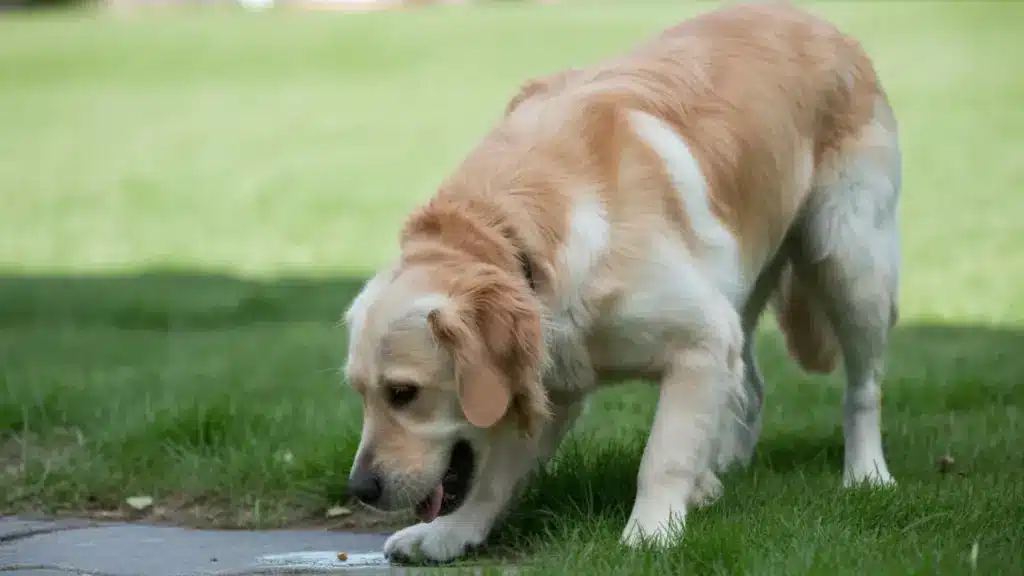
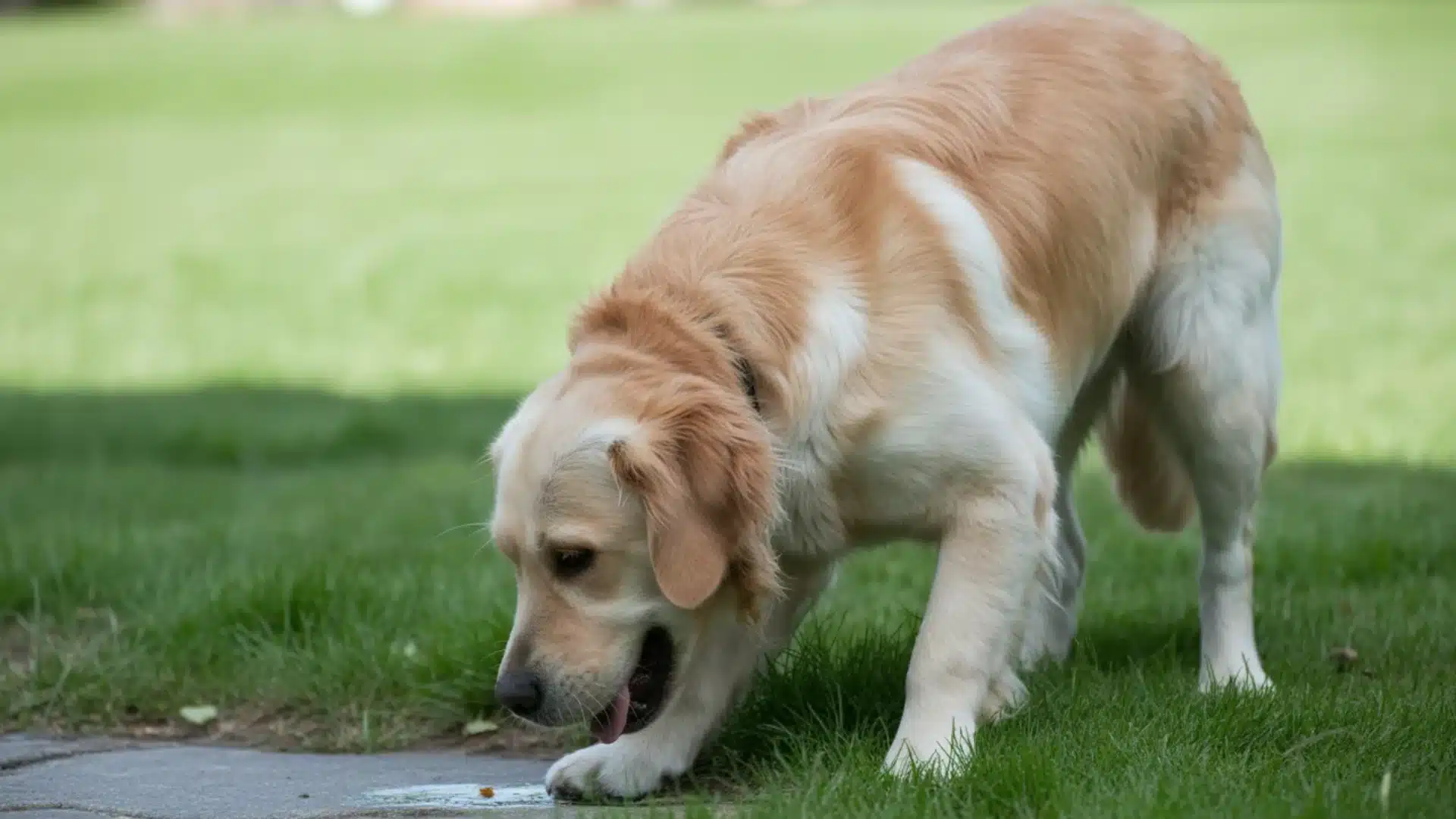
- Excessive Scratching or Licking: may begin suddenly, especially around the paws, belly, or ears. Persistent licking in one area is often an early clue.
- Red or Inflamed Skin: can appear on the belly, inner legs, or around the face. The skin may feel warm to the touch.
- Swelling around the Eyes, Lips, or Ears: This is a common early indicator, particularly after insect stings or new exposures.
- Hives or Raised Bumps: may develop quickly and can be felt beneath the fur.
- Sudden Ear Irritation: Head shaking or pawing at the ears may signal the start of a dog’s allergic reaction.
- Watery Eyes or Nasal Discharge: Some dogs develop mild eye watering or a clear nasal discharge, particularly in response to environmental or seasonal allergens.
When an Allergic Reaction in Dogs Becomes Serious?
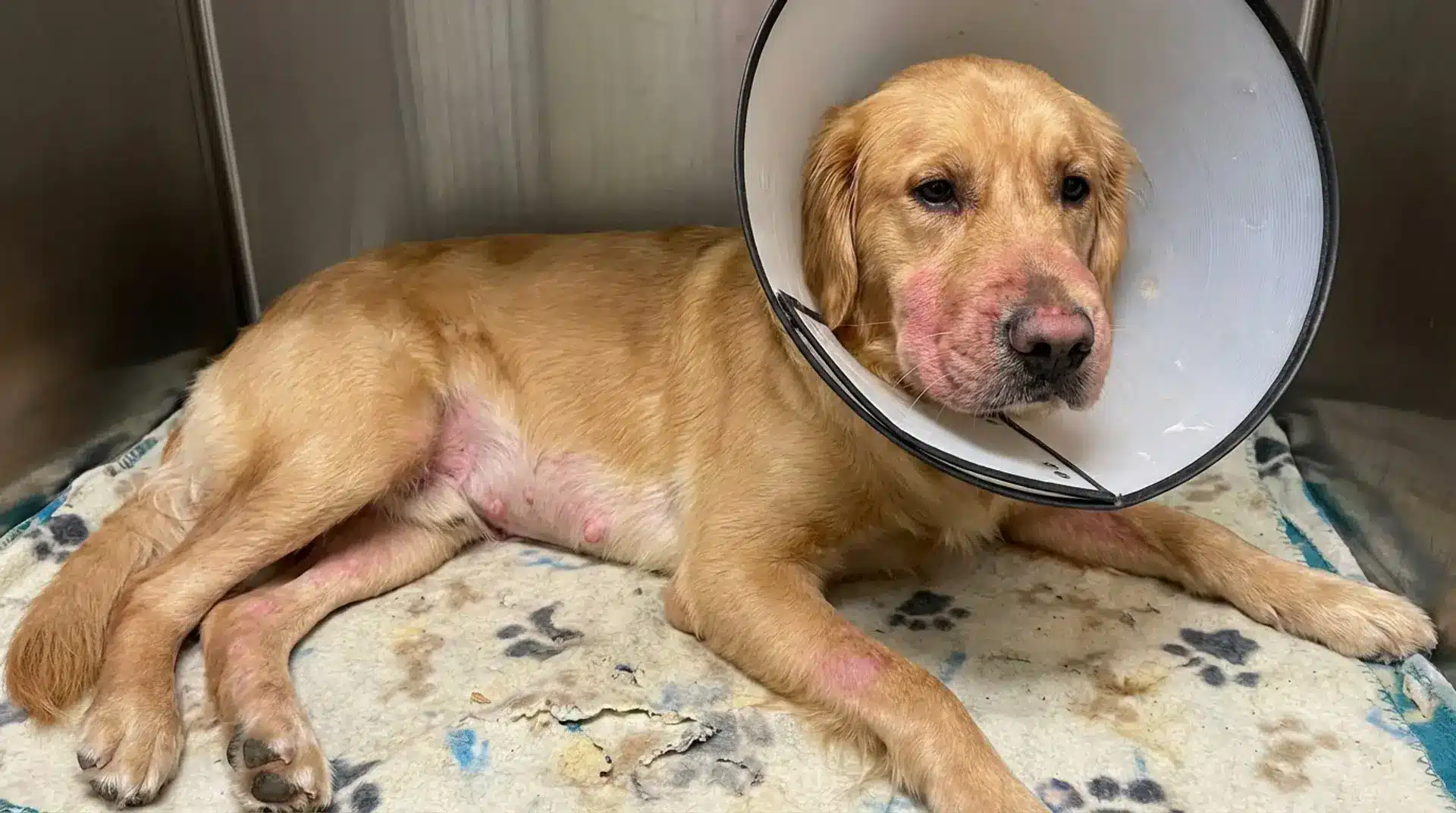
A severe allergic reaction in dogs, known as anaphylaxis, can develop within minutes of exposure and may become life-threatening without prompt care.
Unlike mild itching or small patches of redness, serious reactions affect breathing, circulation, and overall stability.
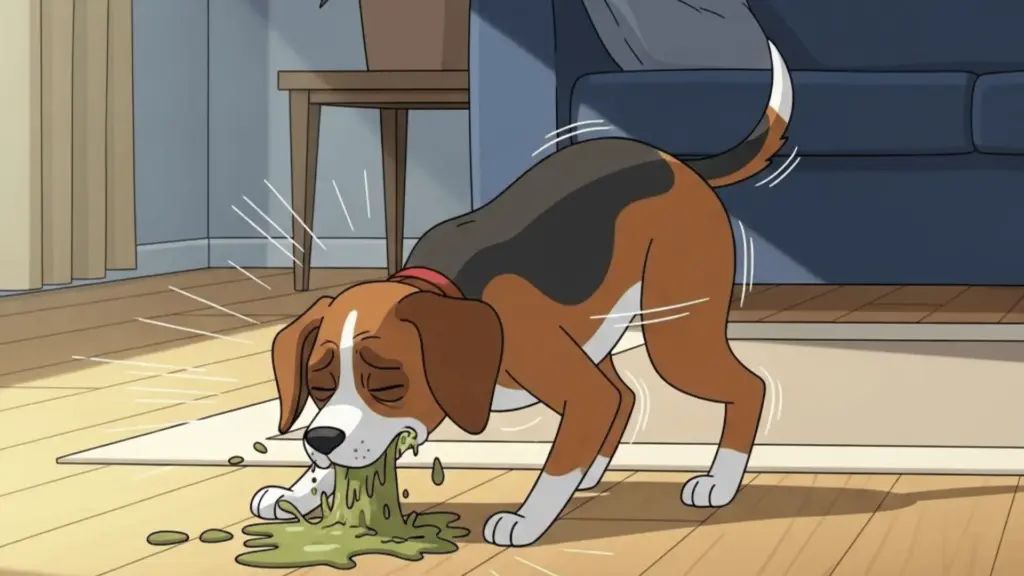
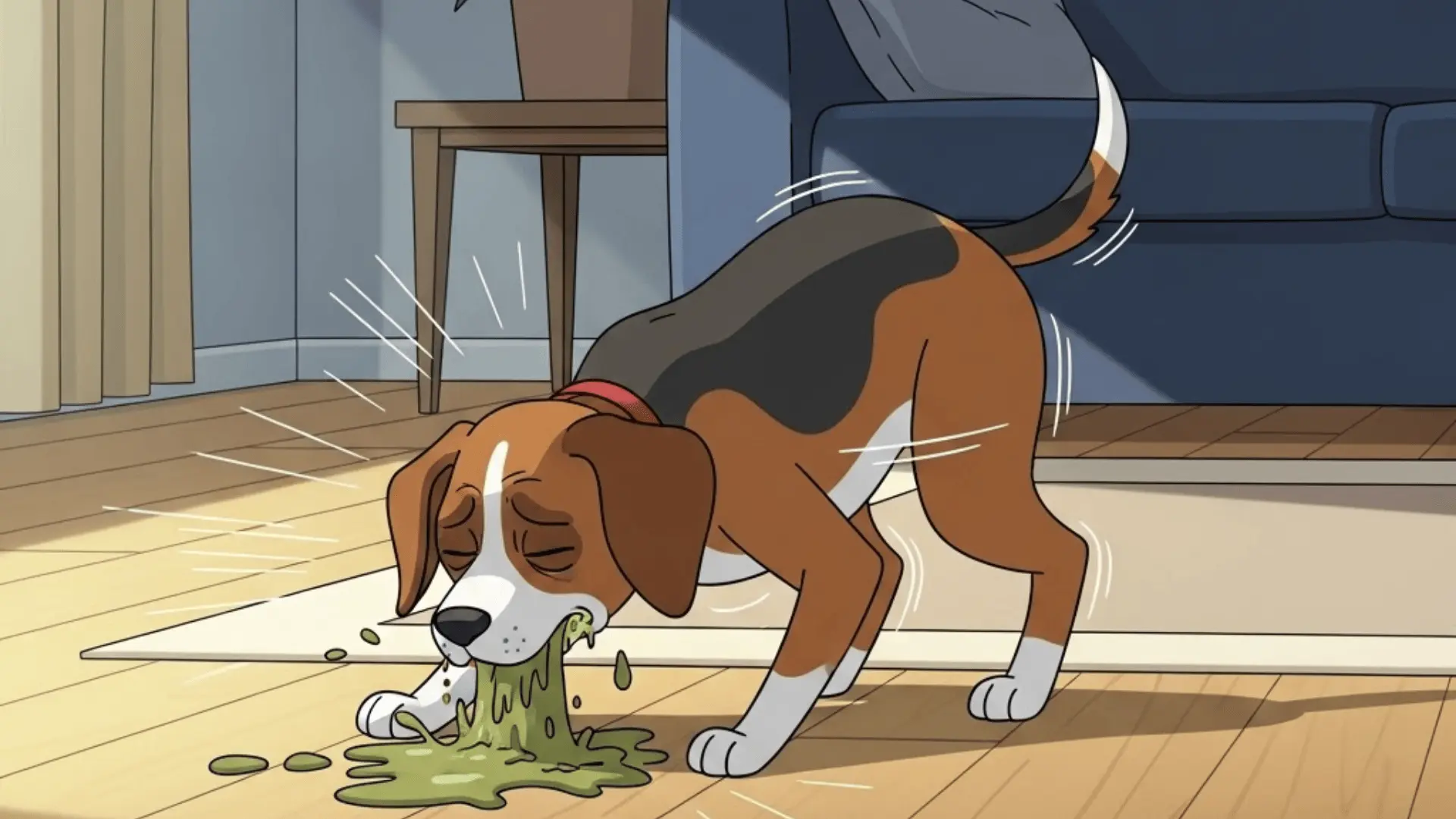
Difficulty breathing, noisy or strained breathing, and rapid swelling of the face, lips, or throat are urgent warning signs. Some dogs may also start vomiting or develop sudden diarrhea soon after exposure to a trigger.
In dogs, anaphylaxis often presents differently than it does in humans. While breathing difficulty can occur, the gastrointestinal system is frequently affected first.
Sudden vomiting, profuse diarrhea, excessive drooling, and weakness may appear before or alongside respiratory signs.
As the reaction progresses, weakness, loss of balance, pale gums, or collapse may occur. These symptoms can indicate a dangerous drop in blood pressure and require immediate medical care.
Any dog allergic reaction that includes breathing problems, repeated vomiting, collapse, or facial swelling should be treated as an emergency.
Mild reactions typically resolve within a few hours to a day or two with appropriate care. Severe reactions involving multiple body systems may take longer and require continued veterinary management.
Immediate veterinary attention is essential to stabilize the dog and prevent further complications.
What to Do Immediately During an Allergic Reaction?
Quick, calm action during an allergic reaction in dogs can reduce risk and help prevent symptoms from becoming more serious.
- Remove the suspected trigger: If a sting is present, move the dog away from the area. If a new product is used, rinse it off with lukewarm water. If a new treat was just given, stop feeding it right away.
- Check breathing and gum color: Watch for noisy breathing, open-mouth breathing, or difficulty inhaling. Lift the lip and look at the gums. Healthy gums are pink. Pale or white gums are a warning sign.
- Prevent further scratching or licking: Excess scratching can worsen swelling and irritation. Use an e-collar if available, or gently redirect the dog to a calm space to rest.
- Contact a veterinarian for advice: Explain the symptoms, timing, and possible trigger. Follow the clinic’s instructions and ask if immediate care is needed.
- Ask about Benadryl guidance: For mild reactions such as hives or localized swelling without breathing changes, some veterinarians recommend diphenhydramine (Benadryl) at approximately 1 mg per pound of body weight as a first step. Only products without added ingredients such as decongestants should be used, and this should be confirmed with a veterinarian before administering.
- Avoid giving human medication without approval: Some common products can be unsafe, and doses can be incorrect. Always confirm with a veterinarian first.
If your dog has a history of allergic reactions, ask your veterinarian in advance whether keeping oral diphenhydramine at home and knowing the correct dose for your dog’s weight is a reasonable part of your household emergency plan.
Safe Home Care for Mild Allergic Reactions

Home care may be reasonable when a dog’s allergic reaction is mild and limited to itching, small areas of redness, or slight swelling, without changes in breathing, vomiting, or weakness.
If the dog remains alert, active, and comfortable overall, careful home monitoring can be appropriate after speaking with a veterinarian.
Gently rinsing irritated skin with lukewarm water can remove surface allergens. A vet-approved soothing spray or oatmeal-based wash may help calm itching.
Prevent licking or scratching that could worsen inflammation. Monitor swelling closely, especially around the face.
If it increases rather than improves, seek medical care promptly.
Encourage water intake to maintain hydration, particularly if mild digestive upset occurs. Keep notes on when symptoms started, possible triggers, and any changes observed.
Clear documentation helps a veterinarian more accurately assess a recurring allergic reaction in dogs.
If your dog has previously reacted to an environmental trigger such as a bee sting, discuss with your veterinarian whether having an appropriate antihistamine on hand as part of a home emergency plan is a practical step for your situation.
When to See a Veterinarian?
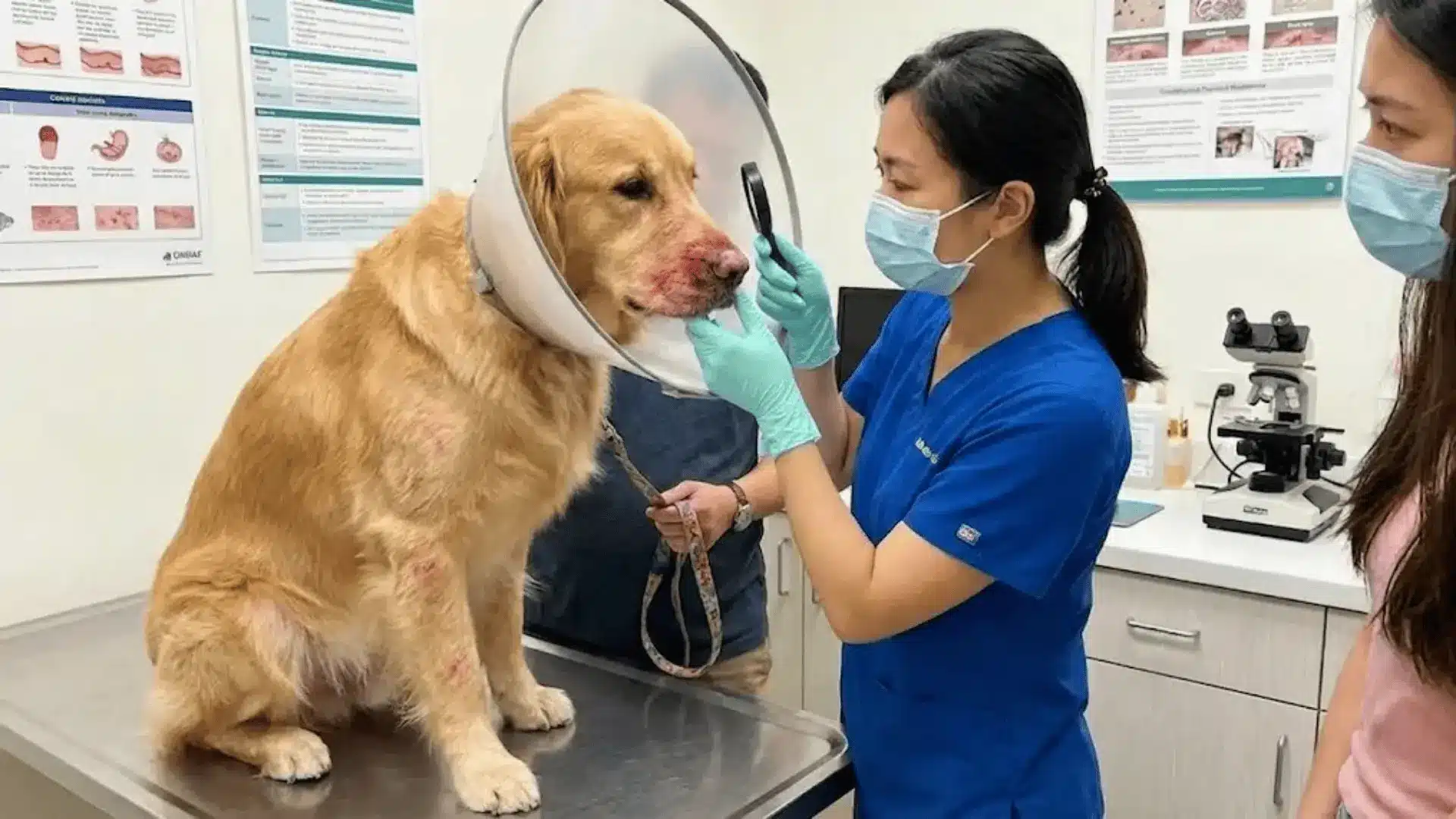
Veterinary care is necessary if symptoms do not improve within a few hours or persist for more than a day, even if they appear mild at first.
Repeated episodes of itching, swelling, ear irritation, or digestive upset also require professional evaluation.
Recurring allergic reactions in dogs often point to an ongoing trigger that needs proper identification.
Seek immediate medical attention if symptoms worsen at any point. Increasing swelling, persistent vomiting, diarrhea, weakness, or changes in behavior should never be ignored.
A first severe allergic reaction to dogs should always be treated as an emergency, even if the dog seems to recover briefly.
Do not wait if breathing becomes labored or if swelling affects the face, lips, or throat. Rapid intervention can prevent serious complications and protect your dog’s safety.
What a Veterinarian Will Do for a Dog’s Allergic Reaction?
When a dog’s allergic reaction is suspected, the veterinarian first evaluates the dog’s overall condition. Breathing, heart rate, gum color, swelling, and skin irritation are checked to assess the severity of the reaction.
This quick assessment helps determine whether the situation requires immediate treatment.
The veterinarian will also ask about recent changes such as new foods, treats, medications, grooming products, outdoor exposure, or insect stings. This information helps identify the likely trigger.
If reactions happen repeatedly, further evaluation may be recommended. Blood tests, skin testing, or controlled diet trials can help determine food or environmental sensitivities.
Sometimes other skin problems must be ruled out before confirming an allergy. Treatment depends on the severity of the symptoms.
Mild reactions may be managed with antihistamines such as diphenhydramine or anti-inflammatory medication.
More significant skin or environmental reactions may involve prescription options such as Apoquel or corticosteroids.
Severe allergic reactions in dogs, particularly anaphylaxis, may require injectable epinephrine, intravenous fluids, oxygen support, and close monitoring for several hours.
For dogs with recurring environmental allergies, veterinarians may also recommend allergen-specific immunotherapy.
This involves a gradual series of injections designed to reduce sensitivity to specific triggers over time, with meaningful improvement reported in a significant portion of treated dogs.
Preventing Future Allergic Reactions in Dogs
Preventing another allergic reaction in dogs starts with identifying patterns. Careful observation and consistent routines can significantly reduce the risk of recurrence.
- Identify and Avoid Known Triggers: Once a specific food, insect, or product is linked to a dog’s allergic reaction, remove it completely from the environment. Even small exposures can cause symptoms to return.
- Maintain Flea Prevention: Flea bites are a common cause of skin flare-ups. Year-round flea control reduces irritation and secondary skin issues.
- Use Consistent Diet Trials When Needed: If food sensitivity is suspected, follow a structured elimination diet under veterinary guidance and avoid frequent changes in treats.
- Keep Grooming Products Simple: Choose mild, fragrance-free shampoos and avoid frequent product changes.
- Schedule Regular Vet Checkups: Routine visits help monitor skin health and adjust long-term allergy management plans when necessary.
- Have an Emergency Plan Ready: If your dog has had a prior allergic reaction, speak with your veterinarian about appropriate first-aid options to keep at home and establish clear criteria for when emergency care is needed
Conclusion
An allergic reaction in dogs can range from mild itching to a fast-moving medical emergency. The key is recognizing symptoms early, acting calmly, and knowing when professional care is needed.
Subtle signs such as scratching, redness, or slight swelling should never be ignored.
Acting quickly, removing possible triggers, and monitoring closely can prevent a dog’s allergic reaction from becoming more serious.
Staying calm also matters. Clear thinking allows better decisions, especially when symptoms appear suddenly.
Knowing when home care is reasonable and when veterinary attention is urgent can make a critical difference in outcome.
Breathing changes, facial swelling, repeated vomiting, or weakness always require immediate care.
Careful observation, consistent routines, and open communication with a veterinarian help protect long-term health.
Has your dog ever experienced an allergic reaction? Share your experience or warning signs you noticed in the comments below.