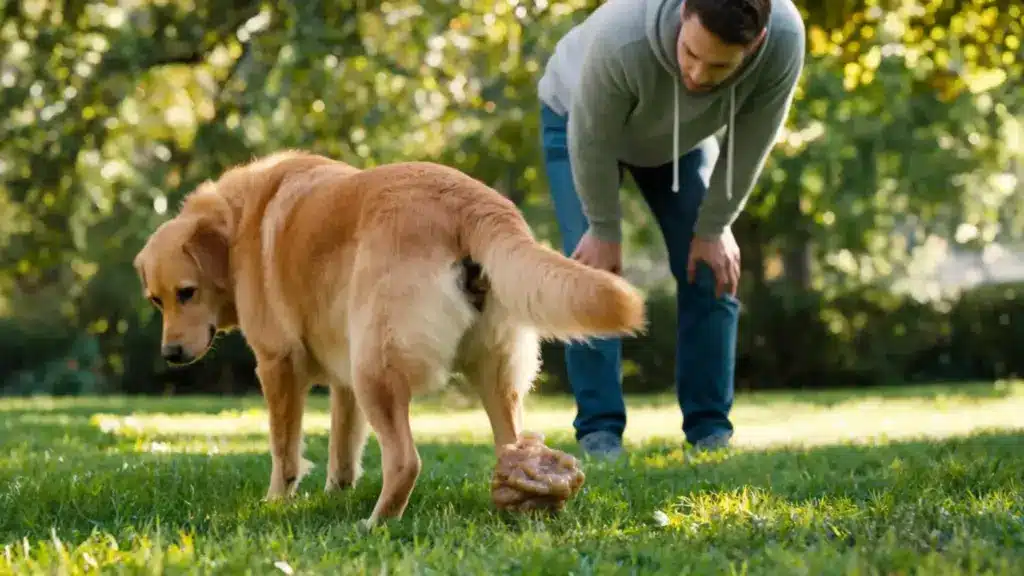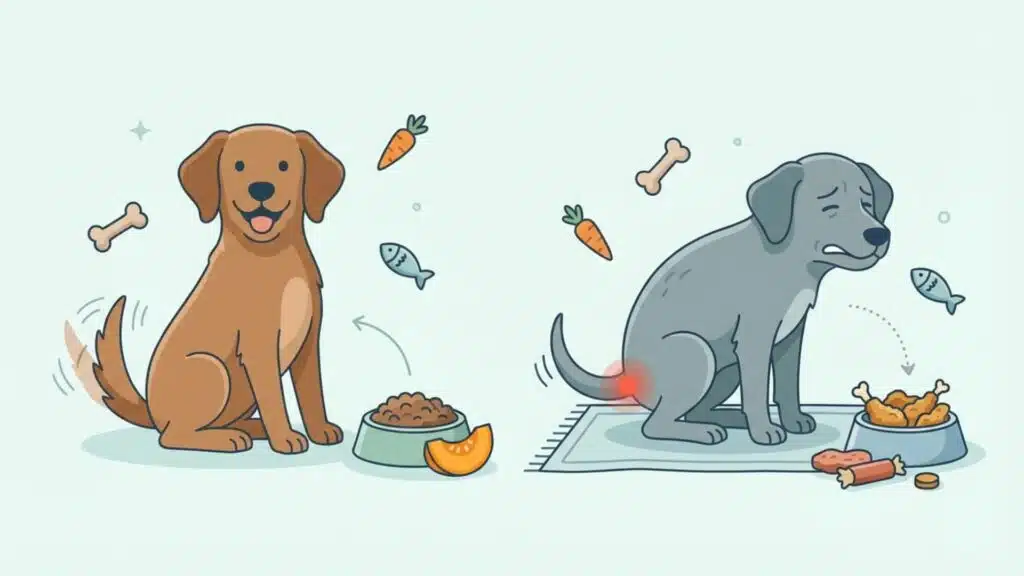
If your dog is dragging their butt across the floor, it is not just a weird habit you can ignore.
It is often a sign that something deeper is off, and many owners start asking the same thing: can food cause anal gland issues in dogs?
The short answer is yes, but it is not the whole story. Diet plays a big role in how anal glands in dogs function, especially when it comes to stool quality and digestion.
The good news is that small changes can make a noticeable difference. In this guide, you will learn how food impacts these issues, how to help a dog express glands naturally, and what actually works when it comes to keeping your dog comfortable and healthy.
As a veterinarian with over years of clinical practice in Minnesota, I have seen this question come through my exam room more times than I can count, usually from frustrated owners who just want their dog to stop scooting on the carpet.
What most people do not realize is that the answer is almost always sitting inside the dog’s food bowl.
What Are Anal Glands in Dogs and Why Do They Matter?
Anal glands in dogs are small sacs located on either side of the anus, positioned roughly at the 4 and 8 o’clock positions around the anal opening.
They release a strong-smelling fluid that dogs use for scent marking and identification, which is why dogs instinctively sniff each other’s hindquarters.
In a healthy dog, these glands empty naturally when firm stool passes during a bowel movement. The pressure helps express, or empty, the glands without any effort.
Problems start when this process fails. Soft stools, poor diet, or other factors can prevent full emptying, leading to a condition known as anal gland impaction.
This can progress to blockage or infection, and in severe, untreated cases, to an abscess that ruptures through the skin.
When that happens, dogs may feel discomfort, start scooting, or frequently lick the area.
Can Food Cause Anal Gland Issues in Dogs?
Yes, food can cause anal gland issues in dogs, but not in the way most people think. The real link lies in stool quality.
A dog’s diet directly affects how firm or soft their stool is, and that plays a big role in how well the glands empty. Firm stools apply the right pressure during bowel movements, helping with natural bowel movements.
Soft or inconsistent stools often fail to do this, leading to buildup over time. Research and clinical guidelines consistently point to a low-fiber diet as one of the primary dietary risk factors.
Most adult dogs need dietary fiber between 2.5% and 5% on a dry matter basis for healthy stool formation.
Dogs with recurring anal gland issues often benefit from fiber intake at 5% or higher, according to recommendations from veterinary nutrition specialists.
This is why diet matters more than it seems. Not all dog foods work the same way, and some can quietly contribute to the problem without obvious signs early on.
How Different Types of Food Impact Anal Glands?
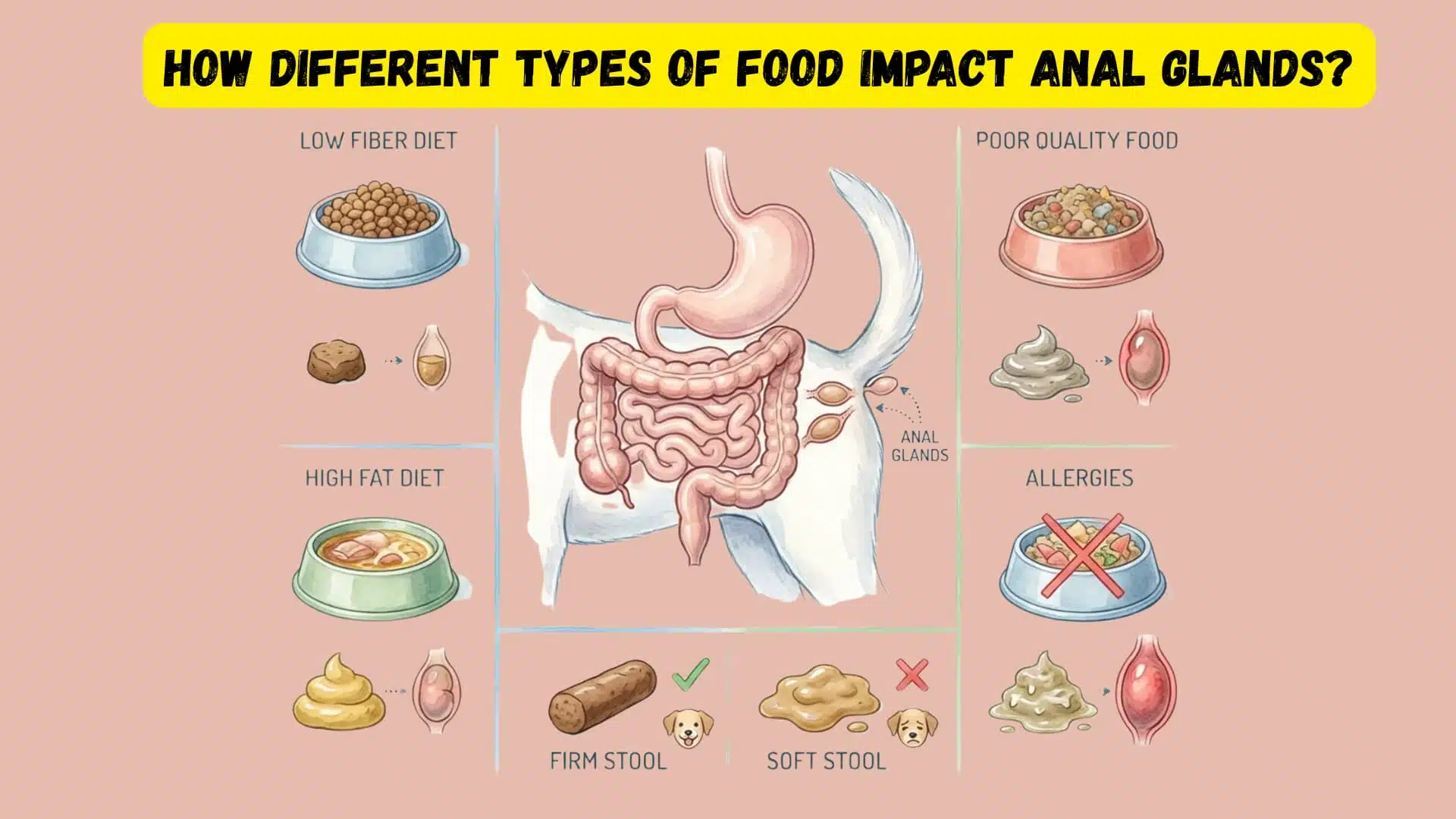
What your dog eats shapes stool consistency, gut health, and gland function, making diet one of the biggest hidden factors behind recurring anal gland issues.
1. Low Fiber Diets
Diets that lack enough fiber often lead to soft, poorly formed stools. This becomes a problem because soft stools do not create the pressure needed to empty the anal glands in dogs during bowel movements.
Over time, this incomplete expression allows fluid to accumulate within the glands. There are two types of fiber that matter here, and each plays a different role.
Soluble fiber absorbs water, which can help firm up stools that are too loose. Insoluble fiber acts as roughage, adding bulk and helping food move efficiently through the digestive tract.
That buildup can cause irritation and discomfort, and increase the risk of blockage or infection if not addressed early.
2. Poor Quality Commercial Food
Low-quality dog foods often rely on fillers and ingredients that are harder to digest.
Common offenders include corn, soy, and unnamed meat meals, all of which can disrupt gut health and lead to inconsistent or soft stool quality.
When digestion is not stable, the natural process of anal sac expression becomes unreliable.
Over time, this imbalance can quietly contribute to recurring anal gland problems, especially in dogs that are already sensitive to dietary changes.
3. High Fat Diets
High-fat diets may not affect every dog the same way, but in sensitive dogs, they can lead to loose or greasy stools.
When stools lack firmness, they fail to apply enough pressure on the glands during bowel movements. This makes natural expression less effective.
In some cases, frequent loose stools can also irritate the area further, making existing anal gland issues more noticeable and uncomfortable for the dog.
4. Food Allergies and Sensitivities
Food allergies and sensitivities can trigger chronic inflammation in a dog’s digestive system, leading to diarrhea or inconsistent stool quality that interferes with proper glandular function.
In my clinical experience, the most common dietary allergens I identify in dogs with recurring anal gland problems are beef, dairy products, wheat, chicken, and soy.
Many owners are surprised to discover that chicken, one of the most common protein sources in commercial dog food, is also one of the most frequent triggers.
If your dog has been on the same protein for years and keeps having gland issues, that protein itself may be the problem.
If you are unsure whether grain-free actually helps your dog’s sensitivities, it is worth understanding the evidence before making the switch.
5. Obesity and Anal Gland Problems
Obesity is one of the most underrecognized dietary contributors to anal gland issues, and in my experience, it is often the last thing owners consider.
Overweight dogs are significantly more prone to anal gland impaction because the extra body fat creates a cushioning effect around the glands.
This reduces the physical pressure on the glands during defecation, so the glands are never fully expressed with each bowel movement.
In my practice, weight loss alone has resolved recurring impaction in several patients, even after other interventions had failed.
This reduces the physical pressure on the glands during defecation, so the glands are never fully expressed with each bowel movement. Over time, this leads to consistent buildup.
Signs Your Dog’s Diet Might Be Causing Problems
Subtle changes in behavior and smell often point toward diet-related anal gland issues that should not be ignored.
- Scooting or dragging on the floor: A clear sign your dog is trying to relieve pressure or discomfort caused by full or irritated glands.
- Excessive licking: Dogs often focus on the area when the glands are not emptying properly.
- Strong fishy odor: A lingering smell usually means gland fluid is leaking or building up.
- Visible swelling or redness: Inflammation around the anus can signal blockage or early infection.
- Signs of pain when sitting: Often overlooked, this can indicate the glands are impacted and pressing uncomfortably on surrounding tissue.
- Frequent need for manual expression: If this keeps happening, the diet may not be supporting proper natural gland function.
- Chronic diarrhea or loose stool: Ongoing loose stools prevent the mechanical pressure needed for natural expression and are a direct dietary warning sign worth addressing immediately.
How to Help a Dog Express Glands Naturally?
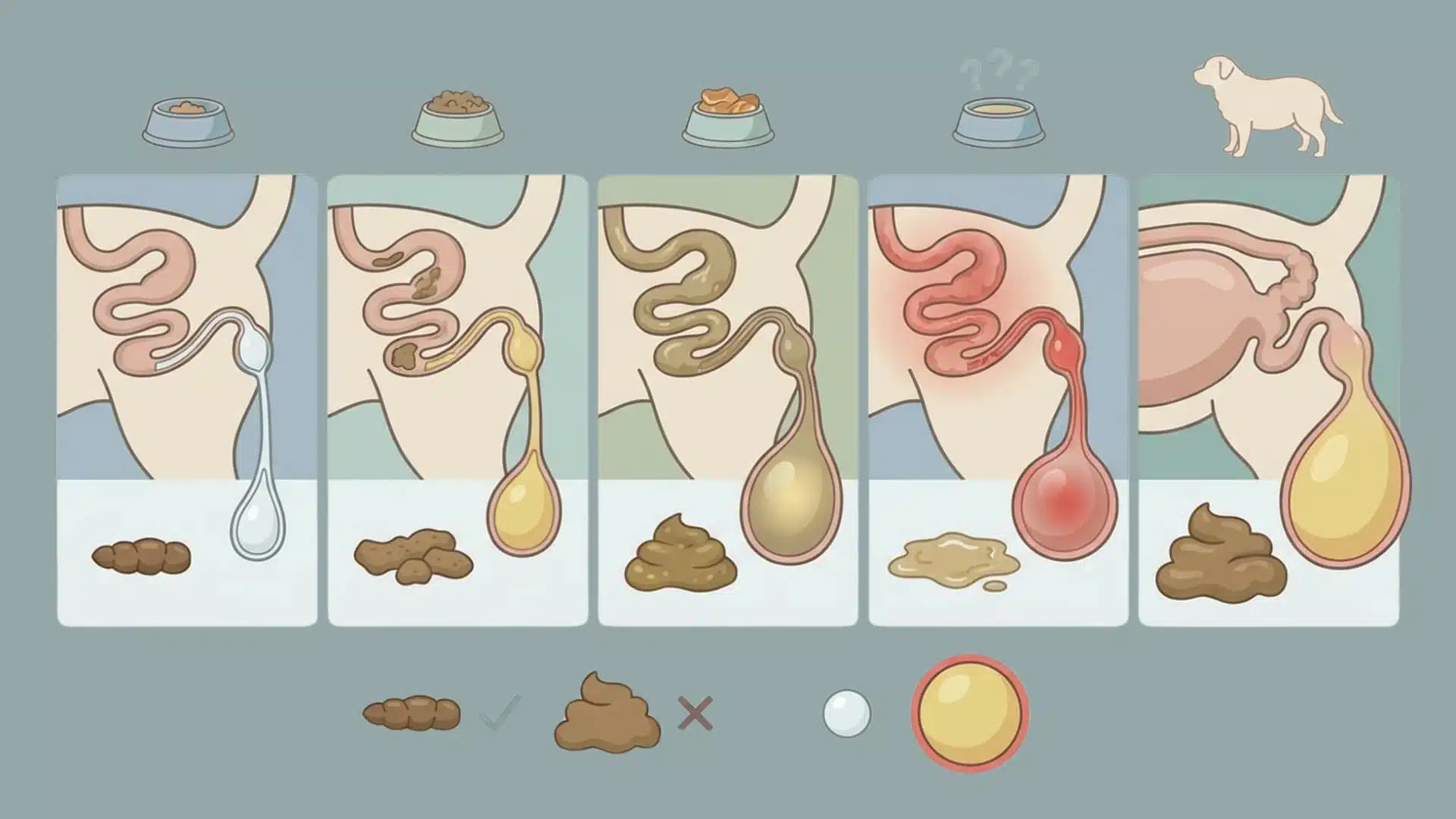
Supporting natural gland expression starts with improving digestion, stool consistency, and daily habits that directly influence how effectively your dog’s body clears these glands.
1. Add Fiber the Right Way
Adding fiber is one of the most effective ways to improve stool firmness and support natural gland expression.
Good natural sources include plain canned pumpkin, flaxseed, green beans, psyllium husk, and commercial ingredients like beet pulp and oat hulls.
Green beans and psyllium husk provide more insoluble bulk, which is what creates the mechanical pressure needed during bowel movements.
The key is to introduce fiber gradually, as too much too quickly can upset digestion instead of helping.
Start with half a teaspoon for small dogs, one teaspoon for medium dogs, and no more than one tablespoon for large breeds. Scale up slowly over two weeks.
2. Improve Food Quality
Switching to higher-quality dog food can make a noticeable difference in stool consistency and overall gut health. Look for whole ingredients, balanced nutrition, and minimal fillers.
When reviewing labels, look for named fiber sources such as beet pulp, oat bran, or psyllium listed in the ingredients.
A crude fiber percentage between 3% and 6% on the guaranteed analysis panel is a reasonable target for dogs with gland issues.
Keeping a consistent feeding routine also helps regulate bowel movements, making it easier for your dog’s body to maintain a natural, steady glandular expression.
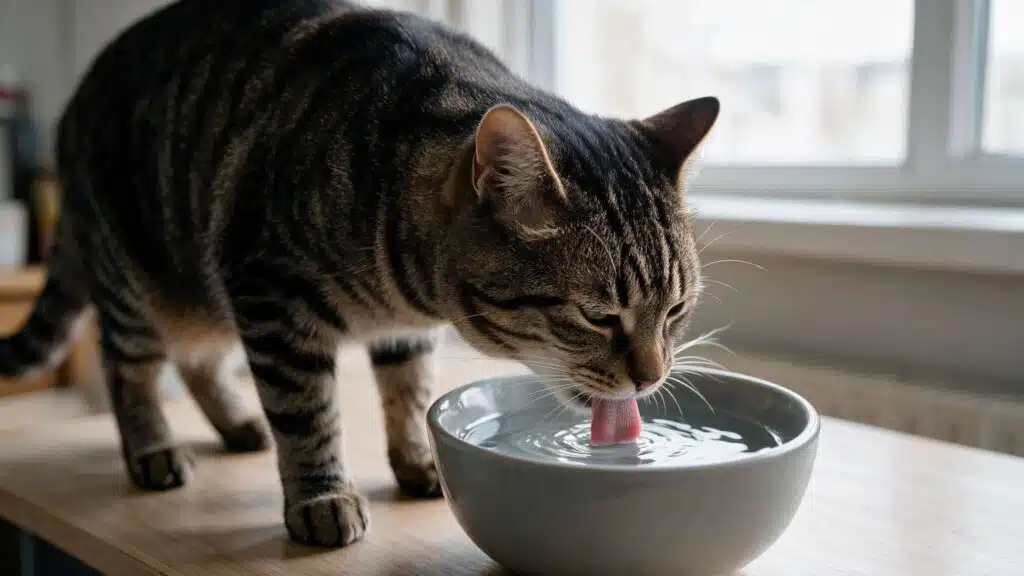
3. Hydration Matters
Hydration plays a crucial role in maintaining the right stool texture. While soft stools are a problem, overly dry stools are not ideal either.
Dogs need enough moisture to keep their digestion smooth and balanced. Providing fresh water at all times and including moisture-rich foods when needed can help maintain that balance.
Bone broth (low sodium, no onion or garlic) is a simple way to boost fluid intake for dogs that do not drink enough on their own.
Proper hydration supports healthy bowel movements, which directly impacts how effectively the glands are expressed.
4. Regular Exercise
Regular physical activity supports healthy digestion and consistent bowel movements. When dogs stay active, their digestive system works more efficiently, helping maintain proper stool formation.
Exercise also reduces the chances of irregular bowel patterns, which can contribute to gastrointestinal issues.
It also directly supports weight management, which, as covered above, is its own independent risk factor for anal gland impaction.
Even simple daily walks can make a difference in keeping your dog’s system functioning the way it should.
5. Omega-3 Fatty Acids and Anti-Inflammatory Support
One thing that rarely gets mentioned in conversations about anal gland health is the role of Omega-3 fatty acids.
Fish oil, in particular, has well-documented anti-inflammatory properties that can help reduce irritation and swelling around the anal glands in dogs prone to repeated flare-ups.
Dogs with underlying food allergies tend to have chronic low-level inflammation that contributes to narrowed ducts and impaired expression. Omega-3s can help modulate that response.
Before adding fish oil to your dog’s diet, confirm the appropriate dose with your veterinarian, as too much can cause loose stools and counteract the benefit you are trying to achieve.
Best Dietary Strategies for Prevention
Preventing anal gland issues in dogs often comes down to getting the diet right and keeping it consistent.
A high-quality, balanced diet with adequate fiber helps maintain firm, well-formed stools that support natural gland expression.
For dogs with suspected food sensitivities, a limited ingredient diet that eliminates common allergens, such as beef, wheat, or dairy, can dramatically reduce the digestive inflammation that contributes to gland dysfunction.
Feeding the same one or two proteins year after year can trigger a slow-developing allergic response that may not show up as classic allergy symptoms.
It is also important to transition foods gradually, as sudden changes can disrupt stool consistency.
Avoid switching treats too often, and when you do, choose options that actively support digestion rather than disrupt it.
Simple, whole-food digestion-friendly homemade treats made with pumpkin or oats are worth considering as a consistent daily option.
Keeping your dog’s diet stable and well-balanced goes a long way in preventing recurring gland problems.
When Diet Alone is Not Enough
While diet plays a major role, it is not always the complete solution. Certain breeds are anatomically predisposed to anal gland problems, including Bulldogs, Beagles, Poodles, Basset Hounds, and Dachshunds.
However, Small and toy breeds in general tend to have narrower gland ducts, which makes natural expression harder regardless of diet.
If your dog belongs to one of these breeds and has recurring issues, it is worth discussing a long-term management plan with your vet rather than relying solely on diet changes.
Repeated inflammation over time can also cause scar tissue to form around the ducts, further narrowing them, which is why early intervention matters so much.
In rare cases where infections recur despite all interventions, surgical removal of the anal glands may be recommended.
This is considered a last resort and is only performed when repeated treatments have failed, and quality of life is significantly affected.
If dietary changes are not improving the situation, a vet check is the right next step to prevent long-term complications.
Vet-Recommended Foods and Supplements
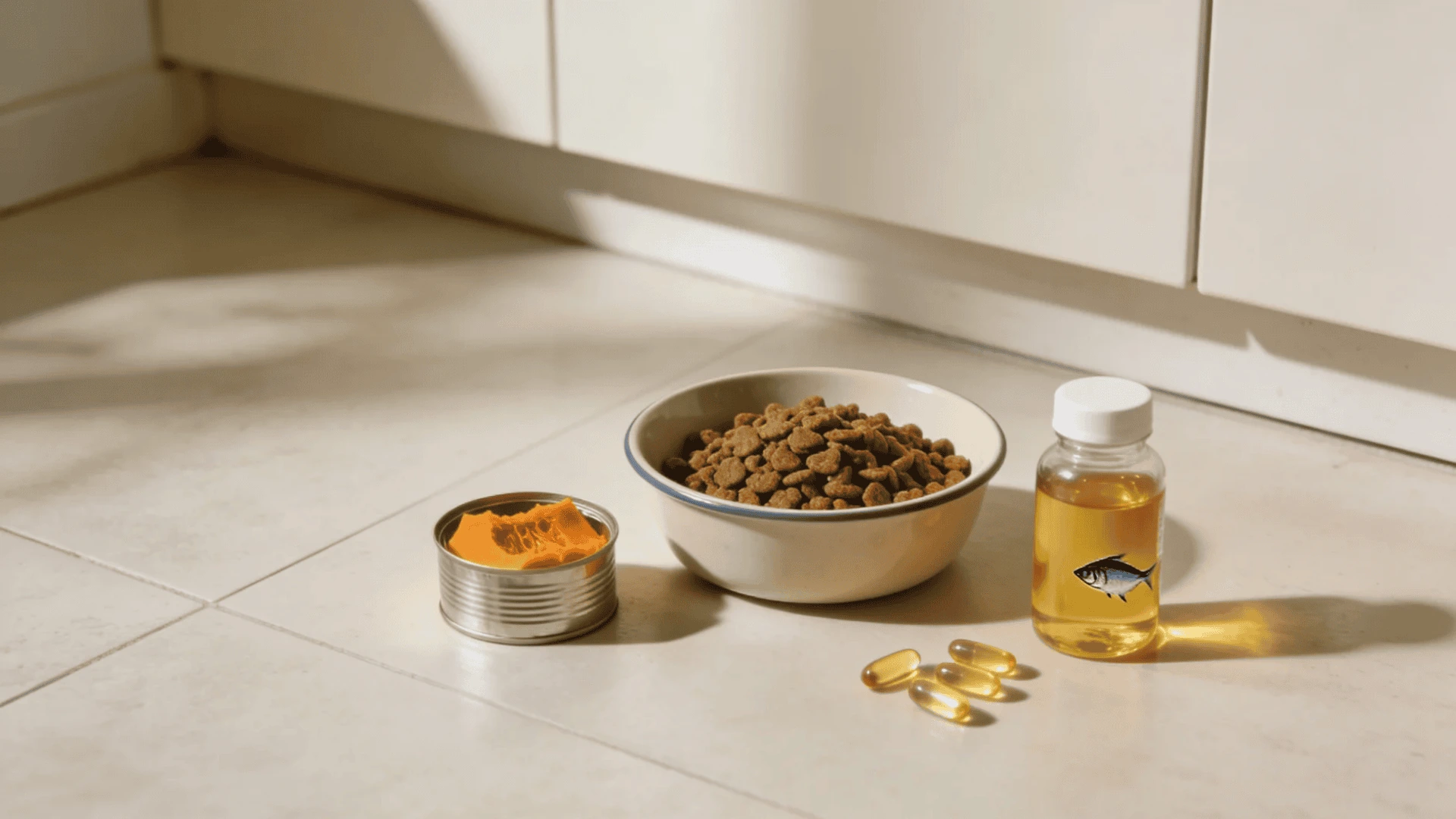
Vets often suggest simple, practical changes rather than complicated fixes. Fiber supplements like psyllium husk or canned pumpkin are commonly recommended to help firm up stools and support natural gland expression.
Fish oil or omega-3 fatty acid supplements are also increasingly recommended, particularly for dogs with allergy-driven anal gland inflammation.
In some cases, probiotics may also help improve gut balance and stool regularity.
If a dog has ongoing issues, prescription diets designed for digestive health or food sensitivities can make a meaningful difference.
I typically start with the simplest intervention first: a tablespoon of plain canned pumpkin added daily. For most of my patients with early-stage impaction, that single change produces visible improvement within 2-3 weeks.
The goal is not to rely on quick fixes, but to create a stable, digestion-friendly routine that supports long-term gland health.
Common Mistakes Dog Owners Make
Small missteps in diet and care can quietly worsen anal gland issues over time.
- Adding too much fiber too fast: Sudden increases can upset digestion and lead to bloating or inconsistent stools instead of fixing the problem.
- Ignoring proper hydration: Lack of water affects stool balance, making it harder to maintain the right consistency for natural gland expression.
- Switching foods too often: Frequent changes disrupt gut stability and lead to irregular stools that affect gland function.
- Waiting too long to act: Delaying action allows buildup and discomfort to worsen, sometimes leading to infection or abscess.
- Relying only on manual expression: Treating symptoms without fixing diet can make the problem keep coming back.
- Allowing routine groomer: Many groomers offer anal gland expression as a standard add-on service. However, unnecessarily expressing glands that are already emptying on their own can gradually weaken the natural expression reflex.
Conclusion
Anal gland issues can be frustrating, but diet gives you real, practical control over the situation.
Paying attention to what is in your dog’s bowl, monitoring stool consistency, and acting early when signs appear are the three habits that make the biggest difference in clinical outcomes.
Over years of practice, the cases I have seen resolve most reliably are those in which owners did not wait for a crisis; they adjusted the diet, stayed consistent, and checked in with their vet before small problems became painful ones.
The goal is not perfection, but consistency and awareness. If something feels off, acting early makes a big difference.
And if you are ever uncertain about whether what you are seeing is diet-related or something more structural, do not guess; book a visit with your veterinarian.
A physical exam takes minutes and can tell you far more than any symptom checklist.
Have you noticed any changes in your dog’s behavior or diet? Drop your comments below and share your experience.
Frequently Asked Questions
Can Certain Dog Treats Make Anal Gland Problems Worse?
Yes, low fiber, high fat, or allergen-heavy treats can lead to soft stools or sensitivities, which may worsen anal gland issues. Choose simple, digestible treats that support firm stool consistency.
Do Puppies Get Anal Gland Problems from Their Diet?
Puppies can have anal gland issues, and diet may play a role, but underdeveloped glands are also common. If symptoms appear, a vet check is important before assuming food is the cause.
Can Switching to Raw Food Fix My Dog’s Anal Gland Issues?
Raw diets may help firm stools in some dogs, which supports natural gland expression. However, they are not a guaranteed fix and should be properly balanced with professional guidance.
Are Anal Gland Issues More Common in Older Dogs Because of Their Diet?
Older dogs are more prone due to slower digestion and lower activity levels. Diet still plays a key role, and proper fiber and fat balance can help manage recurring issues.
Can Seasonal Changes Affect Anal Gland Health Through Diet?
Yes, seasonal allergies can impact digestion and stool quality, which may affect anal glands. Adjusting diet and consulting a vet can help manage symptoms during these periods.