Watching your dog suffer through chronic vomiting, runny stools, and a shrinking appetite is one of the hardest things a pet parent can go through, and I know that feeling all too well.
When my dog was diagnosed with inflammatory bowel disease,
I had no idea where to start with food. Every label felt confusing, every “healthy” ingredient felt like a gamble. That’s exactly why I put together this breakdown.
I’ll walk you through which diet types actually help, the specific foods that support a sensitive gut, what to cut out completely, how to build a home-cooked plan, and how to spot whether any of it is working. If your dog has IBD, the right food really can change everything.
What is Inflammatory Bowel Disease in Dogs?
Inflammatory bowel disease in dogs occurs when the gastrointestinal tract becomes chronically inflamed due to an abnormal immune response.
Unlike irritable bowel syndrome, which is often stress-related, IBD is a physical condition in which inflammatory cells infiltrate the lining of the stomach and intestines, disrupting the absorption and digestion of food.
The exact cause isn’t always clear. Contributing factors may include food allergies, abnormal immune function, bacteria, parasites, and genetics.
While any dog can develop IBD, certain breeds appear to be more susceptible, including German Shepherds, Boxers, Rottweilers, Soft-Coated Wheaten Terriers, English Bulldogs, Basenjis, Shar Peis, Irish Setters, and Norwegian Lundehunds.
Could a Dog Be Suffering From IBD?
If any of the following warning signs are spotted in a furry companion, there is a possibility that a beloved pet may be battling inflammatory bowel disease:
- Frequent bouts of nausea and vomiting
- Runny, loose, or blood-streaked feces
- Straining or struggling to defecate
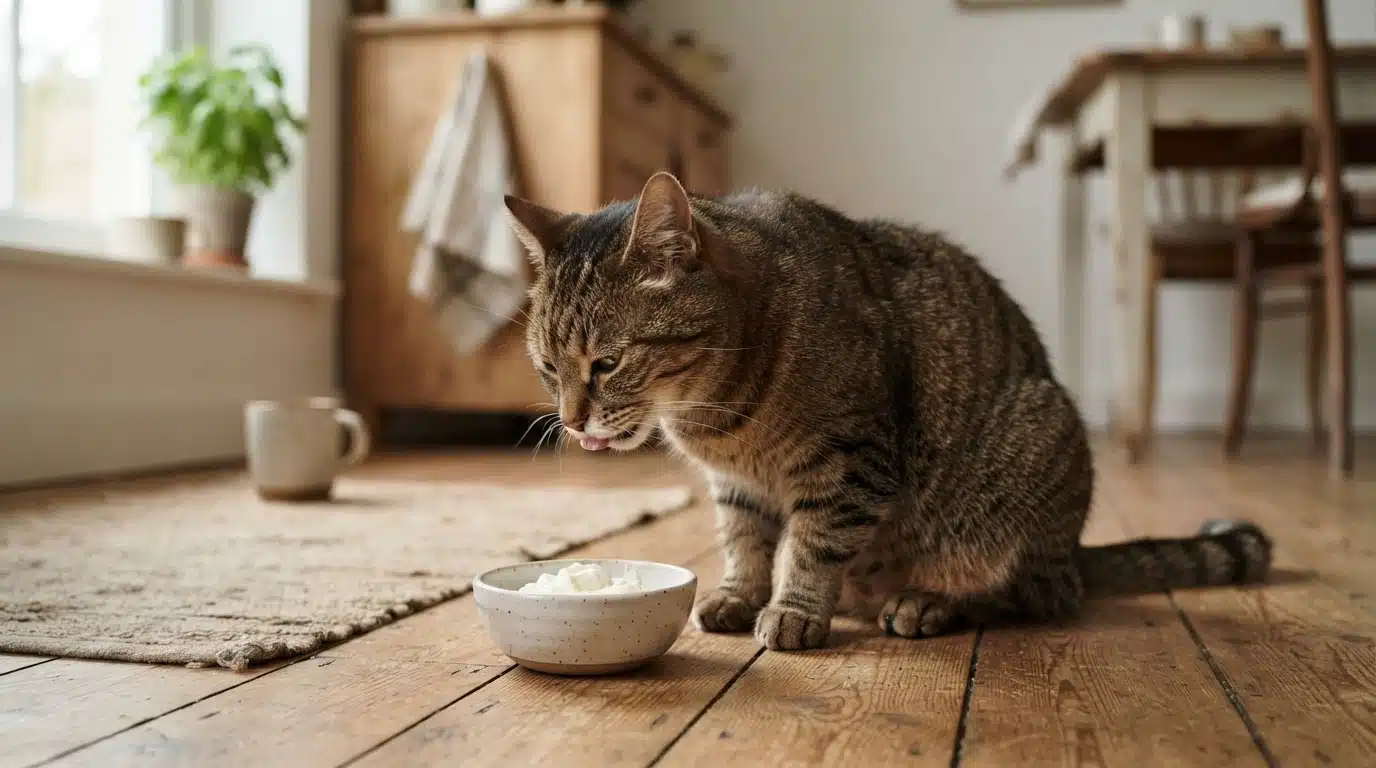
- Turning away from the food bowl
- Noticeable drop in overall body weight
- Being overly choosy or selective with meals
Pet owners should be aware that the signs of IBD have a tendency to come and go without warning, and can differ greatly in how mild or severe they present.
One early sign that often goes unnoticed is when a dog begins refusing regular meals while still showing interest in treats, a pattern worth paying close attention to, as explored in Why Dogs Eat Treats but Not Their Food.
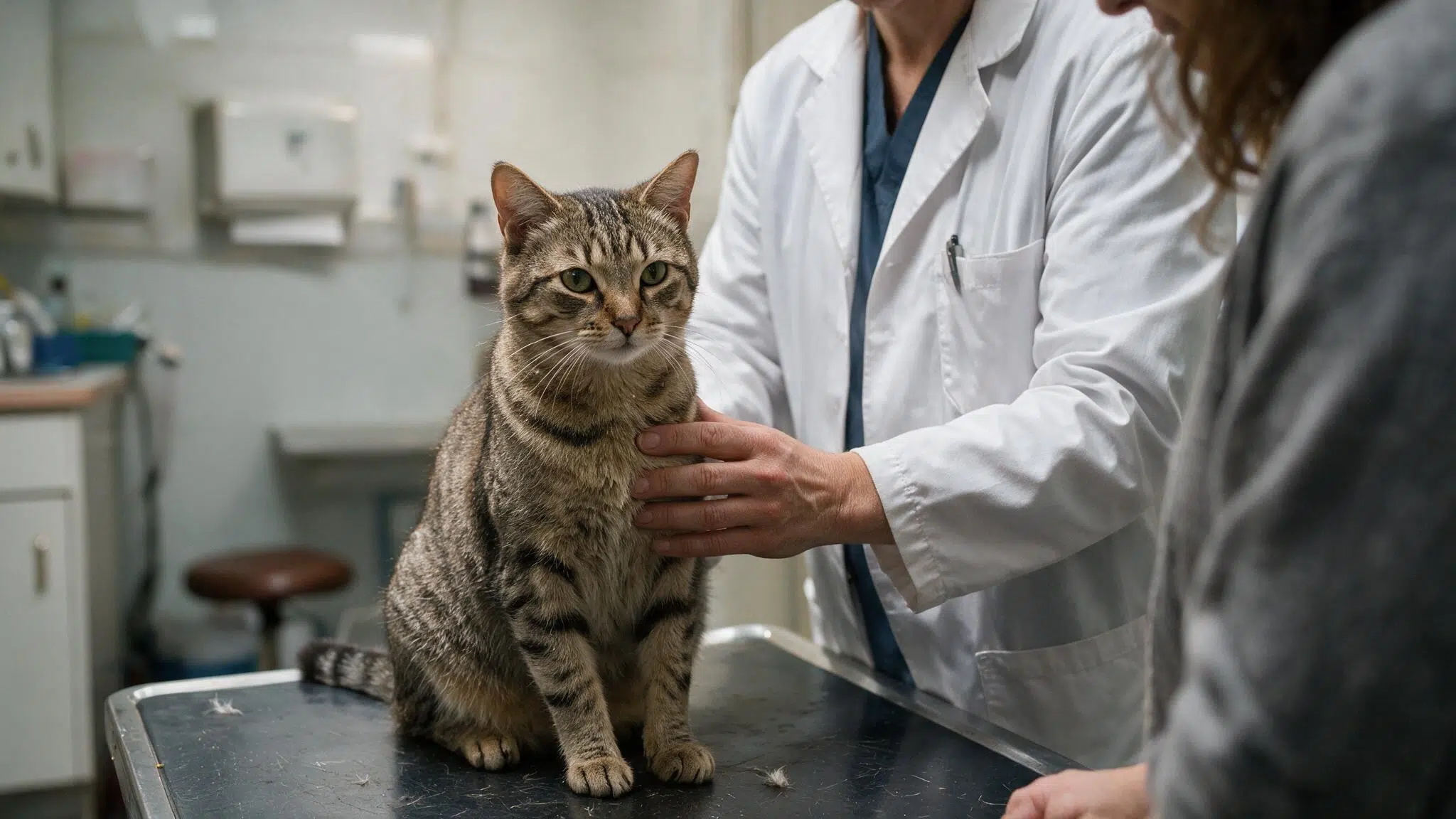
Should a cherished dog begin displaying any of these concerning symptoms, do not hesitate to get in touch with a veterinarian and arrange a full physical evaluation.
What Should I Feed My Dog With IBD?
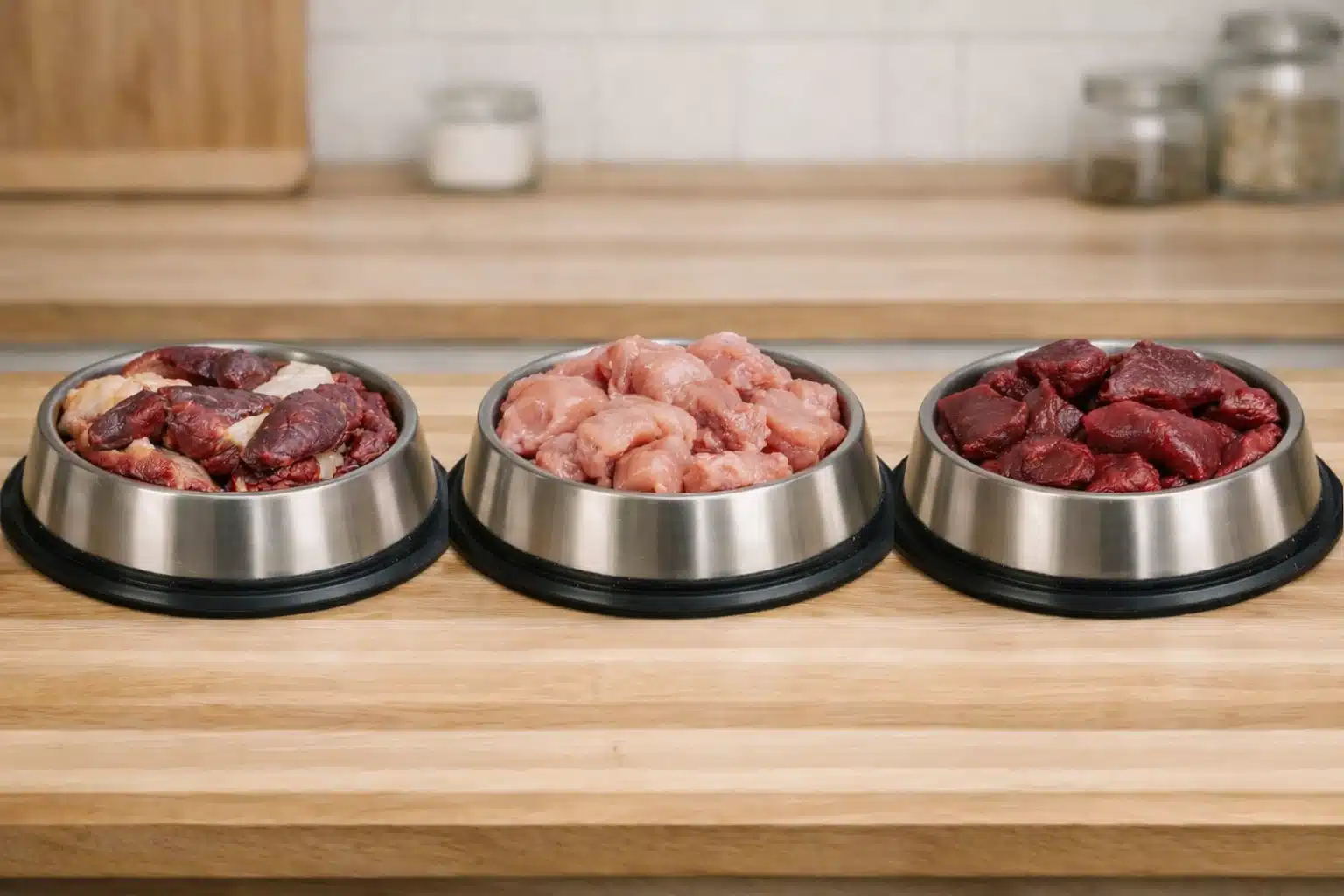
There is no single food that works for every dog with IBD. Your vet may recommend one or a combination of the following dietary approaches depending on your dog’s specific triggers and symptoms.
1. Novel Protein Diets
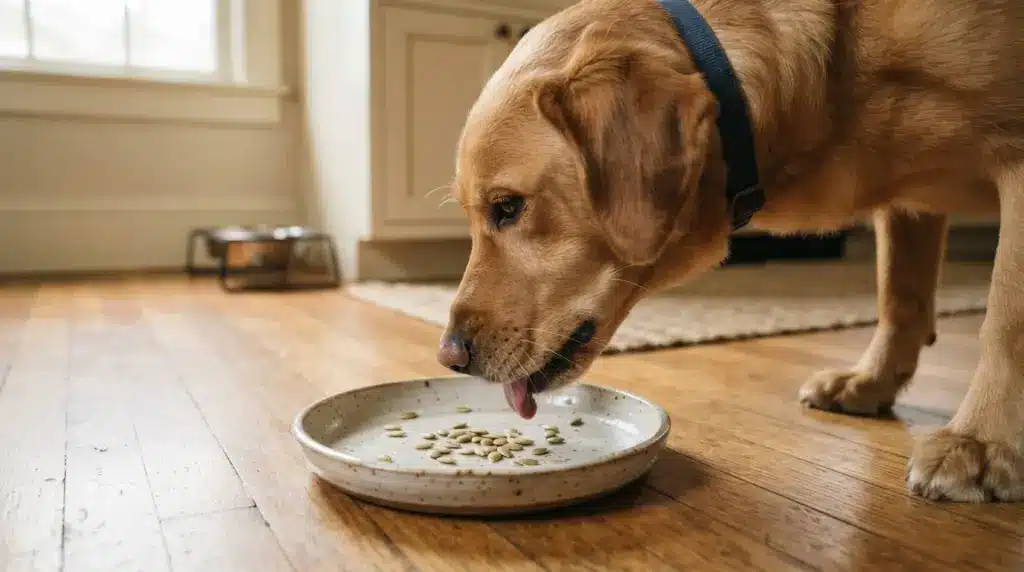
The idea behind a novel protein diet is simple: if your dog has never eaten a particular protein before, their immune system is unlikely to react to it.
Proteins like duck, venison, rabbit, and kangaroo are common choices.
Since common proteins such as chicken and beef are frequent allergens, switching to something unfamiliar can significantly reduce immune-driven inflammation.
2. Hydrolyzed Protein Diets
In hydrolyzed diets, proteins are broken down into small molecules that the immune system no longer recognizes as a threat, so it doesn’t mount a response.
This is often a vet-prescribed option for dogs with severe food sensitivities or those who have already reacted to multiple protein sources.
These are typically available as prescription diets from your veterinarian.
3. Limited Ingredient, Low-Fat Diets
Simplified formulas with fewer ingredients reduce the chance of exposure to hidden allergens and make it easier to identify what your dog can and cannot tolerate.
Fat is particularly problematic for dogs with IBD as it slows digestion and can worsen inflammation, so keeping fat content low is important.
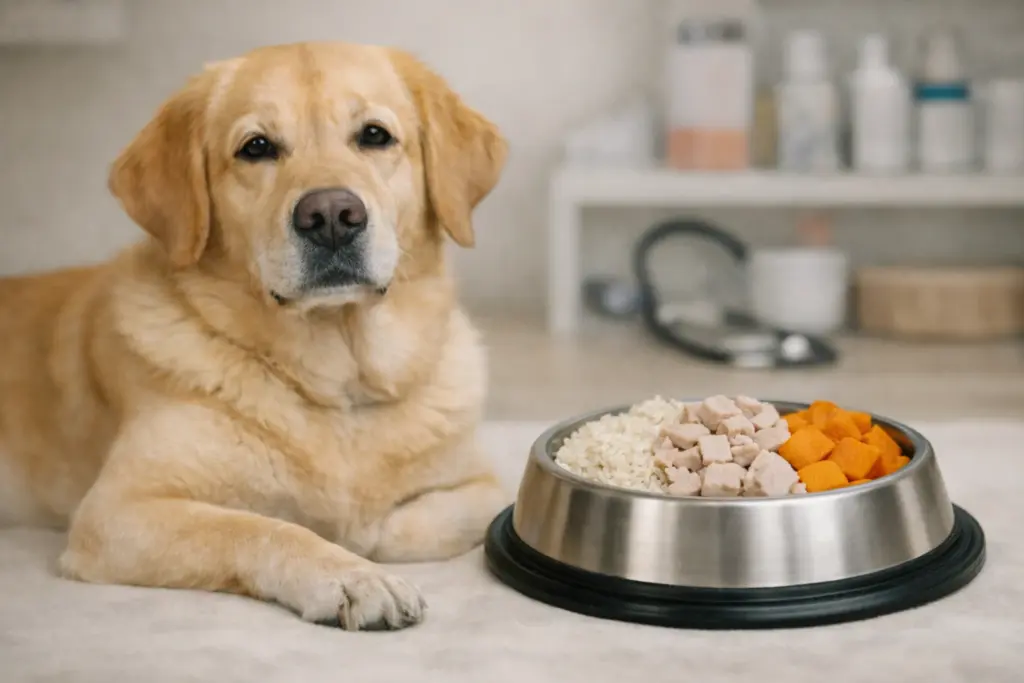
Bland, easily digestible foods like plain boiled turkey, white rice, and sweet potato are often well-tolerated, especially during flare-ups.
4. Low-Fat/High-Fiber
Low-fat, easily digestible foods are crucial for dogs with pancreatic issues, as they reduce strain on the pancreas and allow the digestive system to process nutrients without overworking.
High-fiber options support gut motility and help regulate bowel movements, making them especially useful for dogs prone to loose stools or constipation.
Together, a low-fat, fiber-balanced diet keeps digestion steady and inflammation low.
Why Diet Matters for Dogs With IBD

Food plays a direct role in how inflammation behaves in your dog’s gut.
Certain proteins, fats, and additives can trigger an immune reaction that worsens the inflammation in the intestinal lining, leading to more frequent and severe flare-ups.
On the other hand, the right diet can calm the immune response, support the gut lining, and improve your dog’s nutrient absorption.
There is currently no cure for IBD in dogs, but dietary management, often combined with medication, is one of the most effective ways to keep symptoms under control.
Once the condition is well managed, many dogs can reduce their medication and only need them during flare-ups.
How to Build a Home-Cooked Meal Plan for a Dog With IBD
Home-cooked diets give complete control over every ingredient, no hidden allergens, no mystery additives.
However, dogs need precise ratios of calcium, phosphorus, and trace minerals, so a nutritionally incomplete meal can create new problems even as it resolves gut symptoms.
A simple starting framework looks like this:
- Protein (40–50%): Novel lean meat such as boiled turkey breast, tilapia, or pork tenderloin, unseasoned and low-fat.
- Carbohydrates (35–45%): White rice, sweet potato, or pearled barley is gentle on an inflamed gut.
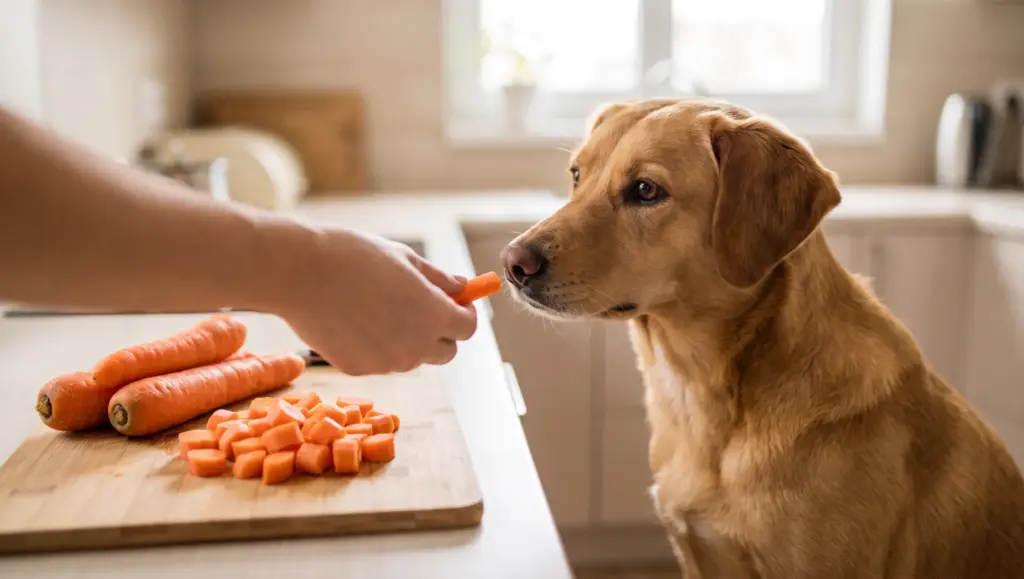
- Vegetables (10–15%): Carrots, green beans, or zucchini. Avoid broccoli and cauliflower entirely.
- Supplement base: A canine-specific multivitamin is non-negotiable to close nutritional gaps.
- Optional: One teaspoon of psyllium husk per 300 kcal to support stool consistency.
Always transition over 7 to 10 days using a 75/25 ratio of old to new food. Switching cold turkey, even to a gentler diet, is enough on its own to trigger a flare-up in a sensitive dog.
Foods and Ingredients to Avoid
Knowing what to keep out of a dog’s bowl is just as important as knowing what to put in it. Here are the key ingredients to avoid:
- Common allergens: Chicken, beef, dairy, wheat, and eggs should be avoided. Chicken is especially common in dog food, so knowing what chicken meal in dog food means helps identify hidden ingredients.
- High-fat foods: Fatty cuts of meat and rich table scraps are known triggers for digestive upset in dogs with IBD and must be strictly avoided.
- Artificial additives: Preservatives and flavor enhancers found in many commercial dog foods can provoke an immune reaction in sensitive dogs.
- Spices and human food: Any seasoned or table food not specifically approved by a vet should be kept well away from a dog’s bowl.
- Gas-producing vegetables: Broccoli, cauliflower, cabbage, and onions can worsen bloating and gut discomfort and should be avoided entirely.
- Flavored treats and chews: These are one of the most overlooked IBD saboteurs. During a food trial, even a single flavored treat can reintroduce an allergen, invalidating weeks of dietary work. Use small pieces of the dog’s approved food as rewards instead.
Conclusion
I know how unsettling it is to watch your dog go through repeated bouts of diarrhea, especially when you’re not sure what’s causing it or how long it will last.
The good news is that most mild cases do respond well when you stay consistent with bland food and proper hydration.
A slow transition back to regular meals, and close attention to how your dog is feeling each day.
That said, if things are not improving within 48 hours or you notice blood, vomiting, or dehydration, please do not wait.
See your vet. If this helped, browse my other blogs and leave your thoughts below. Your experience might be exactly what another pet parent needs to read.
Frequently Asked Questions
How is IBD diagnosed in dogs?
A definitive diagnosis requires intestinal biopsies. Vets may also run bloodwork, stool analysis, and abdominal ultrasound to rule out other conditions before confirming IBD in a dog.
How long does a new diet take to work?
Most dietary changes take two to six weeks to show improvement. Consistency is essential; switching foods too early or introducing unapproved treats can completely reset the entire process.
What is the best protein for a dog with IBD?
Novel proteins never eaten before duck, venison, rabbit, or tilapia are the safest starting point, as the immune system is far less likely to react to unfamiliar protein sources.