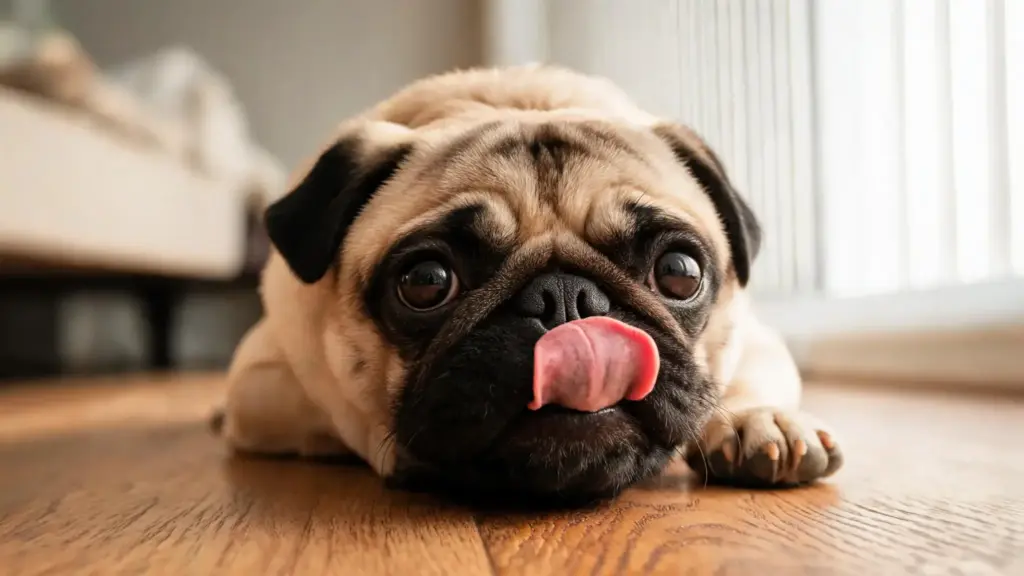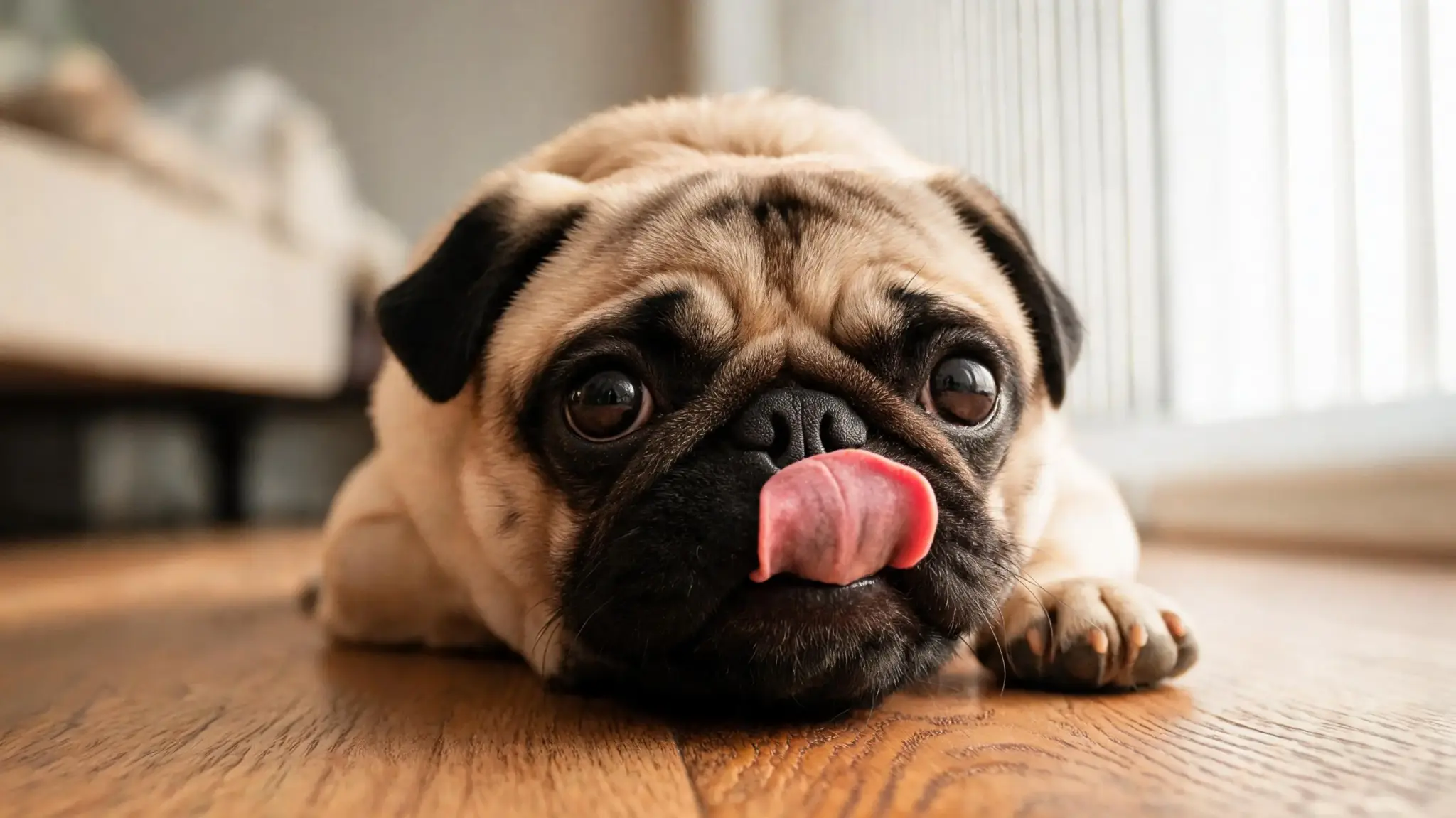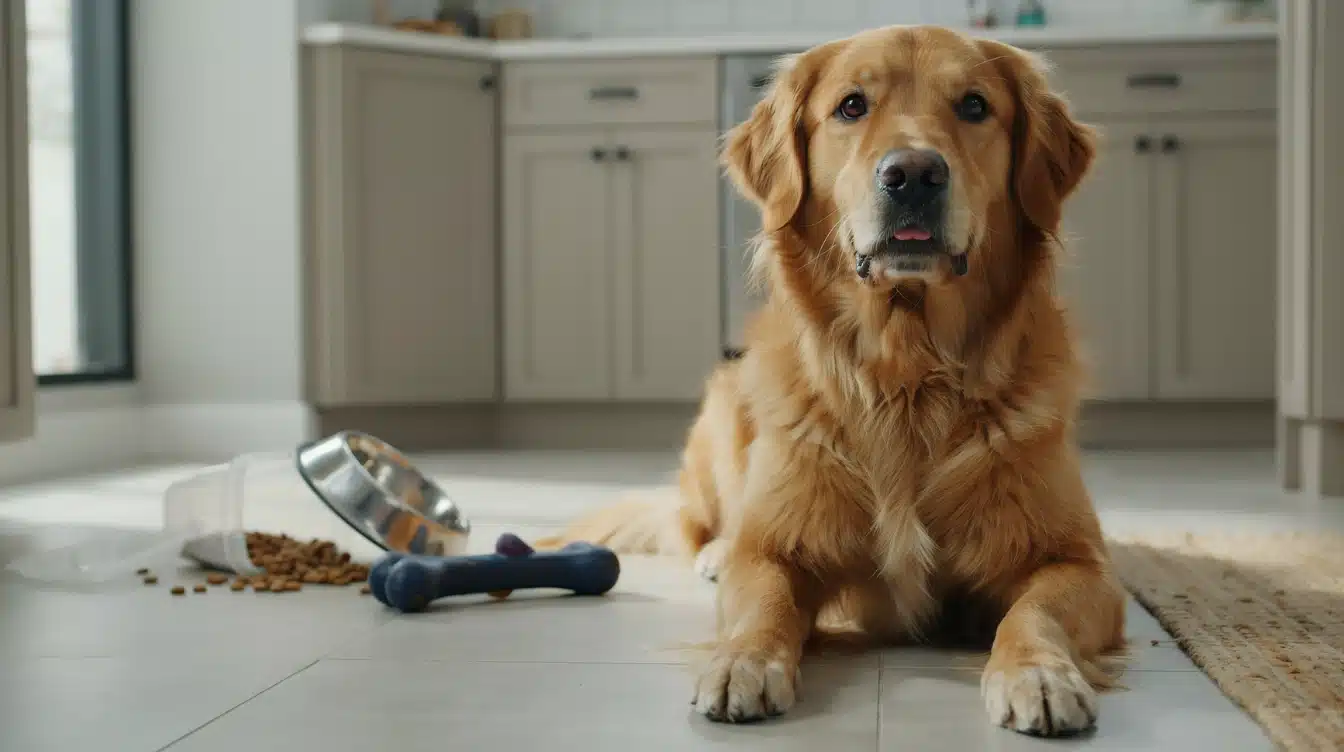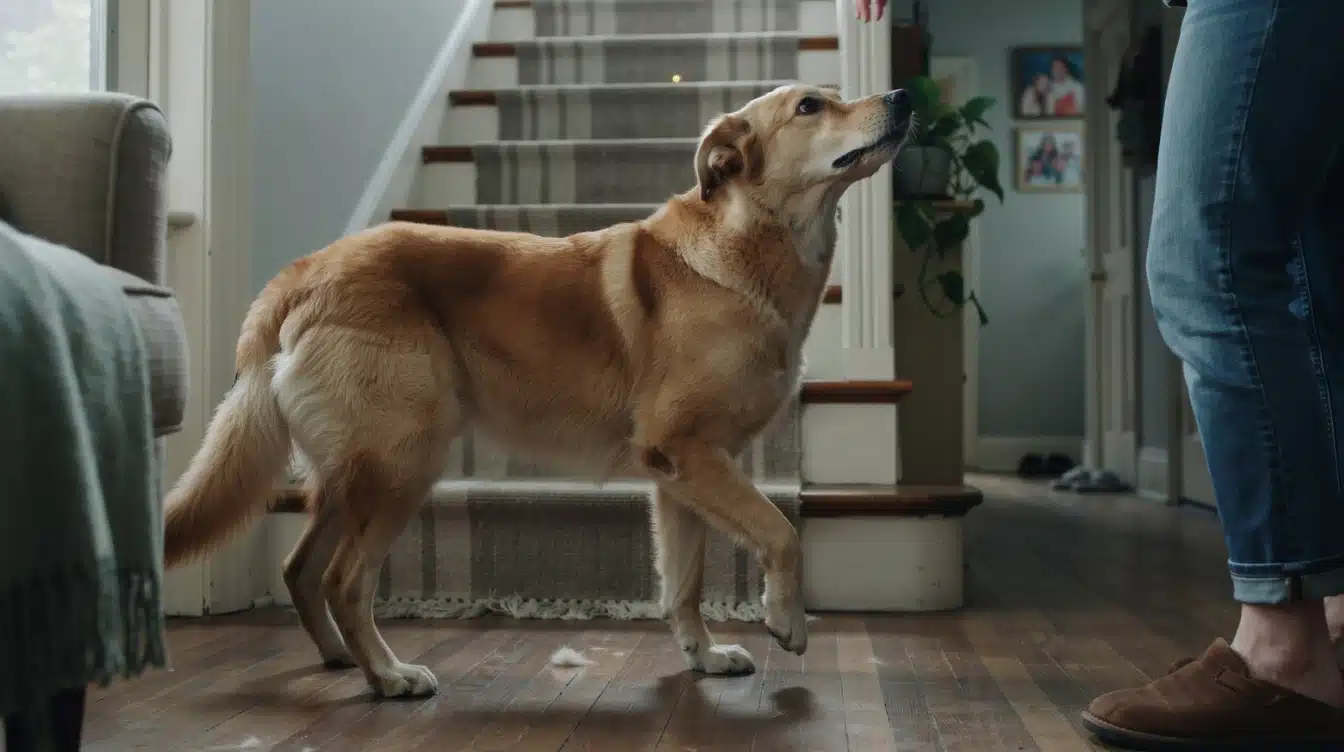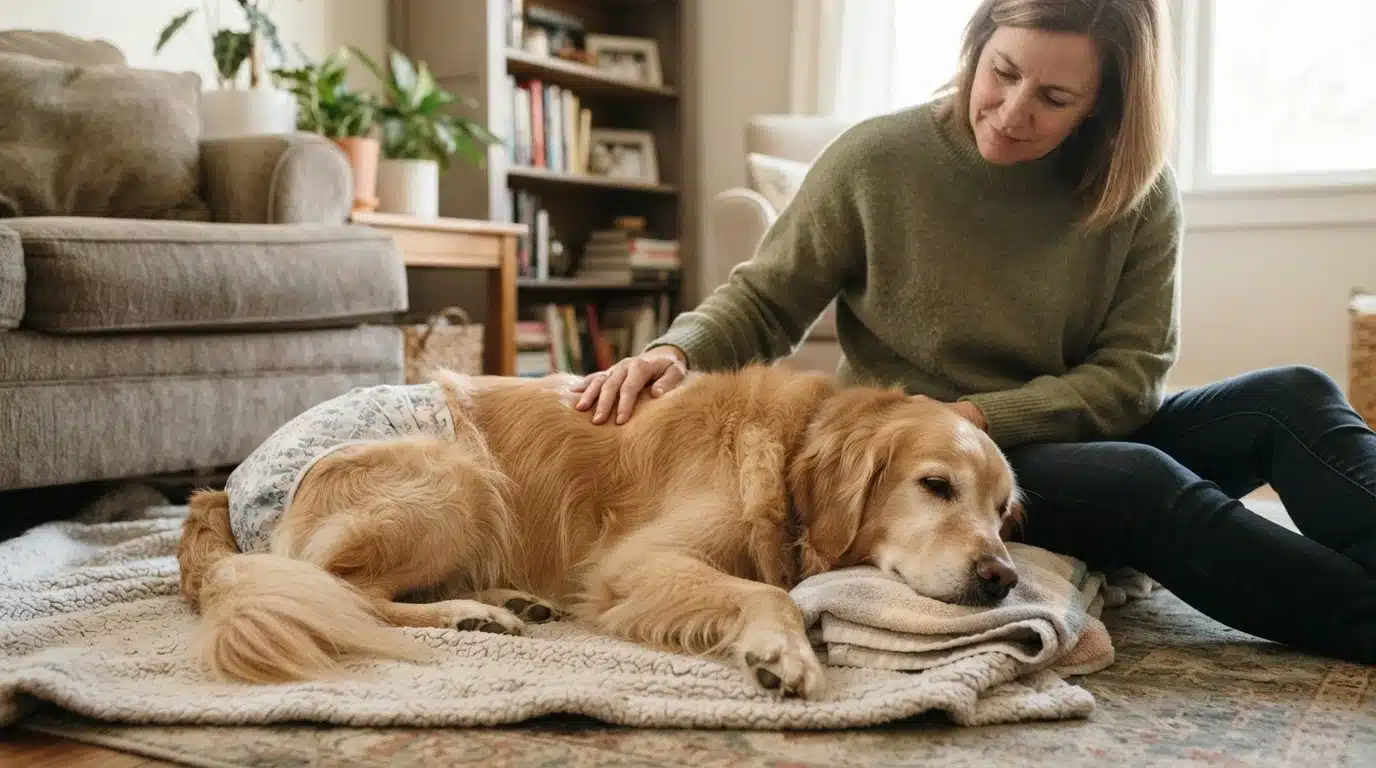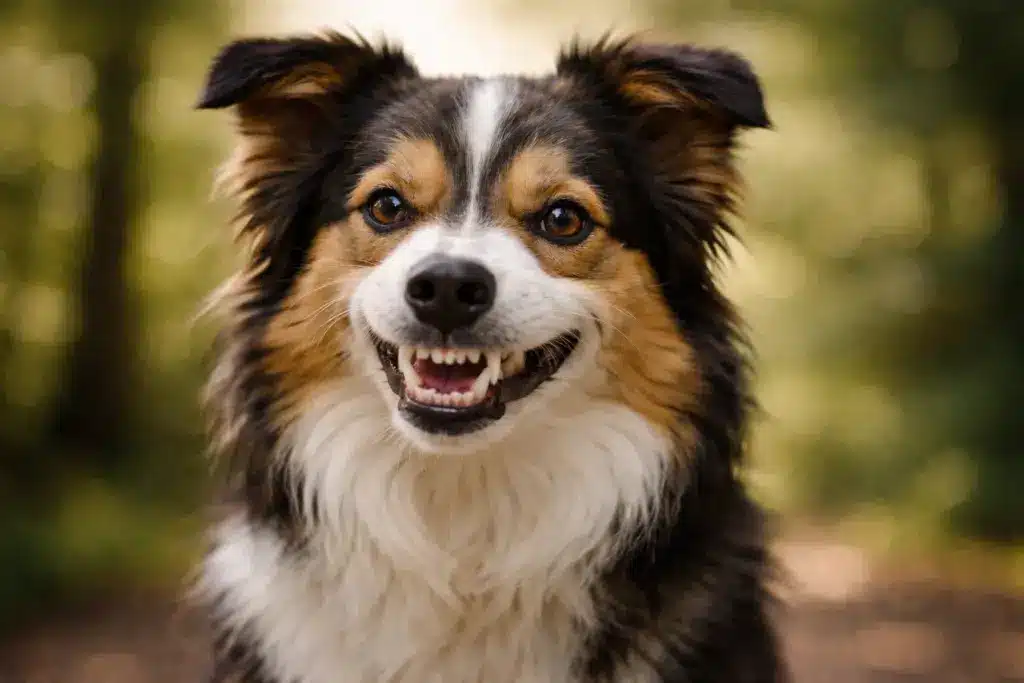
You hear it before you see it: a rapid, clicking sound coming from your dog’s mouth. Their jaw is moving fast, teeth knocking together, and you have no idea why.
Is it the cold? Are they scared? Is something wrong?
Dog teeth chattering is one of those behaviors that looks alarming the first time you see it, but usually has a straightforward explanation.
The key is knowing what to look for, because the same behavior can mean something completely different depending on the situation.
So why do dogs chatter their teeth? As a veterinarian, I’ve diagnosed this behavior across hundreds of patients.
The cause is traced back to a range of conditions, from a simple cold snap to those requiring immediate treatment.
Let me break down every reason why dogs chatter their teeth, how to tell them apart, and when it’s time to call your vet.
What Does Dog Teeth Chattering Actually Look Like?
Dog chattering teeth refers to a rapid, repetitive movement of the jaw that causes the upper and lower teeth to click together in quick succession.
It can last a few seconds or continue for longer. Some dogs do it occasionally; others do it regularly in specific situations.
It’s different from bruxism, which is teeth grinding, a slower, more forceful movement that usually happens when a dog is resting or asleep.
Chattering is faster and more involuntary-looking. If you’re hearing a grinding sound rather than a clicking one, that’s a separate issue worth discussing with your vet.
Why Do Dogs Chatter Their Teeth?
Some causes are completely harmless. Others need a vet. Here’s what each one looks like and how to tell them apart.
1. Low Body Temperature & Cold Weather
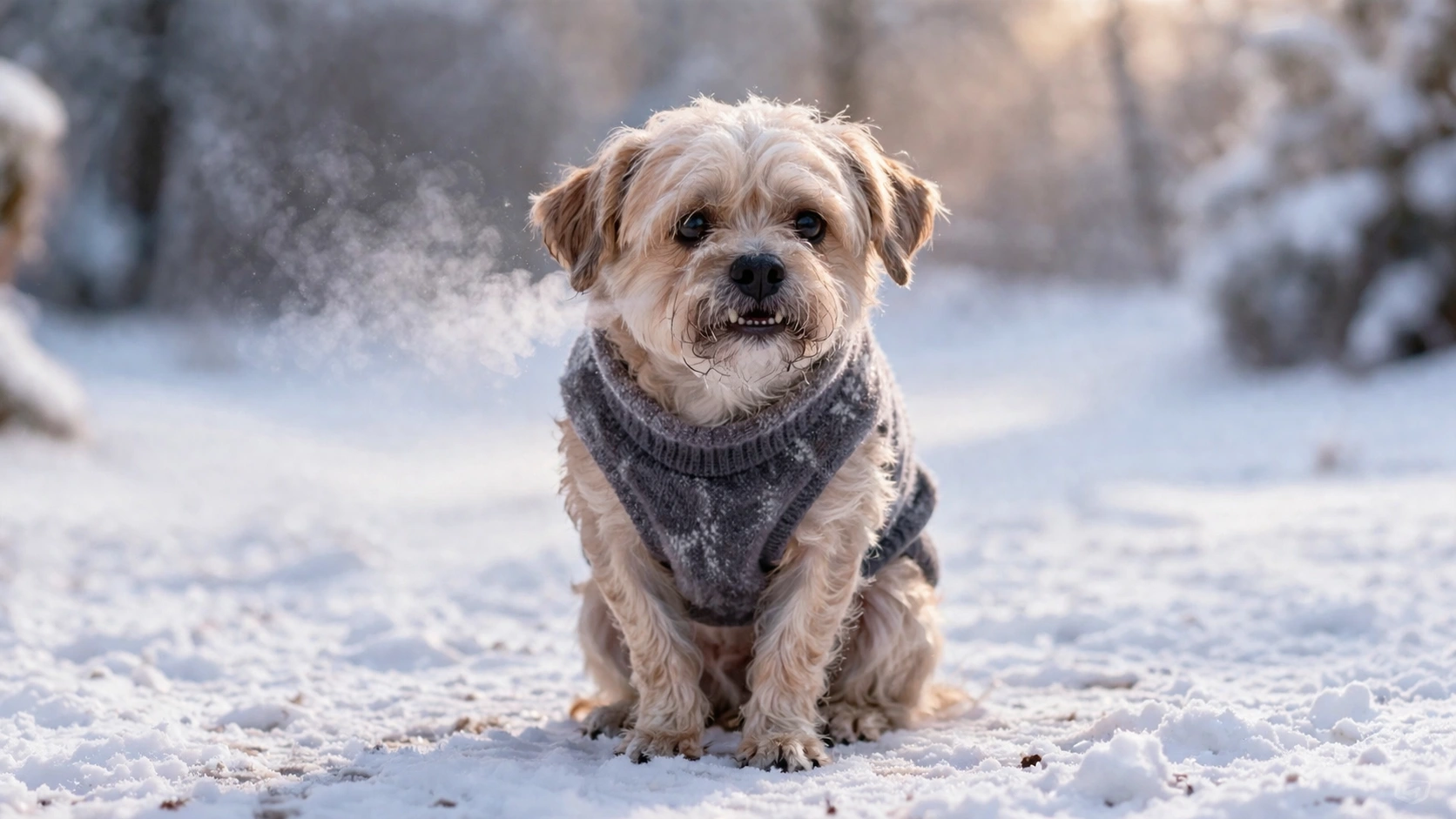
The most familiar cause. Just like humans, dogs shiver and chatter their teeth when their body temperature drops.
Small breeds, such as Chihuahuas, Miniature Pinschers, and Italian Greyhounds, feel the cold more quickly and intensely than larger breeds.
If the chattering happens outdoors in cool weather or after a bath, temperature is almost certainly the culprit.
If the chattering continues after your dog is warm and comfortable, temperature is no longer a sufficient explanation. That’s when I’d want to look further.
2. Excitement or Anticipation
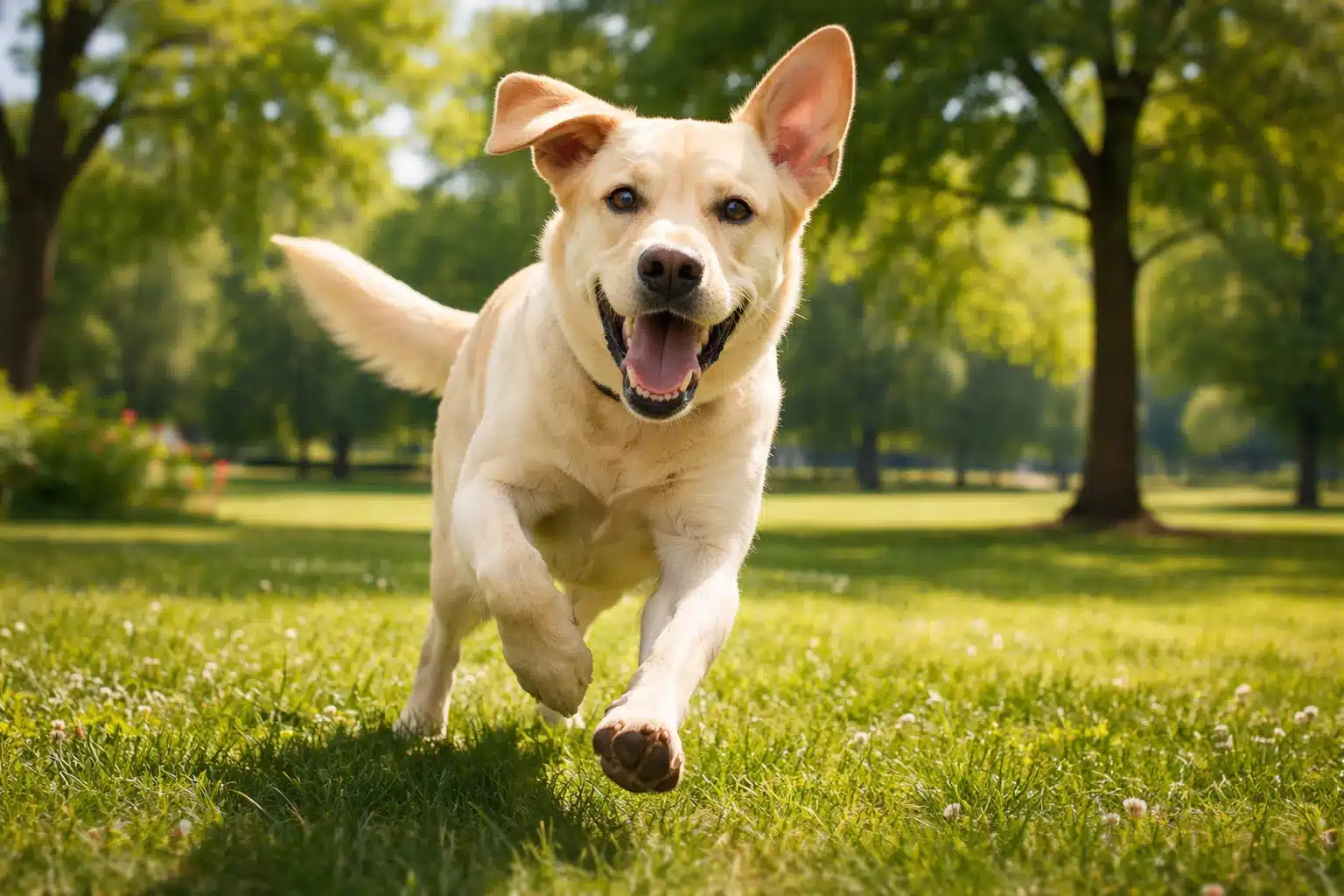
Some dogs chatter their teeth when they’re excited, right before a walk, when their owner comes home, or mid-play session.
This tends to happen in high-energy dogs and is usually accompanied by tail wagging, bouncing, and alert body language.
There’s nothing medical going on. It’s just how some dogs express intensity.
I’ve seen this most in dogs with a lot of drive, working breeds, herding dogs, and highly social individuals who wear their emotions on their sleeve, or in this case, their jaw.
I once had a client bring in her Border Collie, convinced that something was neurologically wrong. He chattered every single time she reached for his leash.
We did a full workup, and nothing came up. He was just very, very enthusiastic about walks. Once she recognized the pattern, the anxiety went away entirely.
3. The Flehmen Response
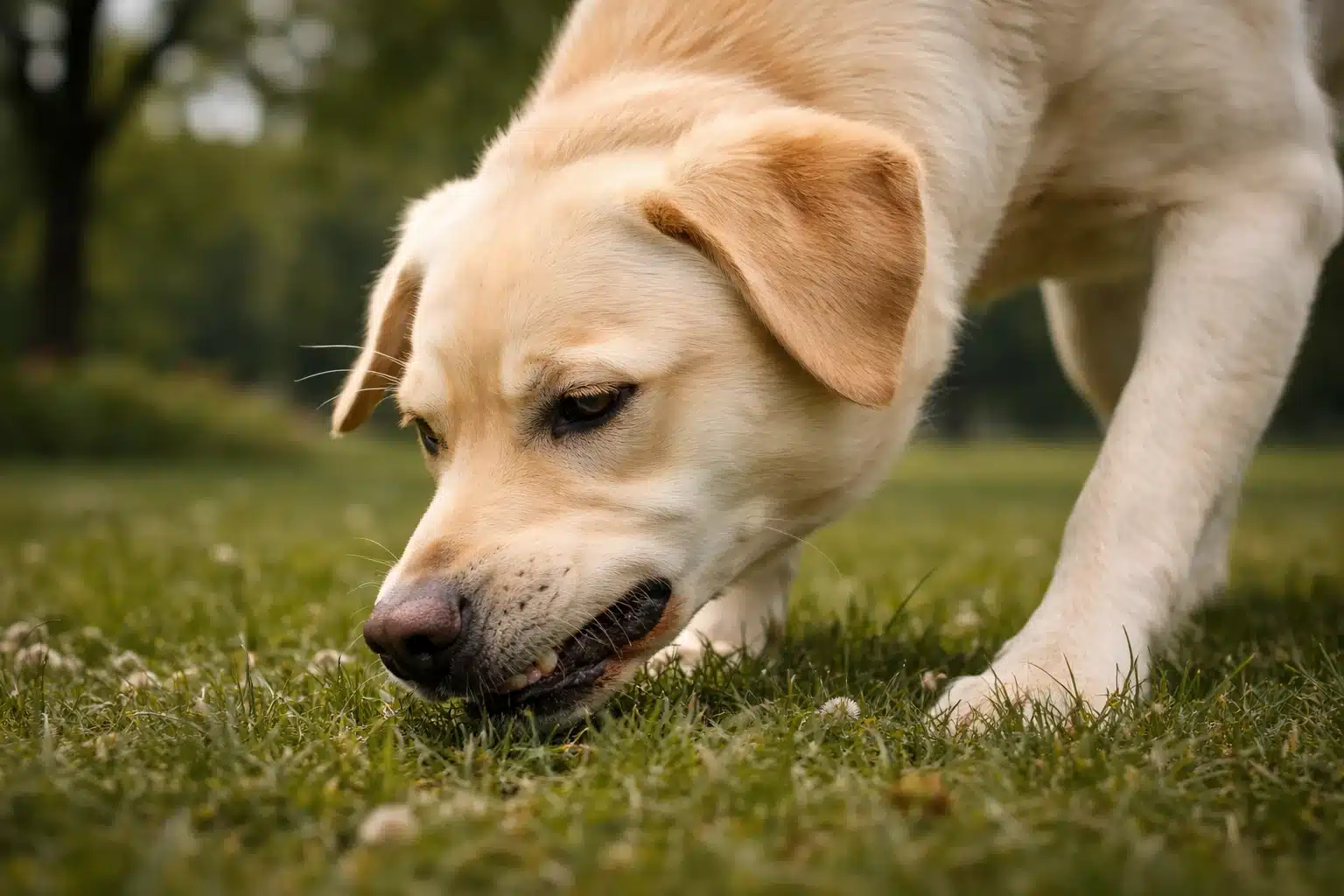
It surprises most dog owners. Dogs have a sensory organ in the roof of their mouth called the vomeronasal organ, or Jacobson’s Organ.
It detects pheromones and certain strong scents that the nose alone can’t fully process.
When a dog encounters an overwhelming or fascinating smell, they may pull their lips back slightly and chatter their teeth as the organ processes the signal.
It’s most commonly seen in intact male dogs after sniffing a female in heat, but any dog can show this response to a strong enough scent.
It looks odd, but it’s completely normal, and it stops as soon as the stimulus is gone.
You may also notice foamy drooling alongside the chattering; it is normal and part of the same scent-processing response.
4. Anxiety or Stress
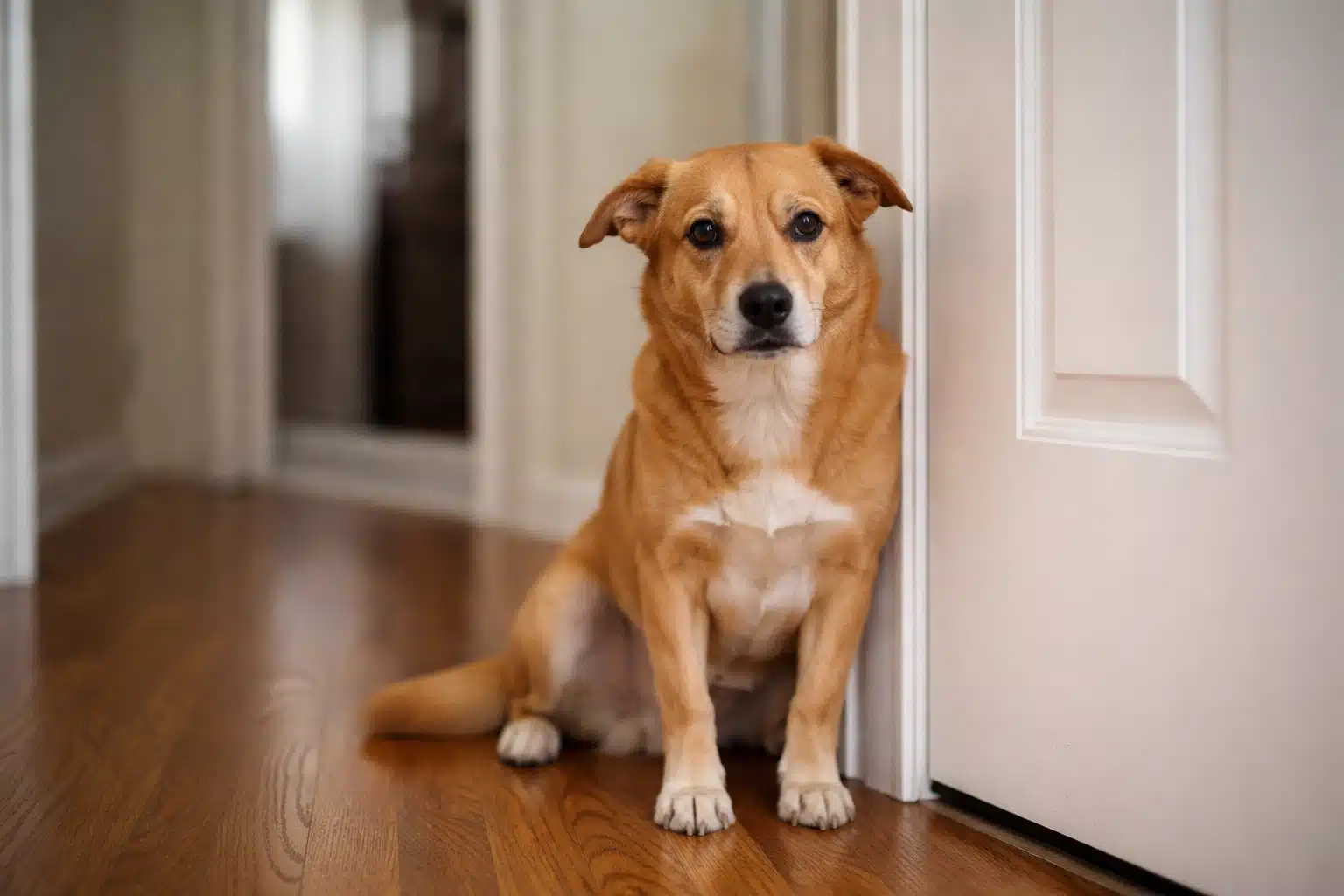
Anxiety is a common trigger for dog teeth chattering. The jaw movement acts as a kind of physical release valve when a dog is overwhelmed.
It often appears in vet waiting rooms, during thunderstorms, around unfamiliar people or dogs, or in any situation that makes a dog feel unsafe.
One trigger that often gets missed: certain behavioral medications used to manage anxiety disorders can themselves cause jaw chattering as a side effect.
If you recently started your dog on a new medication and noticed the chattering shortly after, mention that timeline to your vet; it may be the most relevant piece of information.
If anxiety chattering is frequent or happens in everyday situations, it’s worth addressing the underlying stress rather than waiting it out.
Talk to your vet about behavioral support or, if persistent, whether medication is a good option.
5. Dental or Oral Pain
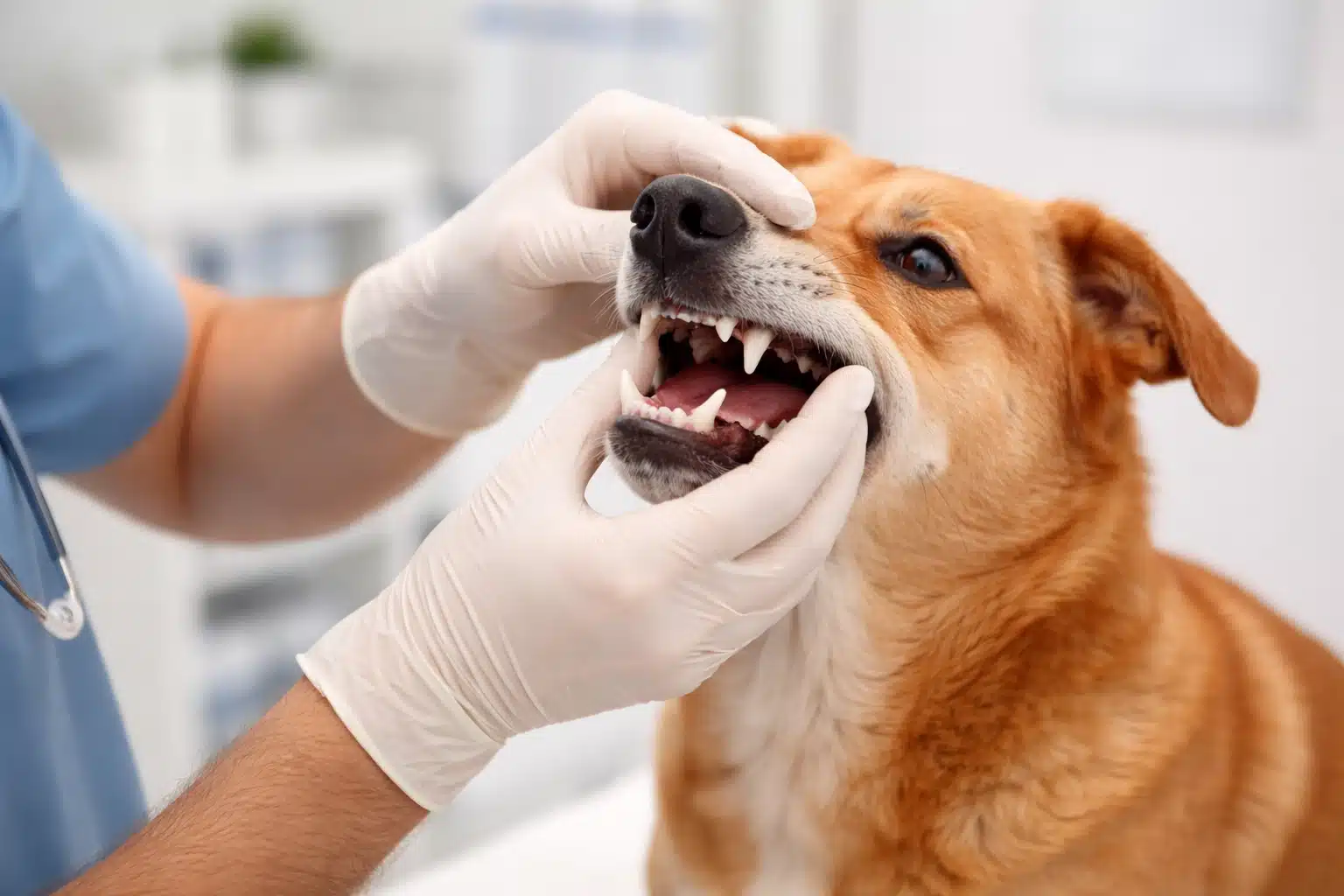
Dental pain is one of the most common reasons for dog teeth chattering in a clinical setting, and one of the most frequently overlooked by owners because dogs are very good at hiding discomfort.
By age three, most dogs already show some signs of periodontal disease, which means dental‑related jaw chattering or discomfort may be more common than many owners assume.
A broken tooth, dental abscess, gum inflammation, or periodontal disease can all trigger jaw chattering as an involuntary pain response.
Tooth resorption, a condition in which the tooth structure breaks down from the inside, is another common but often overlooked culprit.
It’s painful and not always visible on a standard visual exam, which is why dental X-rays under anesthesia are often necessary to find it.
If your dog has bad breath that’s gotten noticeably worse.
He is drooling more than usual, reluctant to eat hard food, chewing only on one side, or leaving blood on toys or in the water bowl, alongside the chattering. Don’t wait.
A dental exam will tell you what’s going on, and untreated oral infections can spread beyond the mouth.
In my clinic, I have seen dogs whose owners assumed the chattering was behavioral for months before a dental exam revealed a severely abscessed tooth.
The turnaround after treatment is always striking, reinforcing how important it is not to dismiss this symptom when other signs are present.
Understanding how often to brush your dog’s teeth and sticking to that routine is one of the most effective ways to catch early dental disease before it progresses to a painful, chattering-inducing stage.
6. Pain or Neurological Issues
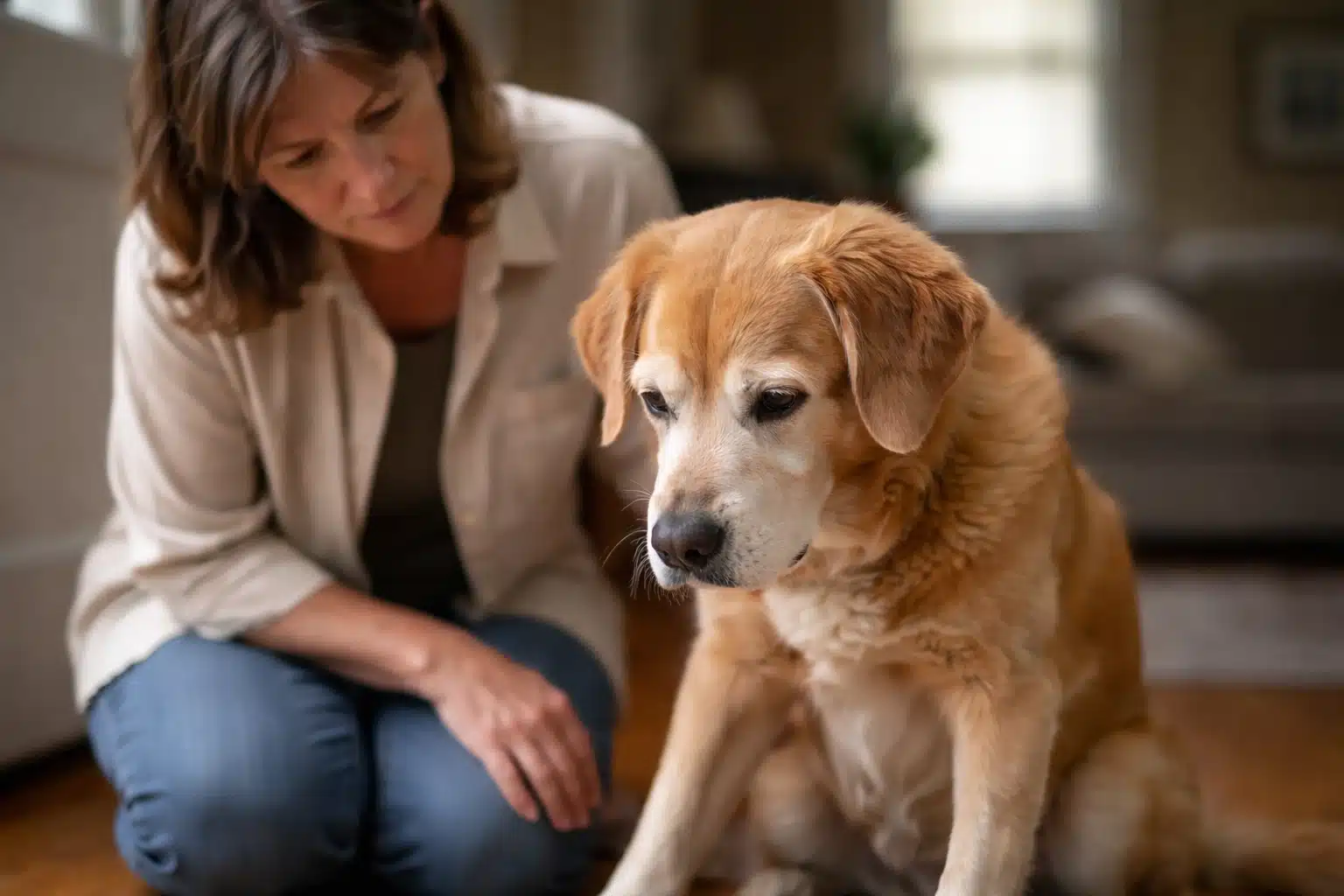
Senior dogs may develop teeth chattering related to arthritis, jaw joint problems, or neurological deterioration.
Shaker Syndrome (Generalized Tremor Syndrome), a condition characterized by inflammation of the cerebellum, can cause full-body tremors that involve the jaw.
It can be mistaken for cold or anxiety, but the shaking tends to be persistent and doesn’t resolve when the dog is warm or calm.
It’s also worth noting that context changes with age. A puppy chattering during play or high excitement is almost never a concern.
If you have a younger dog, you are still learning to read, understanding teething puppy behavior, and what normal oral activity looks like at that stage, which can help you tell the difference between developmental quirks and something worth investigating
A senior dog chattering for the first time at age 8 or 9, with no obvious environmental trigger, is a very different story, and one that deserves a veterinary evaluation without delay.
New behavior in older dogs is rarely insignificant, and any chattering without a clear trigger in a senior patient warrants prompt veterinary evaluation.
7. TMJ Pain and Jaw Joint Issues
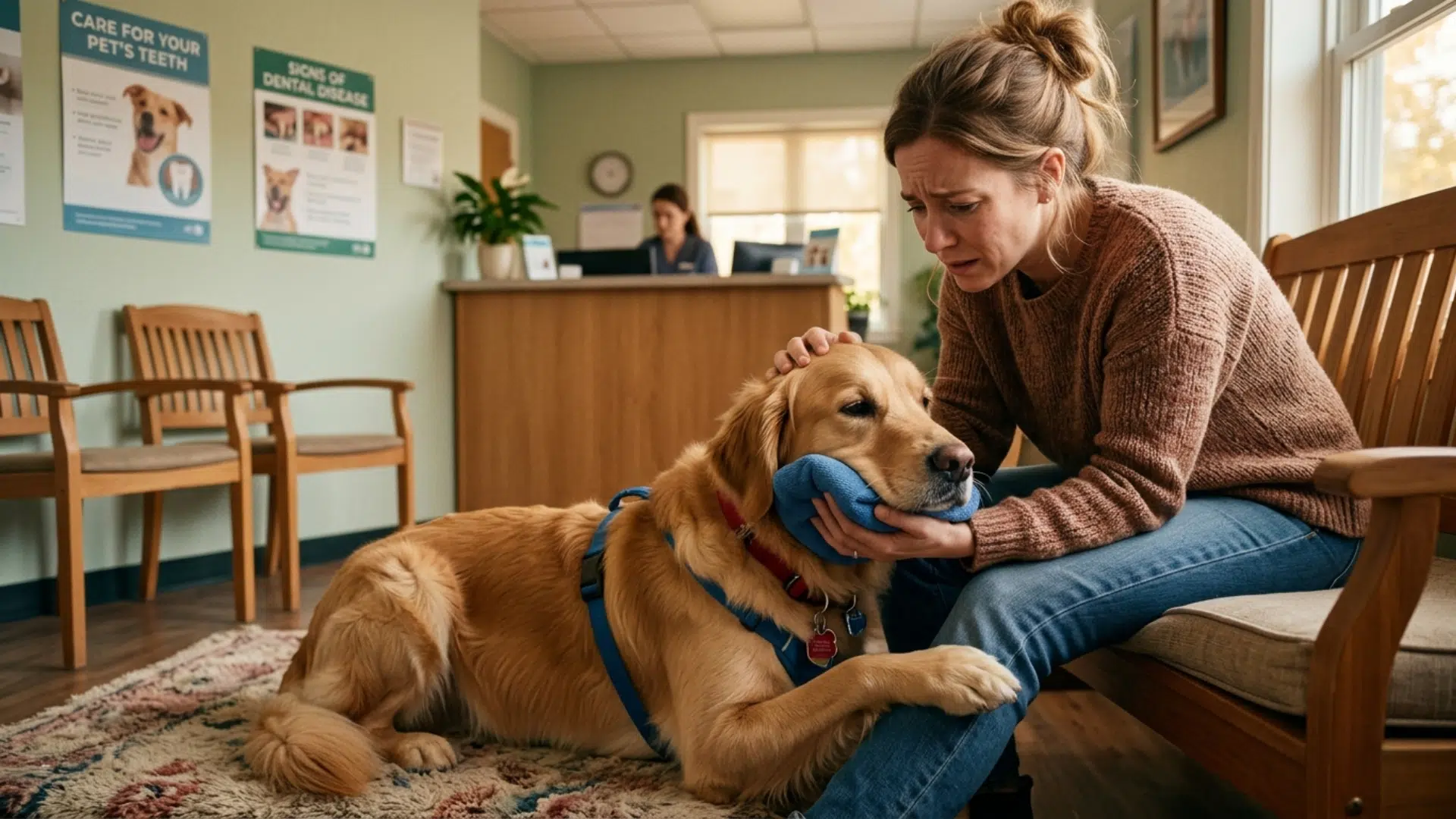
Dogs can experience pain or dysfunction in the temporomandibular joint (TMJ), the hinge joint that connects the jaw to the skull.
Arthritis of the TMJ, previous jaw fractures, or joint inflammation can all cause involuntary jaw chattering as the dog compensates for pain or restricted movement.
TMJ-related chattering often resembles dental pain chattering. But there are a few differences.
The dog may resist having their mouth opened, show reluctance to yawn or pick up toys, or you may hear a faint popping or grinding sound during jaw movement, not from the teeth clicking, but from the joint itself.
If the chattering started shortly after a physical injury, a fall, or a car accident, TMJ damage should be one of the first things your vet rules out.
Diagnosis typically involves a hands-on assessment by your vet, and in some cases, X-rays or CT imaging under anesthesia to fully visualize the joint.
I always check for it during an oral exam when the teeth look clean, but the chattering persists; the joint is easy to miss if you’re not specifically looking for it.
How to Treat Dog Teeth Chattering?
Treatment depends entirely on what’s driving the behavior. Here’s a quick reference:
Cause | Treatment Approach |
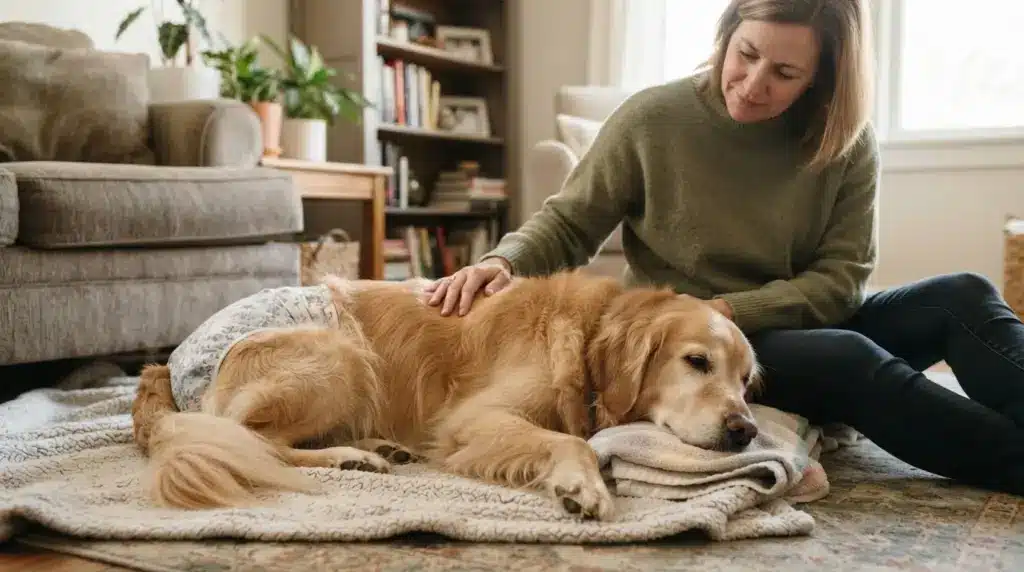
Cold | Warm the dog immediately with a blanket or towel. Use a fitted coat for small/short-haired breeds in winter. Pale gums or lethargy = call your vet. |
Excitement | No treatment needed. Calm greetings and impulse control training can reduce intensity over time. |
Anxiety / Stress | Remove or reduce the trigger. Options include pressure wraps (ThunderShirt), pheromone diffusers, behavioral desensitization, and, in persistent cases, prescription anti-anxiety medication. |
Dental / Oral Pain | Professional dental exam required, no effective home remedy. Treatment may include cleaning under anesthesia, dental X-rays, extractions, or antibiotics for infection. |
TMJ Pain | Vet-prescribed NSAIDs, joint supplements, and soft food during flare-ups. Imaging may be needed to rule out fracture or structural damage. |
Senior / Neurological | Shaker Syndrome often responds well to corticosteroids. Arthritis-related chattering is managed with NSAIDs, physical therapy, and environmental modifications (ramps, orthopedic beds). |
Home Remedies for Dog Teeth Chattering
For anything with a medical root, such as dental disease, GI issues, seizures, and neurological conditions, there is no substitute for veterinary care.
The suggestions below are not replacements for a diagnosis; they’re management tools for situations where the cause is already known or clearly behavioral.
For Cold-Related Chattering:
- A well-fitted dog coat or sweater for walks in cool weather. Look for coverage over the chest and belly, not just the back.
- Towel-dry your dog immediately after rain or bathing, don’t wait for air drying, especially in small breeds.
- A self-warming or heated pet bed for dogs who sleep in cooler spaces.
For Anxiety-Driven Chattering:
- Create a consistent safe space, a crate, a corner, a specific room, where your dog can retreat during stress. Don’t force them out of it.
- Calming supplements containing L-theanine, melatonin, or Zylkene (hydrolyzed milk protein) have a reasonable evidence base for mild situational anxiety, but results vary.
- Run any supplement by your vet before starting, even “natural” products, as they can interact with medications and have dosing considerations.
For Dental Maintenance (Preventing Dental-Pain Chattering):
- Enzymatic toothpaste, used several times a week, is still the single most effective at-home dental tool. It doesn’t require scrubbing; the enzymes do the work.
- Water additives (look for ones with the VOHC seal) are a reasonable secondary tool for dogs who won’t tolerate brushing, though they’re not a substitute.
- Raw bones (appropriate size, raw, not cooked) or chew toys provide mechanical plaque reduction, but carry their own risks. Discuss with your vet before introducing them.
When to See a Vet?
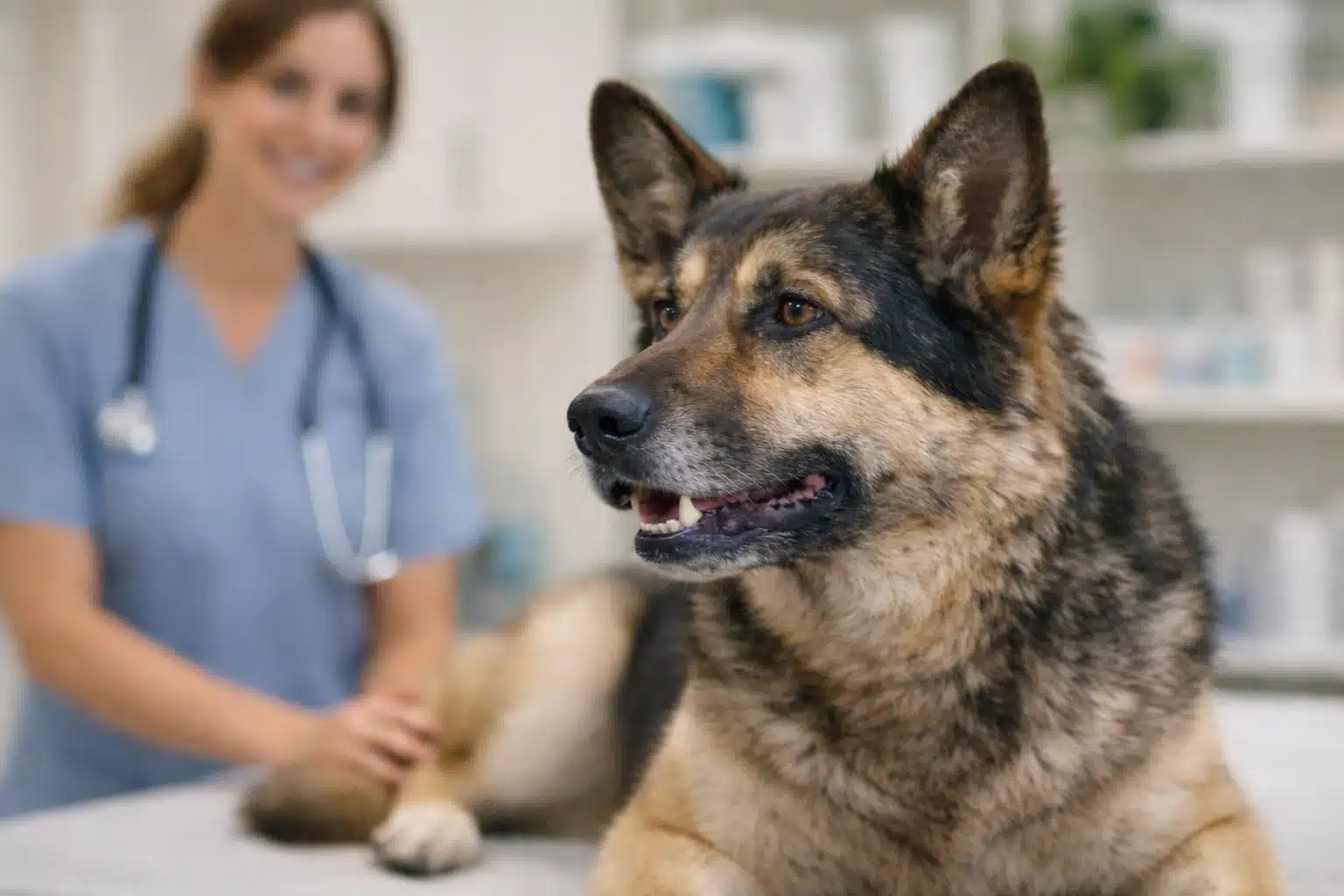
Most dog teeth chattering is harmless, but some situations require attention. Watch closely if the behavior is new, occurring more often, or worsening over time.
It becomes more concerning when paired with bad breath, drooling, pawing at the face, or changes in eating habits. If your dog seems confused, unresponsive, or disoriented during or after an episode, do not ignore it.
The same goes for older dogs showing this without any clear trigger. Persistent trembling that persists even when your dog is warm and relaxed is another red flag.
These signs point toward underlying issues that should not be brushed off. When you are unsure, record the episode.
A short 30-second video can give your vet clear context and remove much of the guesswork during diagnosis, helping you get the right answer faster.
Conclusion
Dog chattering teeth rarely signal something catastrophic, but the context surrounding the behavior matters far more than the behavior itself.
A dog chattering their teeth at the front door when you get home is telling you something very different than a dog chattering randomly at 2 am with no obvious trigger.
Pay attention to when it happens, what else is going on, and whether anything has changed recently. That information is more useful to your vet than the chattering itself.
When in doubt, record it, note the context, and bring it up at your next visit.
A small habit of observation now can catch something significant early, and that’s true for teeth chattering just as much as anything else in your dog’s health.
Have you noticed your dog chattering their teeth? Drop a comment below, what was happening when it started, and did you ever find out why?
Your experience might help another dog owner figure out exactly what they’re dealing with.
Frequently Asked Questions
Can Teeth Chattering Be a Side Effect of Anesthesia or a Recent Vet Procedure?
Yes, occasionally. Some dogs chatter their teeth in the hours following anesthesia as their body temperature regulates and the sedation wears off.
It’s usually short-lived. If it persists beyond 24 hours post-procedure, call your vet.
My Dog Chatters Their Teeth at Other Dogs but Not at People. What Does that Mean?
This is most likely social anxiety or conflict-related stress, not aggression. Some dogs find other dogs more unpredictable than people and chatter as a displacement behavior when they’re unsure how to respond.
It’s worth mentioning to a veterinary behaviorist if it’s frequent, especially if accompanied by stiff posture or avoidance.
Can Hypothyroidism or Other Hormonal Conditions Cause Teeth Chattering in Dogs?
Hormonal imbalances, including hypothyroidism, can affect muscle function and temperature regulation, which may contribute to tremors and chattering in some dogs.
It’s uncommon as a primary cause, but if chattering appears alongside weight gain, lethargy, or coat changes, bloodwork to check thyroid levels is a reasonable next step.
My Dog Chatters Their Teeth Right Before Eating. Is that Normal?
Usually, yes, anticipatory excitement before meals is common, especially in food-motivated dogs. However, if the chattering occurs during eating or right after, it points more toward oral pain or nausea than to excitement.