You place your dog’s bowl on the floor like you always do. Instead of rushing over, they sniff the food, glance at you, and walk away.
Suddenly, the worry kicks in. Is your dog sick? Did something upset their stomach? Should you be concerned already?
Moments like this are surprisingly common among dog owners, yet they can trigger panic instantly.
A dog refusing food often feels like the first warning sign that something might be wrong.
Naturally, most people start searching the same question: how long can a dog go without eating before it becomes dangerous?
The truth is that dogs may skip meals for several reasons. Some are harmless, while others may point to health or behavioral issues. Understanding the difference is what helps you respond the right way.
How Long Can a Dog Go Without Eating Safely?
A healthy adult dog can typically go 3 to 5 days without food, but that does not mean it is safe or recommended to wait that long.
According to the American Kennel Club, dogs may survive several days without food as long as they remain properly hydrated, but prolonged appetite loss should always be evaluated by a veterinarian.
It is also fairly common for dogs to miss a single meal because of minor stomach upset, stress, a change in routine, or simple pickiness. In many cases, they return to their usual eating pattern within a day.
However, the situation becomes concerning if a dog refuses food for more than 48 hours, especially if other symptoms appear, such as vomiting, weakness, lethargy, or sudden weight loss.
Puppies, senior dogs, and dogs with medical conditions should be evaluated by a veterinarian much sooner.
How Size Affects the Safe Fasting Window
Not all dogs can go without food for the same length of time. Body size, metabolism, and fat reserves all play a role.
- Small and toy breeds (Chihuahuas, Yorkies, Pomeranians): These dogs have fast metabolisms and very little fat stored. They can develop hypoglycemia, a dangerous drop in blood sugar, within 12 to 24 hours of not eating.
- Medium and large breeds: Generally more resilient, though the 48-hour guideline still applies before seeking veterinary advice.
- Puppies of any size: Do not let a puppy go longer than 12 hours without food. Their bodies cannot sustain a fast, and hypoglycemia can develop quickly.
Why Is Water More Important Than Food for Dogs?
Dogs can survive several days without food, but they cannot survive more than 2 to 3 days without water.
A full day without water is enough to cause dehydration, which can progress to organ damage and, in serious cases, become life-threatening.
If your dog is not eating but is still drinking water, the situation is far less urgent than one where it is refusing both.
A dog that is not eating or drinking should be seen by a veterinarian the same day.
At-home dehydration check: Gently pinch the skin on the back of your dog’s neck between your fingers, then release it. In a well-hydrated dog, the skin snaps back immediately. If the skin stays tented or returns slowly, your dog is likely dehydrated and needs prompt veterinary attention.
What Happens to a Dog’s Body During Prolonged Fasting
Understanding what is happening internally can help owners gauge urgency more accurately.
Day 1: A healthy adult dog will feel hungry but will not experience significant physical harm. Missing one meal is rarely cause for alarm.
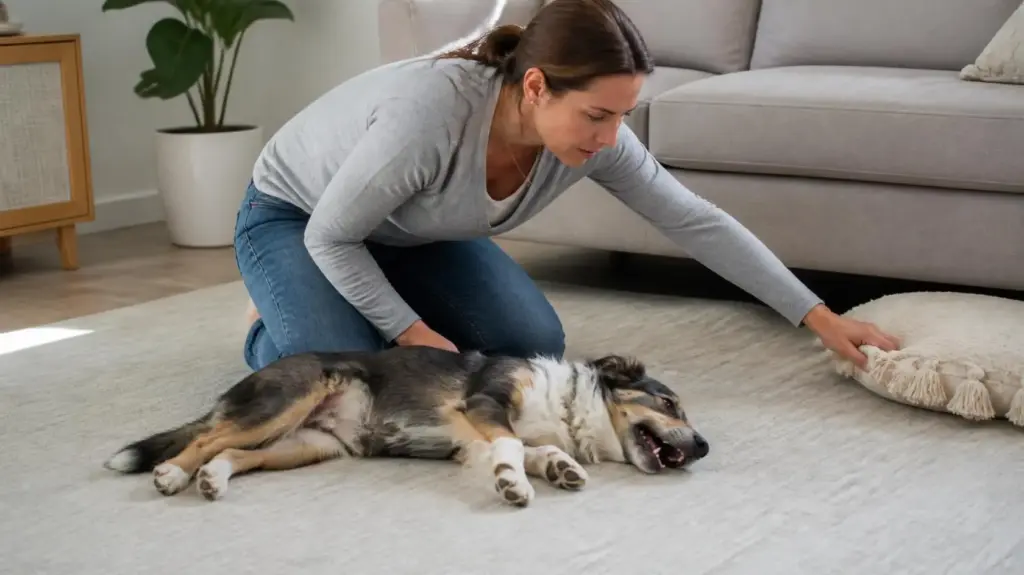
Day 2 to 3: The body begins burning fat reserves for energy. The dog may feel weak, and some may experience bilious vomiting, where yellow bile is brought up on an empty stomach.
Day 3 to 5: Fat reserves become depleted, and the body begins breaking down muscle mass. Organ function can begin to be affected. This is the window where veterinary intervention becomes critical.
Beyond day 5: Risk of irreversible organ damage and death increases significantly. Even if a dog survives, long-term health consequences are possible.
Common Reasons: Why Your Dog is Not Eating?
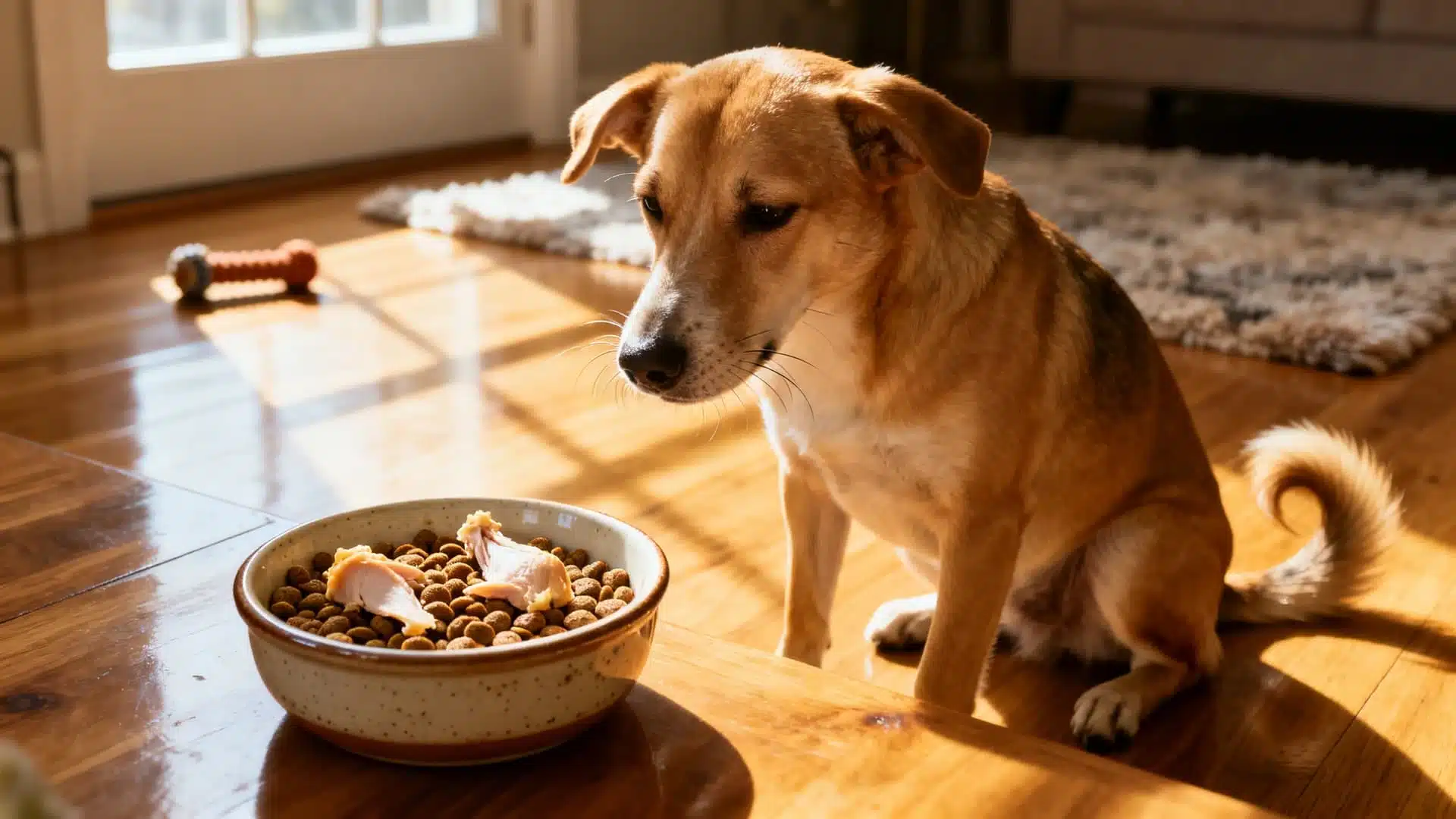
When a dog suddenly refuses food, it can feel confusing and worrying. Appetite loss rarely happens without a reason, which may be responsible.
1. Illness or Health Issues
One of the most common reasons a dog stops eating is an underlying health problem. Infections, digestive issues, parasites, or stomach discomfort can reduce appetite quickly.
Dental problems such as gum disease, broken teeth, or oral pain can also make chewing painful, causing dogs to avoid food entirely.
If appetite loss appears alongside vomiting, diarrhea, or lethargy, it often indicates a medical issue that requires veterinary attention.
2. Environmental Changes
Dogs are sensitive to changes in their surroundings, and stress can easily affect their appetite.
Moving to a new home, traveling, introducing a new pet, or even loud noises like construction or fireworks may disrupt their normal eating routine.
When dogs feel anxious or unsettled, they may temporarily refuse food. In many cases, their appetite returns once they adjust to the new environment.
3. Behavioral and Picky Eating Habits
Sometimes the issue is not health-related at all. Dogs that receive frequent treats, human food, or irregular feeding schedules can become selective about meals.
If they learn that refusing their food leads to tastier options, they may continue skipping their regular diet.
Over time, this creates picky eating habits. Maintaining consistent feeding times and limiting treats often helps reset their appetite.
Switching to low-calorie, nutritious dog treats also means you can still reward your dog during training without dulling their appetite for regular meals.
4. Medication Side Effects
Certain medications can reduce a dog’s appetite as a side effect. Antibiotics, pain medications, and some treatments for chronic conditions may cause nausea, stomach upset, or temporary appetite suppression.
Dogs experiencing medication-related appetite loss may also exhibit mild lethargy or digestive discomfort.
If the problem begins soon after starting a new medication, it is important to discuss it with a veterinarian.
5. Recent Vaccination
A temporary loss of appetite is a common and mild side effect following vaccination.
Most dogs return to normal eating within 24 to 48 hours. If appetite loss persists beyond 48 hours after a vaccine, or if the dog appears unwell in other ways, contact a veterinarian.
However, if the loss of appetite lasts longer than 48 hours after vaccination, or if the dog shows other signs such as vomiting, swelling, or unusual behavior, it is important to contact a veterinarian for further evaluation
6. Post-Surgery or Post-Anesthesia Recovery
Dogs often have little to no appetite for several hours after surgery or anesthesia.
Grogginess, nausea, or pain can all suppress the desire to eat.
Skipping a meal the evening of surgery is generally not a concern. If a dog still shows no interest in food the following day, check with a veterinarian to rule out the need for anti-nausea medication or pain relief.
Signs Your Dog Not Eating Is a Serious Problem
Sometimes a skipped meal is harmless, but certain warning signs may signal a deeper health problem that needs quick veterinary attention.
- Vomiting or diarrhea: Ongoing vomiting or loose stools alongside appetite loss may indicate infection, stomach illness, or poisoning. If your dog is experiencing both at the same time, our guide to quickly stopping dog diarrhea covers when to act at home and when to go straight to the vet.
- Extreme lethargy: Severe tiredness or lack of energy. If your dog seems weak, inactive, or uninterested in normal activities, illness may be present.
- Sudden weight loss: Rapid body weight reduction. Noticeable weight loss with appetite changes can signal underlying medical problems.
- Refusing both food and water: Rejecting both eating and drinking. This can quickly cause dehydration and should never be ignored.
- Bilious vomiting: Yellow or greenish foam vomited on an empty stomach suggests the dog’s digestive system is producing bile with nothing to process.
- Shaking or weakness in small breeds: These can be signs of hypoglycemia and require immediate veterinary attention
How to Encourage Your Dog to Eat Again?
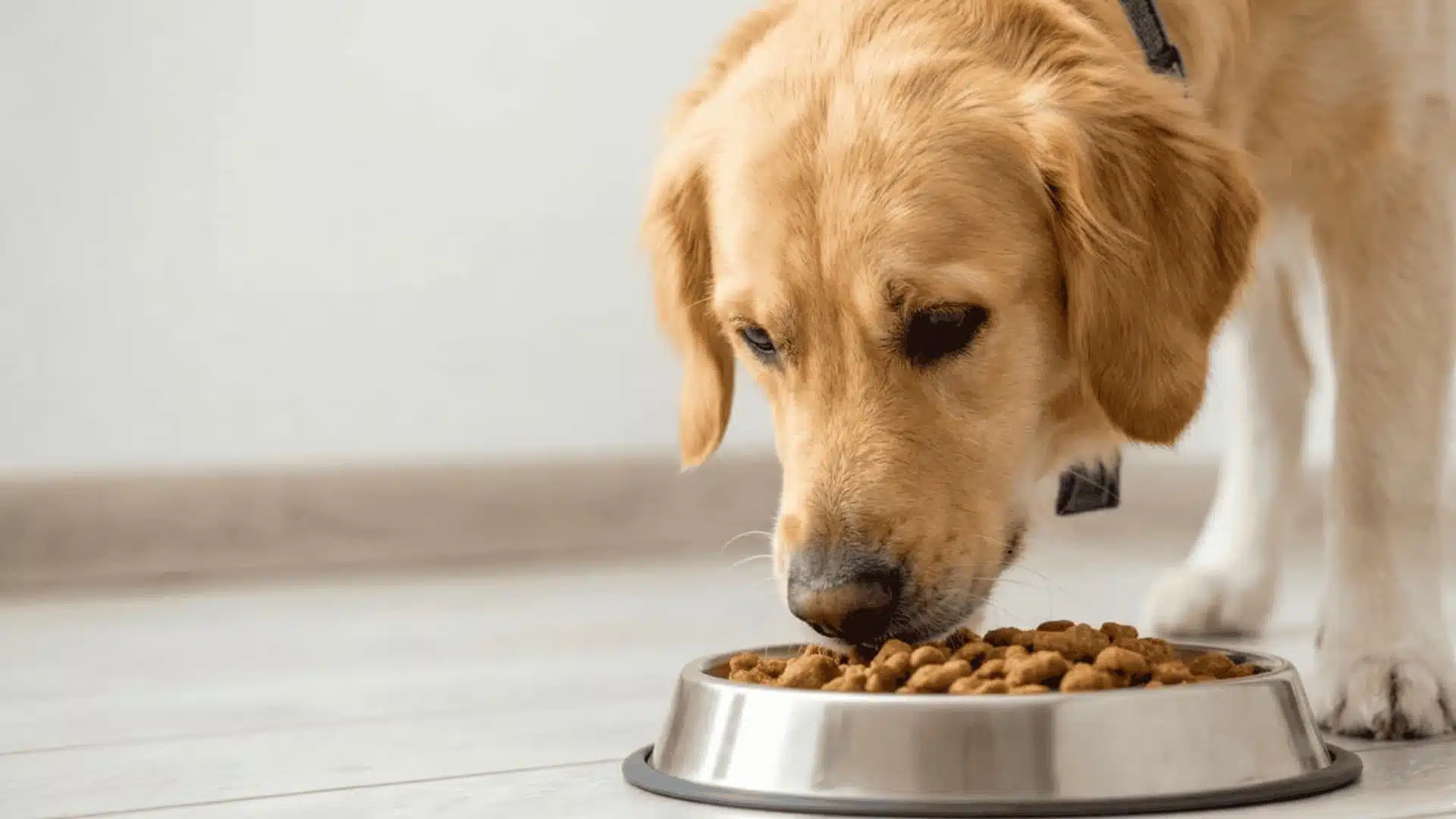
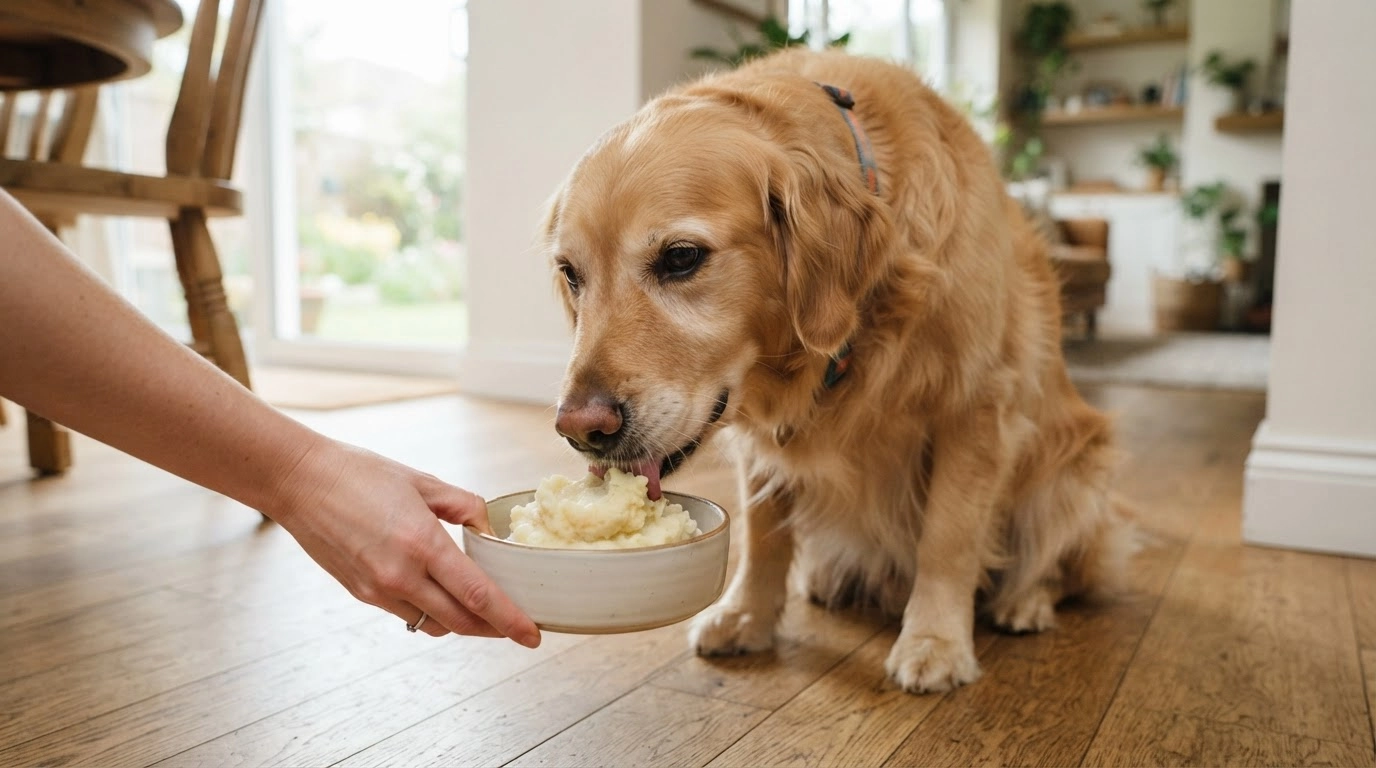
If your dog suddenly stops eating, a few simple adjustments can often help restore their appetite. Start by warming the food slightly, as the smell becomes stronger and more appealing to dogs.
Mixing a small amount of wet food with dry kibble can also improve flavor and texture. Some dogs respond well to bland foods such as boiled chicken and plain rice, especially if their stomach feels upset.
Reducing treats and table scraps is also important because too many snacks can make regular meals less appealing.
Maintaining a consistent feeding schedule helps create a routine that encourages eating. If your dog still refuses food after trying these methods, consulting a veterinarian is the safest step.
A few additional adjustments that often help:
- Try feeding your dog alone if there are other pets in the household, as some dogs feel uncomfortable eating around others.
- Take your dog for a short walk before mealtime. Physical activity naturally stimulates hunger.
- Try a different bowl height or location. Some dogs are simply uncomfortable with their feeding setup.
- If the dog is bored with the current food, try a different flavor or protein source before switching to a different brand entirely.
What to Do If a Sick Dog Will Not Eat
When a dog is sick, appetite loss is common. The right feeding approach can help maintain nutrition while supporting recovery and preventing further weakness.
- Offer easily digestible foods: Gentle foods that are easy on the stomach. Boiled chicken, plain rice, or vet-recommended diets can help sick dogs tolerate food better.
- Smaller and more frequent meals: Feeding reduced portions multiple times daily. Small meals are easier for a sick dog to handle and may encourage gradual eating.
- Hydration support: Ensuring adequate fluid intake. Fresh water, broth, or vet-approved electrolyte fluids help prevent dehydration during illness.
- Vet-approved stimulants: Medications that encourage eating. Veterinarians may prescribe appetite stimulants when a sick dog refuses food for extended periods.
- Monitor symptoms closely: Watch for worsening signs of illness. If appetite loss continues or symptoms worsen, veterinary evaluation becomes necessary.
When Should You Take Your Dog to the Vet?
Knowing when to seek veterinary help is important if your dog refuses food. Puppies are especially sensitive because their bodies need a steady supply of nutrients for growth and energy.
If a puppy has not eaten for 12 to 24 hours, it is best to contact a veterinarian.
Adult dogs may safely skip a meal or two, but if they go more than 48 hours without food, a medical check is necessary. You should also seek veterinary care sooner if your dog shows signs of pain or illness.
Symptoms such as vomiting, diarrhea, weakness, difficulty moving, excessive drooling, or unusual behavior can indicate an underlying problem.
Prompt veterinary attention helps identify the cause early and prevents the condition from becoming more serious.
Ways to Prevent Appetite Problems in Dogs
Many appetite issues can be avoided with consistent care, proper nutrition, and healthy routines that support your dog’s physical health, digestion, and daily eating habits.
- Balanced nutrition: Feeding high-quality dog food in proper portions helps maintain appetite and prevents overeating or nutritional deficiencies.
- Routine feeding: Feeding your dog at consistent daily hours helps regulate digestion and builds predictable eating habits.
- Exercise and stimulation: Daily walks, playtime, and training keep dogs active and naturally encourage hunger.
- Regular vet checkups: Scheduled veterinary visits help detect health issues early that may affect appetite.
- Limit treats: Too many treats or table scraps can reduce interest in regular dog food and disrupt healthy eating habits.
Conclusion
In most cases, a dog skipping a meal is not a major concern, but understanding how long a dog can go without eating helps owners recognize when something might be wrong.
Healthy dogs may occasionally refuse food, yet prolonged appetite loss can signal stress, illness, or dietary issues that need attention.
The key is to observe your dog’s behavior, monitor other symptoms, and try simple methods that encourage eating again.
If the problem continues for more than a couple of days or your dog seems unwell, a veterinarian should always be consulted.
Every dog is different, so paying close attention to changes in appetite is important for their health.
If you have experienced this with your dog, feel free to share your experience below.
Frequently Asked Questions
Can a Dog Survive a Week without Food?
Some dogs may survive up to a week without food if hydrated, but it is unsafe. Veterinary care is recommended if a dog refuses food for 48 hours.
What Foods Help Stimulate a Dog’s Appetite?
Boiled chicken, plain rice, pumpkin, bone broth, and wet dog food often help stimulate appetite because they smell stronger and are easier to digest.
Should I Force Feed My Dog?
Force feeding is not recommended unless advised by a veterinarian. It can cause stress or choking and may worsen the underlying problem.
How Do I Know If My Dog Is Dehydrated?
Pinch the skin on the back of your dog’s neck, then release it. If the skin snaps back immediately, the dog is well hydrated. If it stays tented or returns slowly, dehydration is likely. Additional signs include dry or sticky gums, sunken eyes, and reduced urine output.