It is 2 AM. The house is quiet. Then you hear it. Your dog is coughing at night. At first, it sounds small. Maybe just a little throat clearing. But then it happens again.
Now you are wide awake, listening in the dark and wondering if something might be wrong.
Many dog owners experience this exact moment, and the most common question I hear in my clinic is simple: “Why is my dog coughing at night, and should I be worried?“
The short answer is that most nighttime coughs have an identifiable cause, and the sooner you understand what you are hearing, the faster you can respond.
The most common causes of dog coughing at night are kennel cough, heart disease, tracheal collapse, allergies, and acid reflux.
Coughing that persists beyond 2–3 days, worsens over time, or is accompanied by labored breathing, pale gums, or lethargy requires veterinary attention.
In this blog, you will learn why dogs cough at night, what the different sounds can mean, and when it is time to call your vet.
Is It a Cough or a Gag?
Before diving into causes, it helps to clarify something many owners get confused about: coughing and gagging are not the same thing.
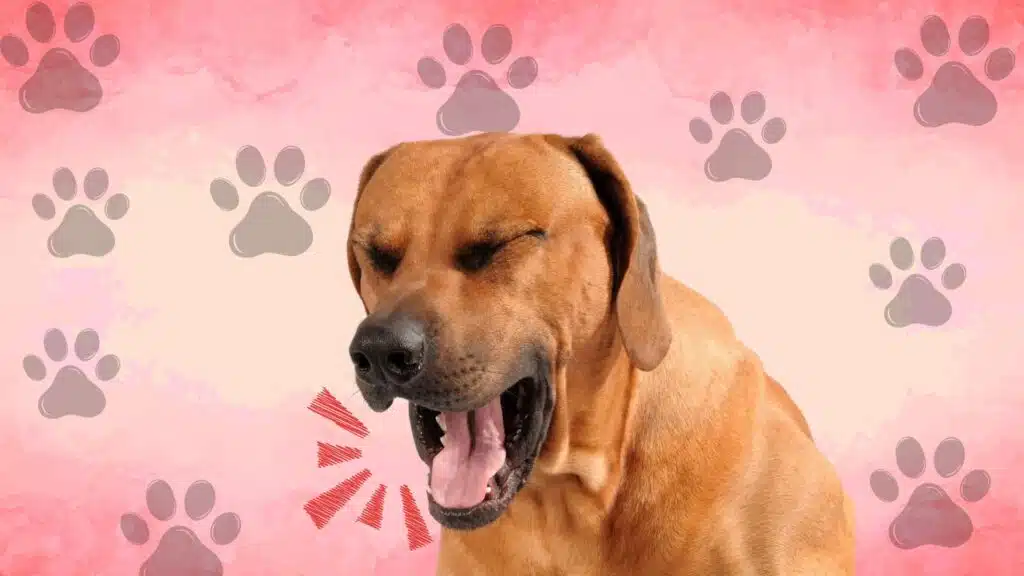
A cough is a forceful, sudden expulsion of air from the lungs; it typically sounds harsh, honking, or wet depending on the cause.
Gagging involves the throat and upper digestive tract and often follows a cough or occurs after swallowing.
If your dog is gagging repeatedly without producing a cough sound, it may indicate a throat or esophageal issue rather than a respiratory one. This distinction matters because it helps your vet narrow down the diagnosis quickly.
Why Dogs Sometimes Cough More at Night?
Dogs can sometimes cough more at night, and there are a few simple reasons behind it.
There are three main reasons dogs cough more at night. First, body position matters. When a dog lies down, the neck and throat position can slightly narrow the airway, making a cough easier to trigger.
Second, mucus tends to pool during rest and can irritate the airway as the dog shifts positions or takes deeper breaths.
Third, and this is something I point out to owners regularly: in winter, cold, dry indoor air from heating systems is one of the most common nighttime irritants I see in practice.
The air dryness alone can inflame a sensitive airway enough to cause repetitive overnight coughing, especially in senior dogs and short-nosed breeds.
Common Causes of Dog Coughing at Night
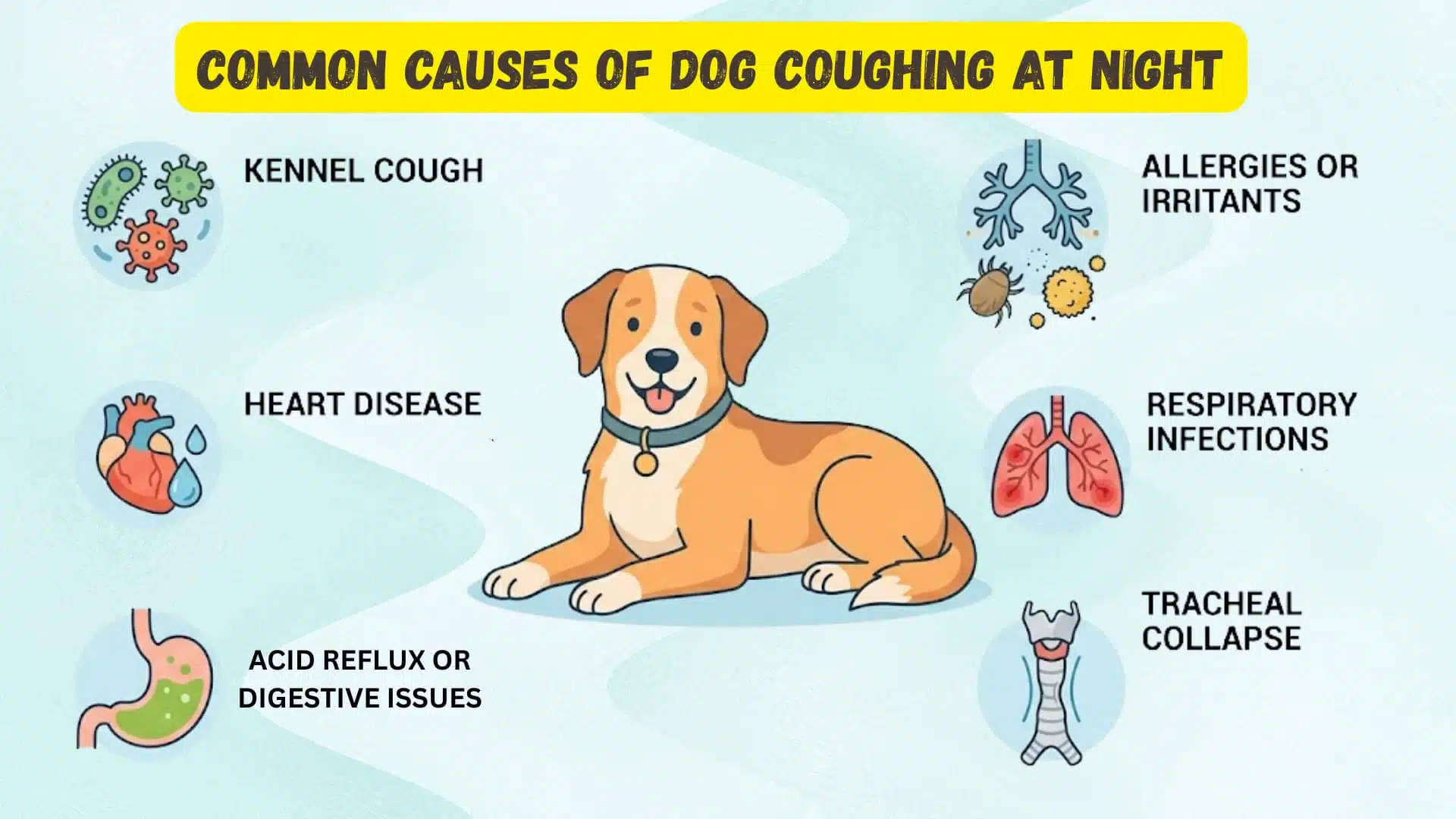
Several health issues can cause a dog to cough at night. Some are mild and temporary, while others may require veterinary attention.
1. Kennel Cough
Kennel cough is one of the most common reasons a dog coughs at night. It usually causes a dry, harsh cough that may sound like your dog clearing its throat.
The condition spreads easily between dogs, especially in parks, boarding facilities, or grooming centers.
According to the American Kennel Club, most dogs recover from kennel cough within 10 to 14 days with rest and supportive care.
However, puppies, senior dogs, and brachycephalic breeds (like Bulldogs and Pugs) are at higher risk of complications and should be seen by a vet sooner rather than later.
2. Heart Disease
Heart disease is one of the more serious causes of nighttime coughing, and it is also one of the most commonly missed by owners in its early stages.
When the heart does not pump efficiently, fluid can back up into or around the lungs, triggering a soft, continuous cough that worsens when the dog lies on its side.
In my practice, I see this pattern most frequently in Cavalier King Charles Spaniels and older small-breed dogs, where mitral valve degeneration is particularly common.
The cough may be accompanied by fatigue, reduced stamina, or faster-than-usual breathing.
3. Tracheal Collapse
Tracheal collapse is a condition where the windpipe becomes weak and partially flattens during breathing.
It is commonly seen in small breeds such as Yorkshire Terriers, Pomeranians, and Chihuahuas. Dogs with this condition produce a distinctive goose-honk cough that tends to worsen at night when lying down.
A practical tip many owners overlook: switching from a collar to a harness can meaningfully reduce tracheal pressure and lessen coughing episodes in dogs with this condition.
If you are unsure how to do this properly, our guide on fitting a harness correctly walks you through each step.
This is something I routinely recommend before considering medication adjustments.
4. Allergies or Irritants
Environmental irritants can also trigger dog coughing at night. Dust, smoke, strong perfumes, and household cleaning products may irritate a dog’s airway and cause mild inflammation.
When the dog rests in the same sleeping area for hours, these irritants can accumulate.
Common but overlooked sources include scented candles, plug-in air fresheners, and freshly laundered bedding with heavily scented detergents.
Dogs with seasonal allergies may also experience worsening nighttime symptoms during high-pollen periods.
5. Chronic Bronchitis
Chronic bronchitis in dogs is defined as a persistent cough present on most days for a minimum of two months, with no other identifiable underlying cause.
It results from long-term inflammation of the airways, which leads to increased mucus production, airway thickening, and a self-perpetuating cough cycle.
The cough associated with chronic bronchitis is often described as a persistent hacking sound and tends to occur at night or first thing in the morning when the dog begins to move around.
It may also worsen with excitement or exercise.
6. Respiratory Infections
Bacterial, viral, or fungal respiratory infections can cause persistent coughing in dogs, often alongside symptoms like nasal discharge, mild fever, and low energy.
Pneumonia, in particular, produces a moist, soft cough and typically comes with a high fever and poor appetite.
If you suspect pneumonia, do not wait; this condition can worsen rapidly, especially in puppies and immunocompromised dogs, and may require hospitalization and IV fluids.
7. Acid Reflux
Acid reflux, or gastroesophageal reflux disease, is an underrecognized cause of dog coughing at night.
When acidic stomach fluid travels up the esophagus and reaches the throat, it can stimulate cough receptors and trigger a dry, recurring cough, particularly when the dog is lying down.
If your vet finds no respiratory explanation and your dog has shown signs of frequent swallowing between meals, reduced appetite, or occasional regurgitation, acid reflux is worth investigating.
Treatment with a proton pump inhibitor such as omeprazole is often effective.
8. Heartworm Disease
Heartworm is a serious parasitic infection transmitted through mosquito bites. The larvae travel to the dog’s heart and lungs, where they cause progressive inflammation and damage.
The cough associated with heartworm is typically mild and persistent at first but can worsen significantly over time.
Other signs include low energy, weight loss, and, in advanced cases, a swollen abdomen from fluid buildup.
Heartworm is preventable with monthly oral medication or an injection administered by your vet every six to twelve months. Once established, treatment is lengthy, expensive, and hard on the dog.
If your dog is not currently on heartworm prevention, this is a conversation worth having at your next vet visit
9. Canine Influenza
Canine influenza (dog flu) is caused by specific strains of the influenza virus and is becoming increasingly common.
It produces coughing, nasal discharge, fever, and lethargy, symptoms that are sometimes mistaken for kennel cough. Unlike kennel cough, canine influenza tends to cause more systemic illness.
Your dog will likely need prescription treatment and must be isolated from other pets, as it is highly contagious between dogs.
Signs That Your Dog’s Night Cough Might Be Serious
While occasional coughing may not always signal danger, certain symptoms can indicate a deeper health problem that dog owners should not ignore.
- Persistent cough: A cough that persists for multiple days without improvement may indicate an infection, airway issues, or heart-related problems requiring veterinary evaluation.
- Trouble breathing: Labored breathing, wheezing, or rapid breathing alongside coughing can signal respiratory distress and should be checked by a veterinarian as soon as possible.
- Lethargy or weakness: If your dog seems unusually tired, less playful, or weak, along with coughing, it could indicate illness affecting the lungs, heart, or overall health.
- Loss of appetite: Dogs that suddenly refuse food while coughing may be experiencing discomfort, infection, or digestive problems that need medical attention.
- Blue or pale gums: Gum color changes can indicate poor oxygen circulation, which may happen during severe respiratory or heart-related issues and requires immediate vet care.
- Coughing up blood or white foam: Either of these warrants an emergency vet visit and should never be monitored at home.
Safe Home Remedies for Mild Dog Coughing at Night
These are supportive measures only. Never give your dog human cough medicines, antihistamines, or pain relievers without veterinary approval; many contain ingredients (such as xylitol or decongestants) that are toxic to dogs.
- Raw Honey:- A small amount of raw honey can help soothe a mildly irritated throat. For small dogs, offer ½ teaspoon; for larger dogs, up to 1 tablespoon. Do not give honey to diabetic dogs or puppies under one year old.
- Steam Therapy:- Run a hot shower with the bathroom door closed and sit with your dog in the steamy room for 10–15 minutes. The moisture helps loosen mucus and soothe the respiratory tract. This is especially useful for kennel cough.
- Elevate Their Sleeping Position:- For dogs with heart disease or tracheal collapse, elevating the head and chest during sleep can reduce airway pressure and lessen overnight coughing. Use a bolster bed or place a folded blanket under the front portion of their regular bed.
- Run a Humidifier:- If you live in a climate with dry indoor air (especially during cold winters with forced-air heating), a cool-mist humidifier near the dog’s sleeping area can provide significant overnight relief.
- Remove Airborne Irritants:- Check for scented candles, plug-in fresheners, new cleaning sprays, or recently laundered bedding with fragrant detergent. Removing the irritant is often the fastest fix for allergy-related coughing.
Treatment Options for Dogs Coughing at Night
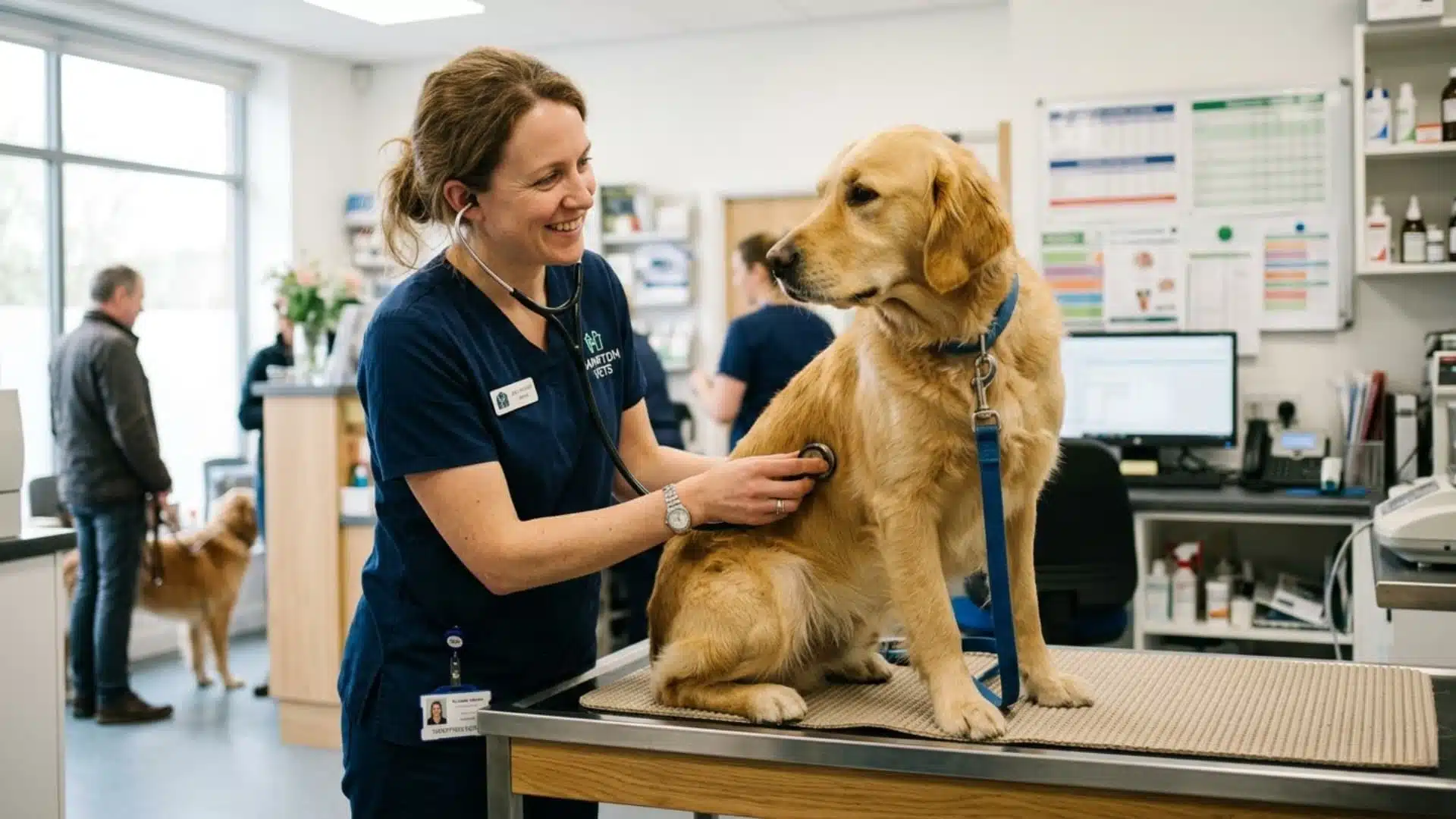
Treatment for a dog coughing at night depends on the underlying cause. Veterinarians choose the most effective option after diagnosing the condition:
1. Medication
Veterinarians may prescribe medications to reduce inflammation, ease airway irritation, or support breathing.
These medications help control symptoms while the underlying issue improves. Anti-inflammatory drugs, bronchodilators, or mild sedatives may sometimes be used depending on the diagnosis.
Proper dosage and timing are important, so dog owners should always follow the vet’s instructions carefully to ensure safe and effective treatment.
2. Antibiotics if Infection Present
If the cough is caused by a bacterial infection, the veterinarian may prescribe antibiotics to eliminate the infection.
Respiratory infections can irritate the throat and lungs, which often leads to persistent coughing, especially during rest.
Completing the full course of antibiotics is important even if symptoms improve early. This helps prevent the infection from returning or becoming more difficult to treat later.
3. Cough Suppressants
Cough suppressants may be recommended when a dog has a persistent, dry cough that interferes with rest or recovery.
These medications work by calming the cough reflex and allowing the airway to heal. Vets usually prescribe them carefully because coughing sometimes helps clear mucus from the lungs.
Suppressants are typically used for specific conditions where controlling the cough improves comfort and recovery.
4. Treating Underlying Disease
In many cases, the most effective treatment focuses on the underlying condition causing the cough.
For example, heart disease, tracheal collapse, allergies, or acid reflux may require long-term management.
Treatment plans may include diet adjustments, weight management, specific medications, or lifestyle changes.
Addressing the root problem helps reduce coughing episodes and supports better overall health for the dog.
Prevention Tips for Nighttime Cough in Dogs
Simple preventive habits can reduce the chances of your dog coughing at night and help maintain better respiratory health for your dog.
- Vaccination: Vaccines such as the Bordetella vaccine help protect dogs from kennel cough and other respiratory infections that commonly cause nighttime coughing.
- Healthy weight: Maintaining a healthy weight reduces pressure on the heart and lungs, lowering the risk of breathing problems that may trigger coughing during sleep.
- Clean indoor air: Keep your home free from smoke, dust, strong fragrances, and harsh cleaning chemicals that can irritate a dog’s respiratory system.
- Regular vet checkups: Routine veterinary visits help detect early signs of respiratory or heart issues before they develop into persistent nighttime coughing.
- Clean the sleeping area: Wash your dog’s bed regularly and keep your dog’s sleeping space free of dust and allergens that may irritate the airways overnight.
- Use a harness instead of a collar: For small breeds prone to tracheal issues, a harness eliminates direct pressure on the windpipe during walks.
- Heartworm prevention: Administer a monthly heartworm preventative year-round, especially in warmer climates or areas with high mosquito activity.
When to Take Your Dog to the Vet?
If your dog is coughing at night occasionally but still eating, playing, and behaving normally, it may not require an immediate vet visit.
However, there are situations where veterinary care becomes important.
If the cough lasts more than a few days, becomes louder, or starts happening frequently, it is best to consult a veterinarian.
You should also seek medical advice if the coughing is accompanied by breathing difficulty, fatigue, fever, or loss of appetite.
Puppies, senior dogs, and breeds prone to respiratory problems should be checked sooner since they can be more vulnerable to complications.
Conclusion
Hearing your dog cough at night can feel alarming, especially in the quiet of 2 AM when every sound feels amplified.
The good news is that with the right information, you can move from panic to a calm, informed response within seconds.
Listen to the sound of the cough, watch for accompanying symptoms, remove any obvious irritants, and use the urgency tiers in this guide to decide whether to monitor at home or call your vet.
Most nighttime coughs are manageable, but a few are signals of conditions that respond much better to early treatment.
Paying attention to symptoms, keeping your dog’s environment clean, and seeking veterinary advice when needed can make a big difference.
Understanding the possible reasons behind dog coughing at night helps you respond calmly and responsibly.
Has your dog coughed more at night? Share what helped in the comments and let others know what worked for your dog.
Frequently Asked Questions
Can Sleeping Position Cause a Dog to Cough at Night?
Yes. Certain sleeping positions can put pressure on the throat or airway, especially in dogs with respiratory sensitivity or tracheal issues.
Can Cold Air Make a Dog Cough at Night?
Yes. Cold or dry air can irritate a dog’s throat and airway, especially in winter. This irritation may trigger coughing while the dog is sleeping.
Is Dog Coughing at Night Common in Older Dogs?
Nighttime coughing can be more common in senior dogs because age-related conditions, such as heart disease or airway weakness, become more likely.