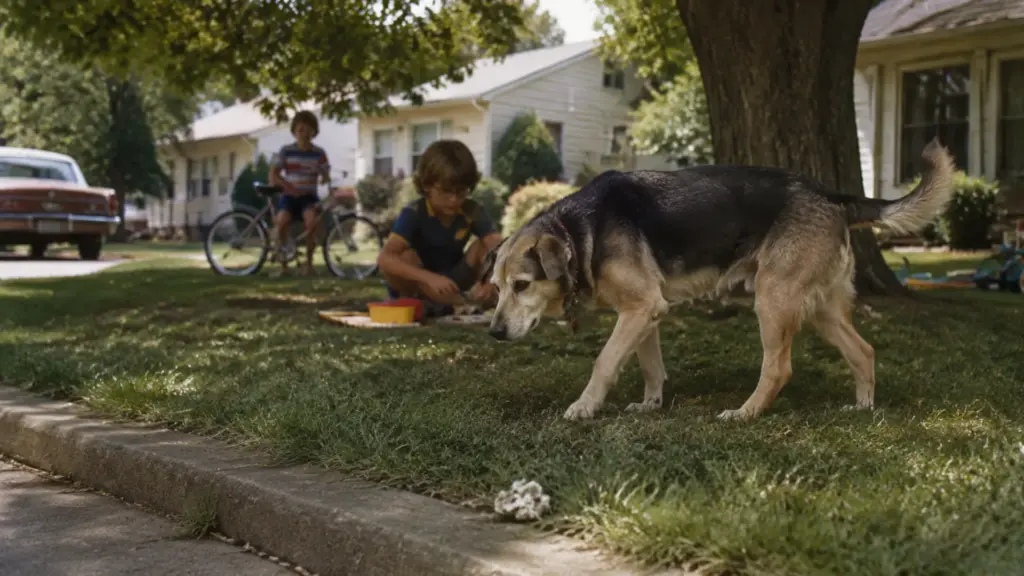
One morning walk, something feels a little different. Your dog, who once pulled the leash, now moves at a slower pace.
Maybe you notice them choosing the sunny spot on the floor more often, or you catch the first hint of grey around the muzzle.
Moments like these can make any dog owner pause and wonder if their companion is entering a new stage of life.
That question often leads people to search for one thing: how old is a senior dog? The answer is not as simple as a single number. Dogs age differently depending on their breed, size, and overall health.
Understanding when a dog becomes a senior is important because it helps you adjust their care, including diet and exercise, as well as vet visits.
Once you know what this stage looks like, you can support your dog in ways that keep them comfortable, healthy, and happy in their later years.
Why Larger Dogs Become Seniors Earlier?
Larger dogs tend to reach senior age earlier because their bodies age faster than those of smaller breeds. One major reason is the growth rate.
According to the American Kennel Club, larger dog breeds generally have shorter lifespans compared to smaller breeds.
Large and giant breeds grow very quickly during their first year, which puts more pressure on their bones and tissues.
Over time, this rapid growth can lead to increased wear on joints and organs. Bigger bodies also require the heart and other organs to work harder, which can accelerate aging.
Because of these biological factors, large breeds usually have shorter lifespans than small dogs.
For example, a Chihuahua often lives 14 to 18 years, while a Great Dane typically lives 7 to 10 years. This difference explains why larger dogs reach their senior stage much earlier.
How Old is a Senior Dog?
Many dog owners start asking the same question once their pet begins slowing down: how old is a senior dog? The answer is not always a single number.
Veterinarians often use a general guideline, but several factors influence when a dog truly enters its senior years. Breed, body size, and overall health all play a role in how quickly a dog ages.
Understanding these differences helps owners adjust care, diet, and activity levels at the right time.
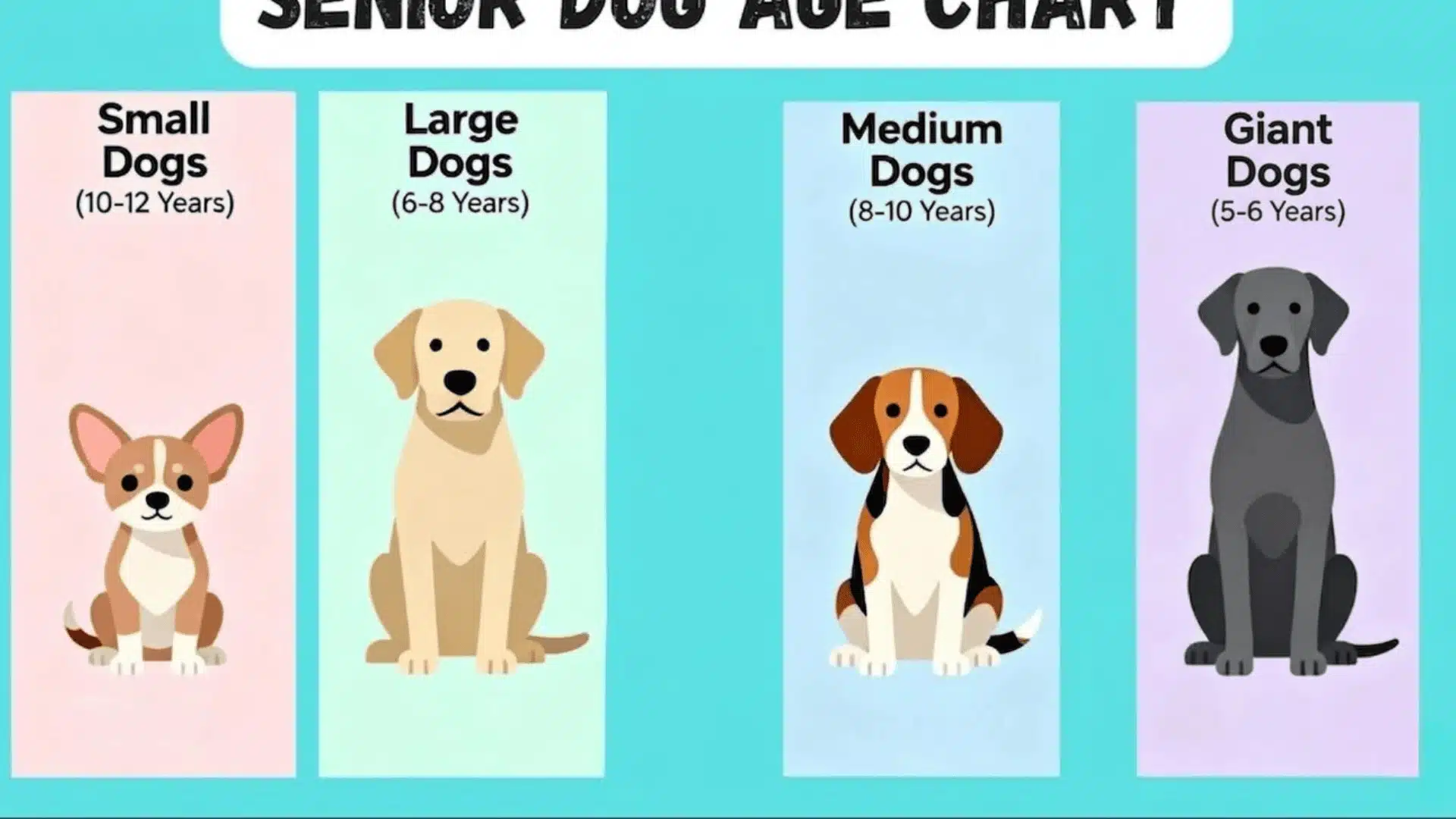
Senior dog age chart:
- Small breeds: 10 to 12 years
- Medium breeds: 8 to 10 years
- Large breeds: 6 to 8 years
- Giant breeds: 5 to 6 years
These age ranges show why the simple “7 year rule” does not apply equally to every dog.
Knowing where your dog falls within these ranges helps you prepare for changing health needs and adjust their routine for better comfort and long-term care.
If a rescue or mixed breed dog’s age is unknown, veterinarians estimate it using dental wear, coat condition, muscle tone, and eye clarity.
Senior dogs are in early aging and often remain active. Geriatric dogs are in later life and usually need closer monitoring and more intensive veterinary care.
Signs Your Dog Is Entering Senior Years
As dogs age, their bodies and behavior gradually change. Recognizing these early signs helps owners adjust care routines and keep their dogs healthy.
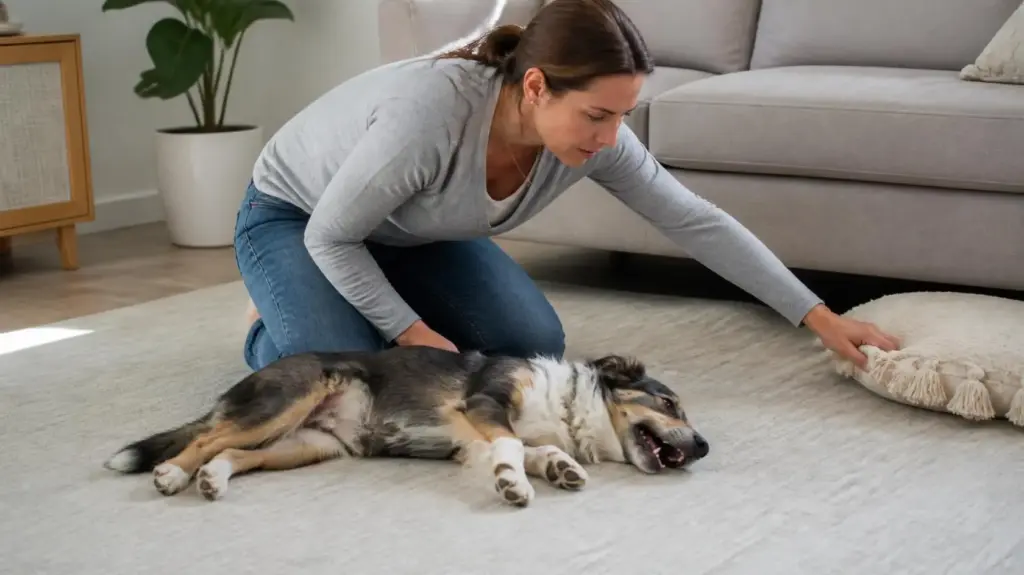
- Slower movement: Your dog may walk more slowly, hesitate before jumping, or take longer to get up after resting.
- Stiff joints or arthritis: Aging joints can cause stiffness, especially after sleep or during colder weather.
- More sleeping: Senior dogs often sleep longer and may spend more time resting throughout the day.
- Weight changes: Some older dogs gain weight due to lower activity, while others lose weight because of muscle decline.
- Behavior changes: You may notice less interest in long play sessions, more rest periods, or occasional confusion and memory lapses.
How Care Changes When a Dog Becomes a Senior?
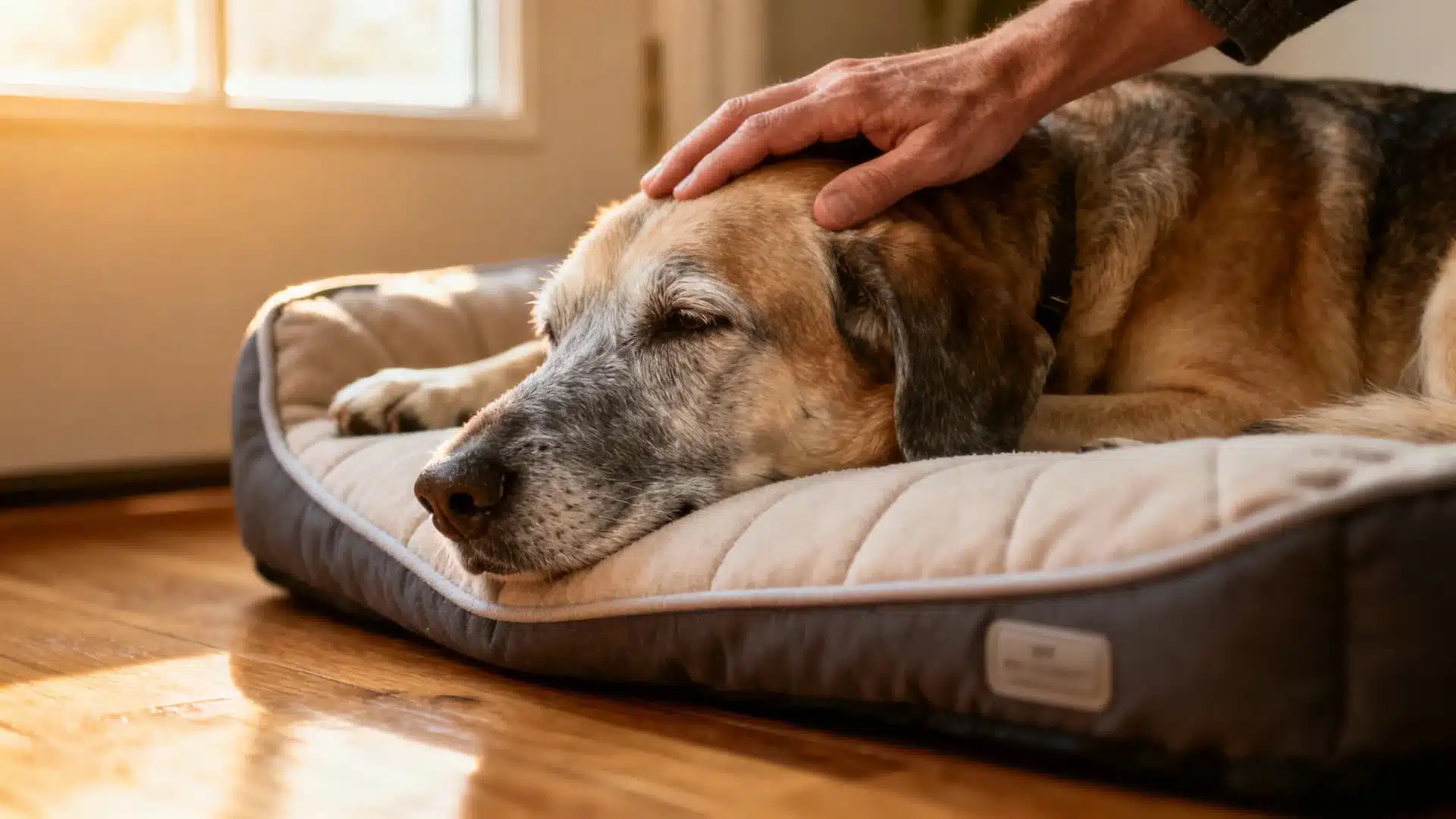
As dogs grow older, their daily needs begin to shift. Adjusting food, exercise, and medical care helps support their comfort and overall health.
1. Diet Changes for Senior Dogs
Senior dogs usually benefit from diets designed specifically for aging bodies. Lower-calorie food helps prevent unnecessary weight gain as activity levels drop.
Many senior formulas also include joint-support nutrients such as glucosamine and omega fatty acids to support mobility.
Easier-to-digest ingredients are important because older dogs may develop sensitive stomachs. A balanced senior diet helps maintain energy, muscle health, and overall well-being.
2. Exercise Adjustments
Exercise remains important for senior dogs, but it should be gentler and more controlled. Shorter walks can help maintain mobility without straining aging joints.
Instead of long, intense play sessions, more frequent but lighter activity works better for older dogs.
Activities like slow walks or light play help keep muscles active. Avoid exercises that involve jumping, rough running, or sudden strain.
3. Veterinary Care for Aging Dogs
Regular veterinary care becomes more important as dogs age. Many veterinarians recommend twice-yearly checkups for senior dogs instead of once a year.
These visits help catch health issues early before they become serious. Blood tests can reveal problems with organs, thyroid function, or metabolic health.
Early detection allows for quicker treatment and better long-term health outcomes.
4. Dental and Preventive Health Care
Dental care often becomes a greater concern in the senior years. Older dogs are more likely to develop gum disease, plaque buildup, and tooth infections.
Regular dental checks and cleanings can prevent pain and serious health problems.
Daily dental chews or brushing can help maintain oral hygiene at home. Good dental care also supports heart and organ health in aging dogs.
Common Health Issues in Senior Dogs
As dogs age, certain health conditions become more common. Knowing these problems early helps owners monitor symptoms before issues become serious.
- Arthritis: Joint inflammation that causes stiffness, pain, and reduced mobility, often making activities like walking, climbing stairs, or standing up more difficult.
- Dental disease: Plaque buildup, gum infections, and tooth decay are common in older dogs and can lead to pain, bad breath, and eating difficulties.
- Vision and hearing decline: Aging dogs may develop cloudy eyes, reduced eyesight, or hearing loss, which can affect their awareness and response to commands.
- Heart disease: Senior dogs can develop heart conditions that affect circulation, energy levels, breathing, and overall stamina during daily activities.
- Kidney problems: Aging kidneys may become less efficient, leading to increased thirst, frequent urination, appetite changes, and gradual health decline if untreated.
- Canine cognitive dysfunction: A dementia-like condition in senior dogs causing confusion, sleep disruption, staring, and reduced interaction with family.
- Cancer: More common in senior dogs. Watch for lumps, weight loss, low appetite, lethargy, or unusual swelling.
How to Help Your Senior Dog Stay Comfortable?
Small changes at home can make a big difference for senior dogs, helping reduce strain on their bodies while keeping them comfortable and mentally engaged.
- Orthopedic dog beds: Provide extra joint support and cushioning, helping relieve pressure on hips, spine, and aging joints during long rest periods.
- Ramps instead of stairs: Ramps help senior dogs reach beds, couches, or cars without jumping, reducing stress on joints and lowering injury risk.
- Non-slip flooring: Rugs or grip mats prevent slipping on smooth floors, helping older dogs walk confidently and maintain balance.
- Mental stimulation: Light games, puzzle toys, or short training sessions keep senior dogs mentally active and reduce boredom.
- Regular grooming and nail trimming: Routine grooming keeps coats clean and nails short, helping prevent discomfort and improving mobility for aging dogs.
Conclusion
Understanding when a dog enters its senior years helps owners prepare for the physical and behavioral changes that come with aging.
Breed size plays the biggest role in determining when this stage begins, but genetics, overall health, and lifestyle also influence the process.
Paying attention to these changes early allows owners to adjust routines before age-related issues become serious.
Simple adjustments like a balanced senior diet, moderate exercise, and regular veterinary checkups can support joint health, weight management, and overall comfort.
With proper care and attention, many senior dogs remain active, affectionate, and content well into their later years.
If you have noticed signs of aging in your dog or have questions about senior care, share your thoughts or experiences in the comments below.
Frequently Asked Questions
Do Dogs Age the Same Way as Humans?
No. Dogs age faster than humans. Their first two years cover major development, and aging speed later depends on breed, size, and overall health.
Can Senior Dogs Still Learn New Things?
Yes. Senior dogs can learn new commands and habits. Training may take longer, but repetition and positive reinforcement help keep their minds active.
Do Senior Dogs Need More Sleep than Younger Dogs?
Yes. Senior dogs usually sleep more because aging bodies need additional rest to recover energy and maintain overall health.