


Bringing home a puppy is exciting, but keeping them healthy takes planning. Vaccinations are one of the most important parts of early care.
Puppies have limited immunity and are prone to infections in their first months.
The 5-in-1 vaccine helps protect against distemper, hepatitis, parvovirus, parainfluenza, and adenovirus, all in one shot.
Sticking to the right schedule ensures your puppy develops strong immunity at the right time.
In this blog, you’ll learn what the 5-in-1 vaccine includes, when to give each dose, and how to keep your puppy protected.
With the right vaccination plan, your furry friend can grow healthy, active, and ready to enjoy every moment with you.
What is the 5-in-1 Vaccine for Puppies?
The 5-in-1 puppy vaccine, or DHPP/DA2PP, protects dogs from five major diseases: distemper, adenovirus, parainfluenza, and parvovirus.
Instead of administering multiple separate shots, this single vaccine provides broad protection in a single, convenient dose. It will help build a strong immune system and prevent serious and life-threatening illnesses.
- Distemper: A highly contagious viral disease that affects a puppy’s respiratory, digestive, and nervous systems, often leading to severe illness or death.
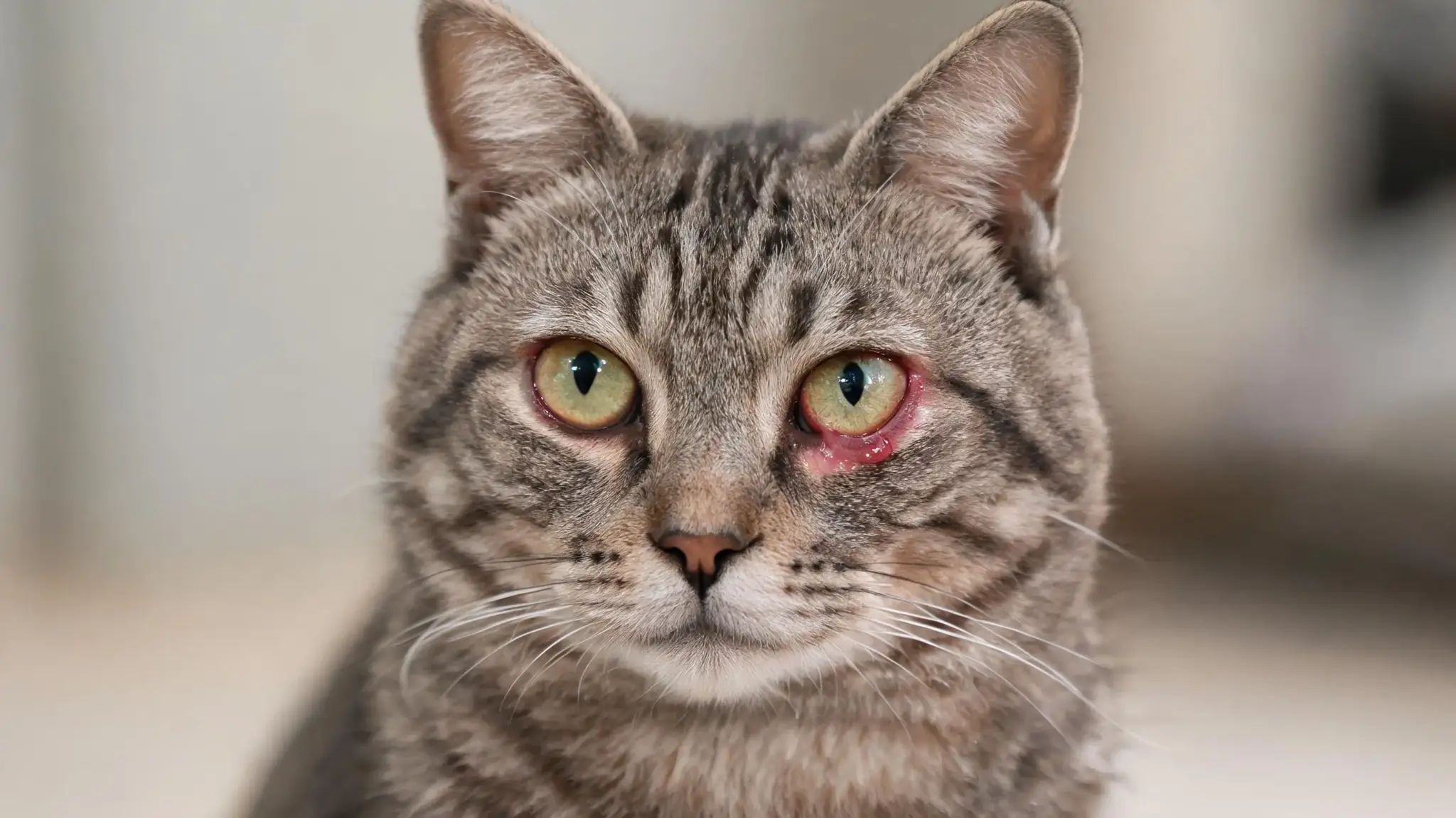
- Hepatitis (Adenovirus Type 1 & 2): Causes liver inflammation, fever, and eye problems; can lead to serious organ damage if not prevented early.
- Parainfluenza: A respiratory virus that causes coughing, nasal discharge, and fever, contributing to kennel cough in unvaccinated puppies.
- Parvovirus: A dangerous virus causing severe vomiting, diarrhea, and dehydration, especially fatal in young puppies without timely vaccination.
Puppy 5-in-1 Vaccination Schedule
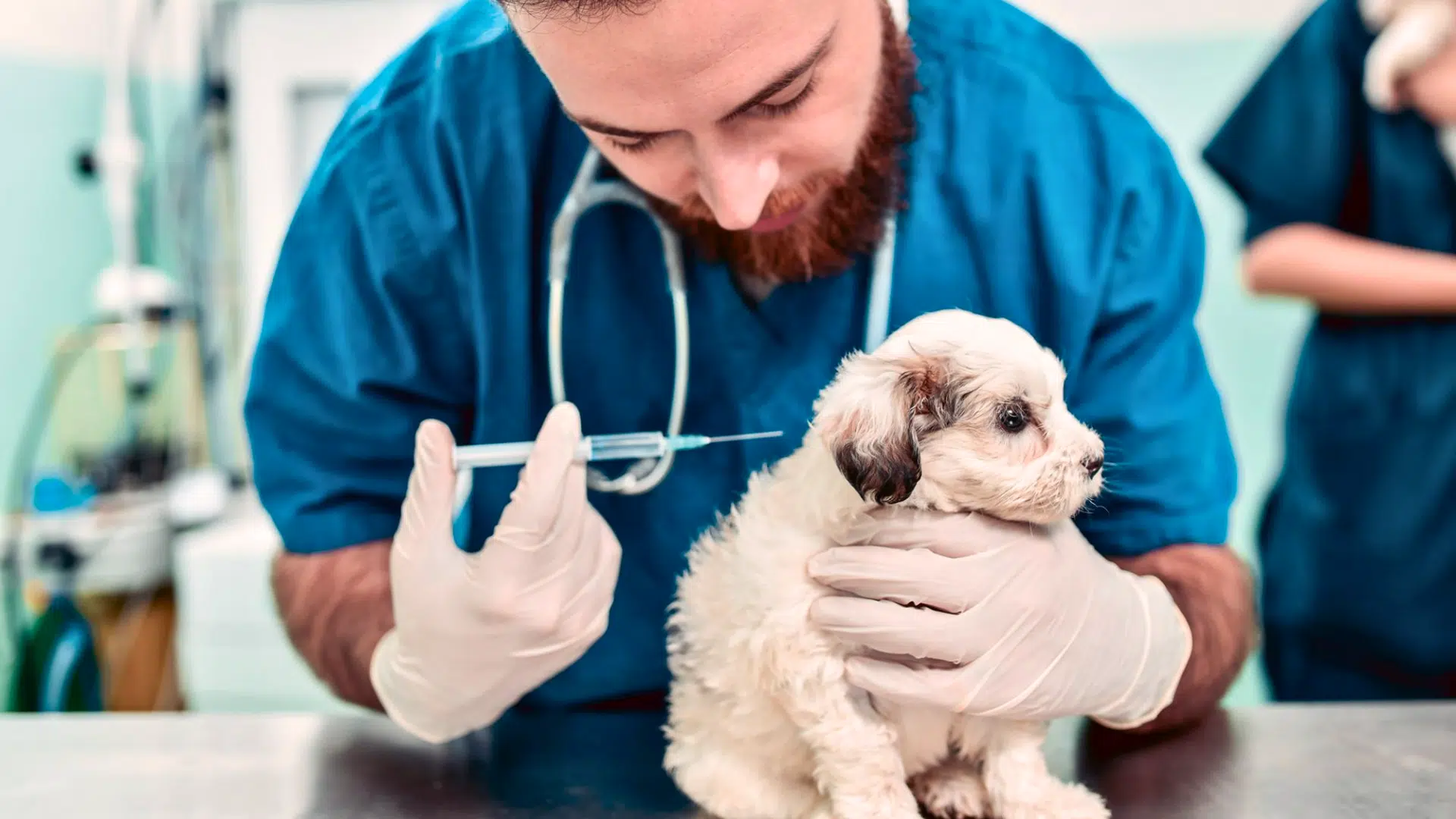
The 5-in-1 vaccine schedule for puppies builds strong immunity, protecting young dogs from serious diseases and ensuring lifelong health.
1. First Dose: Age 6–8 Weeks
At this stage, puppies receive their first 5-in-1 vaccine, which provides the foundation for their immune protection.
Since maternal antibodies from their mother start to fade around this age, the first dose helps trigger their immune system to recognize and fight off dangerous viruses.
It’s the puppy’s first line of defense against serious diseases like parvovirus and distemper, ensuring they begin building immunity during this sensitive, high-risk period of growth and development.
2. Second Dose: Age 10–12 Weeks
The second vaccination acts as a crucial booster shot, strengthening the immune response developed after the initial dose.
This step ensures that any remaining maternal antibodies don’t interfere with immunity building.
It’s essential for reinforcing protection against contagious diseases, especially as puppies begin to socialize more and explore new environments.
Keeping this appointment on time helps maintain a consistent defense as your puppy’s immunity continues to develop.
3. Third Dose: Age 14–16 Weeks
By this age, the final dose in the puppy series is administered, completing the core vaccination schedule.
This last shot ensures long-term protection by fully activating the immune system’s memory response against all five diseases covered by the vaccine.
It marks the end of the initial puppy vaccination phase, providing solid immunity that keeps your dog protected through its first year of life, even when exposed to common pathogens.
4. Booster Shot: Age 12 Months (1 Year)
At around 12 months, puppies should receive a booster shot to reinforce and extend the immunity built from their early vaccines.
Over time, the protection from initial doses can weaken, making this booster essential for reactivating the immune system’s memory.
It helps your dog stay protected against serious diseases like parvovirus and distemper as they mature.
Skipping it can increase the risk of infection, so keeping up with this booster ensures strong, lasting immunity and overall long-term health.
5. Regular Booster: Every 1–3 Years Thereafter
After the one-year booster, most veterinarians recommend repeating the 5-in-1 vaccine every one to three years.
The frequency depends on your dog’s lifestyle, risks, and local regulations. Regular boosters help sustain long-term immunity, keeping your pet protected from potentially fatal diseases.
Consistent vaccination also contributes to a healthier community by minimizing the spread of contagious illnesses among pets.
Always consult a vet to determine the ideal booster schedule for your dog’s specific needs.
Below is a sample timeline for a typical puppy vaccination schedule:
| Dose | Age | Description | Purpose |
|---|---|---|---|
| First Dose | 6–8 Weeks | Puppies receive their first 5-in-1 vaccine as maternal antibodies start to fade. | Triggers an immune response and provides the first defense against diseases like parvovirus and distemper. |
| Second Dose | 10–12 Weeks | A booster shot strengthens the response from the first dose. | Reinforces immunity and protects as puppies begin socializing and exploring. |
| Third Dose | 14–16 Weeks | The final shot in the initial puppy series. | Completes core vaccinations, ensuring lasting protection through the first year. |
| Booster Shot | 12 Months (1 Year) | A follow-up vaccine to maintain immunity built during puppyhood. | Reactivates immune memory for continued disease protection. |
| Regular Booster | Every 1–3 Years | Ongoing vaccinations based on your dog’s lifestyle and vet advice. | Sustains long-term immunity and reduces the spread of infectious diseases. |
How Much Do Dog and Puppy Vaccines Cost?
Vaccinating your dog or puppy is important for their health. The cost of vaccines for this year usually falls between $75 and $150 for the first year, covering all core shots.
Some places may charge up to $270 for the full puppy vaccine package, which often includes multiple visits and booster shots.
Each vaccine dose can cost anywhere from $15 to $60, plus the vet’s exam fee, which is about $40 to $60 per visit.
You might also pay extra for additional treatments like deworming ($20 to $50) or microchipping ($25 to $50).
After the first year, booster shots come less often and cost less. To save money, you can also check local shelters for low-cost vaccine clinics.
Planning ahead helps you budget for keeping your dog healthy without surprises.
What to Expect After Puppy’s 5-in-1 Vaccination?
After receiving the 5-in-1 vaccine, puppies might show mild and temporary side effects as their immune system responds to the shot.
It’s common for them to feel slightly tired, less playful, or experience minor soreness at the injection site.
Some puppies may also experience a temporary reduction in appetite, which typically resolves within one to two days.
These reactions are completely normal and not a cause for concern. If your puppy shows swelling, vomiting, or breathing trouble, contact your vet immediately.
In most instances, these mild symptoms disappear within 24–48 hours, and your puppy quickly returns to its cheerful, energetic self, now with stronger protection against serious diseases.
Can the 5-In-1 Vaccine Be Combined with Other Shots?
The 5-in-1 vaccine can be safely administered with other important shots, such as rabies and bordetella (kennel cough).
Veterinarians often recommend this because it provides broader protection while reducing the number of vet visits.
Getting multiple vaccines at once helps keep your puppy’s immunization schedule on track and makes the process easier for both pets and owners.
Modern vets use safe, well-tested methods to give these vaccines together.
This way, puppies get strong protection against several diseases without extra stress or discomfort.
Always consult with your veterinarian to create the best vaccination plan for your puppy, taking into account its age, breed, and overall health.
What Diseases Do Dog Vaccines Prevent?
I’ve learned that vaccines protect dogs from serious illnesses that can spread quickly and cause lifelong harm. Below is a breakdown of the main diseases these shots help prevent and why each one matters.
1. Rabies
I always make sure my dog gets the rabies vaccine because it protects against one of the most serious diseases a dog can catch.
Rabies affects the brain and nervous system and spreads through bites or scratches from infected animals.
Once symptoms appear, it’s almost always fatal. The vaccine not only keeps your dog safe but also protects you and your family.
In most places, this vaccine is required by law because it’s such a serious health risk. Getting it on time gives me peace of mind every year.
2. Distemper
Canine distemper is a highly contagious virus that spreads through the air or by sharing food and water bowls.
It affects a dog’s lungs, brain, and digestive system, leading to coughing, fever, seizures, and even death.
I make sure to vaccinate my dog early, especially as a puppy, because once infected, there’s no cure, only treatment to ease symptoms.
You should know that this virus can live in the environment for a long time, so even indoor dogs need protection. Vaccination helps your dog stay strong and prevents outbreaks in your area.
3. Parvovirus
The parvovirus vaccine is one I never skip. Parvo is a fast-spreading disease that causes severe vomiting, bloody diarrhea, and dehydration.
It mainly targets young puppies, and without treatment, it can be deadly in just a few days.
I’ve seen how tough recovery can be, so I always stress to other dog owners the importance of this shot. Parvo spreads through infected feces and can survive on surfaces like grass, soil, or toys for months.
By keeping your dog vaccinated, you prevent suffering and protect other dogs in your neighborhood, too.
4. Hepatitis (Adenovirus Type 1)
The canine hepatitis vaccine protects dogs from a virus that attacks the liver, kidneys, and eyes. This disease spreads through contact with the urine, blood, or saliva of infected dogs.
When I learned that it can cause liver failure or even death, I made sure my dog never missed this shot.
The vaccine also protects against a related virus that causes mild respiratory illness. For you, as a dog owner, this means fewer vet visits and a lower chance of serious illness.
5. Parainfluenza
The parainfluenza vaccine helps protect against one of the main causes of kennel cough, a common infection that leads to dry coughing, sneezing, and a runny nose.
I get this shot for my dog before trips to boarding centers or dog parks, where close contact with other dogs increases risk.
Parainfluenza spreads through the air, and even mild cases can turn into pneumonia if untreated.
With the vaccine, your dog’s immune system can fight the virus quickly, reducing symptoms and recovery time.
6. Bordetella
The Bordetella vaccine is another layer of protection against kennel cough, often given as a nasal spray or injection.
Dogs that visit groomers, training classes, or boarding facilities are most at risk.
I make sure my dog gets this vaccine every year because it helps prevent persistent coughing, sneezing, and chest congestion.
Some dogs may still catch mild cases, but vaccinated dogs recover faster and have fewer symptoms. If your dog loves being social, this vaccine is a must-have for keeping them healthy around others.
7. Leptospirosis
Leptospirosis is a bacterial disease spread through water, soil, or the urine of infected animals like rats and wildlife.
It can cause liver and kidney damage and, in some cases, death. What makes it more serious is that it can infect humans, too.
I always include this vaccine for my dog, especially since we go hiking and camping where standing water is common.
For you, vaccinating your dog means lowering the risk of your family being exposed to this harmful bacterium.
8. Lyme Disease
The Lyme disease vaccine is important if you live or travel in areas with lots of ticks. This disease is spread through tick bites and causes fever, joint pain, loss of appetite, and tiredness.
I use both the vaccine and tick prevention methods to keep my dog protected.
If left untreated, Lyme disease can cause long-term joint and kidney problems. By vaccinating, you make sure your dog stays active and enjoys outdoor time without pain.
It’s one of the best ways to prevent this growing tick-borne illness.
Conclusion
Consistent care and regular veterinary visits are essential for maintaining a puppy’s health and well-being.
Following the 5-in-1 vaccine for puppies schedule ensures that each dose is administered at the correct time, building lasting protection against serious diseases.
Pet owners should maintain a clear vaccination record to easily track appointments and boosters. Regular checkups also give veterinarians the chance to monitor a puppy’s growth and overall well-being.
With proper care and timely vaccinations, puppies can enjoy a safe start to life, free from preventable illnesses.
A well-vaccinated puppy is not only healthier but also happier, ready to grow, play with confidence, knowing their immune system is trained to handle the world around them.