Dogs are playful and curious, so minor cuts and scrapes are bound to happen.
Most small injuries heal on their own, but sometimes a wound can get infected, making your dog uncomfortable and slowing down the healing process.
Infected wounds can be caused by dirt, bacteria, or even your dog licking the area too much.
Knowing the signs of infection, such as redness, swelling, pus, bad odors, or changes in behavior, can help you act quickly.
Proper first aid at home, along with timely veterinary care when needed, can make a big difference in recovery.
In this guide, we’ll cover what causes infections, how to spot them, and simple steps to treat and prevent them so your furry friend heals faster and stays happy.
How Dog Wounds Happen and Why Quick Care Matters?
Dogs often get small cuts, scrapes, or bites from running, jumping, or playing outdoors. These wounds can come from rough play, sharp objects, or fights with other animals.
Even minor injuries can become serious if bacteria or dirt enter the wound, leading to swelling, redness, or pus.
Your dog might lick or chew the area more than usual, which can make it worse. Cleaning the wound right away with mild soap and water helps prevent infection.
Keep the area dry and watch it closely for a few days to ensure it’s healing properly. If the wound becomes red, swollen, or starts to smell, contact your vet as soon as possible.
Quick care can prevent infections and help your dog recover faster while avoiding complications.
Types of Dog Wounds
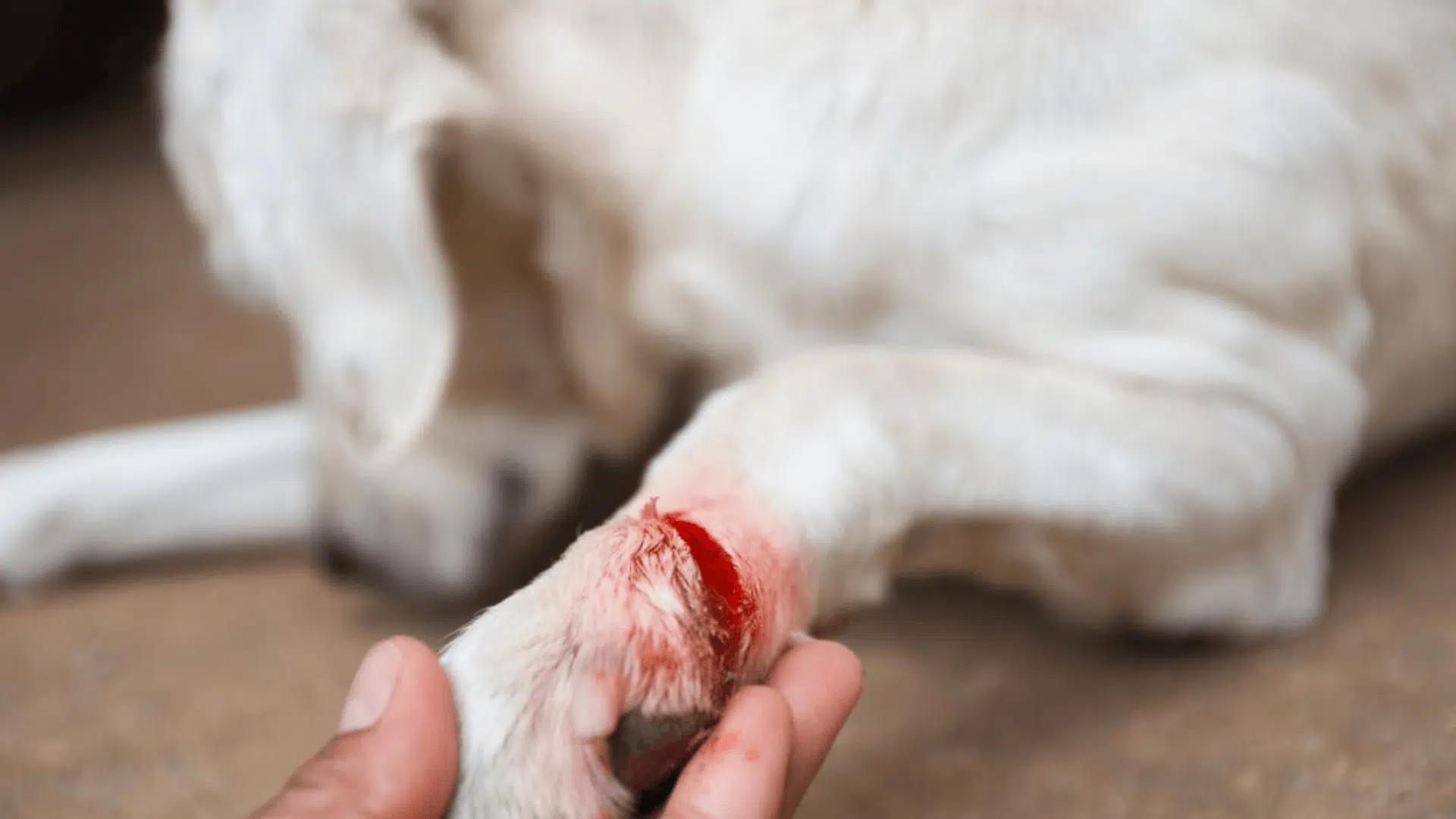
Dogs can sustain various types of wounds, and knowing the specific type helps in treating them properly. Some injuries are minor, while others can be serious and may get infected quickly if not cared for.
1. Open Cuts and Abrasions
Open cuts and abrasions are among the most common dog injuries. These are usually shallow and caused by running through bushes, scraping against fences, or falling on hard ground.
Even though they might look minor, bacteria can easily enter through broken skin.
Start by gently cleaning the wound with warm water and mild soap to remove any debris or dirt. Avoid using alcohol, which can sting and delay healing.
Apply an antiseptic ointment and cover the wound with a light bandage if needed.
Keep your dog from licking or scratching it, and check daily for redness, swelling, or pus. Most minor abrasions heal within a week if kept clean and dry.
2. Puncture Wounds and Bites
Puncture wounds are deep, narrow injuries caused by sharp objects like nails, thorns, or bites from other animals.
They may not bleed much on the surface, but they can cause significant internal damage or infection. Bites are especially risky because bacteria from another animal’s mouth can spread infection quickly.
Clean the wound carefully with an antiseptic and avoid pressing or squeezing it.
Because punctures can trap bacteria deep inside, it’s best to visit your vet as soon as possible. The vet may prescribe antibiotics or drain the wound to prevent abscesses.
Watch for signs of fever, swelling, or changes in behavior; these can indicate infection or pain.
3. Torn Nails and Paw Pad Injuries
Dogs use their paws constantly, so torn nails and injured paw pads are painful and disruptive.
These injuries often happen when a dog’s nail catches on carpet, rocks, or fences, or when they run on hot pavement. You might notice limping, bleeding, or your dog licking the paw excessively.
Clean the area with warm water and a gentle antiseptic. If the nail is torn but still attached, do not pull it; your vet can trim it safely.
For paw pad cuts, stop any bleeding with gentle pressure and wrap the paw in a clean bandage. Limit your dog’s walking for a few days, and change the bandage daily until it fully heals.
4. Burns and Chemical Wounds
Burns can result from heat, friction, or exposure to chemicals such as cleaners or fertilizers. These wounds are often painful and may cause redness, blistering, or peeling skin.
If your dog burns its skin on a hot surface, immediately cool the area with lukewarm water for 10–15 minutes.
Do not use ice or ointments without guidance from your vet.
Chemical burns should be flushed thoroughly with cool water to remove any residue, and the affected area should be examined by a professional as soon as possible.
Burns can worsen quickly, leading to infection or tissue death, so prompt care is essential.
5. Surgical or Post-Operative Wounds
After surgery, dogs are usually sent home with clean incisions closed by stitches or staples.
These wounds still need close attention to prevent infection. Keep the surgical site clean and dry, and avoid bathing your dog until your vet gives approval.
Use a cone to prevent licking and watch for swelling, redness, or discharge.
If you notice your dog whining, licking the area repeatedly, or if the wound starts to open, contact your vet immediately.
Following all post-surgery care instructions ensures the wound heals properly and prevents serious complications.
Signs of an Infected Dog Wound
Even small wounds can become infected if bacteria get inside. It’s essential to recognize the warning signs so you can respond promptly and maintain your dog’s health.
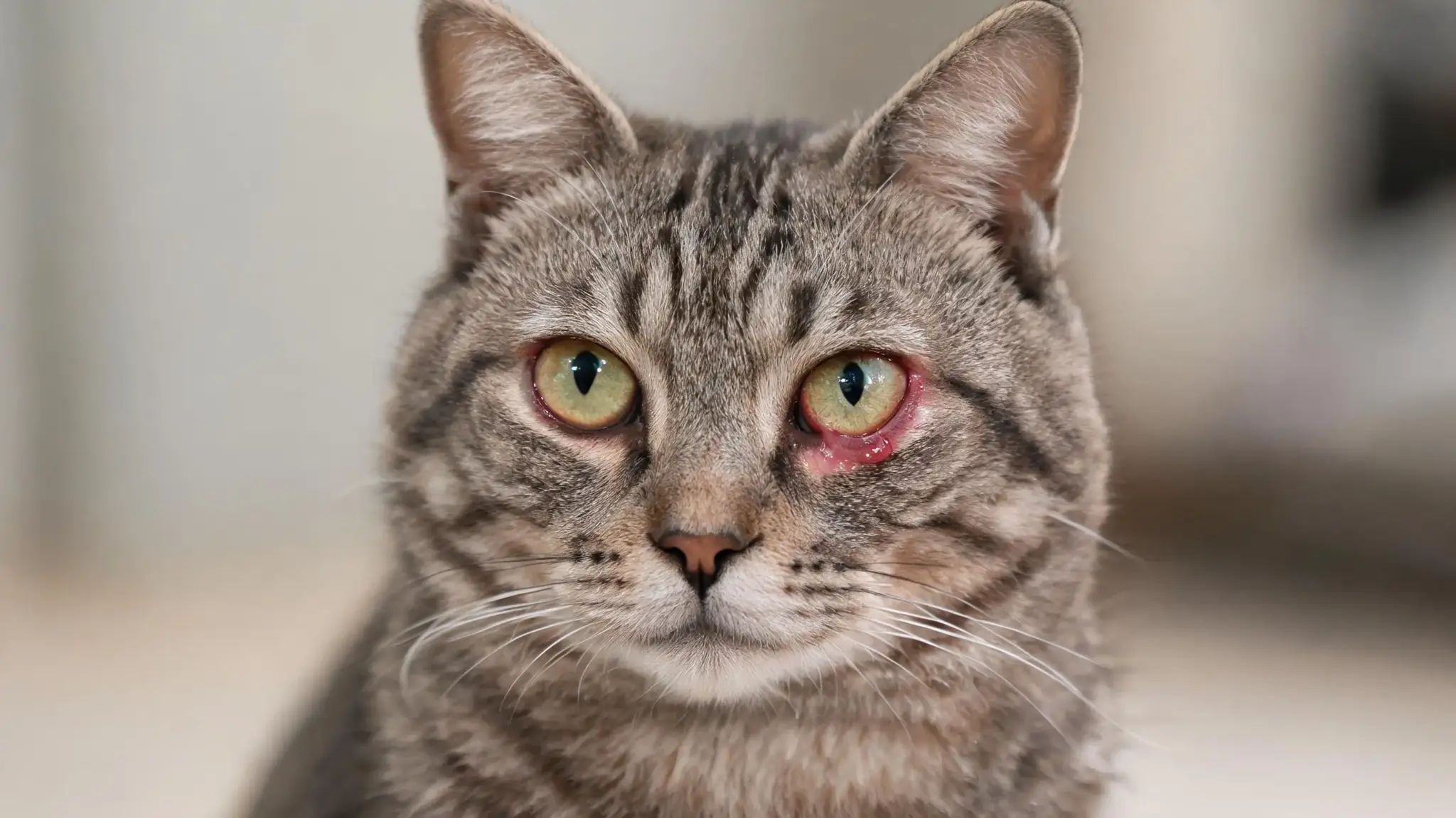
- Redness, swelling, and warmth: The area around the wound may look red, feel hot, and appear swollen.
- Pus or foul-smelling discharge: Yellow or green pus, or a bad odor, usually signals infection.
- Persistent bleeding or oozing: Wounds that keep bleeding or leak fluid need attention.
- Pain, excessive licking, or scratching: Dogs may show discomfort or constantly bother the wound.
- Fever, loss of appetite, or tiredness: General signs that your dog is not feeling well.
If you notice any of these signs, clean the wound and contact your vet promptly to prevent the infection from worsening.
What Causes a Dog Wound to Become Infected?
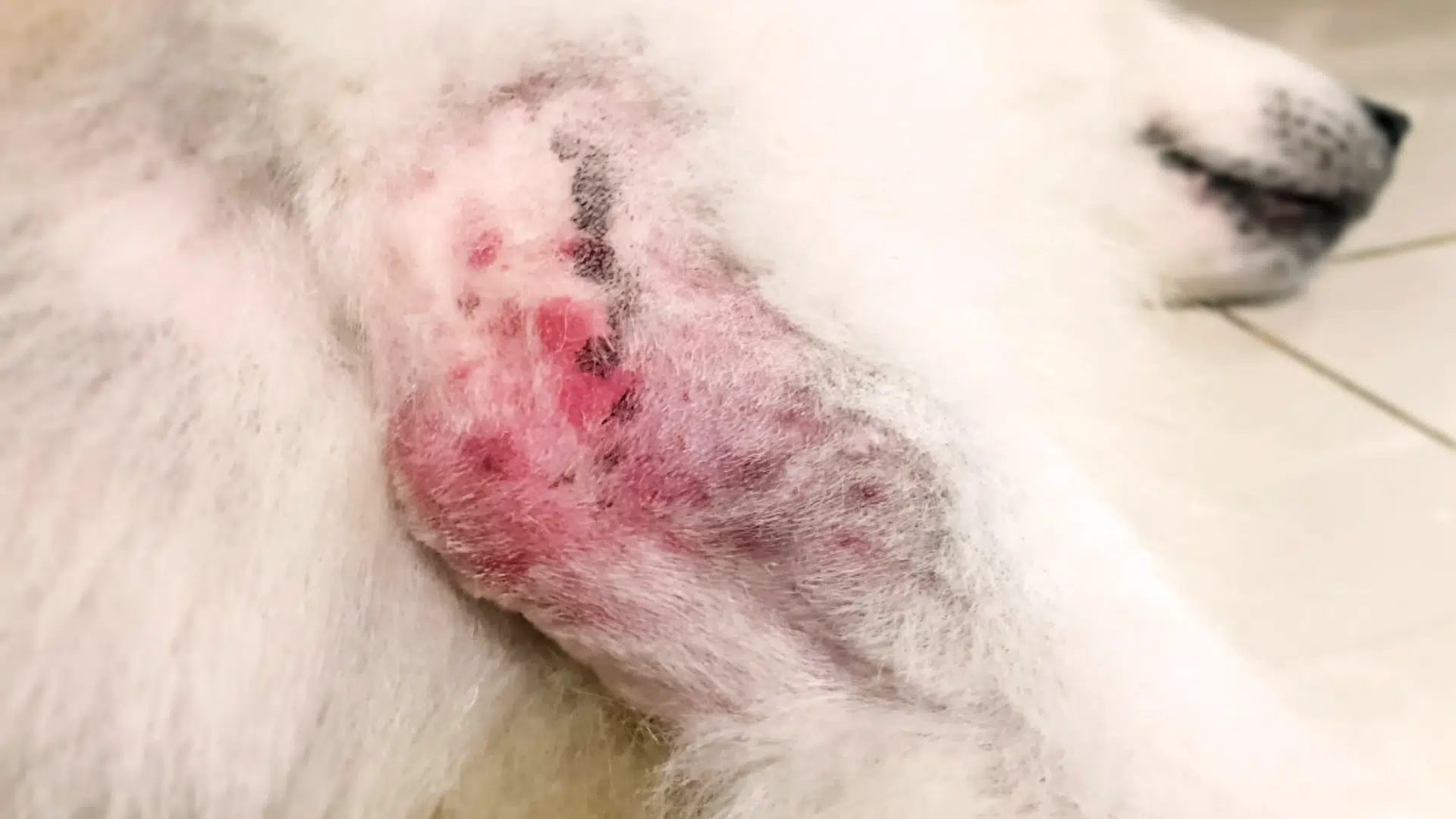
Even small cuts or scrapes can get infected if we’re not careful. One main reason is bacteria entering an open wound.
Dirt, germs, or other tiny organisms can sneak in and cause the area to become red, swollen, or sore.
Improper or delayed cleaning also provides bacteria with an opportunity to grow, so it’s essential to wash wounds promptly and gently.
Dogs often exacerbate the situation by licking or biting the affected area, which can spread germs.
Some dogs are more at risk because of underlying health issues like diabetes or a weak immune system. Keeping wounds clean and watching your dog closely helps prevent infections and keeps them happy and healthy.
How a Dog’s Wound Heals (and When It Doesn’t)
When a dog gets a wound, the body works hard to heal it. Understanding the healing process and potential complications helps you care for your furry friend properly.
| Stage / Issue | What Happens | Signs to Watch For |
|---|---|---|
| Inflammation | The body cleans the wound, stops bleeding, and fights germs. | Redness, swelling, mild warmth, and some tenderness. |
| Repair | New tissue forms, and the wound begins to close. | Scab formation, reduced bleeding, and less swelling. |
| Remodeling | Tissue strengthens, and the skin returns to normal. | Scar may form, the wound looks healed, and normal activity resumes. |
| Delayed Healing | Healing slows due to repeated injury, poor nutrition, or health issues. | The wound remains open, redness persists, or bleeding continues. |
| Infection | Bacteria interfere with healing and can spread. | Pus, bad odor, increased pain, or fever. |
Keeping wounds clean and monitoring your dog helps ensure smooth healing. If you notice signs of delayed recovery or infection, contact your vet promptly.
First Aid for a Dog Wound at Home
When your dog gets a small cut or scrape, quick first aid can prevent infection and help it heal faster. Start by rinsing the wound gently with lukewarm water to clear out dirt and debris; avoid scrubbing.
Then, apply a pet-safe antiseptic or a diluted saline solution to clean the area.
Once dry, cover the wound with a clean, breathable bandage to keep out dirt and germs. Use a cone or sleeve to stop your dog from licking or biting the wound.
Check the wound daily for any signs of redness, swelling, or discharge.
If it starts to look worse, smells bad, or your dog seems in pain, call your vet right away for proper care. Prompt attention helps your dog heal safely and comfortably.
When to See a Veterinarian?
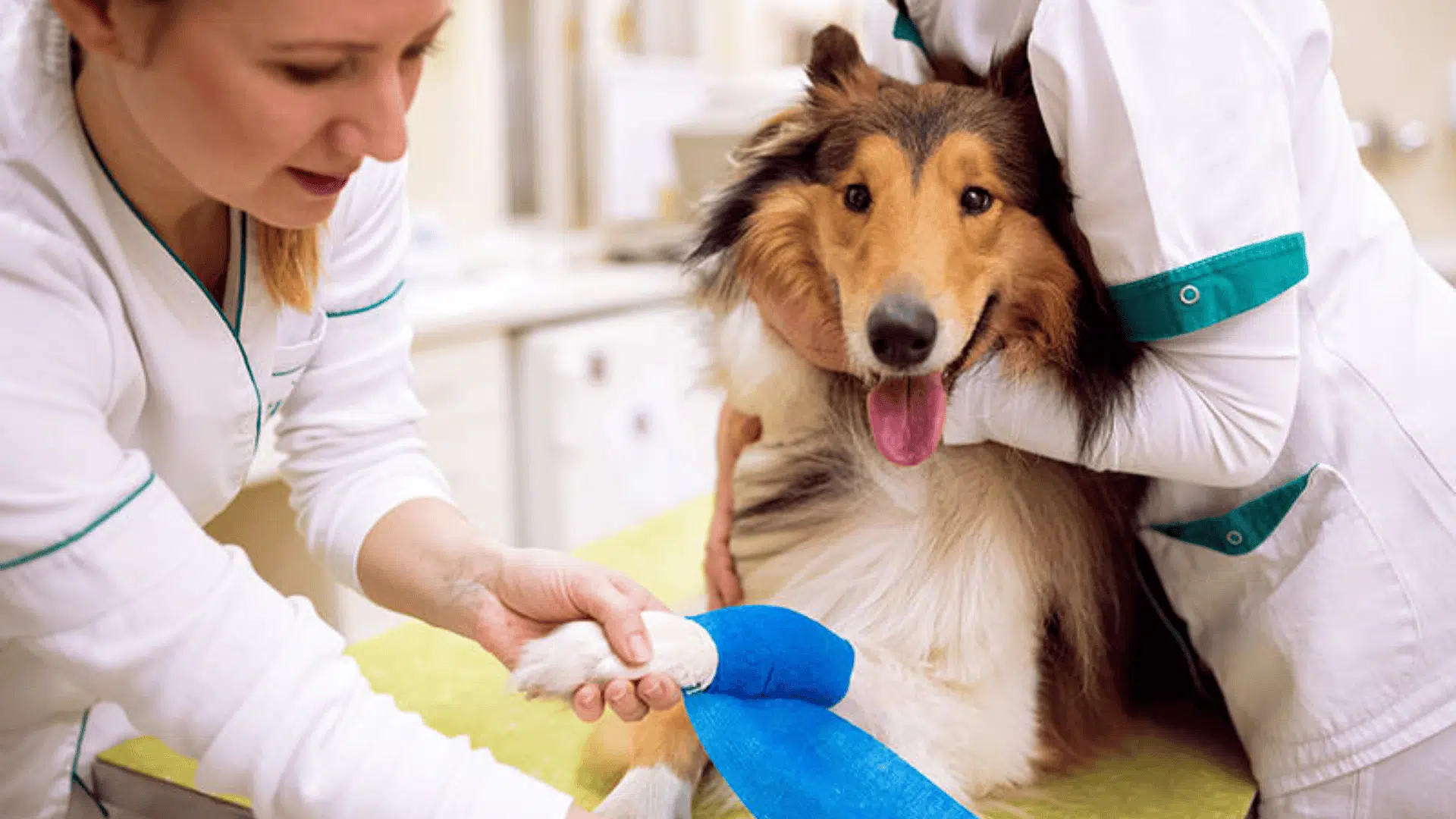
Some injuries go beyond basic first aid and need a vet’s attention.
If your dog has a deep cut, a wound that keeps bleeding, or one located near sensitive areas like the eyes, joints, or genitals, it’s best to call your veterinarian. These spots can easily get infected or heal poorly.
A foul smell, blackened skin, or spreading redness around the wound are also signs of infection.
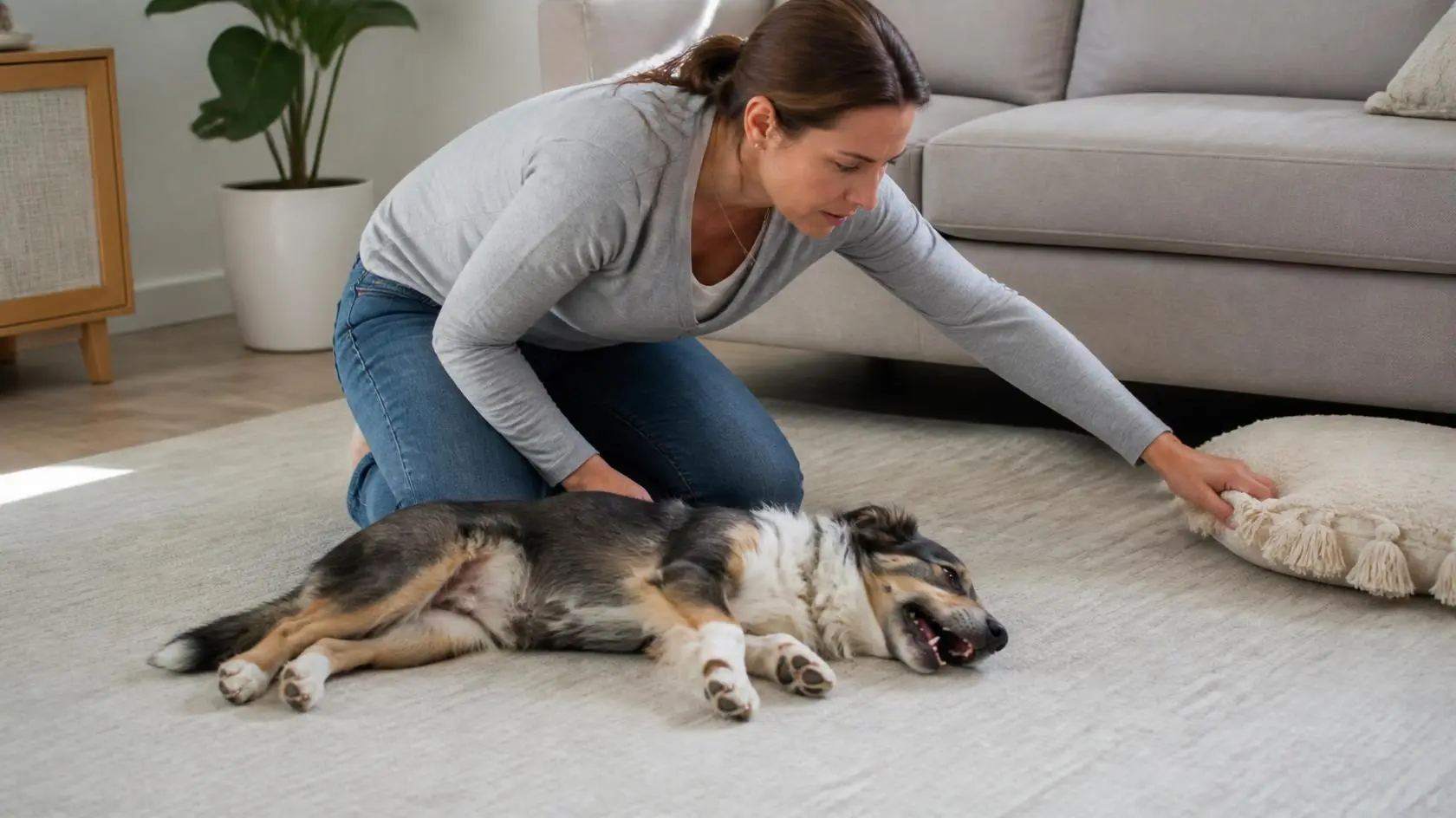
Your dog might seem unusually tired, run a fever, or refuse food, all signals that the infection could be spreading through the body.
Even if the wound seems minor, a quick vet visit ensures proper cleaning and medication.
Prompt professional care not only reduces pain but also helps your dog recover faster and avoid serious complications.
Home Care and Recovery Tips
Once your dog’s wound is under control, proper home care can help it heal faster and prevent infection. Following these simple tips will make recovery smoother and safer.
- Keep the wound clean and dry: gently clean the area as needed and change any dressings regularly to prevent bacterial growth.
- Provide proper nutrition: Feed a balanced diet rich in proteins, vitamins, and minerals to support tissue repair and overall healing.
- Prevent re-injury or licking: Use a cone or protective covering to stop your dog from scratching, biting, or irritating the wound.
- Monitor for new signs of infection: Watch for swelling, redness, pus, or unusual behavior, and contact your vet if needed.
Good care at home helps your dog recover comfortably and quickly.
Conclusion
Taking care of your dog’s wounds might feel a little scary at first, but knowing the signs of infection can make it much easier.
Watch for redness, swelling, pus, bad odor, bleeding, or behavior changes like pain or fatigue.
Acting quickly by cleaning the wound and monitoring it closely can prevent minor issues from developing into serious problems.
Some wounds need a vet’s care right away, especially deep or worsening ones near sensitive areas.
Beyond treating wounds, being proactive- keeping your dog’s environment safe, trimming nails, and supervising rough play- can prevent many injuries in the first place.
With careful attention, you can help your furry friend stay healthy, happy, and pain-free.