

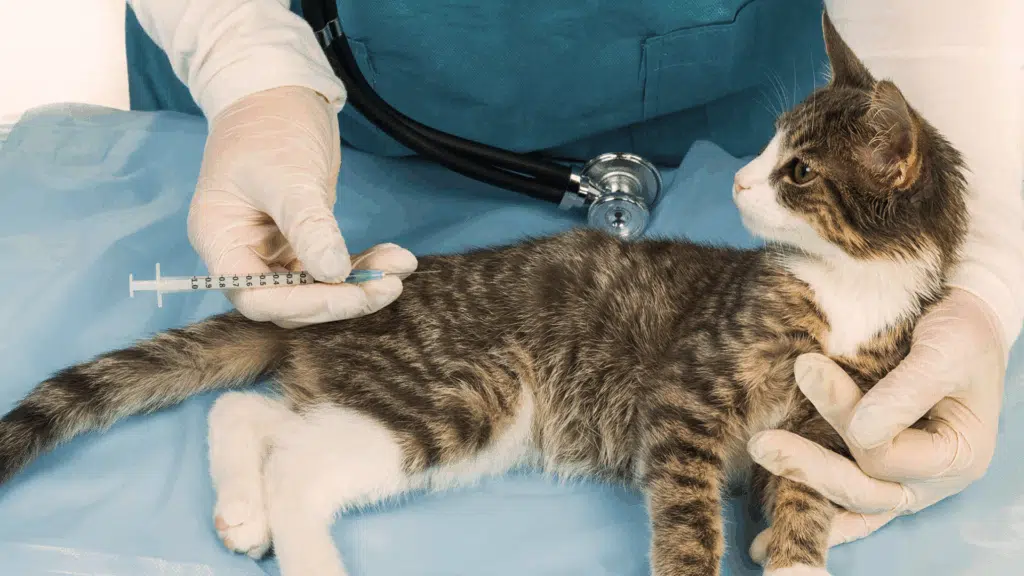
The kitten vaccine schedule is one of the first things new cat owners should learn about. Vaccines help protect kittens from serious diseases while their immune systems are still growing.
This guide covers your kitten’s first-year shots, when to get them, what they protect against, and their typical costs.
You’ll also learn:
- The difference between core and non-core vaccines
- What mild side effects might you notice
- Simple ways to stay on track with vet visits
Vaccinating your kitten on time keeps them healthy and helps prevent costly illnesses later.
Whether this is your first kitten or your fifth, this guide gives you a clear, easy-to-follow plan for your kitten’s first year of protection.
Why Early Vaccination Is Important?
When I brought my first kitten home, I quickly learned how early vaccines can make a big difference. Kittens get early protection from their mother’s milk, but it fades quickly.
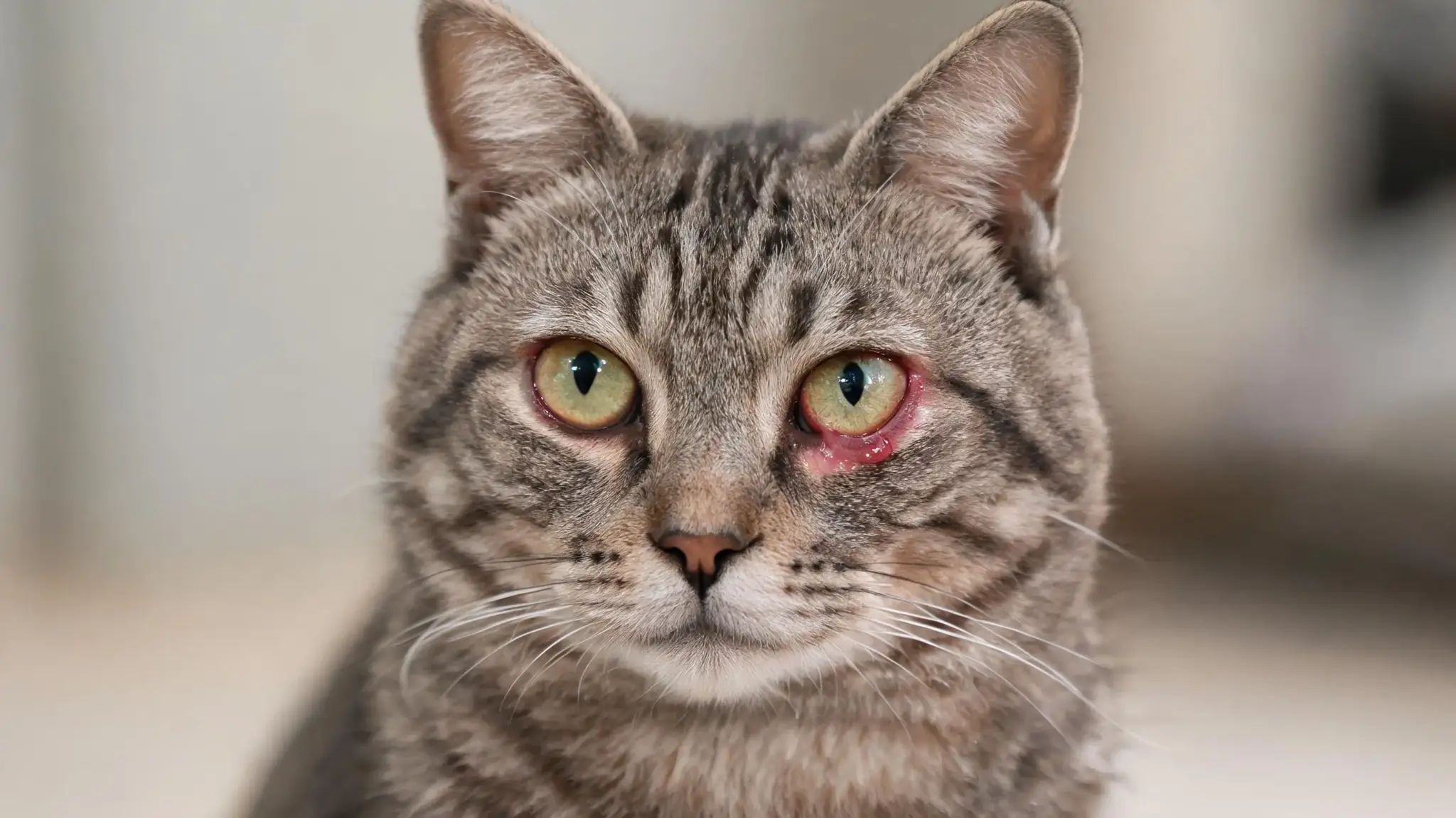
Once it wears off, they become more likely to catch illnesses like feline distemper, calicivirus, or herpesvirus, diseases that can spread fast and cause serious harm. That’s why vaccines should be given at the right time.
Each shot strengthens your kitten’s immune system and provides lasting protection.
I always remind new cat owners: staying on schedule isn’t just about following a rule, it’s about giving your kitten the best chance at a healthy life.
Timely shots mean fewer risks, fewer vet visits, and a stronger, happier kitten.
Kitten Vaccination Schedule and Average Costs at a Glance
Keeping your kitten’s vaccines on schedule protects them from serious diseases. This chart combines the timeline and average costs to help you plan and stay organized.
| Age | Vaccine/Checkup | Purpose | Average Cost (USD) |
|---|---|---|---|
| 6–8 Weeks | FVRCP (1st dose), Deworming | Protects against Feline Viral Rhinotracheitis, Calicivirus, and Panleukopenia. Deworming removes parasites and supports growth. | $20–$40 (FVRCP), $15–$25 (Deworming) |
| 10–12 Weeks | FVRCP (2nd dose), Rabies (optional), FeLV (if needed) | Builds stronger immunity; rabies protection may start here. FeLV is for kittens that go outdoors. | $20–$40 (FVRCP), $15–$30 (Rabies), $25–$45 (FeLV) |
| 14–16 Weeks | FVRCP (final dose), Rabies (if not given), FeLV booster | Completes the early vaccine series; FeLV booster adds longer protection. | $20–$40 (FVRCP), $15–$30 (Rabies), $25–$45 (FeLV) |
| 6 Months | Vet Checkup, Spay/Neuter Discussion | General health check, review diet, growth, and flea/tick prevention. | $30–$60 (Exam), varies for spay/neuter |
| 1 Year | FVRCP booster, Rabies, FeLV (if needed) | Annual boosters maintain long-term protection and overall wellness. | $60–$120 (FVRCP series), $15–$30 (Rabies), $50–$90 (FeLV) |
Most kittens need core vaccines like FVRCP and rabies, while non-core vaccines such as FeLV depend on lifestyle.
Overall, expect to spend $150–$350 for all shots and checkups during the first year. Some vets and shelters offer vaccine packages that lower the total cost.
Weekly Kitten Vaccination Schedule
Vaccines are given in stages to build steady protection as your kitten grows. I’ve kept the schedule simple so you can follow each step easily. Always talk to your vet first to ensure your kitten gets the right shots on time.
1. Six to Eight Weeks
At 6 to 8 weeks, I take my kitten for the first FVRCP vaccine, which guards against Feline Viral Rhinotracheitis, Calicivirus, and Panleukopenia.
These are serious diseases that can spread easily among cats, so this shot is important.
Your kitten will also likely get a deworming treatment to remove internal parasites that can slow down growth. I usually talk to the vet about how often deworming should continue since kittens are more at risk.
You should plan the next booster in about three to four weeks to keep the protection strong.
2. Ten to Twelve Weeks
This is when I take my kitten for the second round of the FVRCP vaccine.
Boosters are needed to build lasting immunity. If you live where rabies is common, your vet might suggest giving the rabies shot now, though sometimes it’s done a little later.
I also ask the vet about the FeLV (Feline Leukemia) vaccine, especially if the kitten will go outside or meet other cats.
This visit is also a good time for a general health check. Your vet may look at teeth, gums, and weight to make sure everything’s on track.
3. Fourteen to Sixteen Weeks
This is the final stage of the early kitten vaccination series. Your kitten will get the final FVRCP booster, which locks in long-term protection against common feline diseases.
The rabies vaccine is usually given now if not already, as it’s required by law in many areas.
If your kitten got the FeLV vaccine earlier, this is when the FeLV booster is due. I like to schedule this appointment early to avoid delays.
You can also consult your vet about microchipping, as it’s a good time to do it while the kitten is calm and healthy.
4. Six Months
At 6 months, I make sure all earlier shots are up to date. Your kitten may not need a new vaccine right now, but this is a great time for a checkup.
The vet will likely discuss spaying or neutering, which helps with behavior and prevents unwanted litters.
It’s also a chance to talk about diet, weight, and how your kitten is adjusting to its routine. I usually ask about flea and tick prevention, since these can start becoming an issue as kittens explore more.
5. One Year
When your kitten turns one, it’s time for booster vaccines. This includes another FVRCP booster and the rabies vaccine if required annually in your area.
If your cat goes outdoors or lives with other cats, your vet may recommend yearly FeLV boosters. I treat this as a full wellness visit where my vet checks teeth, weight, and overall health.
Keeping up with these visits helps you maintain your cat’s long-term health and ensures all vaccinations stay current.
What Vaccines Does a Kitten Need?
Understanding which vaccines your kitten needs can feel confusing at first. I’ve broken down each one so you know exactly what it does and why your kitten needs it.
1. FVRCP Vaccine
I always make sure my kitten gets the FVRCP vaccine, which protects against three main diseases: Feline Viral Rhinotracheitis, Calicivirus, and Panleukopenia.
These illnesses can cause breathing problems, fever, and stomach issues that spread quickly among cats.
This vaccine keeps your kitten healthy and helps stop these infections from passing to other cats.
You’ll start it around six weeks, with a few boosters after that. It’s one of the most important vaccines for your kitten’s long-term protection.
2. FeLV Vaccine
The FeLV vaccine protects against Feline Leukemia Virus, a disease that weakens a cat’s immune system. I give this vaccine to kittens that go outdoors or live with other cats.
Once infected, there’s no cure, so prevention is key. It helps your kitten stay strong and fight off other illnesses.
You’ll start the first shot around 10 to 12 weeks, followed by a booster a few weeks later. If your cat stays inside only, your vet may decide it’s not needed.
3. Rabies Vaccine
The rabies vaccine is a must for every kitten. Rabies is a deadly virus that spreads through bites or scratches from infected animals.
I always make sure my kitten gets this shot because it protects both you and your pet. In many places, it’s required by law. Usually, kittens get the first dose around 12 to 16 weeks.
After that, your vet will give boosters every one to three years to keep your cat safely protected.
4. Deworming and Parasite Prevention
While not a vaccine, deworming is still very important for kittens.
I give my kitten treatments to remove roundworms and hookworms, which can affect growth and cause stomach problems.
Your vet may suggest repeating deworming every few weeks when your kitten is young.
You can also ask about flea and tick prevention to avoid itching and infection. Keeping up with these treatments helps your kitten grow healthy and stay free from harmful parasites.
What Are the Potential Side Effects of Pet Vaccinations?
Vaccines are important for keeping your kitten healthy, but it’s normal to see a few mild reactions after a vet visit. I’ve listed the common ones so you’ll know what to expect and what might need attention.
- Mild Sleepiness: Your kitten may rest more than usual for a day.
- Soreness or Small Lump: A tiny bump near the shot area can appear but fades in a few days.
- Mild Fever: Slight warmth or low energy may happen for a short time.
- Less Appetite: Eating less for a day or so is common after vaccination.
- Quiet Behavior: Your kitten might seem calmer or less playful for a short period.
- Vomiting or Diarrhea: Can occur in rare cases and should be watched closely.
- Swelling of the Face or Mouth: Needs quick vet attention if it appears.
- Trouble Breathing or Constant Crying: These signs may point to a stronger reaction.
- Extreme Tiredness Lasting More Than Two Days: Check with your vet if your kitten doesn’t bounce back.
How to Keep Your Kitten on Track with Shots?
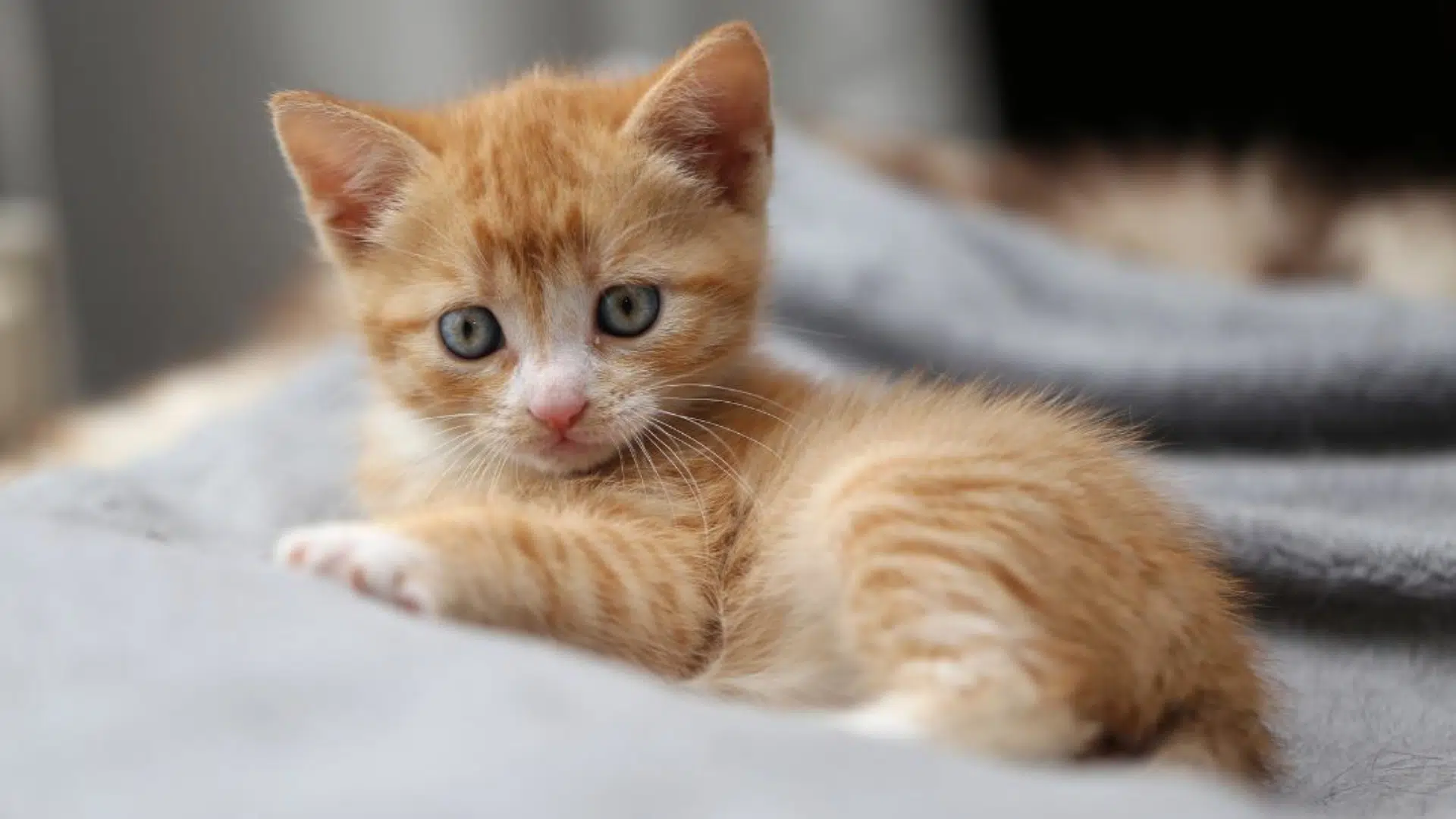
Keeping your kitten on track with shots is easier when you stay organized. I like to keep a vaccine record that lists every shot, date, and the next due appointment.
You can use a notebook, a digital file, or an app, whatever helps you remember.
Setting phone reminders a few days before each vet visit keeps everything on schedule.
Regular checkups are also key since your vet can update vaccines, answer questions, and make sure your kitten is developing well.
If your kitten goes outdoors, mention that to your vet, as extra vaccines might be needed. I also keep all receipts and records together so I can share them easily if my cat ever visits a new clinic.
Staying organized helps protect your kitten from disease and builds a strong, lifelong health routine.
Affordable Ways to Get Kitten Vaccines
Getting your kitten vaccinated doesn’t have to cost a lot. I always look for local options that offer safe and low-cost care so you can protect your pet without breaking your budget.
- Local Animal Shelters: Many shelters offer low-cost or free vaccine clinics for kittens, especially for new pet owners.
- Mobile Vaccine Clinics: These travel to neighborhoods and provide discounted shots on set days. You can check online for schedules near you.
- Veterinary Schools: Vet students give vaccines under supervision, offering reliable care at lower prices.
- Package Deals from Vets: Some clinics offer bundled vaccine packages that cover all shots for the first year at a reduced rate.
- Community Pet Events: Watch for seasonal or sponsored vaccine drives at local parks or pet stores.
Conclusion
Keeping up with your kitten’s vaccines is one of the best ways to give them a long, healthy life.
I’ve learned that staying on schedule not only protects your kitten from serious diseases but also keeps them happy and active.
Each vet visit is a chance to check their growth, discuss diet, and adjust the vaccine plan as needed.
Your vet can create a personalized vaccination schedule based on your kitten’s age, lifestyle, and health. I always mark future appointments right away to stay consistent.
Regular vaccines, along with good care and diet, build strong immunity and support overall health.
By following your vet’s advice and keeping a simple record, you’re giving your kitten the best start toward a safe, healthy future.