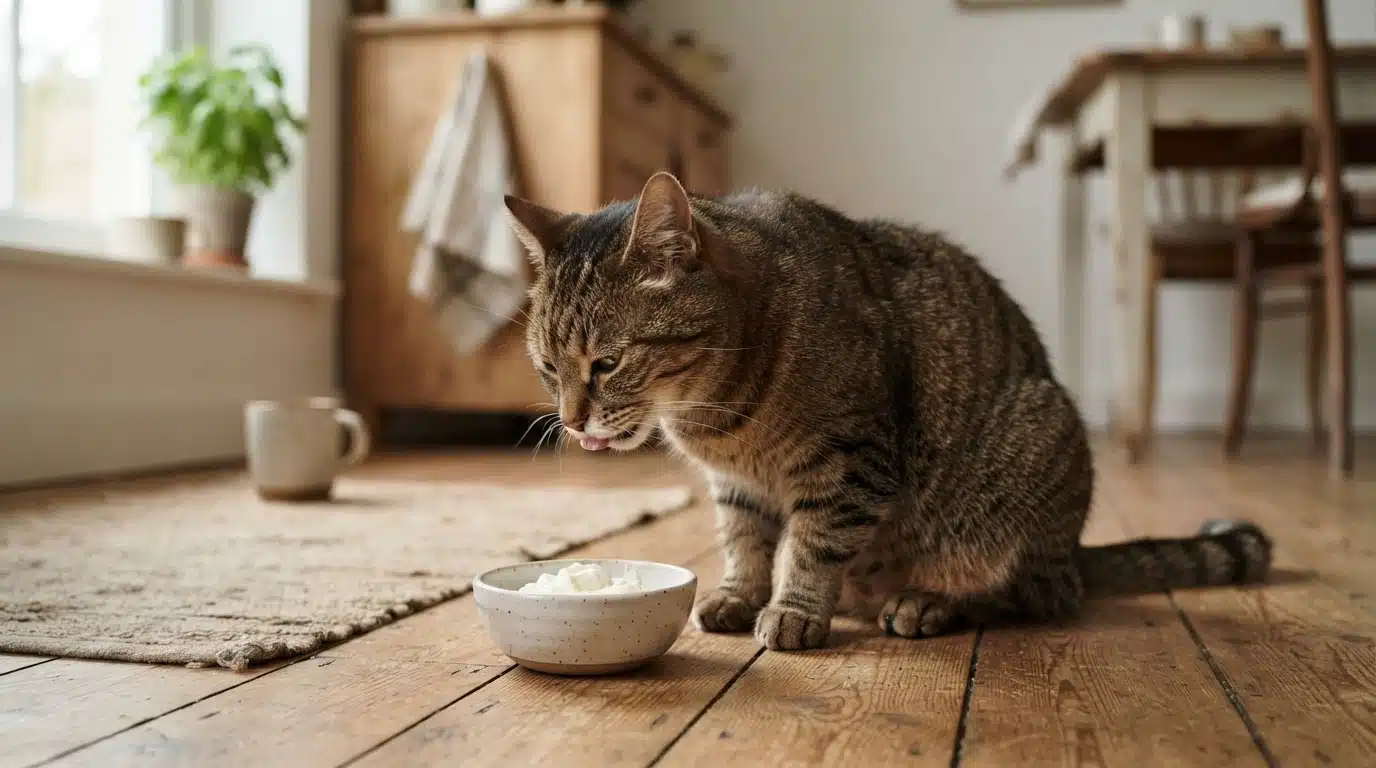
You might notice your cat’s breath during cuddle time and think, “That’s… not great.” While a cat’s breath isn’t supposed to smell minty, a strong or foul odor can be a sign that something’s wrong.
If you’ve ever thought, “my cat has bad breath,” you’re not alone.
Bad breath in cats, or halitosis, can result from plaque or leftover food, but it can also signal deeper health issues.
In this guide, we’ll look at:
- What causes bad breath in cats
- Common dental diseases linked to odor
- How to spot the signs early
By the end, you’ll understand what’s normal, what’s not, and how to help your cat feel better and smell fresher without stress or confusion.
What is Bad Breath in Cats?
When I say stinky cat breaths, I’m talking about that strong, unpleasant smell you notice when your cat gets close. It’s known as halitosis, and it usually happens because of bacteria building up in the mouth.
Plaque, leftover food, or poor dental care give those bacteria a place to grow, creating a sour or fishy odor.
Sometimes, though, bad breath can point to bigger health issues, such as gum disease, kidney problems, or digestive troubles.
If your cat’s breath stays bad even after cleaning, it could mean a more serious problem.
Paying attention to changes in smell, drooling, or eating habits can help you spot problems early and get your cat the right care before it becomes painful or more difficult to treat.
Symptoms of Bad Breath in Cats
When I notice bad breath in a cat, it’s rarely just about the smell. You might also see other signs that tell you something’s not right.
Watch for these symptoms of bad breath in cats so you can act early and help your pet feel better:
- Strong or foul odor that doesn’t go away
- Drooling more than usual
- Pawing at the mouth or rubbing the face often
- Red or swollen gums
- Trouble eating or chewing on one side
- Loss of appetite or refusal of dry food
- Bleeding from the mouth
- Yellow or brown buildup on teeth
- Changes in mood, like irritability or less interest in food and play
These signs often point to dental or health issues that need a vet’s attention.
Common Causes of Bad Breath in Cats
When your cat’s breath smells bad, it’s not just about food. Several common causes can be behind it, and knowing them helps you act early. These are the main causes of bad breath in cats to watch for:
1. Leftover Food
When bits of food get stuck between your cat’s teeth or gums, they start to rot and produce a strong, unpleasant odor. These tiny food particles feed bacteria that live in your cat’s mouth, making the smell worse over time.
You might also notice gum irritation or mild drooling.
Brushing your cat’s teeth, offering dental treats, or giving them dry kibble can help remove leftover food and stop the buildup before it becomes a bigger problem.
2. Tartar Buildup
Tartar buildup is one of the most common causes of bad breath in cats. It happens when soft plaque hardens on the teeth and forms a rough yellow or brown coating.
This tartar traps bacteria and creates a strong odor that doesn’t go away easily.
Over time, it can lead to gum infections and even tooth loss. If you notice this, a professional dental cleaning at the vet is the best solution.
Brushing your cat’s teeth regularly can help prevent tartar from forming again.
3. Poor Oral Hygiene
When a cat’s mouth isn’t cleaned often, bacteria multiply quickly, leading to bad breath and gum problems. Poor oral hygiene can cause inflammation, bleeding gums, and even painful mouth infections.
Cats don’t clean their teeth like humans do, so they rely on you to help maintain their dental health. Regular brushing, dental water additives, or dental-friendly toys can make a big difference.
Even simple habits, like checking your cat’s mouth once a week, can help you catch issues early.
4. Diet Issues
Your cat’s diet plays a major role in how their breath smells. Low-quality food, soft wet food, or treats high in filler ingredients can increase bacterial growth and plaque buildup.
Fish-based foods can worsen odor. A balanced, high-quality diet keeps your cat’s mouth healthier.
Crunchy kibble or dry food designed for dental health can help scrape away plaque naturally while your cat eats. You can also ask your vet about special dental diets for better results.
5. Mouth Infections
Sometimes, infections in the mouth are the main cause of bad breath. These can come from gum injuries, ulcers, or even small objects like a string or food bones stuck in the teeth.
Infections cause swelling, drooling, and a foul smell that won’t go away. If your cat seems to be in pain or has red, swollen gums, a vet visit is important.
They can safely remove any trapped objects, treat the infection, and stop the odor from getting worse.
Dental Diseases that Lead to Odor
Dental problems are a major cause of bad breath in cats. When plaque and bacteria build up, they lead to painful conditions that make the mouth smell foul.
- Gingivitis: This is inflammation of the gums caused by plaque buildup. The gums turn red, swell, and bleed easily. The bacteria release a strong odor that gets worse as the infection spreads.
- Periodontal Disease: When gingivitis isn’t treated, it develops into periodontal disease. This affects the tissues and bones that hold the teeth in place. It leads to tooth loss, pain, and a foul smell from trapped bacteria.
- Tooth Resorption: In this condition, the body starts breaking down the tooth structure from the inside. It causes pain, bleeding, and a rotten smell as the damaged teeth decay.
- Stomatitis: This severe mouth inflammation affects the gums, tongue, and throat. Cats with stomatitis often drool, refuse food, and have an intense, sour odor due to widespread infection.
- Abscessed Teeth: Infected tooth roots can lead to abscesses filled with pus. These infections cause swelling, pain, and a strong, unpleasant odor that’s impossible to miss.
Dental diseases like these not only cause bad breath but also serious pain and eating problems. Regular checkups and cleaning can help prevent them early.
How to Get Rid of Your Cat’s Bad Breath?
When your cat has bad breath, simple and consistent care can fix it. These are some practical ways to get rid of bad breath and keep your mouth healthy:
1. Professional Dental Cleaning
A professional dental cleaning by your vet is the most effective way to remove stubborn plaque and tartar that cause odor.
During this procedure, your cat is safely put under anesthesia so the vet can clean under the gums, polish the teeth, and remove bacteria you can’t reach at home.
This deep cleaning not only improves your cat’s breath but also helps prevent gum disease, tooth decay, and pain.
I suggest asking your vet about how often your cat should have their teeth cleaned, usually once a year, depending on age and health.
Regular cleanings make a huge difference in maintaining fresh breath and overall dental health.
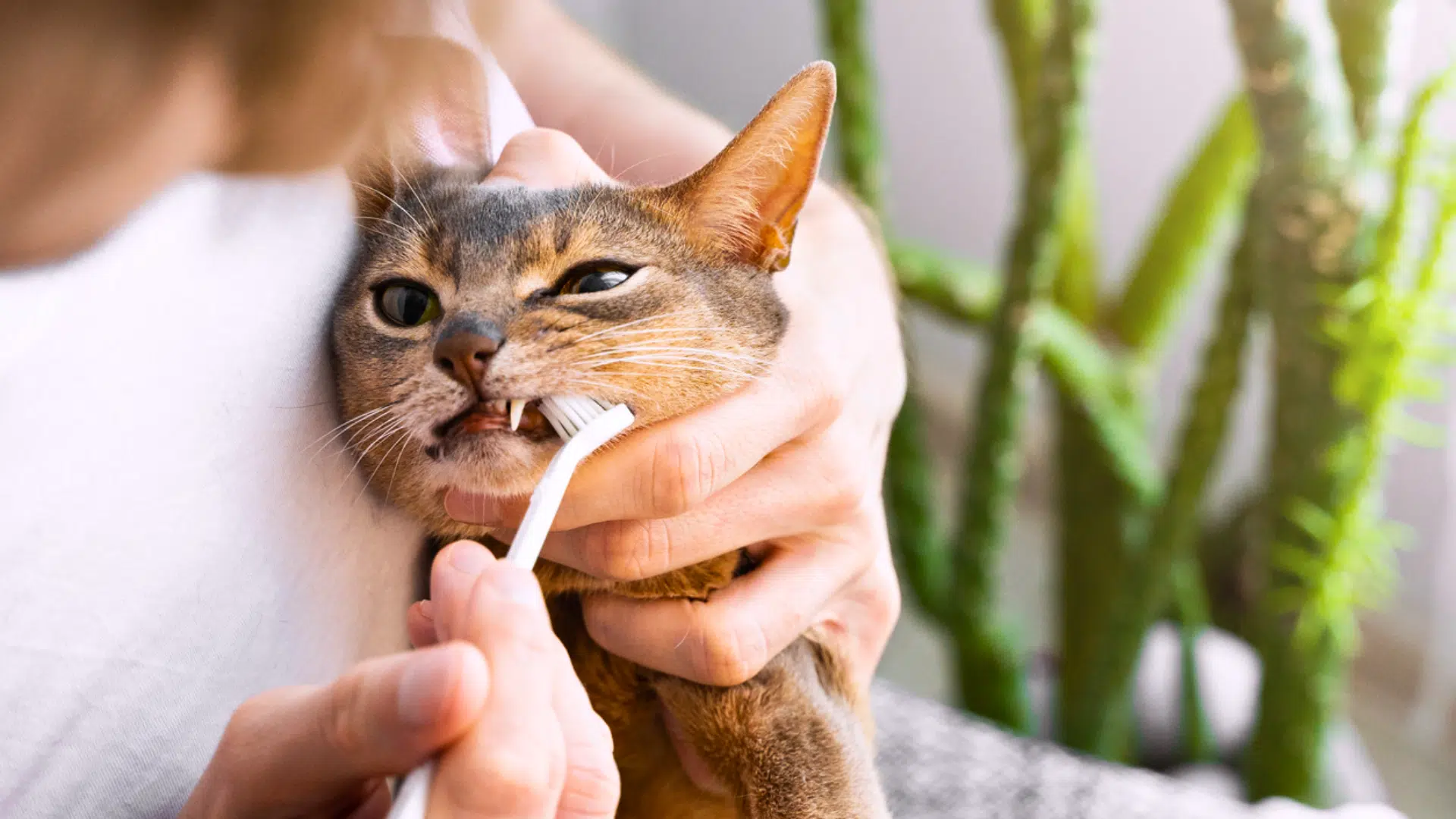
2. Regular Tooth Brushing
Brushing your cat’s teeth is one of the best ways to control bad breath at home. I know it sounds tricky, but starting slow helps.
Begin by gently rubbing your cat’s gums with your finger, then switch to a small pet toothbrush and cat-safe toothpaste. Avoid using human toothpaste; it can make your cat sick.
Try brushing at least two to three times a week, and reward your cat after each session.
Over time, brushing removes plaque before it hardens into tartar and keeps your cat’s breath fresh naturally.
3. Dental Treats and Toys
Using dental treats and chew toys is an easy and fun way to help clean your cat’s teeth. These treats are designed to scrape off food debris and control plaque buildup while your cat chews.
Some toys are made with textured surfaces that gently massage gums and fight bacteria.
Look for vet-approved treats that promote dental health and avoid products with too much sugar or artificial flavoring.
I often tell pet owners to use these in between brushing sessions; they keep your cat engaged and support cleaner teeth at the same time.
4. Healthy Diet Choices
Your cat’s diet plays a big role in their oral health. Poor-quality food or sticky wet food can leave residue on teeth, giving bacteria more to feed on.
A balanced diet with high-quality proteins and limited fillers helps keep your cat’s mouth healthier.
Dry kibble or special dental food can also help reduce plaque buildup by naturally cleaning the teeth as your cat chews.
Avoid feeding too many soft treats or table scraps. If you’re unsure what to feed, ask your vet for diet recommendations suited to your cat’s age and dental needs.
A good diet not only keeps your cat’s breath fresh but also supports their digestion and energy.
5. Regular Vet Checkups
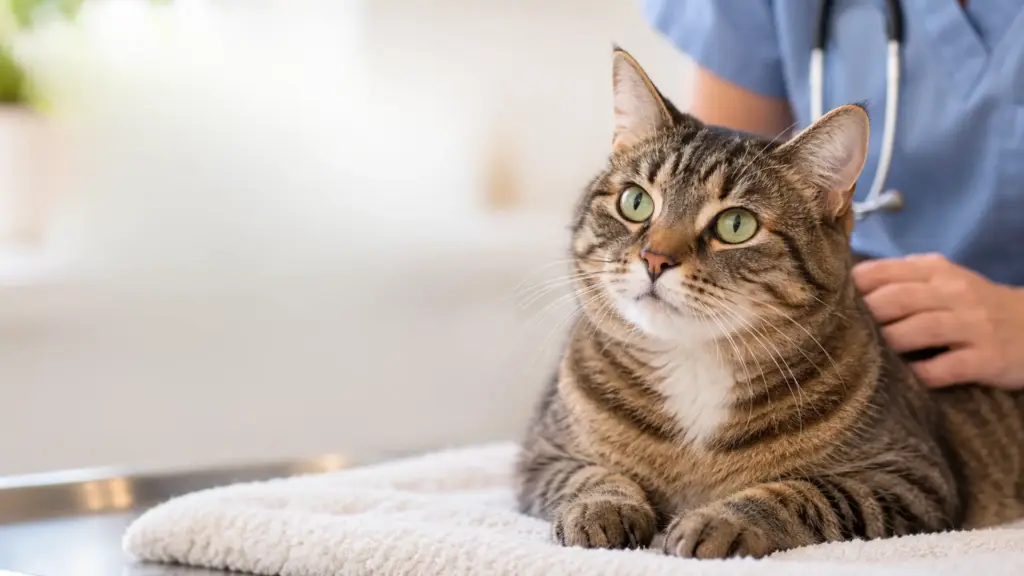
Even if you follow a good routine, I always recommend regular veterinary checkups to stay ahead of any dental or health issues.
Your vet can spot early signs of gum disease, infections, or tooth resorption before they cause bad breath or pain.
These checkups often include dental exams, professional cleanings, and advice tailored to your cat’s condition. Early detection is key; it saves your cat from discomfort and you from costly treatments later.
Aim for at least one vet visit every six months or sooner if you notice persistent odor, drooling, or eating problems.
When to See a Vet for Bad Breath?
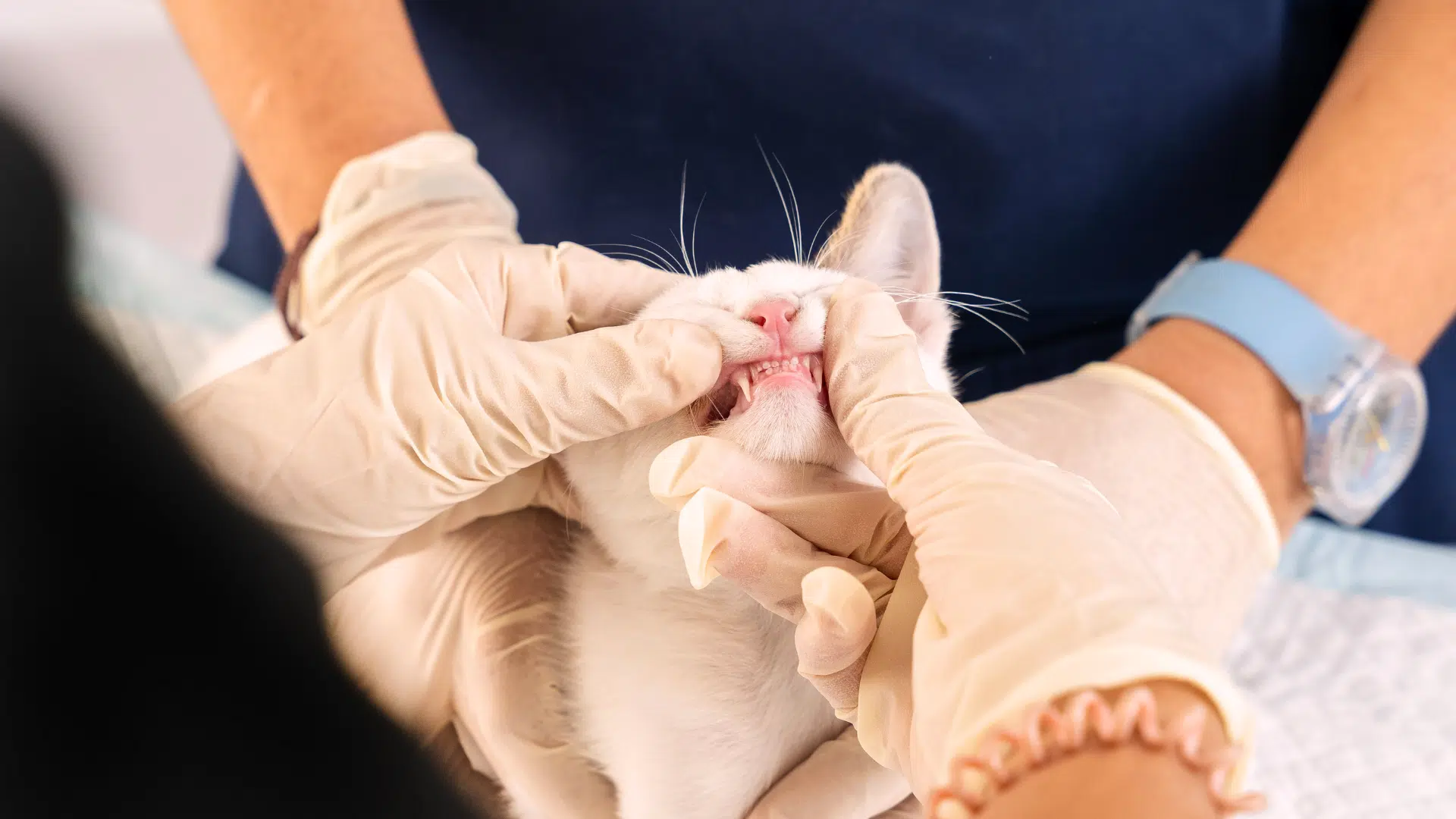
If your cat’s bad breath doesn’t go away after brushing or dental treats, it’s time to visit the vet.
A persistent or worsening odor often points to hidden issues such as gum disease, infection, or organ problems. You should also watch for bleeding gums, drooling, swelling, pawing at the mouth, or difficulty eating.
These signs mean your cat might be in pain. Some cats may also stop grooming or lose interest in food due to discomfort.
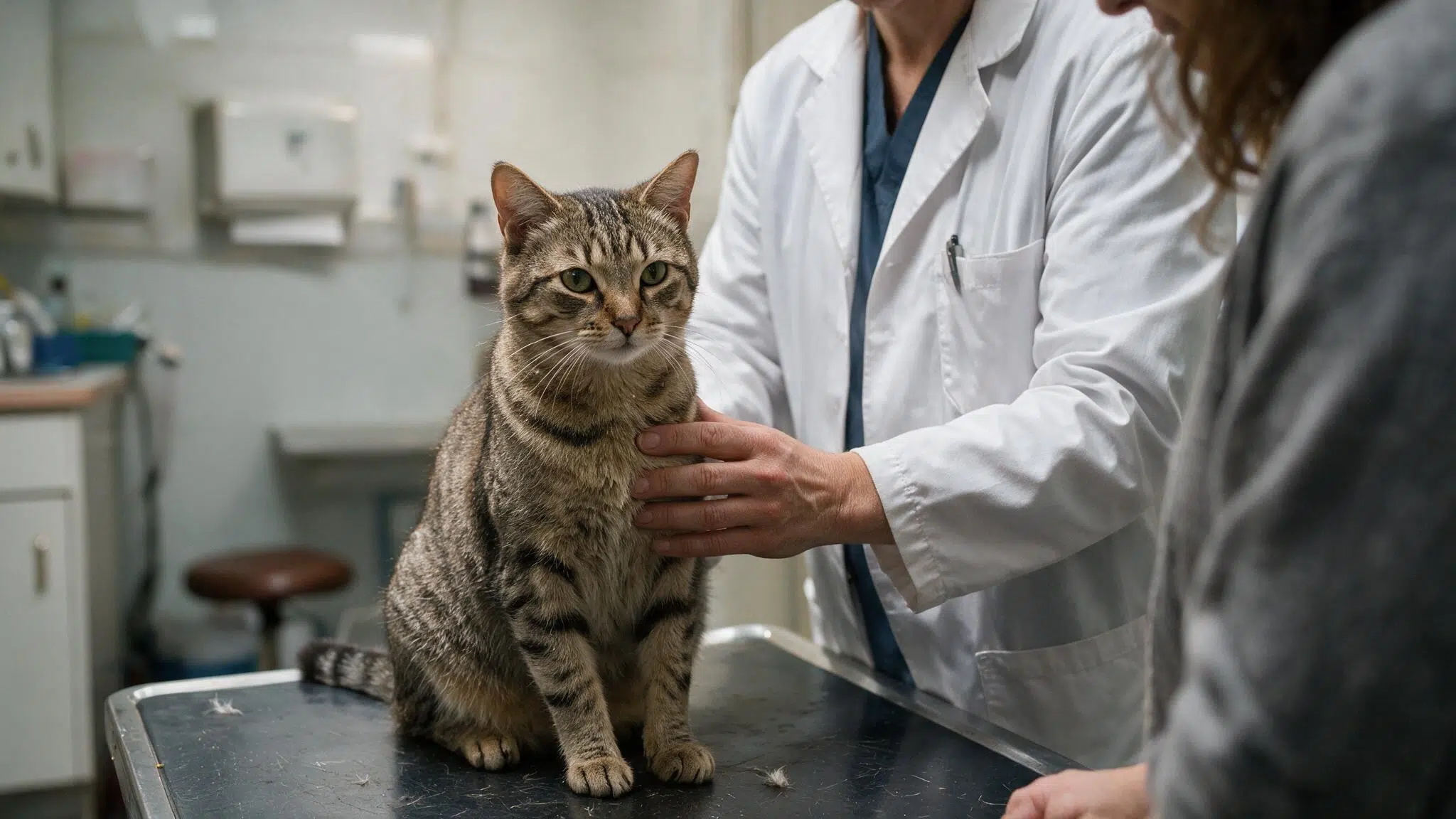
A vet can examine your cat’s mouth, check for dental disease, and run tests to rule out other health conditions.
Getting help early prevents serious problems and helps your cat stay healthy, comfortable, and free from that strong, unpleasant smell.
Simple Tips to Keep Your Cat’s Mouth Fresh
Keeping your cat’s mouth fresh isn’t hard; it just takes a few simple habits done regularly. These small steps go a long way in preventing odor, plaque buildup, and dental problems.
These are easy tips to keep your cat’s mouth clean and healthy:
- Brush regularly: Brush your cat’s teeth two to three times a week using a cat-safe toothbrush and toothpaste.
- Offer dental treats: Give vet-approved dental chews or crunchy treats that help reduce plaque and freshen breath.
- Schedule vet checkups: Take your cat for dental exams once or twice a year to catch problems early.
- Feed a balanced diet: Choose high-quality food that supports oral health and avoids sticky residue on teeth.
- Provide chew toys: Use textured toys to massage gums and scrape away food buildup naturally.
Conclusion
Keeping your cat’s mouth clean isn’t just about getting rid of bad breath; it’s about protecting their overall health.
Dental issues can lead to pain, infections, and even affect organs like the heart or kidneys if left untreated. Regular care makes a big difference.
Brushing often, giving dental treats, and yearly vet visits help control plaque and bacteria.
Feeding a balanced diet also supports strong teeth and gums. These small habits don’t take much effort but have lasting benefits.
When your cat’s mouth stays healthy, they can eat comfortably, play happily, and enjoy life without discomfort. Fresh breath is more than a bonus; it’s a sign of a healthy, well-cared-for cat.